
Asics vs Nike Sizing: Do They Fit the Same?
Asics vs Nike Size Converter
Not sure if you should stick with your usual size? Use this tool to find the recommended size when switching between these two popular brands.
Select your current brand and size to see the recommendation.
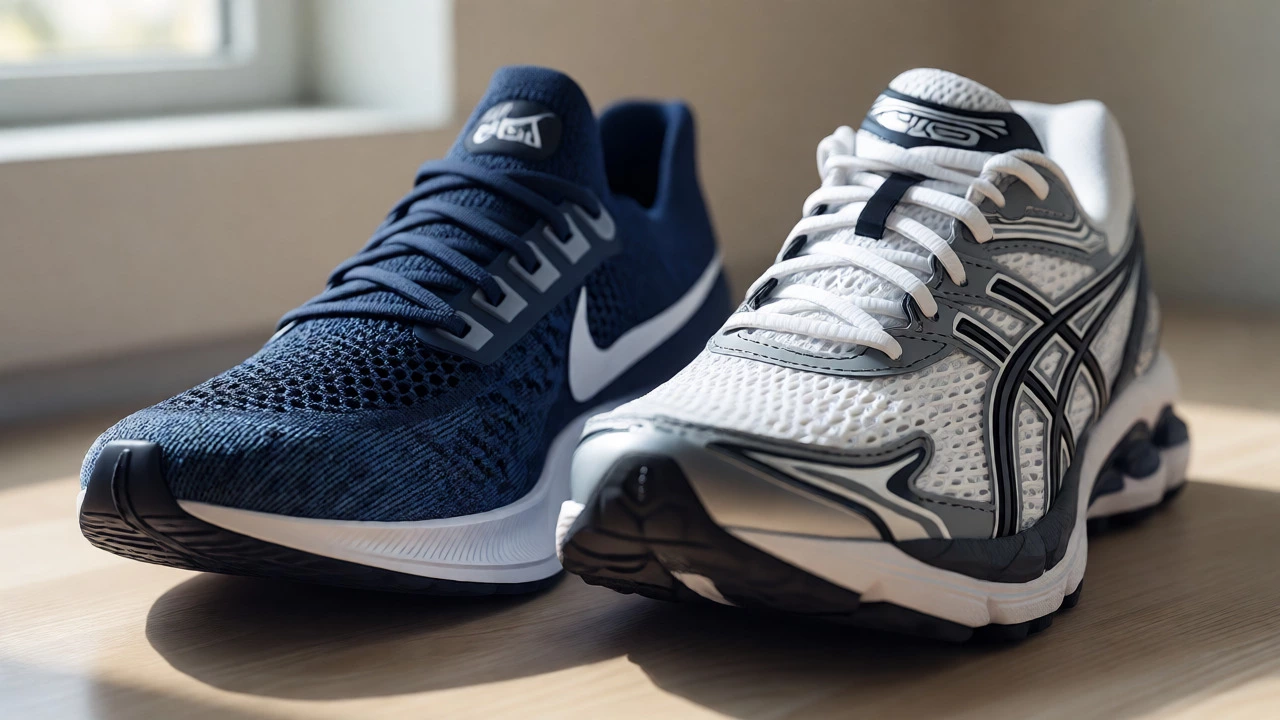
You just ordered a pair of Asics Gel-Nimbus because you loved your Nike Pegasus. But when they arrive, one feels like a vice grip and the other feels like it’s three sizes too big. Sound familiar? You’re not alone. The short answer is no, Asics and Nike are not the same size. While both use standard US and UK sizing charts, their internal lasts-the molds used to shape the shoe-differ significantly in width, toe box volume, and heel lock.
If you blindly click the same size number on both websites, you’re likely setting yourself up for blisters or a return shipping label. Here’s the reality: Nike tends to run slightly smaller and narrower, while Asics often provides more room in the forefoot but can feel tighter in the midfoot due to their structured support systems. Understanding these nuances saves you money and keeps your feet happy during those long Sunday runs.
The Core Difference: Lasts and Volume
Shoe sizing isn’t just about length; it’s about volume. Think of your foot as a complex 3D object. Two people might have the exact same foot length (say, a US Men’s 10), but one has a wide, high-volume foot, and the other has a narrow, low-volume foot. Brands design their shoes around specific "lasts" that cater to different foot shapes.
Nike generally designs for a sleeker, performance-oriented profile. Their lasts are often narrower in the heel and midfoot, with a tapered toe box. This creates a snug, sock-like fit that many runners love for speed work but hate if they have bunions or wide feet. If you wear a Nike size 10, your foot is essentially filling every cubic inch of available space.
Asics, conversely, leans into stability and comfort. Their lasts typically feature a wider toe box to allow splay during impact and a more generous midfoot structure to accommodate orthotics or natural swelling. However, this extra volume can sometimes translate to a feeling of looseness if you don’t lace them correctly. An Asics size 10 usually has more vertical height and horizontal width than its Nike counterpart.
| Feature | Nike | Asics |
|---|---|---|
| Toe Box Width | Narrow to Medium | Medium to Wide |
| Heel Fit | Tight/Locking | Secure but Roomier |
| Midfoot Structure | Flexible/Sock-like | Structured/Supportive |
| Typical Recommendation | True to Size or Half Size Up for Wide Feet | True to Size or Half Size Down for Narrow Feet |
How to Measure Your Foot Correctly
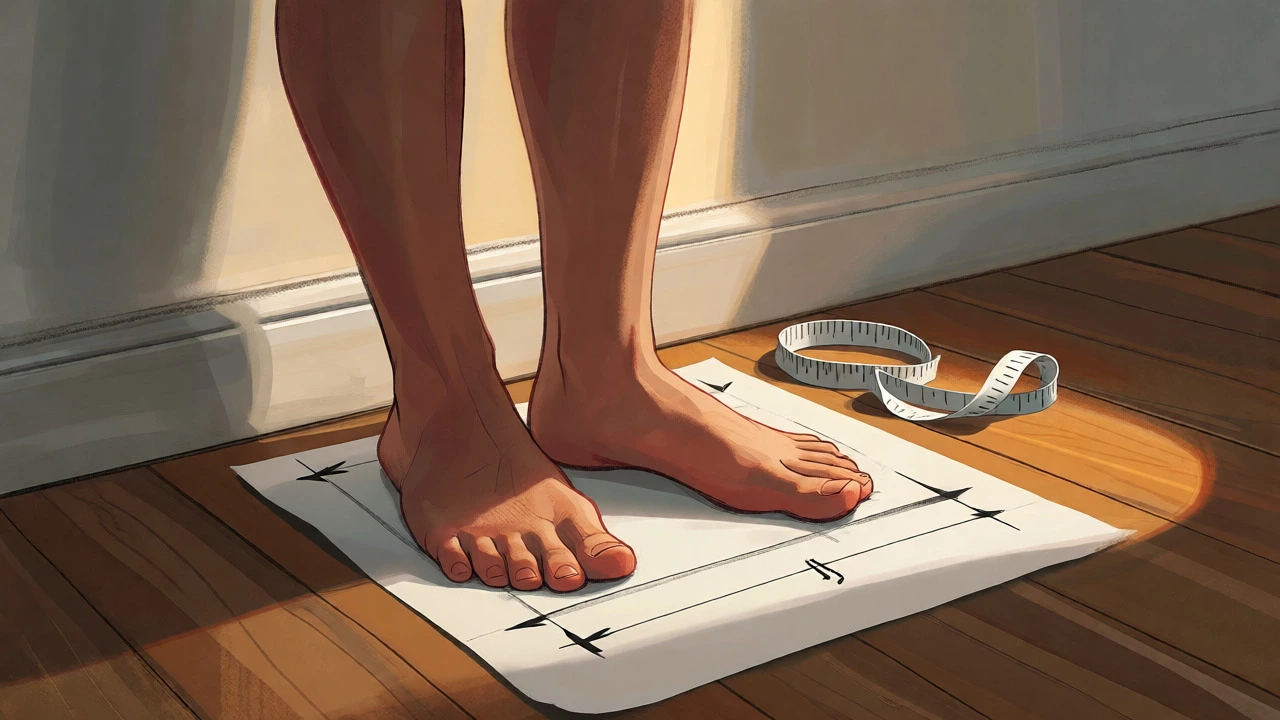
Before you worry about brand differences, ensure you actually know your size. Most people wear the wrong size because they measured their feet at the end of the day when they were swollen, or worse, they haven’t measured them since childhood. Do this right now: get a piece of paper, stand on it against a wall, and mark the longest point of your foot. Repeat for the other foot-yes, they are rarely identical. Use the larger measurement.
Measure from the back of the heel to the tip of the longest toe. Don’t guess. Then, measure the width at the widest part of your forefoot. Compare these numbers to the brand’s specific size chart, not the generic store label. A US Men’s 10 in Nike might be 28cm long, while an Asics 10 might also be 28cm long, but the Asics will have a wider width measurement. That width difference is where the discomfort happens.
Nike Sizing Quirks: The Flyknit Factor
Nike isn’t a monolith. Their sizing varies wildly depending on the upper material. If you’re looking at Flyknit models like the Vaporfly or React Infinity Run, the fabric stretches. These shoes hug the foot tightly. Many runners find they need to go half a size up in Flyknit models compared to traditional mesh Nikes like the Air Zoom Pegasus. Why? Because Flyknit conforms to the foot rather than supporting it structurally. If you have high arches, the lack of rigid structure can cause cramping unless you size up.
Conversely, leather or synthetic leather Nikes (like some lifestyle Air Force 1s) do not stretch much. For these, true-to-size is usually safe. Always check recent reviews for the specific model you want. A common pitfall is assuming all Nikes fit like the Pegasus. They don’t. The Alphafly, for instance, has a very specific rocker geometry that changes how your foot sits inside the shoe, often requiring a half-size adjustment regardless of your usual Nike size.
Asics Sizing Nuances: Stability vs Cushioning
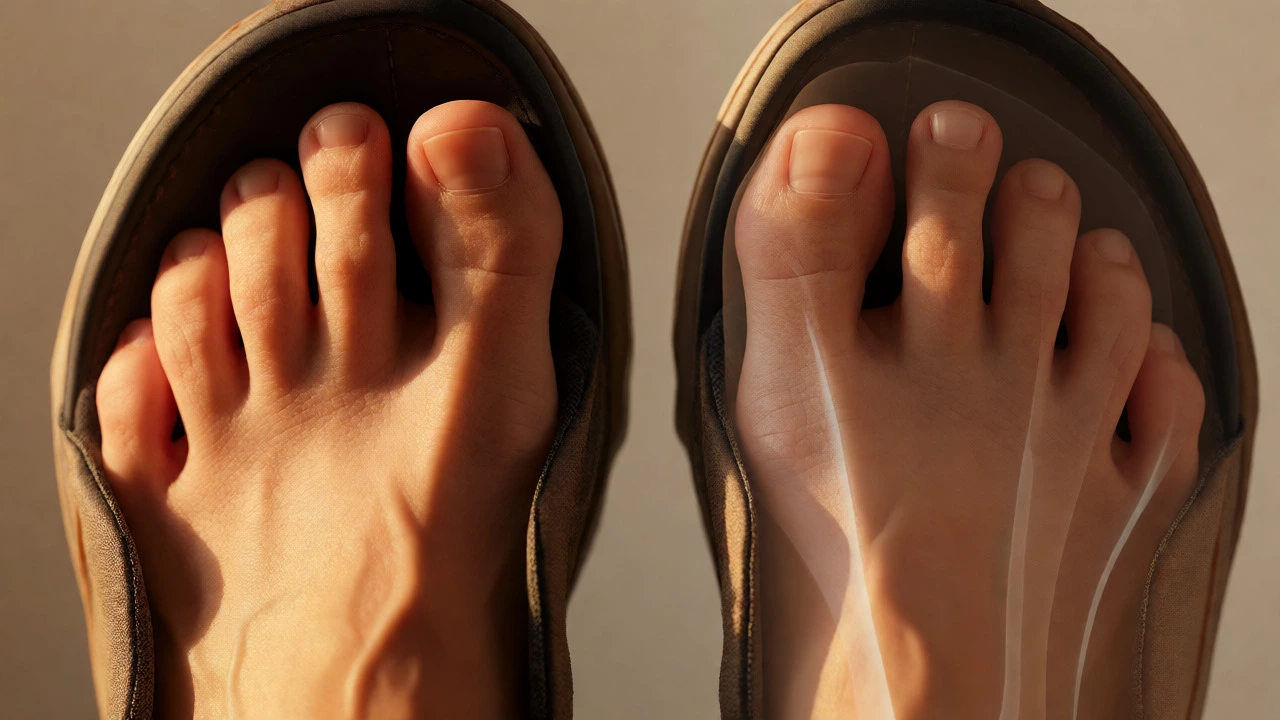
Asics categorizes its shoes into neutral cushioning (like the Novablast) and stability (like the Kayano). This distinction affects fit. Stability shoes use firmer foams and guide rails (or older technologies like DuoMax) to prevent overpronation. This added structure takes up internal volume. If you switch from a neutral Nike to a stability Asics, you might feel squeezed in the midfoot even if the length is correct.
Furthermore, Asics offers multiple width options in many markets, including Standard (D), Wide (2E), and Extra Wide (4E). If you fall between sizes in a standard Asics, trying a Wide version often solves the problem better than going up a full size. Going up a full size adds length you don’t need, causing your foot to slide forward and hit the toe box on downhill runs. Trying a wider width keeps the length correct but gives your toes room to breathe.
The Conversion Rule of Thumb
So, what should you buy? There is no universal converter, but here is a heuristic based on thousands of fitting sessions:
- If you wear Nike: When switching to Asics, start with your true Nike size. If you have wide feet or bunions, consider a Wide (2E) Asics in the same size rather than going up a size.
- If you wear Asics: When switching to Nike, try your true Asics size first. If you find the Nike pinches your pinky toe or top of your foot, go up a half size. If you have narrow feet, stick to true size, as Nikes will mold to your foot quickly.
- Kids’ Shoes: Kids grow fast. Asics kids' shoes often run slightly larger in length than Nike kids' shoes. Check the cm/inch measurement on the tongue tag, not just the size number.
Remember that break-in periods differ. Nike Flyknits break in almost instantly. Asics gel and foam units compress over time, which can make the shoe feel slightly looser after 50-100 miles. Account for this by ensuring there is a thumb's width of space between your longest toe and the end of the shoe when standing.
Troubleshooting Common Fit Issues
If you’ve already bought the shoes and they feel off, don’t panic. You can often adjust the fit without returning them.
Heel Slippage: If your heel lifts in Asics, try the "Runner’s Loop" lacing technique. This locks the ankle down without tightening the forefoot. In Nikes, heel slippage is rare due to the tight collar, but if it happens, tighten the top eyelet significantly.
Toe Cramping: If your toes hurt in Nikes, remove the factory insole. It’s often thick and reduces vertical volume. Replace it with a thin, flat insole or none at all. This can give you enough room to avoid a return.
Arch Pain: Asics supports often feel higher than Nike’s. If the arch feels intrusive, try wearing thinner socks or using a lower-profile insole. Conversely, if Nikes feel flat, add a supportive insole designed for neutral runners.
Frequently Asked Questions
Is Asics bigger than Nike?
Generally, yes, in terms of volume. While the length may be similar, Asics shoes typically offer more width in the toe box and more height in the midfoot compared to Nike. Nike tends to run narrower and snuggler, especially in models with Flyknit uppers.
Should I size up in Asics?
Not necessarily. Start with your true size. If you have wide feet, look for the 2E (Wide) option instead of increasing the numerical size. Increasing the size adds length, which can cause blisters from sliding. Only size up if you plan to wear thick wool socks or custom orthotics that take up significant space.
Do Nike and Asics use the same EU sizing?
No, they do not align perfectly. A EU 44 in Nike might correspond to a US M 10, while a EU 44 in Asics might correspond to a US M 10.5 or vary slightly depending on the specific model year. Always rely on the centimeter measurement listed on the shoe tag for accurate conversion.
Which brand is better for wide feet?
Asics is generally considered better for wide feet because they offer dedicated wide (2E) and extra-wide (4E) versions of most popular models. Nike has fewer wide options, and their standard fits are notoriously narrow, often forcing wide-footed runners to go up a full size, which ruins the heel fit.
Can I wear the same insoles in both brands?
You can, but be careful. Nike shoes often have less internal volume. Adding a thick custom insole to a Nike shoe might make it feel too tight. Asics shoes usually have removable stock insoles and more room, making them more forgiving for third-party inserts. Test the fit before committing to a run.