
Running and Marathon: Your Go‑To Hub for Tips and Training
Whether you’re lacing up for a 5K or eyeing a 26.2‑mile marathon, you’ve landed in the right spot. This page pulls together the most common questions, proven strategies, and real‑world experiences so you can train smarter, race faster, and enjoy the journey.
Why Running Matters for Everyone
Running isn’t just a sport; it’s a flexible way to boost cardio health, melt stress, and set personal goals. You don’t need a gym membership – a pair of shoes and a safe route are enough. Even a few short runs each week can improve mood and stamina, paving the way for longer distances later.
Start Your Marathon Journey Right
New to marathons? Most beginners need 16‑24 weeks of consistent training. Begin with three easy runs a week, gradually adding a long run that tops out at 20 miles a few weeks before race day. Stick to a plan that mixes easy miles, tempo work, and rest – rushing the process only raises injury risk.
One myth you’ll hear a lot is that you have to be ultra‑lean like cross‑country runners. In reality, body type matters less than consistency and proper fueling. Focus on gradual mileage, balanced nutrition, and strength work to keep joints strong.
Thinking about stopping mid‑race? It’s allowed, but it can cost you precious minutes. If you must pause, keep the break short, stay warm, and resume at a comfortable pace. Most seasoned runners use a walk‑run strategy to conserve energy without sacrificing overall time.
What’s a “good” marathon time? For many, finishing under 4 hours feels like a win. If you’re aiming for 3:20 or better, you’ll need a structured interval plan, speed work, and a solid fueling schedule. Remember, personal bests are relative – compare yourself to your own progress, not just the crowd.
Age isn’t a barrier either. Runners in their mid‑30s and beyond regularly hit personal records. Adjust training volume to allow extra recovery, listen to joint signals, and incorporate cross‑training to stay injury‑free.
Walking during a marathon might sound odd, but it’s a smart energy‑saving tool. Plan brief walk breaks every 10‑12 miles, especially on hilly sections. This keeps muscles fresh and helps you maintain a steady overall pace.
Health-wise, marathon training can improve cholesterol, lower blood pressure, and boost mental resilience. However, overtraining can lead to fatigue and weakened immunity. Balance hard days with easy runs and be sure to hydrate and stretch daily.
If you’re comfortable with a 5K or 10K, stepping up to a half marathon first is a sensible bridge. Increase weekly mileage by 10 percent and practice race‑pace runs that mimic the longer distance’s rhythm.
Finally, set realistic expectations. Average marathon finish times range from 4 hours for many recreational runners to 3 hours for seasoned athletes. Use these benchmarks as a guide, not a rule, and tailor your goal to your fitness level and life schedule.
Ready to take the next step? Browse our articles for detailed plans, myth‑busting facts, and personal stories that will keep you motivated from the first jog to crossing the finish line.
Is a 10K in 70 Minutes Good? Benchmarks, Pace Math & Training Tips

Discover if a 70-minute 10K is a good time. We break down pace benchmarks, age adjustments, and actionable tips to help you run faster.
Is Marathon Running Healthy? The Truth About Long-Distance Impact

Is marathon running healthy? Explore the truth about cardiovascular risks, joint impact, and mental benefits. Learn how to train safely.
Marathon Pace for 6 Hours: Strategy, Training & Fueling Guide

Learn how to pace a marathon for a 6-hour finish. Discover the math, negative split strategies, fueling tips, and training plans to help you cross the line confidently.
Is a 4 Hour Marathon Realistic? A Realistic Guide for Recreational Runners
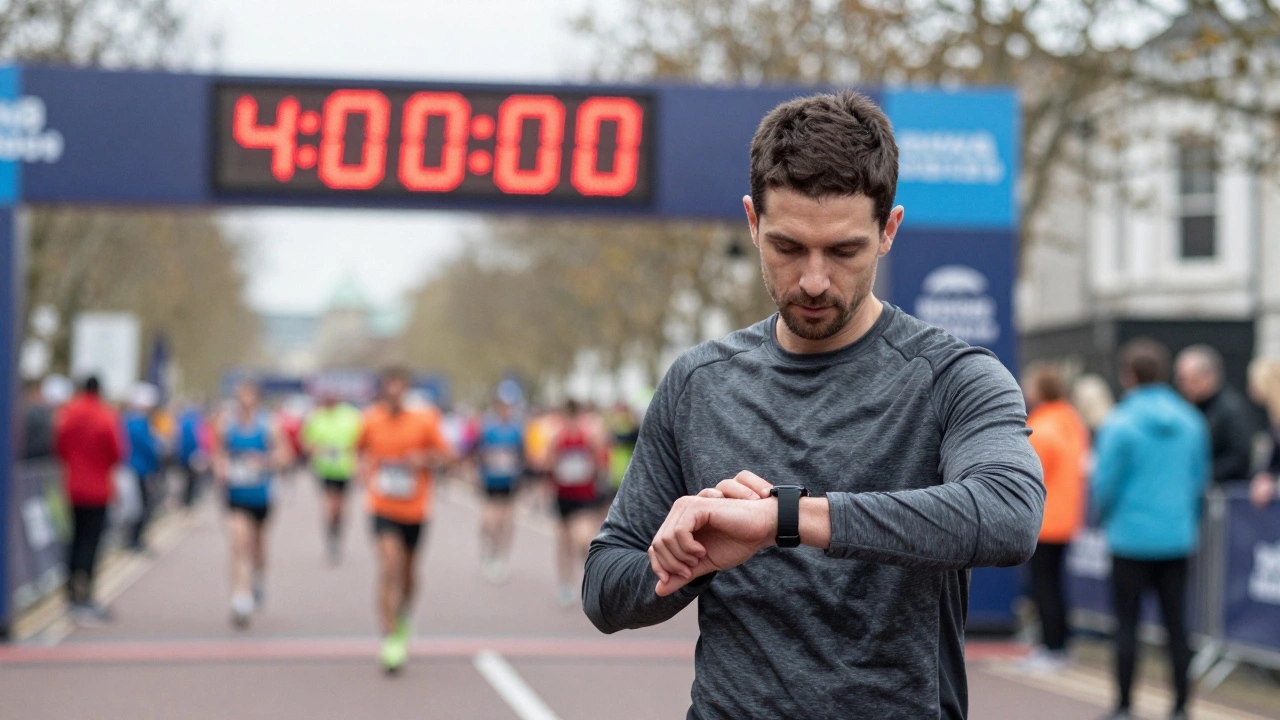
Breaking the 4-hour marathon barrier is a realistic goal for dedicated amateurs. Learn the exact pace required, essential training strategies, and race-day tactics to achieve this milestone.
Marathon Finish Rate: What Percentage of Runners Actually Cross the Line?

Discover the real marathon finish rate: typically 75-85%. Learn why runners drop out, how race size impacts stats, and tips to ensure you cross the finish line.
How Fast Did Gordon Ramsay Run the Marathon? Time, Route & Training Secrets

Gordon Ramsay ran the London Marathon in 3 hours and 51 minutes. Discover his pace, training secrets, and how his time compares to other celebrity runners.
How Long Does It Take to Fully Recover from a Marathon? A Complete Timeline

Discover the true timeline for marathon recovery. Learn why it takes 2-4 weeks to heal, how to manage DOMS, and when to safely return to running without injury.
Is It Healthy to Run a Marathon Every Year? Risks, Benefits & Recovery

Discover if running a marathon annually is healthy. We explore the cardiovascular benefits, injury risks, and recovery strategies to help you decide if yearly marathons are right for your body.
The Most Comfortable Running Shoes of 2026: Top Picks for Every Runner

Discover the most comfortable running shoes of 2026. We review top picks like Hoka Bondi 8, New Balance 1080v13, and Brooks Ghost 16 to help you find the perfect fit for your feet and running style.
Do Marathon Runners Live Longer? The Truth About Longevity and Endurance

Explore the scientific truth behind marathon runners' longevity. Discover how endurance training impacts lifespan, heart health, and overall well-being, plus practical tips to maximize your health through running.
Why Podiatrists Recommend Brooks Running Shoes: The Science Behind the Sole

Discover why podiatrists frequently recommend Brooks running shoes. Learn about GuidedRails technology, cushioning benefits, and how specific models support foot health and prevent injury.
Is a 3-Hour Marathon Impressive? The Truth About Elite Running Standards
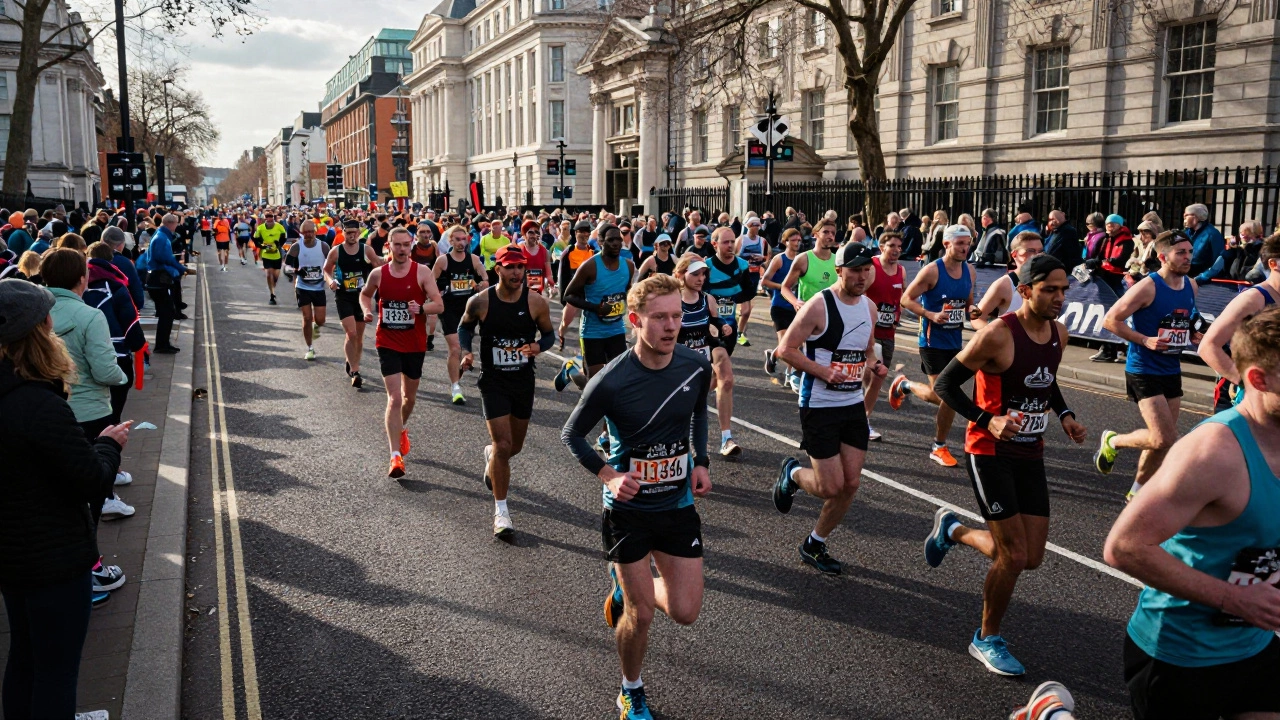
Discover if a 3-hour marathon is truly impressive. We analyze pace requirements, global runner statistics, and the training commitment needed to reach this elite amateur milestone.