
How Long Does It Take to Fully Recover from a Marathon? A Complete Timeline
Marathon Recovery Timeline Calculator
Your Profile
Your Estimated Timeline
Recovery Stages Guide
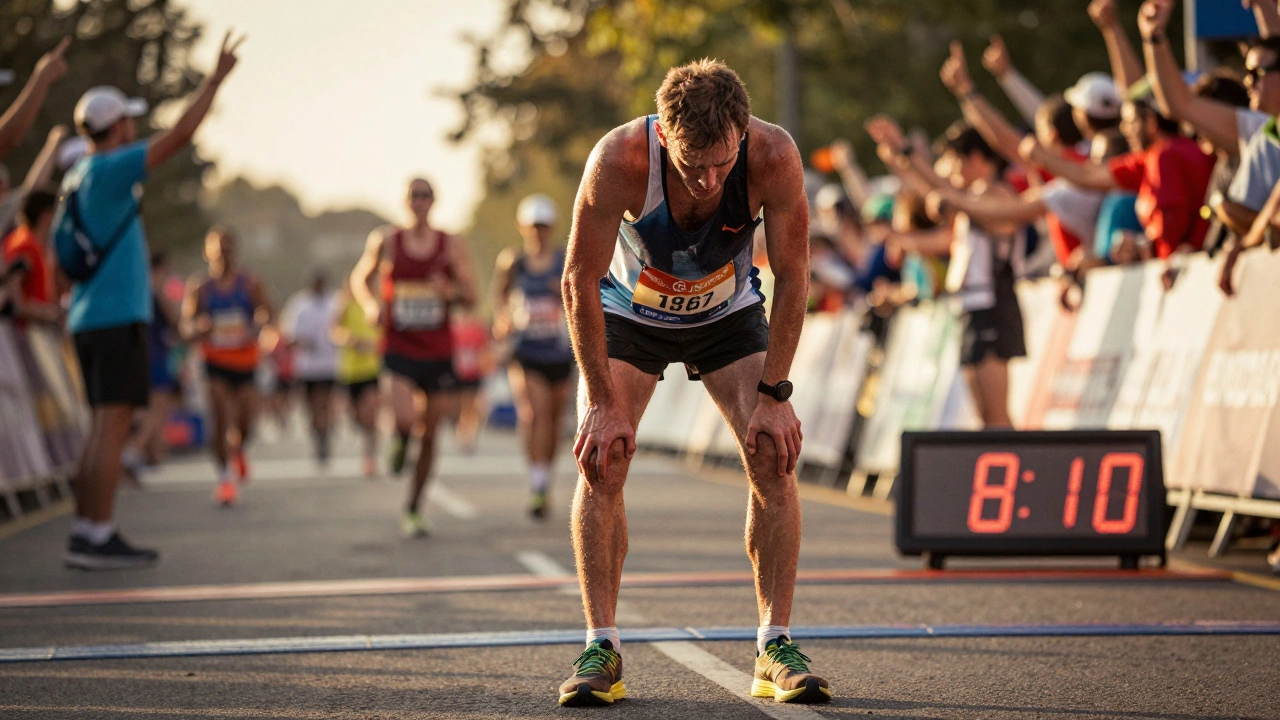
Standing on the finish line feels like victory. Your legs are jelly, your lungs are burning, and you’ve just conquered 26.2 miles. But the real test isn’t finishing; it’s what happens in the weeks that follow. You might expect to bounce back quickly, but the body tells a different story. The question isn't just about when the pain stops-it's about when your muscles, tendons, and energy systems truly reset.
For most runners, full physiological recovery from a marathon takes between two and four weeks. However, this window varies wildly based on your training background, age, and how you handled the race itself. Some elite athletes feel ready to sprint again in ten days, while beginners might limp around for a month. Understanding the stages of recovery helps you avoid injury and get back to running stronger than before.
Why does marathon recovery take so long?
A marathon causes significant micro-tears in muscle fibers, depletes glycogen stores, and creates systemic inflammation. Unlike a short run, the cumulative damage affects not just your legs but your central nervous system and immune function, requiring extended time for cellular repair and hormonal balance restoration.
The Immediate Aftermath: Days 1-3
The first 72 hours are critical. This is when your body shifts from 'survival mode' into 'repair mode.' If you ignore the signals here, you risk turning normal soreness into a stress fracture or tendonitis.
Delayed Onset Muscle Soreness (DOMS) is painful stiffness that peaks 24 to 48 hours after intense exercise. You’ll likely feel it everywhere-quads, hamstrings, calves, and even your lower back. This isn't lactic acid, as old myths suggest. It’s microscopic damage to muscle fibers triggering an inflammatory response. Your body sends white blood cells to clean up the debris, which causes swelling and pain.
During these first three days, your priority is passive recovery. Do not stretch aggressively. Static stretching can tear already damaged fibers. Instead, focus on hydration and nutrition. Your glycogen tanks are empty. Eat complex carbohydrates like sweet potatoes or oatmeal within two hours of finishing. Pair them with protein to kickstart muscle synthesis. Aim for 20-30 grams of protein per meal.
Sleep is non-negotiable. Human Growth Hormone (HGH) is released primarily during deep sleep. Without 8-9 hours of quality rest, your repair rate slows down significantly. If you’re tossing and turning due to pain, elevate your legs above heart level for 15 minutes to reduce swelling.
The Turning Point: Days 4-7
By day four, the sharp pain usually dulls into a manageable ache. This is a trap. Many runners think they’re healed because they don’t look in the mirror and see bruises. They aren’t. Your connective tissues-heals slower than muscle. Tendons and ligaments have poor blood supply, meaning they lag behind muscle repair by several days.
This is the best time to introduce Active Recovery is low-intensity movement designed to increase blood flow without adding stress. Go for a brisk 20-minute walk. Try gentle yoga or swimming. The goal is to flush out metabolic waste products and improve circulation. Avoid any impact activities. No jogging. No jumping jacks. Just movement that keeps joints lubricated.
You might notice your appetite returning. This is good. Your metabolism spikes during recovery to fuel tissue repair. Don’t restrict calories now. Listen to your hunger cues. Include anti-inflammatory foods like fatty fish (salmon, mackerel), berries, and leafy greens. Turmeric and ginger tea can also help manage residual inflammation naturally.
Returning to Motion: Weeks 2-3
Week two is where most runners make mistakes. They feel great on Tuesday and decide to do a long run on Saturday. Big mistake. Your muscles may feel fine, but your bones and joints are still rebuilding density and resilience. Stress fractures often occur here because the bone hasn’t fully mineralized after the repetitive impact of 26.2 miles.
Start with cross-training. Cycling or elliptical training allows you to maintain cardiovascular fitness without pounding your shins. Keep intensity low. You should be able to hold a conversation easily. If you’re gasping for air, you’re going too hard.
If you must run, limit it to short, easy strides. Think 10-15 minutes at a conversational pace. Focus on form. Your gait might feel weird because your muscles are still adapting. Pay attention to symmetry. Are you favoring one leg? That imbalance can lead to knee or hip issues later. Use this time to work on flexibility with dynamic movements, not static holds.

Full Restoration: Week 4 and Beyond
By week four, most recreational runners feel 'normal' again. But 'normal' doesn't mean 'ready for another marathon.' Full physiological recovery involves restoring mitochondrial density, capillary networks, and enzyme levels in your muscles. These adaptations take time. Studies show that VO2 max-the maximum amount of oxygen your body can use-can drop by 10-15% immediately after a marathon and takes 3-4 weeks to return to baseline.
Use this fourth week to gradually reintroduce structure. Add one interval session or hill repeat workout. Monitor your heart rate. If your resting heart rate is elevated compared to your pre-race average, your body is still under stress. Back off. Pushing through fatigue leads to overtraining syndrome, which can sideline you for months.
Mental recovery matters too. Post-race blues are real. The dopamine hit from crossing the finish line fades, leaving a void. Set small goals. Maybe it’s hitting a personal best on a 5K or trying a new trail route. Keep the joy in running alive without the pressure of performance.
| Timeframe | Physical State | Recommended Activity | Nutrition Focus |
|---|---|---|---|
| Days 1-3 | Peak DOMS, inflammation, fatigue | Rest, walking, elevation | Carbs + Protein, hydration |
| Days 4-7 | Dulling pain, improved mobility | Light yoga, swimming, cycling | Anti-inflammatory foods |
| Weeks 2-3 | Most pain gone, cautious movement | Cross-training, short easy runs | Balanced macros, iron replenishment |
| Week 4+ | Near-baseline fitness, mental reset | Gradual return to training plan | Maintenance diet, electrolyte balance |
Factors That Slow Down Recovery
Not everyone recovers at the same speed. Several variables can extend your timeline beyond four weeks.
Age: As we age, our bodies produce less collagen and recover slower. Runners over 40 might need an extra week for tendon repair. Hydration becomes more critical too, as thirst mechanisms dull with age.
Training Background: If you’re a seasoned marathoner, your body is adapted to the stress. Beginners suffer more severe muscle breakdown. If this was your first marathon, expect a longer road to recovery. Don’t compare yourself to elites who train year-round.
Race Execution: Did you negative split? Or did you start too fast and bonk? Running out of glycogen early forces your body to burn fat and muscle for fuel, increasing catabolic stress. Poor pacing means more damage and longer recovery.
Sleep Debt: If you were sleeping poorly during training, your recovery clock starts behind schedule. Chronic sleep deprivation raises cortisol levels, which breaks down muscle tissue instead of building it.

Signs You’re Ready to Resume Training
How do you know when you’re truly healed? Look for these green lights:
- No pain during daily activities like climbing stairs or standing up from a chair.
- Resting heart rate has returned to your pre-race average.
- You can jump on one foot without discomfort or instability.
- Your appetite and sleep patterns are stable.
- You feel mentally eager to run, not dread.
If you miss any of these, give it more time. Rushing back is the fastest way to get injured. Injury recovery takes months, not weeks. Patience pays off.
Common Mistakes to Avoid
Many runners sabotage their recovery with well-intentioned but harmful actions. Here’s what to skip:
Ice Baths Immediately After: While tempting, ice baths can blunt the inflammatory response needed for adaptation. Save them for acute injuries, not routine recovery. Warm showers or contrast therapy (alternating hot and cold) are better for circulation.
Aggressive Foam Rolling: Smashing your quads with a foam roller right after a marathon can cause bruising and further tissue damage. Wait until day four or five, and then go gentle. Think massage, not torture.
Alcohol Binges: Celebratory beers are fun, but alcohol dehydrates you and interferes with protein synthesis. Limit yourself to one or two drinks. Water and electrolyte solutions are your best friends.
Ignoring Foot Care: Your feet took 20,000+ impacts. Check for blisters, black toenails, or plantar fascia pain. Soak them in Epsom salt water. Moisturize. Wear supportive slippers indoors.
Can I run a half marathon one month after a full marathon?
It depends on your fitness level. For experienced runners, yes, if you tapered properly and recovered well. For beginners, wait at least 6-8 weeks. Your body needs time to rebuild bone density and tendon strength. Listening to your body is crucial to avoid stress fractures.
Does weightlifting help marathon recovery?
Yes, light resistance training can aid recovery by stimulating blood flow and strengthening supporting muscles. Avoid heavy lifting for the first two weeks. Focus on bodyweight exercises like squats and lunges once acute soreness subsides.
Why do I still feel tired after a week?
Central Nervous System (CNS) fatigue lasts longer than muscle soreness. The marathon stresses your brain and hormones. Prioritize sleep, reduce stress, and engage in relaxing activities like meditation or nature walks to help your CNS reset.
Should I take supplements for recovery?
Whole foods are best, but some supplements can help. Tart cherry juice reduces inflammation. Creatine aids muscle repair. Omega-3 fatty acids support joint health. Consult a doctor before starting new supplements, especially if you have underlying conditions.
How long does it take for black toenails to heal?
Black toenails, caused by subungual hematoma, can take 6-12 months to grow out completely. Keep the area clean and dry to prevent infection. Trim surrounding nails carefully. If there’s pus or severe pain, see a podiatrist.
Recovery isn’t passive waiting. It’s active healing. Treat your body with respect, and it will reward you with durability and speed. The next marathon is closer than you think, but only if you let yourself heal properly now.