
Do Marathon Runners Live Longer? The Truth About Longevity and Endurance

Marathon Longevity & Health Score Calculator
Your Running Profile
Your Health Outlook
Fill out the form to see how your running habits compare to longevity best practices.
It’s a question that keeps many of us up at night, especially after we’ve finished our first long run and felt that mix of exhaustion and pride. Do marathon runners actually live longer than the rest of us? You’ve probably seen the images of elderly athletes crossing finish lines with smiles on their faces, or read headlines claiming that running adds years to your life. But is there real science behind the hype, or is it just survivorship bias?
The short answer is yes, but with some important caveats. Decades of research suggest that consistent aerobic exercise, including marathon training, significantly reduces the risk of premature death from heart disease, stroke, and other chronic conditions. However, the relationship between extreme endurance sports and longevity isn’t a straight line. It’s more of a curve, where moderate to high levels of activity provide the biggest benefits, while excessive volume without proper recovery might introduce new risks.
The Science Behind Running and Lifespan
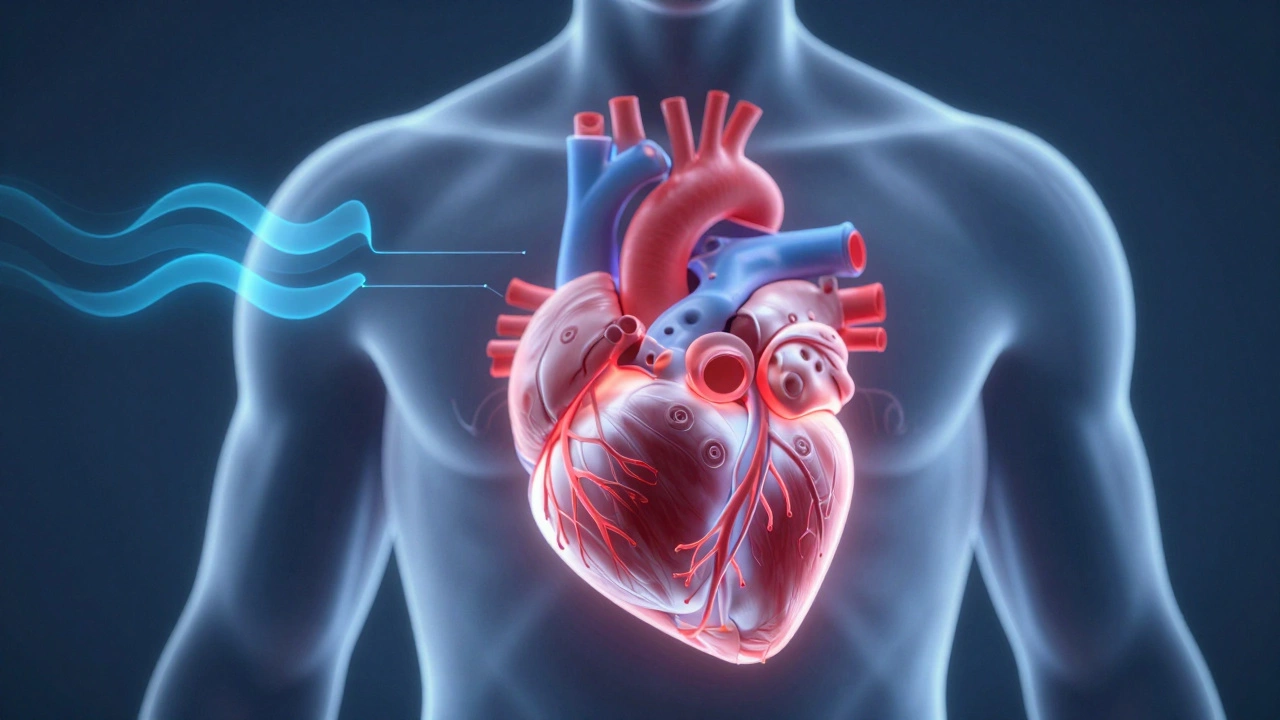
To understand why marathon runners might outlive the average person, we need to look at what happens inside the body during sustained aerobic activity. When you run, your cardiovascular system undergoes remarkable adaptations. Your heart muscle strengthens, allowing it to pump more blood with each beat. This is known as increased stroke volume. Over time, this efficiency lowers your resting heart rate, which is a strong predictor of long-term cardiovascular health.
A landmark study published in the Journal of the American College of Cardiology analyzed data from over 55,000 adults over nearly two decades. The findings were clear: those who ran regularly had a 45% lower risk of dying from any cause compared to non-runners. Even more striking, they lived about three years longer on average. While this study included all types of runners, not just marathoners, the physiological benefits apply directly to the endurance conditioning required for marathon training.
But it’s not just about the heart. Regular running improves insulin sensitivity, helping to prevent type 2 diabetes. It also reduces systemic inflammation, a key driver of aging and diseases like arthritis and Alzheimer’s. Think of your body as a machine; regular maintenance prevents rust and wear. Running acts as that maintenance crew, keeping cellular processes efficient and resilient.
The "J-Curve" Phenomenon: Is Too Much Exercise Bad?
Here’s where things get interesting. Some researchers have observed a "J-curve" effect in endurance sports. This means that while low to moderate exercise drastically reduces mortality risk, extremely high volumes of exercise might slightly increase the risk of certain cardiac events, particularly atrial fibrillation (AFib). AFib is an irregular heartbeat that can lead to stroke if left untreated.
Does this mean marathon runners are doomed? Absolutely not. For most people, the benefits of running far outweigh the risks. The slight increase in AFib risk among elite ultra-endurance athletes doesn’t translate to higher overall mortality. In fact, studies show that even these athletes have a lower risk of coronary artery disease, which is the leading killer of men worldwide. The key is balance. Most recreational marathon runners fall into the "moderate to high" activity category, which sits comfortably in the safest part of the J-curve.
If you’re worried about your heart health, focus on consistency rather than intensity. A four-hour marathon pace is generally safer for long-term heart rhythm stability than pushing for sub-elite times every weekend. Listen to your body, prioritize recovery, and don’t ignore warning signs like chest pain or unusual palpitations.
Beyond Heart Health: Mental and Social Benefits
Longevity isn’t just about avoiding heart attacks; it’s about quality of life. Marathon runners often report higher levels of mental well-being, which contributes to a longer, healthier life. Running triggers the release of endorphins and brain-derived neurotrophic factor (BDNF), a protein that supports brain health and cognitive function. This chemical cocktail helps combat stress, anxiety, and depression-conditions that are linked to shortened lifespans.
Consider the social aspect too. Joining a running club or training group creates a support network. Studies consistently show that strong social connections are one of the strongest predictors of longevity. People who run together stay accountable, share knowledge, and build friendships. This sense of community can be just as vital to your health as the miles you log on the pavement.
In Bristol, where I live, you’ll find vibrant running communities that meet early in the morning along the River Avon. These groups aren’t just about fitness; they’re about connection. Having a purpose and a community gives people a reason to get out of bed, stay active, and engage with life-all factors that contribute to living longer.
Marathon Training vs. Casual Running: What’s the Difference?
Not all running is created equal when it comes to health outcomes. Casual jogging, perhaps three times a week for 30 minutes, offers significant benefits. Marathon training, however, involves structured periods of high mileage, speed work, and long runs. Does this extra load add extra years to your life?
The evidence suggests that the act of running itself is the primary driver of longevity, not the distance. Whether you run 5 kilometers or 42.195 kilometers, the cardiovascular improvements are similar. However, marathon training forces discipline and consistency. People who commit to marathon training tend to maintain healthy habits beyond running, such as better nutrition, adequate sleep, and avoidance of smoking or excessive alcohol. These lifestyle choices compound over time, contributing to a longer lifespan.
| Benefit | Casual Running (3-5 km) | Marathon Training (Long Distance) |
|---|---|---|
| Cardiovascular Efficiency | Moderate improvement | Significant improvement |
| Muscle Endurance | Basic strength | High muscular resilience |
| Discipline & Habit Formation | Variable | High (structured plan) |
| Injury Risk | Low to Moderate | Moderate to High (if poorly managed) |
| Social Connection | Optional | Common (clubs, races) |
Notice the injury risk column. One of the biggest threats to a runner’s longevity is not the race itself, but the injuries that keep them off the road. Stress fractures, tendonitis, and joint issues can sideline runners for months. Proper training, cross-training, and listening to your body are essential to staying in the game for decades.
Nutrition and Recovery: The Hidden Keys to Longevity
You can’t outrun a bad diet. Many marathon runners pay close attention to their nutrition, focusing on whole foods, lean proteins, and complex carbohydrates. This dietary awareness extends beyond race day, becoming a lifelong habit that supports metabolic health. Antioxidant-rich foods help repair the oxidative stress caused by intense exercise, potentially slowing down cellular aging.
Recovery is equally important. Sleep is when your body repairs muscle tissue, balances hormones, and consolidates memory. Chronic lack of sleep is linked to higher rates of obesity, diabetes, and heart disease. Marathon runners often prioritize sleep as part of their training regimen, inadvertently adopting a habit that boosts longevity. If you’re not getting seven to eight hours of quality sleep, no amount of running will fully compensate for the damage.

Practical Steps to Maximize Your Lifespan Through Running
If you want to harness the longevity benefits of running, here are some practical steps to follow:
- Start Slowly: If you’re new to running, begin with a walk-run program. Gradually increase your mileage by no more than 10% per week to avoid injury.
- Prioritize Consistency: Running three times a week for six months is better than running five times a week for two weeks and then burning out.
- Cross-Train: Incorporate cycling, swimming, or strength training to reduce impact on your joints and improve overall fitness.
- Eat for Performance: Focus on nutrient-dense foods. Hydrate well and limit processed sugars and saturated fats.
- Listen to Your Body: Rest when you feel fatigued or painful. Pushing through injury is a recipe for long-term setbacks.
- Find Community: Join a local running group or sign up for a charity race. Social engagement enhances mental health and motivation.
Common Misconceptions About Running and Aging
One persistent myth is that running destroys your knees. Research shows that recreational runners actually have lower rates of knee osteoarthritis than sedentary individuals. The movement lubricates the joints and strengthens the muscles around them, providing better support. Of course, improper form or excessive mileage without recovery can lead to problems, but for most people, running is joint-friendly.
Another misconception is that you need to run marathons to see benefits. As mentioned earlier, shorter runs provide similar cardiovascular advantages. The marathon is a goal, not a requirement for health. Enjoy the journey, whether it leads to a 5K or a full marathon.
How much does running extend your life?
Studies suggest that regular running can add approximately 3 to 4 years to your life expectancy. The exact number varies based on individual factors like genetics, diet, and overall lifestyle, but the reduction in mortality risk is significant.
Is running a marathon safe for older adults?
Yes, with proper preparation. Many people complete their first marathon in their 50s, 60s, or even later. Older runners should focus on gradual buildup, prioritize recovery, and consult with a healthcare provider before starting an intense training plan.
Can running cause heart problems?
While extreme endurance exercise may slightly increase the risk of atrial fibrillation, running generally protects against heart disease. The benefits of improved cardiovascular health far outweigh the risks for the vast majority of people.
What is the best age to start marathon training?
There is no ideal age. You can start at any point in life as long as you are physically able. Beginners should build a base of consistent running before attempting a marathon, typically taking 1-2 years to prepare safely.
Do marathon runners have better mental health?
Research indicates that runners often experience lower levels of stress, anxiety, and depression. The combination of endorphin release, routine, and social connection contributes to improved mental well-being.
In the end, do marathon runners live longer? The evidence strongly suggests yes, largely because running fosters a lifestyle of health, discipline, and connection. Whether you aim for the marathon finish line or simply enjoy a daily jog, the act of moving your body is one of the most powerful tools you have for a longer, happier life. Lace up your shoes, step outside, and take that first stride toward a healthier future.