
The Most Comfortable Running Shoes of 2026: Top Picks for Every Runner
Running Shoe Comfort & Longevity Calculator
Your Running Profile
Recommended Category
Replacement Schedule
-
Months-
Total MilesTip: Replace your shoes when the foam feels flat or you experience new joint pain, even if they look fine.
Enter your details to get personalized shoe recommendations and calculate how often you need to replace your gear.
There is nothing worse than starting a run with high hopes and ending it with bruised feet. If you have ever laced up a pair of stiff, unsupportive sneakers and felt your knees screaming by mile two, you know the struggle. Finding the right footwear isn't just about looking good at the track; it is about protecting your joints, improving your efficiency, and actually enjoying the process.
In 2026, the market for running shoes has shifted dramatically. We are seeing a move away from ultra-minimalist designs toward maximalist comfort, thanks to advancements in foam technology and carbon-plated structures that are no longer reserved only for elite marathoners. But what makes a shoe truly comfortable? It is not just about softness. It is about the balance between cushioning, stability, weight, and how the shoe interacts with your specific gait.
The Science Behind Shoe Comfort
Before we look at specific models, let us break down what actually creates comfort. Many runners make the mistake of thinking that the squishiest foam equals the most comfortable shoe. That is a myth. Too much softness can lead to instability, forcing your ankles to work harder to keep you balanced. This often leads to fatigue or injury over time.
True comfort comes from three key factors:
- Midsole Density: The material between your foot and the ground. Modern foams like Nike's ReactX or Adidas' Lightstrike Pro offer high energy return without feeling mushy.
- Heel-to-Toe Drop: The difference in height between the heel and the forefoot. A higher drop (8-10mm) takes pressure off the Achilles tendon, while a lower drop (4-6mm) encourages a more natural stride but requires stronger calves.
- Upper Breathability: A shoe that traps heat will feel uncomfortable regardless of how soft the sole is. Mesh uppers allow air circulation, keeping your feet cool during long runs.
When you understand these mechanics, you stop buying based on marketing hype and start buying based on biomechanics. Your body is an engine, and your shoes are the suspension system. You need the right setup for the road conditions you face.
Top Contenders for Maximum Cushioning
If your primary goal is plush comfort, especially for long-distance training or recovery runs, you want a "max-cushion" shoe. These models prioritize shock absorption above all else. They are ideal for heavier runners or those who log high mileage on hard surfaces like concrete.
The Hoka Bondi 8 is a maximalist running shoe known for its thick EVA foam midsole and rocker geometry remains the gold standard in this category. Released in late 2025, the Bondi 8 refined the already popular formula with a slightly lighter outsole rubber, making it feel less clunky than previous versions. It feels like running on clouds, but with enough structure to prevent rolling your ankle. However, because the stack height is so high, some runners find it takes a few miles to get used to the elevated platform.
Another strong competitor is the New Balance Fresh Foam X 1080v13 is a premium daily trainer featuring dual-density Fresh Foam X midsole and a breathable engineered mesh upper. New Balance has nailed the fit here. The toe box is wide and accommodating, which is a blessing if you have broad feet or toes that splay naturally. The foam is softer than Hoka’s but offers a more traditional ride. It does not force you into a specific gait pattern; it simply cushions every step.
| Model | Drop (mm) | Weight (Men's US 9) | Best For | Pain Points Addressed |
|---|---|---|---|---|
| Hoka Bondi 8 | 5 | 24.6 oz | Long distance, Recovery | Knee impact, Joint pain |
| New Balance 1080v13 | 6 | 8.8 oz | Daily training, Wide feet | Foot fatigue, Narrow toe boxes |
| Asics Gel-Nimbus 26 | 8 | 9.2 oz | High mileage, Heel strikers | Achilles tension, Heel strike shock |
The Asics Gel-Nimbus 26 is a highly cushioned neutral running shoe featuring PureGEL technology and FF BLAST PLUS ECO foam deserves a mention too. Asics has always been a leader in gel technology, and the Nimbus line is their flagship comfort model. The 2026 update includes a more flexible forefoot, allowing for a smoother transition from heel to toe. If you are a heavy heel striker, this shoe absorbs the initial impact better than almost anything else on the market.
Comfort Meets Responsiveness
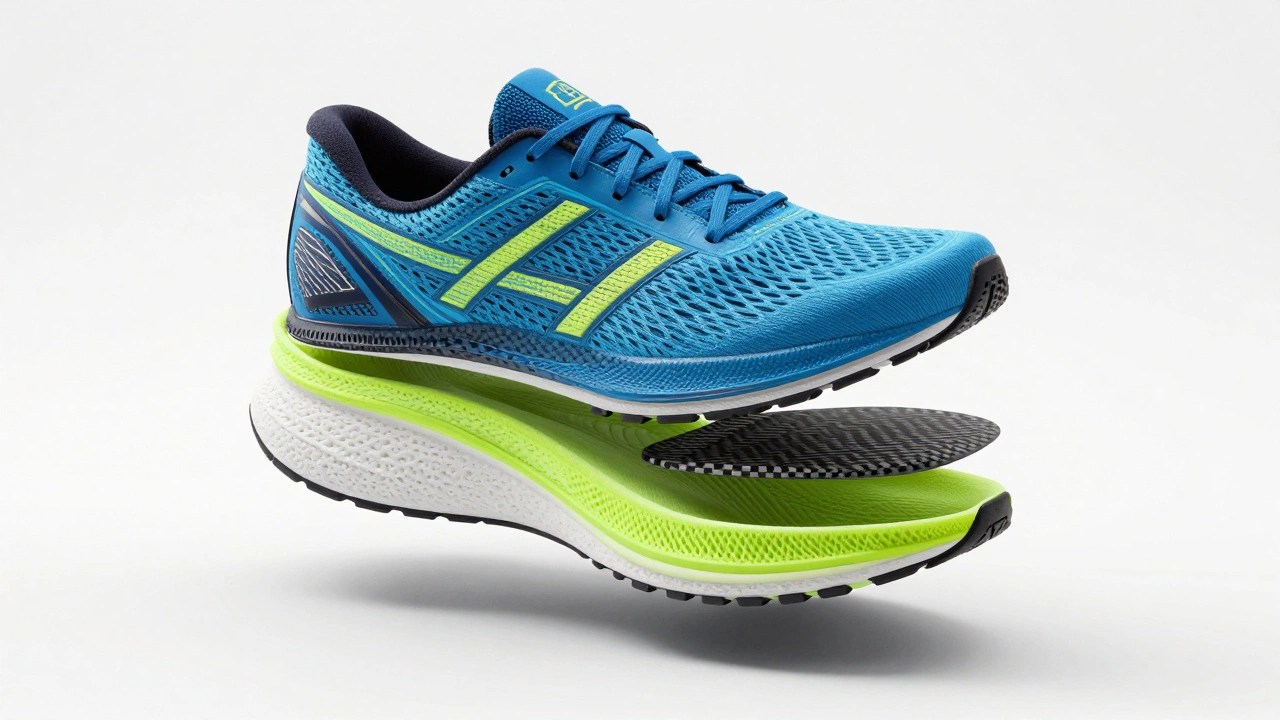
Some runners find max-cushion shoes too slow or sluggish. They want comfort, but they also want to feel fast. This is where "daily trainers" come in. These shoes offer a middle ground: enough cushioning to protect your legs, but enough firmness to propel you forward.
The Nike Pegasus 41 is a versatile daily trainer utilizing ReactX foam and a durable rubber outsole continues to dominate this space. Why? Because it works for everyone. Whether you are jogging 3 miles or pushing a 10k tempo, the Pegasus adapts. The ReactX foam is 13% more sustainable than previous iterations while maintaining that bouncy, responsive feel. It is not the softest shoe, but it is arguably the most consistent. You never have to think about it; you just put them on and run.
For those who prefer a more European engineering approach, the Saucony Ride 17 is a balanced daily trainer with PWRRUN PB foam and a lightweight design is a fantastic alternative. Saucony uses a mix of soft and firm foam zones to guide your foot. The upper is incredibly thin and breathable, making it perfect for summer runs. It feels light on your foot, reducing the sensation of dragging weight around with each stride.
Stability Without Sacrificing Feel
If you overpronate-meaning your feet roll inward excessively when you land-you might assume you need a rigid, structured stability shoe. Historically, these were uncomfortable because they relied on hard plastic posts inside the midsole. In 2026, however, brands have adopted "guide rails" or "dual-density foam" to correct your alignment softly.
The Brooks Ghost 16 is a neutral-to-stability hybrid shoe featuring DNA LOFT v2 cushioning and a segmented crash pad is a legend for a reason. While technically classified as neutral, its geometry provides inherent stability that helps many mild overpronators feel secure. The ride is smooth, predictable, and reliable. It lacks the flashy tech of some competitors, but that simplicity is its strength. It rarely causes hot spots or blisters.
For more significant pronation issues, the Hoka Arahi 7 is a stability running shoe using J-Frame technology to support overpronation without adding excessive weight is the way to go. Instead of a hard post, Hoka removes foam on the medial side to create a supportive frame. This keeps the shoe light and flexible while still preventing your arch from collapsing. It feels surprisingly similar to the neutral Bondi, making it a comfortable option for those who previously dreaded wearing stability shoes.
How to Choose the Right Pair for You
Even the best-reviewed shoe can cause pain if it does not match your anatomy. Here is a quick checklist to ensure you pick the right one:
- Measure Both Feet: Your feet are rarely the same size. Measure them in the evening when they are slightly swollen. Always buy based on the larger foot.
- Check the Toe Box: There should be a thumb’s width of space between your longest toe and the end of the shoe. Your toes need room to splay during impact.
- Consider Your Surface: If you run mostly on trails, even a small amount of mud or gravel can wear down road-specific rubber quickly. Look for shoes with deeper lugs if you venture off-pavement.
- Test the Heel Lock: Walk around the store. If your heel slips up and down, the shoe is too big or the shape doesn't match your heel bone. Slippage leads to blisters.
Also, consider the lifespan of the shoe. Most running shoes lose their cushioning effectiveness after 300 to 500 miles. If you run 20 miles a week, you will need a new pair every 3 to 4 months. Don’t wait until they fall apart; replace them when the foam starts to feel flat or unresponsive.
Budget vs. Premium: Is It Worth the Extra Cash?
You might notice that many of the top comfort picks cost upwards of £150 or $160. Does that mean cheaper shoes are bad? Not necessarily. Brands like Adidas Supernova Rise is an affordable entry-level running shoe offering Lightstrike cushioning at a lower price point provide solid performance for under £100. The foam technologies are similar to their premium lines, just perhaps not as refined or durable over thousands of miles.
If you are a casual runner logging less than 15 miles a week, a budget-friendly option will serve you well. The comfort difference between a £100 shoe and a £160 shoe is marginal for short distances. Save the investment for if you are training for a marathon or running daily on hard asphalt. In those cases, the extra cushioning and durability pay for themselves in prevented injuries.
What is the most comfortable running shoe for wide feet?
The New Balance Fresh Foam X 1080v13 is widely regarded as the best choice for wide feet due to its spacious toe box and available wide sizes. Other good options include the Brooks Ghost 16 and ASICS Gel-Nimbus 26, both of which offer generous fits compared to narrower brands like Nike.
Are expensive running shoes really more comfortable?
Not always. Expensive shoes often use advanced foams that last longer and provide better energy return, which can reduce fatigue over long distances. However, for short runs or casual jogging, mid-range shoes often provide nearly identical comfort levels. Comfort is subjective and depends more on fit than price.
How do I know if my running shoes are worn out?
Look for visible wear patterns on the outsole, especially in the heel area. More importantly, pay attention to how the shoe feels. If the foam feels compressed, less bouncy, or if you start experiencing new aches in your knees or shins, it is likely time for a replacement. A general rule is to replace shoes every 300-500 miles.
Should I choose a high-drop or low-drop shoe for comfort?
If you have Achilles tendonitis or calf tightness, a higher drop (8-10mm) like the ASICS Gel-Nimbus 26 will be more comfortable as it reduces strain on the tendon. If you have strong calves and prefer a natural stride, a lower drop (4-6mm) like the Hoka Bondi 8 may feel more comfortable. Start with what matches your current habits to avoid injury.
What is the best running shoe for beginners?
Beginners benefit most from versatile, durable daily trainers. The Nike Pegasus 41 and Brooks Ghost 16 are excellent choices because they offer a balance of cushioning and stability, helping new runners develop good form without overwhelming them with specialized features.