
Best Starter Running Shoes for Beginners in 2026: A Complete Guide
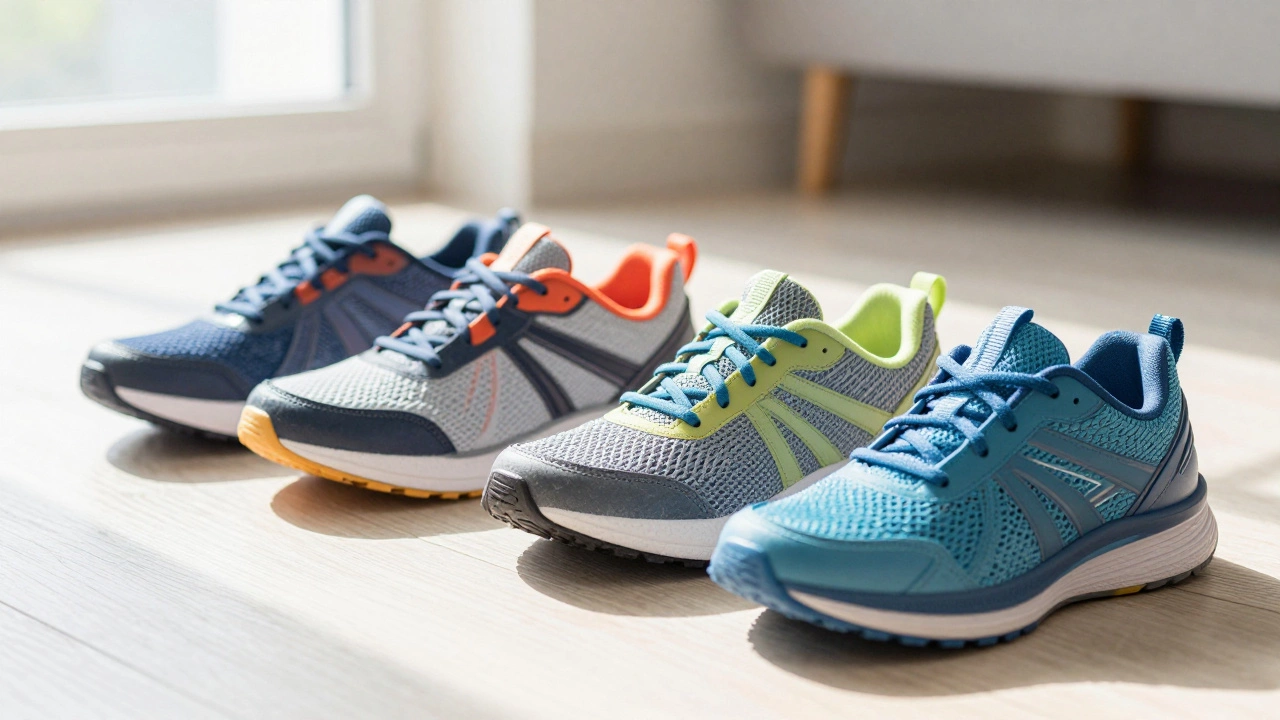
Find Your Perfect Starter Running Shoe
Get personalized recommendations based on biomechanics and expert advice.
Your Recommended Shoe Profile
Shoe Type:
Recommended Drop:
Heel-to-toe height difference ideal for your level.
Top Model Pick:
There is a specific kind of dread that comes with walking into a running store. You are surrounded by hundreds of colorful shoes, each claiming to be the lightest, fastest, or most cushioned option on the market. For a new runner, this choice paralysis is real. You do not need the latest carbon-plated racing shoe designed for marathon world records. You need something durable, comfortable, and forgiving enough to help you build a habit without injuring your shins or knees.
Finding the right starter running shoe is less about brand loyalty and more about biomechanics and consistency. The best shoe for you is the one that fits your foot shape, supports your natural stride, and encourages you to lace up again tomorrow. This guide cuts through the marketing noise to help you identify exactly what you need for your first few hundred miles.
The Anatomy of a Beginner's Shoe
Before looking at specific models, you need to understand the three pillars that make a good entry-level trainer. Manufacturers categorize shoes based on stability, cushioning, and drop. Getting these basics right prevents the most common beginner mistake: buying shoes that are too stiff or too unstable.
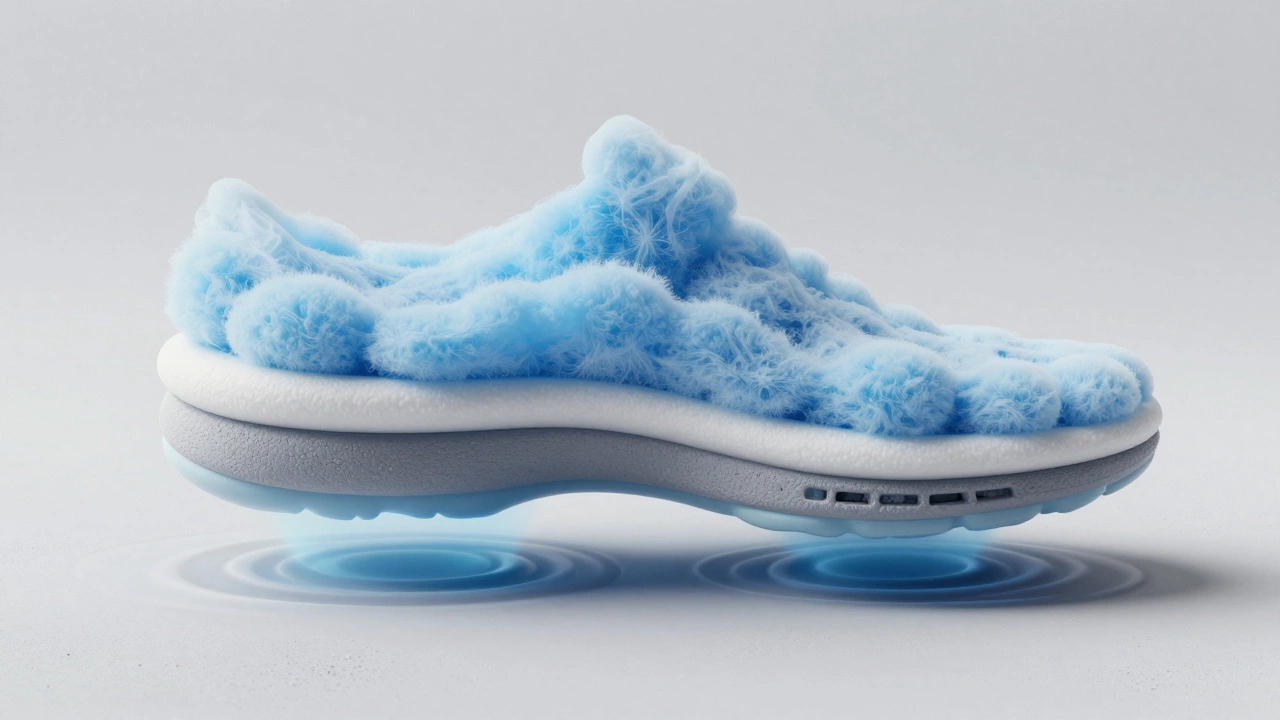
Cushioning refers to the midsole material between your foot and the ground. For beginners, maximum cushioning is usually the safest bet as it absorbs impact forces that your muscles and joints are not yet conditioned to handle. Materials like EVA foam, polyurethane, and newer nitrogen-infused foams provide varying levels of softness and responsiveness.
- Stability: Most beginners have a neutral gait, meaning their foot lands evenly. However, if your ankles roll inward excessively (overpronation), you may need a stability shoe with a denser medial post to keep your leg aligned. If you are unsure, start with a neutral shoe; they are versatile and lighter.
- Heel-to-Toe Drop: This is the height difference between the heel and the forefoot. A high drop (8-12mm) takes pressure off the Achilles tendon and calf, making it ideal for new runners who might spend more time jogging slowly. A low drop (0-4mm) requires stronger calves and ankles. Stick to an 8-10mm drop for your first pair.
- Durability: Starter shoes should last 300-500 miles. Look for reinforced rubber outsoles in high-wear areas like the heel and ball of the foot.
Top Picks for Neutral Runners
If you do not have flat feet or significant overpronation, a neutral daily trainer is your best friend. These shoes offer a balance of protection and flexibility. Here are the standout options available in 2026 that consistently rank highest for new runners.
| Shoe Model | Best Feature | Drop (mm) | Weight (approx.) | Ideal For |
|---|---|---|---|---|
| Brooks Ghost 16 | Reliable, smooth ride | 12 | 275g (Men) | Daily easy runs, long walks |
| New Balance Fresh Foam X 1080v14 | Plush, premium comfort | 6 | 262g (Men) | Wide feet, recovery runs |
| ASICS Gel-Nimbus 26 | Superior shock absorption | 8 | 290g (Men) | Heavier runners, joint protection |
| Saucony Ride 18 | Versatile all-rounder | 8 | 255g (Men) | Mixed pace training |
The Brooks Ghost 16 remains a staple because it does nothing wrong. It features DNA LOFT v2 cushioning which provides a soft but responsive feel. It is not flashy, but it protects your legs mile after mile. The New Balance Fresh Foam X 1080v14 offers a wider toe box, which is crucial if your toes splay naturally when you run. Many beginners find standard narrow shoes painful after just ten minutes; New Balance solves this.
For those concerned about joint pain, the ASICS Gel-Nimbus 26 uses FF BLAST PLUS ECO cushioning combined with traditional gel technology in the heel. It feels like running on clouds, though it is slightly heavier than its competitors. Weight matters less for beginners than comfort, so do not shy away from the extra grams if it means less pain.
Choosing the Right Fit: Beyond Size
Your running shoe size is often different from your casual sneaker size. Feet swell during exercise due to increased blood flow and heat. If you buy a shoe that fits snugly in the store, it will likely cause black toenails or blisters within five miles.
- The Thumb Rule: Stand up in the shoe with your weight evenly distributed. You should have about a thumb’s width (roughly half an inch or 1.25 cm) of space between your longest toe and the end of the shoe.
- Width Matters: If the sides of your foot bulge over the midsole, the shoe is too narrow. Look for brands that offer wide (2E) or extra-wide (4E) versions. New Balance and Brooks are leaders in width variety.
- The Heel Lock: Lace your shoes tightly around the ankle area. Your heel should not slip up and down when you walk. Slippage causes friction blisters. Use the "runner’s loop" lacing technique if standard lacing leaves gaps.
- Afternoon Shopping: Always try on shoes in the late afternoon or evening. Your feet are at their largest at this time of day, ensuring a fit that works even when your feet are swollen from activity.
Common Mistakes New Runners Make
Buying the wrong shoe is only one part of the equation. How you use the shoe also determines your success. Avoid these pitfalls to extend the life of your gear and keep your body healthy.
- Wearing Old Shoes: Foam breaks down over time, losing its ability to absorb shock. Even if the tread looks fine, replace your shoes every 300-500 miles. If you run 20 miles a week, that is roughly every 4-6 months.
- Ignoring Surface: Road running shoes are designed for asphalt and concrete. Do not use them on technical trails. The lack of grip and protection can lead to slips and ankle sprains. If you plan to run on dirt paths, look for trail-specific shoes with aggressive lugs.
- Buying Too Expensive: You do not need a £200 shoe to start. High-end super shoes with carbon plates are designed for elite racers and can actually destabilize a beginner’s form. Stick to the £100-£140 range for your first pair.
- Skip the Break-In Period Myth: Modern running shoes should feel good from the first step. If they hurt immediately, they will not get better. Do not try to "break them in"; return them and try a different model.
When to See a Professional
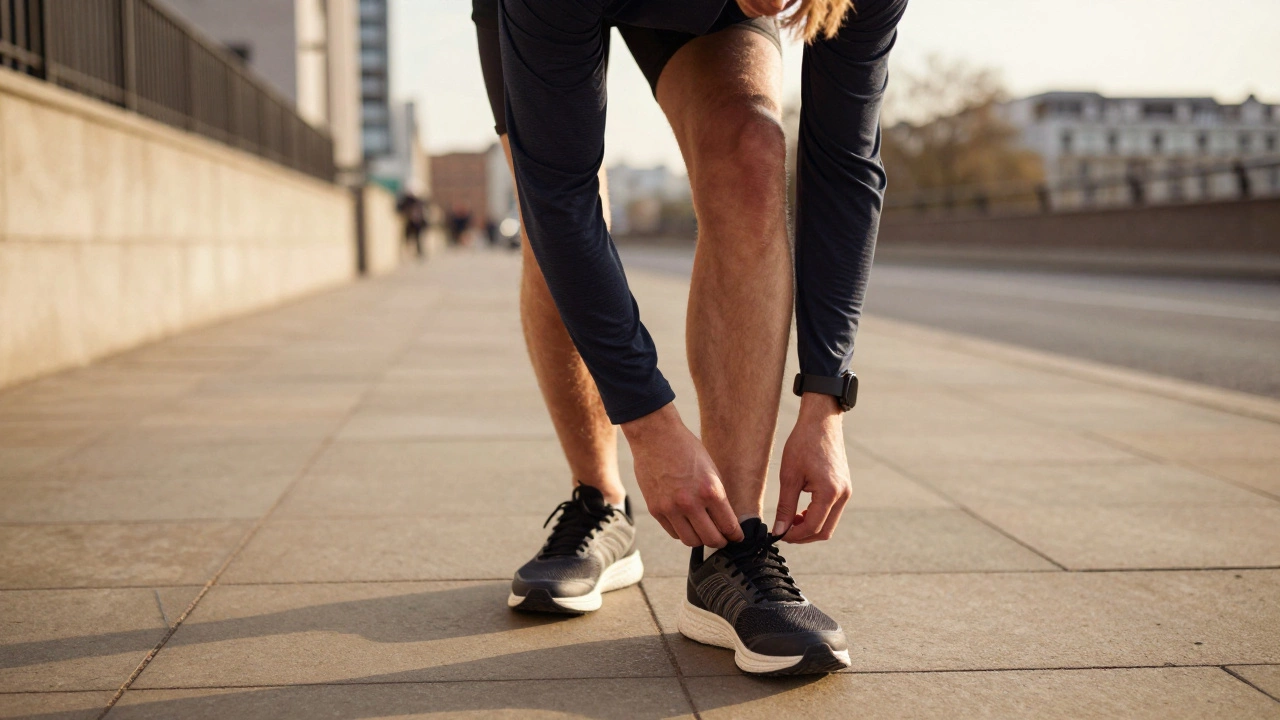
While self-selection works for many, some runners benefit from a gait analysis. Specialty running stores in cities like Bristol, London, and Manchester often offer free video gait analyses. They place you on a treadmill, record your stride from multiple angles, and recommend shoes based on how your foot strikes the ground.
This is particularly useful if you have a history of knee pain, plantar fasciitis, or shin splints. A specialist can determine if you need motion control shoes rather than simple neutral trainers. However, for the average healthy individual starting out, trying on several popular neutral models is sufficient.
Maintaining Your Investment
Treat your shoes well, and they will treat you well. Store them in a cool, dry place away from direct sunlight, which can degrade the foam. Air them out after each run to reduce moisture and odor. Rotate between two pairs if you run frequently; this allows the foam to decompress and recover its shape between uses. Never wash your running shoes in a washing machine; hand clean the uppers with a damp cloth and mild soap instead.
What is the best brand for beginner running shoes?
There is no single "best" brand, as fit is highly individual. However, Brooks, ASICS, New Balance, and Saucony are widely regarded as the top choices for beginners due to their consistent sizing, durability, and focus on comfort over speed. Nike and Adidas also produce excellent entry-level trainers, but their sizing can vary more between models.
Should I buy stability or neutral shoes?
Start with neutral shoes unless you have been diagnosed with severe overpronation or have a history of related injuries. Most modern neutral shoes have enough inherent stability for everyday running. Stability shoes are heavier and can feel restrictive if you do not strictly need them. If you are unsure, a gait analysis at a specialty store can provide clarity.
How much should I spend on my first running shoes?
Aim for the £100 to £140 range. This price point ensures you get quality materials, adequate cushioning, and durability without paying for unnecessary high-tech features like carbon plates. Spending less than £80 often results in cheaper foam that breaks down quickly, while spending more than £150 is rarely justified for a beginner.
Can I use gym sneakers for running?
It is not recommended. Gym shoes are designed for lateral movement and stability during weightlifting, making them stiff and heavy. Running shoes are designed for forward motion, offering cushioning and flexibility in the forefoot. Using gym shoes for running increases the risk of shin splints and knee pain due to inadequate shock absorption.
How do I know if my running shoes are worn out?
Check the mileage first; most shoes last 300-500 miles. Physically, look for compressed foam that no longer bounces back, uneven wear patterns on the outsole, or tears in the upper mesh. If you start feeling unexplained joint pain or fatigue in familiar areas, your shoes may have lost their protective properties.