
Boxing Exhibition vs. Professional Fight: Key Differences Explained
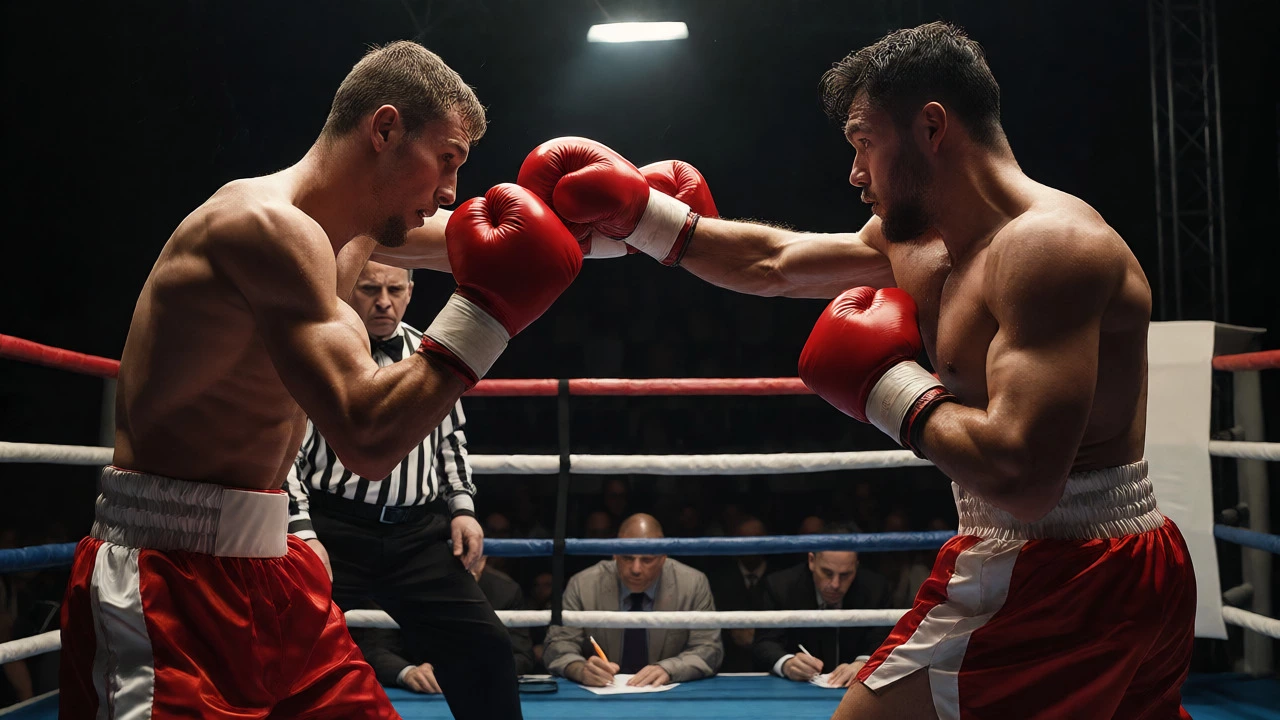
Boxing Format Identifier
Not sure what you're watching? Select the category below to see the key differences in rules, safety, and stakes.
High Stakes
Titles & RecordsShowcase
No Record ImpactDevelopment
Olympic StyleKey Characteristics
Safety & Equipment
You’re watching a boxing match on TV. The fighters are moving around the ring, throwing punches, but something feels... off. There’s no referee stopping the action for knockdowns in the same way, or maybe the gloves look thicker than usual. You might be asking yourself, "What is the difference between a boxing exhibition and a fight?"
This isn’t just a semantic game. Understanding the distinction changes how you judge performance, safety, and even betting odds (if you’re into that). An exhibition is not simply a "practice match." It is a distinct category of combat sport with its own rules, risks, and purposes. Meanwhile, a professional fight is the bread and butter of the sport, where titles, money, and legacies hang in the balance.
The Core Distinction: Competition vs. Demonstration
At its heart, the difference lies in the objective. A Professional Boxing Match is a competitive contest governed by strict regulatory bodies like the WBC, WBA, IBF, or WBO. The goal is to win by knockout, technical knockout, or decision based on scored points. Every punch counts toward a result that gets recorded on a fighter’s official record.
An Exhibition Bout, however, is a non-competitive demonstration. While two boxers step into the ring and throw punches at each other, the outcome does not affect their professional records. These bouts are often used for training, promotion, or charity events. Think of it as a sparring session made public, but with an audience and sometimes specific constraints.
Why does this matter? Because if you treat an exhibition like a real fight, you’ll misjudge a boxer’s current form. A legend returning from retirement might look rusty in an exhibition because they aren’t trying to win-they’re trying to stay safe while giving fans a show.
Rules and Regulations: Where They Diverge
If you think the rules are identical except for the scoreboard, you’re missing key nuances. Regulatory commissions (like the Nevada State Athletic Commission or the British Boxing Board of Control) oversee professional fights. Exhibitions often operate under looser guidelines, though major promotions still enforce safety standards.
| Feature | Professional Fight | Exhibition Bout |
|---|---|---|
| Record Impact | Affects win/loss/draw record | No impact on official record |
| Gloves Weight | 8oz (heavyweight), 10oz (lighter) | Often 14oz-16oz for safety |
| Headgear | Not allowed | Optional or required (amateur style) |
| Knockdown Rule | Referee count mandatory | May allow continue after knockdown |
| Judging | 3 judges score every round | No official scoring; crowd reaction matters |
Notice the glove weight. In pro fights, smaller gloves mean more damage potential. Exhibitions frequently use heavier gloves (14oz or 16oz) to reduce the risk of cuts and concussions. This makes the action slower and less brutal, which aligns with the "showcase" nature of the event.
Why Do Fighters Choose Exhibitions?
You might wonder, why would a serious athlete step into the ring without a title on the line? Several reasons come into play:
- Ring Rust Removal: After a long layoff, a fighter needs to regain timing and distance management. An exhibition provides live opposition without the pressure of a loss.
- Promotional Hype: A high-profile name can draw attention to an undercard. Imagine Mike Tyson fighting Roy Jones Jr. in 2020. It wasn’t about who was better; it was about getting people to watch the pay-per-view.
- Charity and Legacy: Retired legends often do exhibitions to raise money or reconnect with fans. They don’t want to risk a knockout that could tarnish their legacy.
- Testing New Styles: Coaches might use exhibitions to try out new defensive tactics against live resistance without risking a bad decision loss.
For example, when Floyd Mayweather announced his return against Logan Paul in 2021, it was explicitly billed as an exhibition. Mayweather knew he couldn’t afford a loss on his record. If he’d been dropped, his perfect 50-0 record would have remained intact, but the narrative would have shifted. Instead, he controlled the pace, threw fewer punches than expected, and walked away with a check and his ego unscathed.
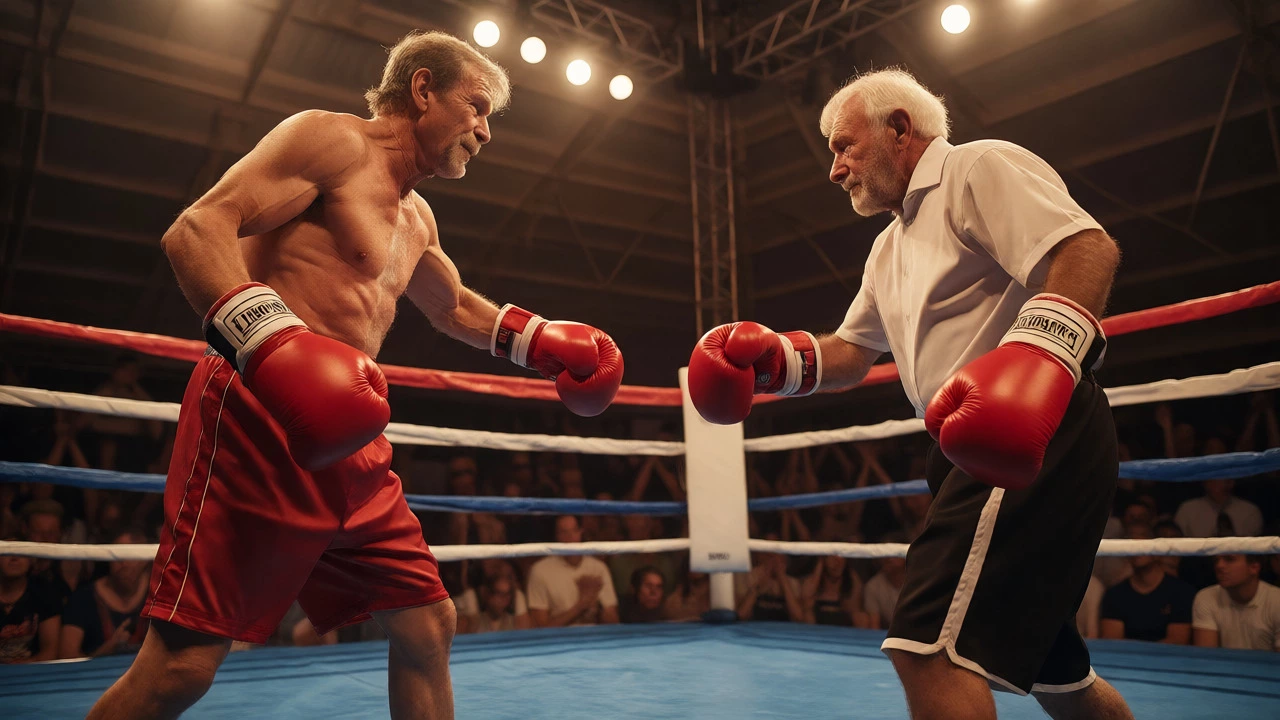
The Role of the Referee and Judges
In a professional fight, the referee is the ultimate authority on safety. If a fighter is hurt, the ref stops it. Judges score rounds based on clean punching, effective aggression, ring generalship, and defense. Their decisions can be controversial, leading to rematches or legal challenges.
In an exhibition, the dynamic shifts. Often, there are no judges. The "winner" is declared by fan vote or simply left ambiguous. The referee’s role becomes more advisory. They might stop the fight if a fighter is taking too much punishment, but they won’t necessarily enforce a ten-count in the same rigid way. Some exhibitions allow a fighter to continue after being knocked down, provided they pass a quick neurological check. This flexibility is designed to keep the entertainment value high while minimizing catastrophic injury.
Consider the difference in intensity. In a pro fight, a fighter will push through pain to win a close round. In an exhibition, they might pull back to avoid a cut that would end the night early. The intent changes everything.
Safety Protocols and Medical Checks
Both formats require medical clearance, but the stakes differ. For a professional fight, pre-fight MRIs and blood tests are mandatory in many jurisdictions to rule out underlying conditions. Post-fight suspensions are automatic if a fighter takes significant head trauma.
Exhibitions may bypass some of these stringent requirements depending on the commission overseeing the event. However, reputable promoters still insist on physicals. The main safety tweak is the equipment. Using larger gloves and sometimes headgear reduces the immediate risk of facial fractures and eye injuries. But let’s be clear: boxing is always dangerous. An exhibition is safer, not safe. Fighters can still get concussed or suffer soft tissue damage.
If you’re watching an exhibition, look for signs of caution. Are the fighters keeping their hands up? Are they circling rather than trading blows? These are tells that they’re prioritizing longevity over glory.

Betting and Fan Engagement
Here’s where things get tricky for fans. Can you bet on an exhibition? Usually, no. Most sportsbooks refuse to take bets on exhibitions because the lack of official judging and the variable rules make outcomes unpredictable and potentially manipulated for entertainment. If you see odds listed for an "exhibition," double-check the fine print. Sometimes, promotional events blur the lines, but generally, your money stays in your pocket for these bouts.
For fans, the experience is different too. Pro fights are tense. Every round has consequence. Exhibitions are more relaxed. You’re watching athletes perform, similar to a basketball all-star game versus a playoff final. The atmosphere is celebratory rather than combative. This doesn’t mean it’s boring-Tyson vs. Jones Jr. drew massive viewership-but manage your expectations regarding competitiveness.
Amateur Boxing: The Third Category
To fully grasp the landscape, we must mention Amateur Boxing. This is distinct from both pro fights and exhibitions. Amateur boxing (now often called Olympic-style boxing) uses headgear (historically), lighter gloves, and a point-scoring system focused on landing clean hits rather than damage. It’s highly regulated and serves as the pipeline for future professionals.
While exhibitions share the "non-record" aspect with amateur bouts in terms of career trajectory (for pros), the intent differs. Amateurs are competing for medals and development. Exhibitions are commercial products for established stars. Don’t confuse an amateur tournament final with a celebrity exhibition match. The skill level, conditioning, and strategic depth vary wildly.
How to Tell Which One You’re Watching
Next time you tune in, use this quick checklist to identify the format:
- Check the Record: Does the announcer mention that a win adds to the fighter’s tally? If yes, it’s likely a pro fight.
- Look at the Gloves: Are they bulky and padded? Likely an exhibition or amateur bout. Small, tight gloves? Pro fight.
- Listen for Judges: Are three judges seated ringside with scorecards? Pro fight. No judges? Exhibition.
- Watch the Knockdowns: If a fighter goes down, does the ref start counting immediately and strictly? Pro. If they help him up and let him continue? Exhibition.
- Read the Billing: Is it advertised as a "Title Fight" or "Non-Title Bout"? Those are pro. "Celebrity Match" or "Return Bout"? Often exhibition.
Understanding these cues helps you appreciate the context. You won’t criticize a retired legend for not pressing the attack if you know they’re protecting their health in a paid exhibition. You’ll also understand why a young prospect might dominate an older star in a pro fight-the hunger and conditioning are real, whereas the veteran might be coasting in a showcase.
Do exhibition fights count towards a boxer's professional record?
No, exhibition fights do not count towards a boxer's official professional record. Wins, losses, and draws are only recorded in sanctioned professional bouts. Exhibitions are considered non-competitive demonstrations.
Are exhibition matches safer than professional fights?
Generally, yes. Exhibitions often use larger gloves (14oz or 16oz) and may allow headgear, reducing the risk of cuts and severe impact. Additionally, fighters typically prioritize safety over winning, leading to less aggressive exchanges.
Can you bet on boxing exhibitions?
Typically, no. Most major sportsbooks do not offer betting markets for exhibition bouts due to the lack of official judging and standardized rules. Outcomes are often determined by crowd reaction or mutual agreement rather than scored points.
Why do famous boxers participate in exhibitions?
Famous boxers participate in exhibitions for several reasons: to generate income without risking their legacy, to test their skills after retirement, to promote upcoming events, or to support charitable causes. It allows them to remain active in the public eye with lower physical stakes.
What is the difference between amateur and exhibition boxing?
Amateur boxing is a competitive sport with strict rules, headgear, and point-based scoring aimed at developing talent for the Olympics or pro ranks. Exhibition boxing involves established professionals engaging in non-competitive bouts for entertainment, usually without headgear and with no effect on records.