
Can Air Force 1 Be Used for Running? The Real Truth About Nike’s Iconic Sneaker
Running Shoe Risk Calculator
This calculator estimates your risk of injury when using Air Force 1s for running based on your usage patterns. Results reflect scientific evidence from the article.
Your Running Profile
How It Works
Based on scientific evidence from the article: Air Force 1s are 40% heavier than running shoes, have minimal arch support, and lack proper cushioning. Your risk increases with:
- Distance over 3 miles
- Frequency over 3 times/week
- Duration over 25 minutes
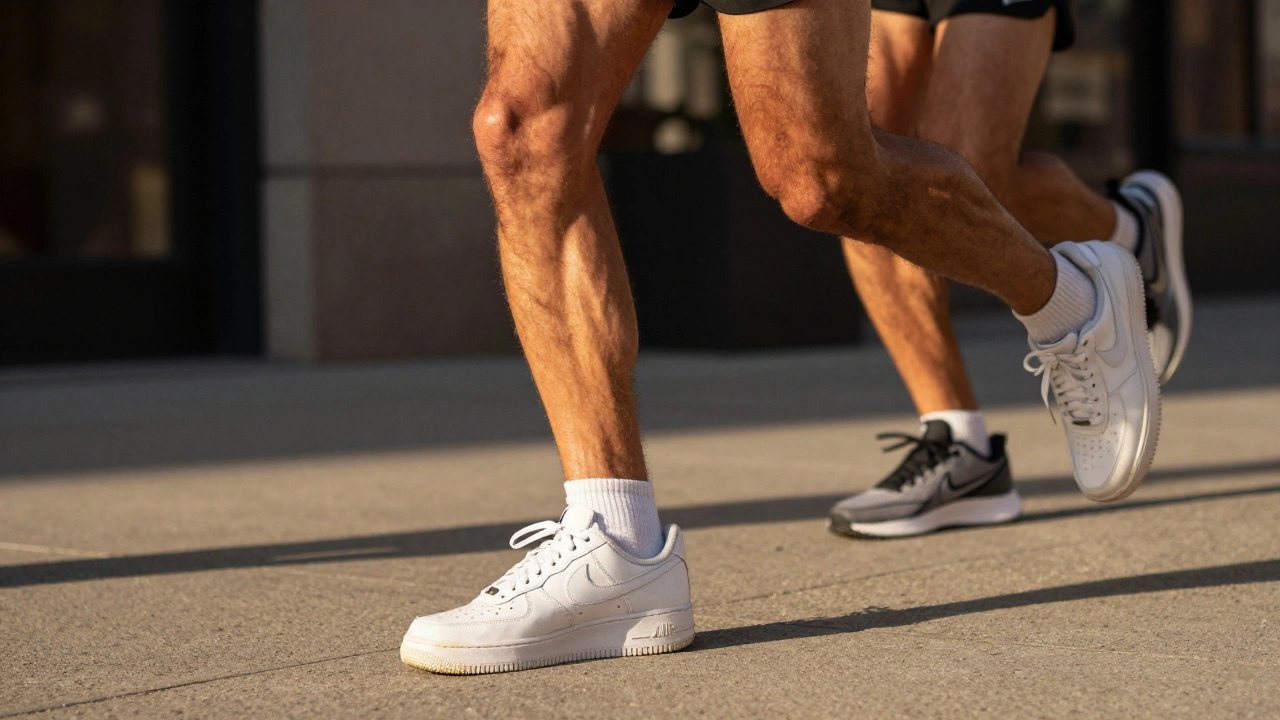
People ask if you can run in Air Force 1s all the time. You see them on sidewalks, at the gym, even in park runs. They look cool. They’re comfortable. But can they actually do the job? The short answer: no-not if you care about your feet, joints, or long-term performance.
What Makes a Shoe Good for Running?
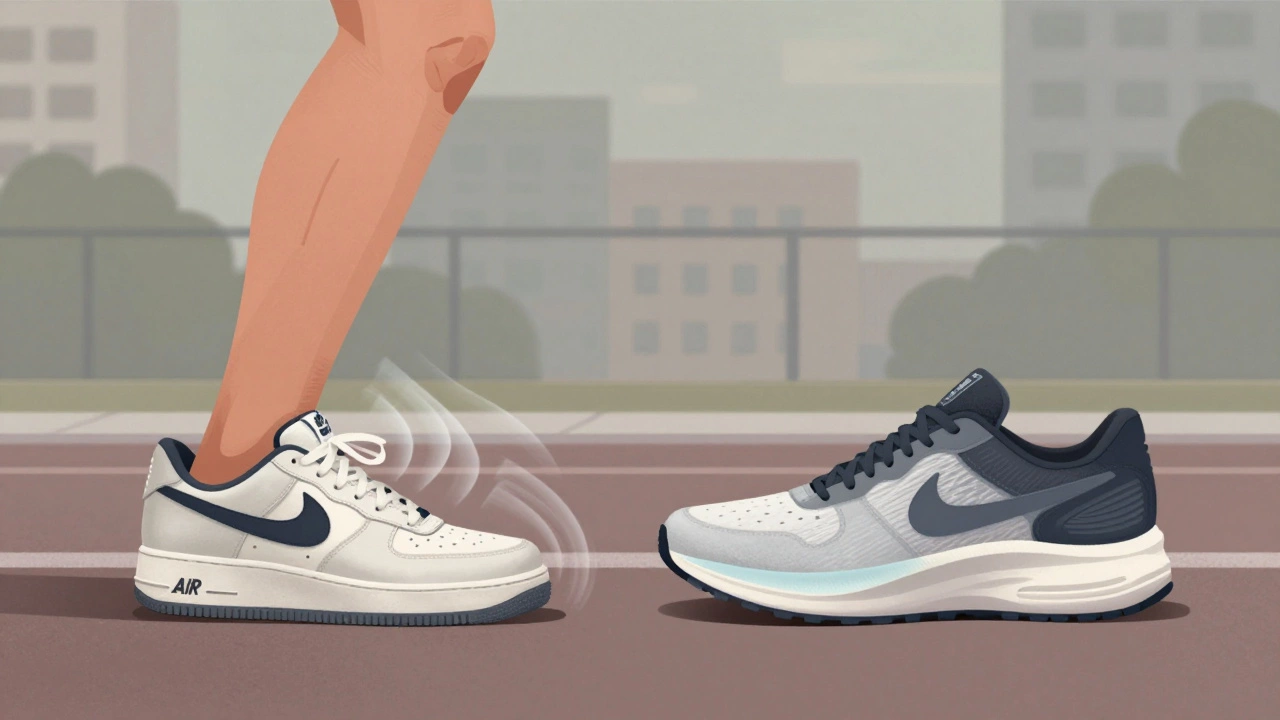
Running isn’t walking. It’s impact. Every step sends three to five times your body weight through your feet. That’s why running shoes have specific features: cushioning to absorb shock, arch support to stabilize your gait, flexible soles to let your foot roll naturally, and a lightweight build to reduce fatigue. Compare that to what’s in an Air Force 1.
The Air Force 1 was designed in 1982 as a basketball shoe. Its sole is thick, rigid, and packed with air units meant to cushion jumps and landings on hardwood courts-not the repetitive pounding of asphalt or trails. The upper is made of heavy leather and synthetic materials, not breathable mesh. The heel is high and stiff, locking your foot in place for lateral movement, not forward motion.
Running shoes are engineered around biomechanics. Air Force 1s are engineered around style.
Why People Think They Can Run in Air Force 1s
It’s not crazy to ask. The Air Force 1 feels cushioned. The midsole looks plush. And honestly? If you’ve only ever run short distances-like a quick loop around the block-you might not notice the difference. That’s the trap.
Most people who say they run in Air Force 1s aren’t logging miles. They’re doing 2-3 mile casual jogs, or they’re using them for gym workouts, errands, or just because they like how they look. And sure, you can do that. But if you’re trying to train for a 5K, 10K, or marathon? You’re asking for trouble.
There’s a difference between “I can walk in these” and “These are built for running.”
The Real Risks of Running in Air Force 1s
Let’s get specific. Here’s what happens when you regularly run in Air Force 1s:
- Increased risk of plantar fasciitis-The arch support is flat and rigid. Your foot’s natural arch collapses with each step, straining the tissue underneath.
- Knee and hip pain-The lack of shock absorption means impact travels up your leg. Studies from the Journal of Orthopaedic & Sports Physical Therapy show that shoes with poor cushioning increase joint stress by up to 22% compared to performance running shoes.
- Slower recovery times-Heavy shoes (Air Force 1s weigh around 14 oz per shoe) make every stride harder. That extra weight adds fatigue, which leads to poor form and injury.
- Worn-out soles faster-The rubber outsole isn’t designed for abrasion from pavement. You’ll see cracking and flattening after 100-150 miles, way before a running shoe would.
One runner from Austin, Texas, told a local running group she ran 10 miles a week in her Air Force 1s for six months. By month four, she had sharp pain in her right heel. A podiatrist diagnosed her with plantar fasciitis and told her the shoes were the main cause. She switched to a pair of Nike Pegasus and was back running pain-free in three weeks.
What Should You Wear Instead?
Not all running shoes are the same. If you’re looking for something with similar style to the Air Force 1, here are better options:
- Nike Pegasus-The most popular running shoe in the world. Lightweight, responsive, durable. Looks clean. Comes in black, white, and muted tones.
- Adidas Ultraboost-Cushioned like a cloud. The heel counter feels supportive without being stiff. Great for daily training.
- New Balance Fresh Foam 1080-If you want maximum cushion without bulk. Feels luxurious underfoot.
- On Cloud 5-A newer option with a sleek, minimalist look. Very light. Feels like you’re floating.
These shoes all have the same things Air Force 1s lack: responsive foam, a flexible forefoot, a lower heel-to-toe drop (8mm or less), and breathable uppers. They’re built for forward motion, not standing still.
Can You Ever Use Air Force 1s for Light Jogging?
If you’re asking because you want to go for a slow 2-mile jog on the weekend and you don’t have anything else-sure. Do it once. But don’t make it a habit. Your body will thank you later.
There’s no rule that says you can’t wear whatever you want. But there’s a difference between fashion and function. If you care about staying injury-free, keeping your runs enjoyable, and improving over time, then your shoes matter.
Think of it like this: you wouldn’t use a basketball to play tennis. You wouldn’t use a hiking boot to sprint on a track. Why use a shoe built for standing and jumping to run 10 miles?
What About the Air Force 1 Low vs. High?
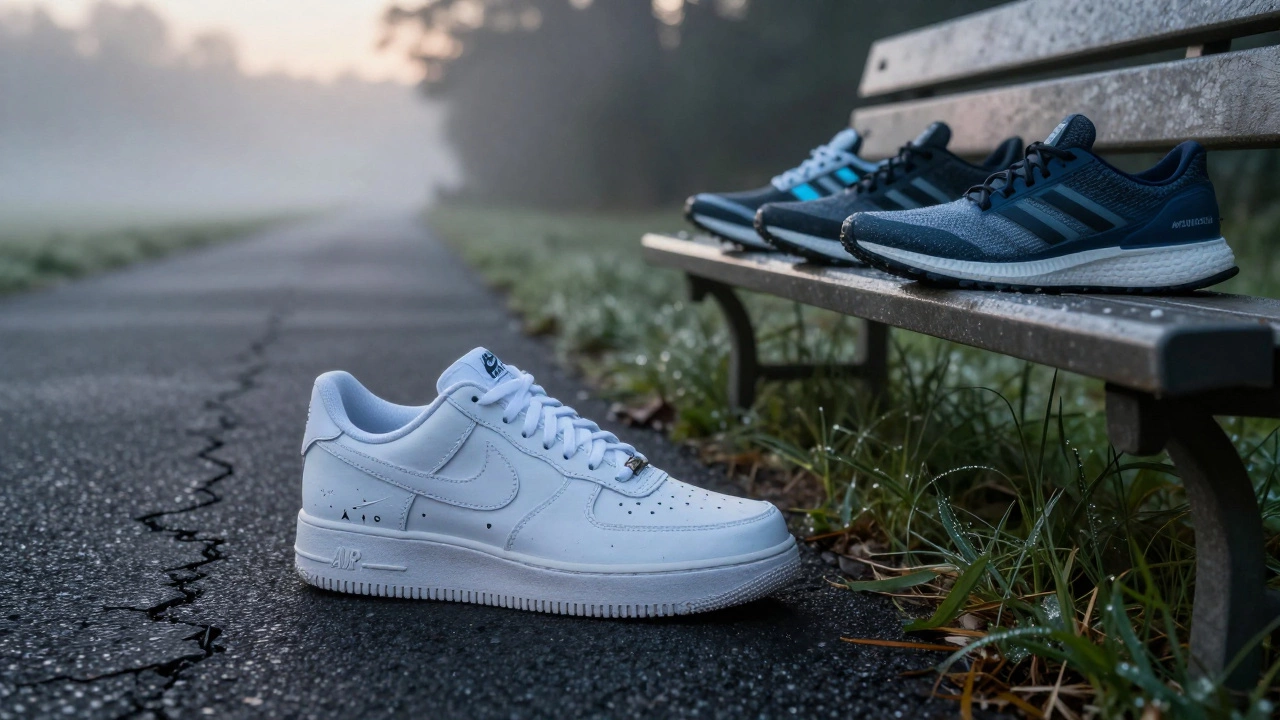
Some people think the low-cut version might work better. It’s slightly lighter, sure. But the midsole is the same. The cushioning is still too soft and unresponsive. The heel still doesn’t flex. The weight? Still too high.
The low-top Air Force 1 weighs about 13.5 oz. A Nike Pegasus 40 weighs 9.8 oz. That’s almost a pound of extra weight per pair. Over 10 miles, that’s like carrying a backpack full of books. Your legs will feel it.
Bottom Line: Style vs. Science
The Air Force 1 is a cultural icon. It’s worn by athletes, artists, and everyday people. It’s timeless. But it was never meant to be a running shoe. Trying to make it one is like trying to use a dress shoe for rock climbing.
If you love the look, go for it-but keep it for walking, hanging out, or casual wear. Save your runs for shoes built to handle the job. Your knees, arches, and future self will thank you.
Can you run a 5K in Air Force 1s?
You technically can, but you shouldn’t. Running a 5K in Air Force 1s increases your risk of injury due to poor cushioning, lack of arch support, and excessive weight. Most runners who try it experience heel pain, arch fatigue, or knee discomfort within the first mile. A proper running shoe will make the experience smoother, faster, and safer.
Do Air Force 1s have good arch support?
No. The Air Force 1 has a flat, rigid insole with minimal contouring. It doesn’t support the natural arch of your foot, which can lead to overpronation and strain on the plantar fascia. Running shoes like the Nike Pegasus or Brooks Ghost have contoured midsoles designed specifically to guide your foot through a healthy stride.
Are Air Force 1s heavy for running?
Yes. A standard Air Force 1 weighs between 13.5 and 14 ounces per shoe. That’s about 40% heavier than most daily running shoes, which typically weigh between 8 and 10 ounces. Extra weight means more energy spent with every step, leading to quicker fatigue and altered running form.
How long do Air Force 1s last if used for running?
If you run regularly in them, the outsole will wear down in about 100-150 miles. Running shoes are designed to last 300-500 miles. The Air Force 1’s rubber compound isn’t made for pavement abrasion, and the midsole foam compresses quickly under repeated impact. You’ll lose cushioning long before the shoe looks worn out.
What’s the best Nike shoe for running if I like the Air Force 1 look?
The Nike Pegasus is your best bet. It has a clean, simple design with a low-profile silhouette similar to the Air Force 1. It comes in classic black and white colorways, and it’s lightweight, responsive, and built for daily running. Many runners say it’s the closest you can get to the Air Force 1 aesthetic without sacrificing performance.