
Can I Wear Normal Shoes for Running? A Runner's Guide
Running Shoe Safety Checker
Thinking about jogging in your everyday sneakers? Use this checker to see the potential risks before you hit the pavement.
Why does this matter?
Enter your details to analyze
your shoe suitability.
Quick Reference: Running vs. Casual
| Feature | Running Shoes | Normal/Casual Sneakers |
|---|---|---|
| Heel Drop | 8mm–12mm (Typical) | 0mm–6mm (Often Flat) |
| Cushioning | High-density, Responsive | Thin, Minimal Impact Protection |
| Flexibility | Bends at Ball of Foot | Stiff Sole or Bends Anywhere |
| Weight | Lightweight (200g–300g) | Varies (Often Heavier) |
| Support | Arch Support & Heel Counter | Minimal or None |
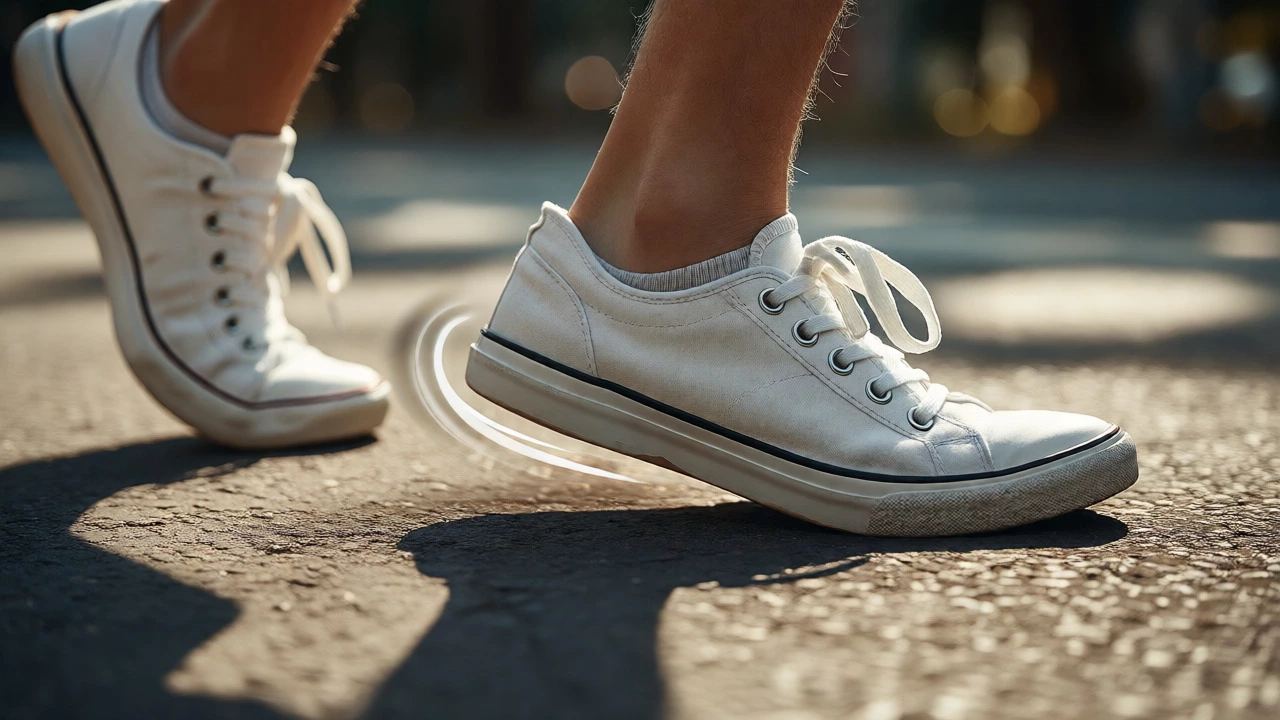
You’re standing in your front hall, lacing up a pair of clean white sneakers or maybe some sturdy trainers you bought for the office. You’ve decided to hit the pavement for a quick jog around the block. It seems harmless enough, right? Why spend £100 on specialized running shoes when these look fine and feel comfortable?
Here is the hard truth: you can wear them, but you probably shouldn’t if you want to run more than once or twice. The difference between "normal" shoes and proper running footwear isn't just marketing fluff; it’s physics and biology working against your feet. If you are thinking about starting a running habit or have been suffering from mysterious knee pain after your jogs, this guide will break down exactly why your everyday footwear might be sabotaging your progress.
The Physics of Impact: Why Your Feet Need Help
When you walk, one foot is always on the ground. When you run, there is a moment where both feet are in the air. Upon landing, your body absorbs forces equivalent to two to three times your body weight. For a 70kg runner, that means each step sends roughly 140kg-210kg of force through your legs.
Normal shoes, such as casual canvas sneakers or fashion trainers, are designed for low-impact activities like walking or standing. They lack the specific engineering required to dissipate this high-impact energy efficiently. Without adequate shock absorption, that force travels straight up your kinetic chain-from your toes to your ankles, knees, hips, and lower back. This is often the root cause of shin splints, plantar fasciitis, and runner’s knee.
Anatomy of a Running Shoe vs. Casual Footwear
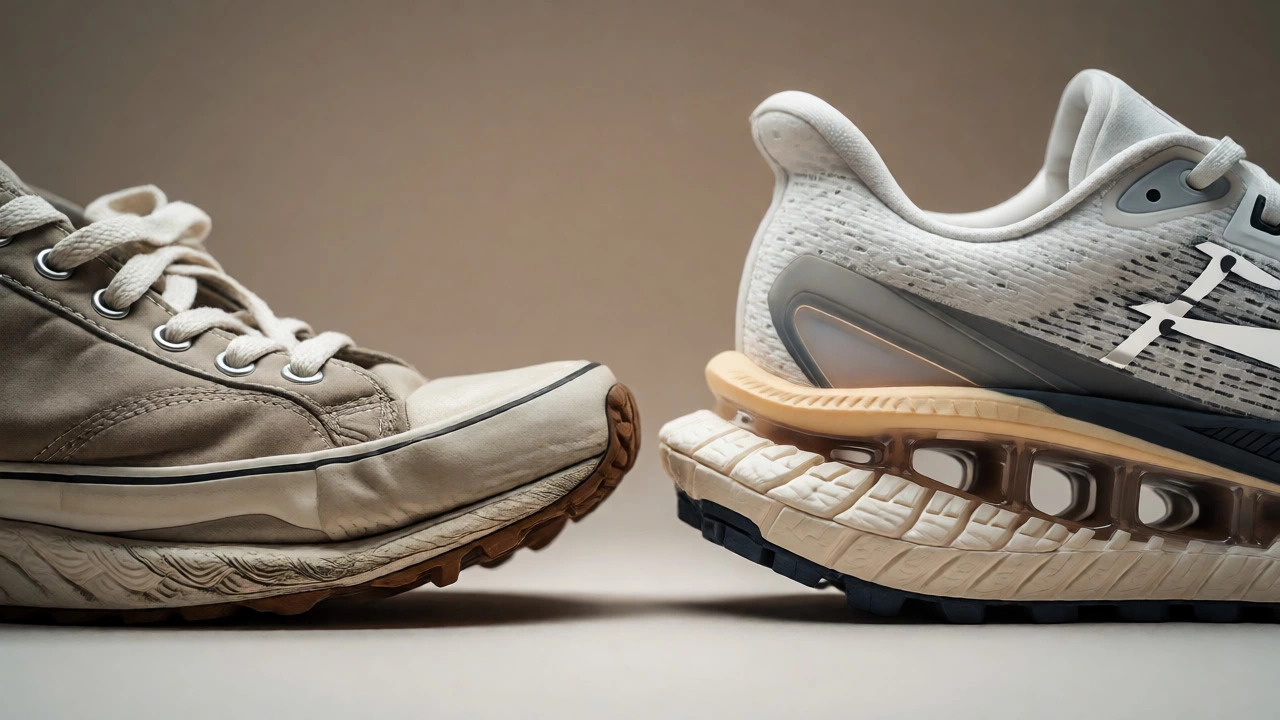
To understand why substitution fails, we need to look at what makes a running shoe different. It’s not just about looking sporty. Modern running shoes are complex pieces of equipment with distinct zones designed for forward motion.
Casual shoes typically feature flat soles made of rubber or thin foam. They offer little guidance to the foot. In contrast, running shoes utilize advanced midsole foams (like EVA or PU) and sometimes carbon plates to return energy to the runner. They also include heel counters-stiff plastic cups at the back of the shoe-to stabilize the rearfoot and prevent excessive rolling (pronation).
| Feature | Running Shoes | Normal/Casual Sneakers |
|---|---|---|
| Heel Drop | 8mm-12mm (typically) | 0mm-6mm (often flat) |
| Cushioning | High-density foam, responsive | Thin, minimal impact protection |
| Flexibility | Bends at the ball of the foot | Stiff sole, bends anywhere |
| Weight | Lightweight (200g-300g) | Varies, often heavier due to leather/canvas |
| Support Structure | Arch support, heel counter | Minimal or none |
The Risks of Wearing Non-Specific Footwear
If you ignore the design differences, you invite injury. Let’s look at the most common issues runners face when using inappropriate shoes.
Shin Splints: This is inflammation of the tissue along the shin bone. It’s notoriously painful and takes weeks to heal. It’s frequently caused by overloading the tibia because the shoe didn’t absorb enough shock. If you wear flat-soled Vans or Converse for a 5k run, your shins will likely let you know within a mile.
Achilles Tendon Strain: Most people naturally strike their heels first when jogging casually. Running shoes have an elevated heel (drop) to reduce the stretch on the Achilles tendon during this phase. Flat shoes force the tendon to work harder, leading to tightness and potential tears.
Lack of Stability: If you overpronate (your foot rolls inward excessively), casual shoes won’t correct this. Over time, this misalignment twists the knee joint, causing meniscus irritation or patellofemoral pain syndrome.
Exceptions: When Can You Get Away With It?
Is it ever okay to wear non-running shoes? Yes, but with strict caveats. Context matters significantly.
- Short Distances: If you are running less than 2km on soft grass or a treadmill, decent athletic trainers might suffice. The impact load is lower, and the surface is forgiving.
- Minimalist/Barefoot Style: Some runners intentionally choose thin, flexible shoes (like Vibram FiveFingers) to strengthen foot muscles. However, this requires a gradual transition period of months. Jumping into minimalist shoes without preparation is a recipe for stress fractures.
- Gym Workouts: If your "run" is actually interval training on a treadmill mixed with lifting, cross-trainers are acceptable. They offer lateral support for side-to-side movements, which pure running shoes lack.
How to Choose Your First Pair of Running Shoes
You don’t need the most expensive model. You need the right fit. Here is a practical checklist before you buy.
- Visit a Specialty Store: Avoid big-box sports stores if possible. Independent running shops often use video gait analysis. They watch you run on a treadmill to see how your foot strikes the ground. This data helps them recommend stability vs. neutral shoes.
- Fit for Swelling: Your feet swell when you run. Buy shoes with a thumb’s width of space between your longest toe and the end of the shoe. Never buy running shoes that feel snug in the store; they will hurt later.
- Check the Heel Lock: Slip your foot in. Does your heel slip out when you walk? If yes, the shoe is too wide or the shape doesn’t match your foot. Blisters are inevitable if the heel moves.
- Test on Different Surfaces: If you run on roads, get cushioned road shoes. If you run on trails, you need aggressive tread and rock plates. Using road shoes on muddy trails leads to slips; using trail shoes on asphalt wears them out quickly.

Signs Your Current Shoes Are Failing
Even if you own dedicated running shoes, they have a lifespan. How do you know when to replace them?
Mileage Limit: Most running shoes last between 500 and 800 kilometers. After this point, the midsole foam compresses permanently and loses its rebound ability. Even if the upper looks new, the internal structure is dead.
Uneven Wear Patterns: Look at the bottom of your old shoes. Is the outer edge worn down significantly? That indicates supination. Is the inner edge worn? That’s pronation. If the wear is uneven, your alignment might need orthotics or a different shoe type.
Pain Recurrence: If you start feeling sore in areas that used to be fine, it’s often a sign the cushioning has degraded. Don’t wait for acute pain to change your gear.
Final Thoughts on Investment
Think of running shoes as insurance for your joints. A good pair costs the same as a few nights out or a monthly subscription service. But the cost of physical therapy for a chronic knee injury far exceeds the price of proper footwear. If you are serious about running, invest in the right tools. Your future self will thank you for every kilometer covered comfortably.
Can I run in basketball shoes?
Basketball shoes are heavy and stiff, designed for lateral movement and jumping rather than forward propulsion. While they offer good ankle support, their lack of flexibility and excessive weight can alter your natural stride, potentially causing hip flexor strain. They are acceptable for very short distances but poor for regular running.
Are expensive running shoes better than cheap ones?
Not necessarily. Expensive shoes often contain premium materials like carbon fiber plates or ultra-light foams, which benefit elite runners seeking speed. For beginners, a mid-range shoe (£60-£90) usually provides ample cushioning and durability. Fit is far more important than price tag.
How long should running shoes last?
On average, running shoes last between 500 and 800 kilometers (approx. 300-500 miles). Factors like runner weight, running style, and surface type affect this. If you run 30km per week, expect to replace them every 4-6 months.
What happens if I run in flat shoes?
Running in completely flat shoes (zero drop) increases demand on the calf muscles and Achilles tendon. If you aren't accustomed to this, you risk developing tendinitis. Transition slowly if you wish to switch to zero-drop footwear, allowing your body to adapt over several weeks.
Do I need special socks for running?
Yes. Cotton socks retain moisture, leading to blisters and hot spots. Synthetic or merino wool blends wick sweat away from the skin and provide slight padding. Proper socks enhance the performance of your running shoes significantly.