
Can You Lose 10 Pounds in 3 Days? The Truth About Rapid Weight Loss
Weight Loss Reality Calculator
Enter your goal above and click calculate
Crash Diet vs. Sustainable Approach
| Aspect | Crash Diet (10 lbs / 3 days) | Sustainable (1-2 lbs / week) |
|---|---|---|
| Daily Calorie Deficit Needed | ~11,667 calories/day | 500-1,000 calories/day |
| What You Actually Lose | Water weight, glycogen, muscle tissue | Body fat with muscle preservation |
| Metabolic Impact | Significantly slows metabolism | Preserves or boosts metabolism |
| Rebound Risk | Very High | Low |
| Health Risks | Gallstones, nutrient deficiencies, muscle loss | Minimal when done correctly |
Imagine stepping on the scale and seeing a number ten pounds lower than it was three days ago. It sounds like the ultimate shortcut to a summer body or a quick fix before a big event. But here is the hard truth: losing 10 pounds of actual fat in 72 hours is biologically impossible for almost everyone. If you are looking to drop that much weight quickly, you need to understand exactly what your body is doing-and what it isn’t.
The short answer is no. You cannot lose 10 pounds of fat in three days. However, you might see the scale drop by that amount if you strip away water weight, gut content, and glycogen stores. This distinction matters because one method leads to sustainable health, while the other often leads to muscle loss, fatigue, and a rapid rebound of weight once you eat normally again.
Understanding Water Weight vs. Fat Loss
To grasp why this goal is unrealistic, we have to look at the math behind fat loss, which is the process of reducing stored adipose tissue in the body. One pound of body fat contains approximately 3,500 calories. To lose 10 pounds of pure fat, you would need to create a caloric deficit of 35,000 calories over three days. That means burning roughly 11,600 calories every single day just from exercise and diet restriction, on top of your normal daily energy expenditure. For context, an average adult burns between 2,000 and 2,500 calories a day just by existing. Even elite athletes pushing their limits rarely burn more than 6,000 to 8,000 calories in a day through intense training.
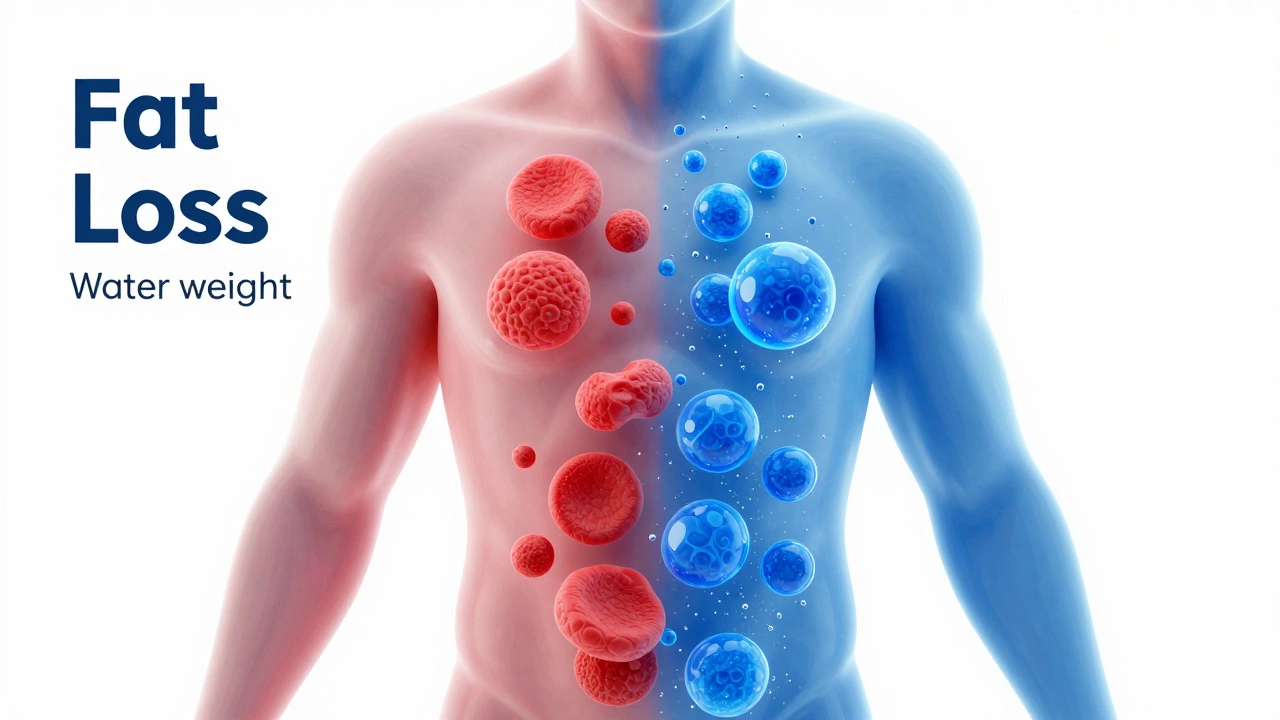
So, where does the dramatic scale drop come from when people claim they lost 10 pounds in a weekend? It comes from water weight, which is excess fluid retained in the body's tissues due to sodium intake, carbohydrate storage, or inflammation. Your body stores carbohydrates as glycogen in your muscles and liver. For every gram of glycogen stored, your body holds onto about three grams of water. When you drastically cut carbs and calories, you deplete these glycogen stores. As the glycogen leaves, the attached water flushes out too. This can result in a rapid drop of 5 to 10 pounds on the scale, but it is not fat-it is hydration.
The Dangers of Extreme Crash Diets
Pursuing this kind of rapid change usually involves extreme measures like severe calorie restriction (eating less than 800 calories a day), excessive sweating through saunas or plastic wraps, or diuretic use. These methods are not just ineffective for long-term goals; they are dangerous.
- Muscle Catabolism: When you starve your body, it needs fuel. Since you aren't providing enough calories, your body starts breaking down its own muscle tissue for energy. Muscle is metabolically active, meaning it helps you burn calories even at rest. Losing muscle slows down your metabolism, making it harder to keep weight off later.
- Nutrient Deficiencies: Three days of extreme restriction deprives your body of essential vitamins, minerals, and electrolytes. This can lead to dizziness, heart palpitations, brain fog, and weakness.
- Gallstones: Rapid weight loss is a known risk factor for developing gallstones. When weight drops quickly, the liver releases extra cholesterol into the bile, which can form stones in the gallbladder.
- Rebound Effect: Because the weight lost is mostly water and glycogen, it returns almost immediately once you resume normal eating. This yo-yo effect can be discouraging and may lead to unhealthy relationships with food.
What Is a Safe Rate of Weight Loss?
Health organizations like the Centers for Disease Control and Prevention (CDC) and the National Institutes of Health (NIH) recommend a steady pace. A safe and sustainable rate of weight loss is generally considered to be 1 to 2 pounds per week. This pace allows you to lose fat while preserving muscle mass and ensuring you get adequate nutrition.
If you aim for 2 pounds a week, that requires a daily deficit of about 1,000 calories. This is challenging but achievable through a combination of moderate dietary changes and consistent physical activity. Over three months, this approach could help you lose 12 to 24 pounds-a significant transformation that stays off because you’ve built new habits rather than shocking your system.
Healthy Strategies for Faster (But Safe) Results
If you have a specific deadline or just want to kickstart your fitness journey, there are legitimate ways to accelerate progress without resorting to dangerous crash diets. Focus on these evidence-based strategies instead.
1. Optimize Your Nutrition
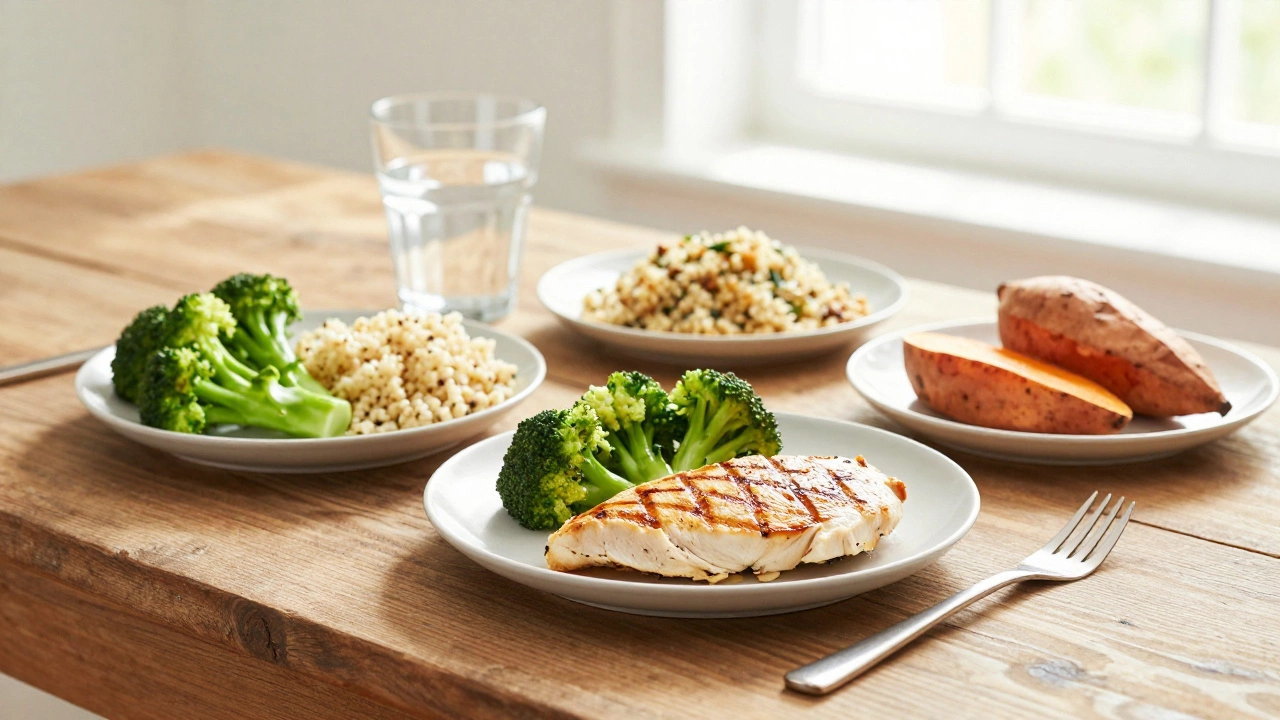
You don't need to stop eating; you need to eat smarter. Focus on whole, unprocessed foods. High-protein meals help preserve muscle during weight loss and keep you feeling full longer. Foods like chicken breast, fish, tofu, and legumes are excellent choices. Pair them with plenty of vegetables, which are low in calories but high in volume and fiber, helping you feel satisfied without overconsuming energy.
Reduce your intake of refined sugars and simple carbohydrates. White bread, pastries, and sugary drinks spike insulin levels, which promotes fat storage. Switching to complex carbs like oats, quinoa, and sweet potatoes provides sustained energy and stabilizes blood sugar.
2. Leverage Strength Training
While cardio burns calories during the workout, strength training builds muscle that burns calories all day long. Incorporating resistance exercises into your routine boosts your resting metabolic rate. Aim for full-body workouts that target major muscle groups like legs, back, and chest. Compound movements such as squats, deadlifts, and push-ups are efficient because they engage multiple muscles at once.
Even if you are in a caloric deficit, lifting weights signals to your body that it needs to maintain muscle tissue. This prevents the metabolic slowdown that often accompanies dieting.
3. Prioritize Sleep and Stress Management
It’s easy to overlook, but sleep is critical for weight management. Lack of sleep disrupts hormones that regulate hunger-ghrelin (which increases appetite) and leptin (which signals fullness). When you’re tired, you crave high-calorie, sugary foods. Aim for 7 to 9 hours of quality sleep each night.
Stress also plays a role. Chronic stress elevates cortisol levels, a hormone that can promote fat storage, particularly around the abdomen. Practices like meditation, deep breathing, or simply taking walks can help manage stress levels and support your weight loss efforts.
Comparison: Crash Dieting vs. Sustainable Lifestyle Change
| Feature | Crash Dieting (e.g., 10 lbs in 3 days) | Sustainable Weight Loss (1-2 lbs/week) |
|---|---|---|
| Primary Weight Lost | Water, Glycogen, Muscle | Body Fat |
| Metabolic Impact | Slows metabolism significantly | Preserves or boosts metabolism |
| Long-Term Success Rate | Very Low (High Rebound Risk) | High (Habit Formation) |
| Health Risks | High (Nutrient deficiency, gallstones) | Low (When done correctly) |
| Energy Levels | Low, Fatigued | Stable, Improved |
Practical Steps to Start Today
Instead of chasing an impossible 10-pound drop in three days, try this realistic plan to start shedding fat safely:
- Calculate Your TDEE: Use an online calculator to find your Total Daily Energy Expenditure. Subtract 500 calories from this number to create a moderate deficit for 1 pound of loss per week.
- Track Intake: Use a food diary app for a few days to become aware of hidden calories in sauces, drinks, and snacks.
- Hydrate Properly: Drink water before meals. Sometimes thirst mimics hunger. Staying hydrated also supports metabolism and reduces bloating.
- Move Consistently: Aim for 150 minutes of moderate aerobic activity plus two days of strength training per week. Walking is a great starting point if you are new to exercise.
- Be Patient: Give yourself at least four weeks to see noticeable changes. Take progress photos and measurements, not just scale weight, as muscle gain can offset fat loss on the scale.
Rapid results are tempting, but they rarely last. Building a healthier relationship with food and movement takes time, but the payoff is a body that feels good, looks better, and stays fit for years to come. Skip the crash diets and focus on consistency. Your future self will thank you.
Is it possible to lose 10 pounds in 3 days safely?
No, it is not safe or physiologically possible to lose 10 pounds of fat in 3 days. Any rapid weight loss achieved in this timeframe is primarily water weight, glycogen depletion, and waste removal, not actual body fat. Attempting to do so through extreme restriction can lead to muscle loss, nutrient deficiencies, and metabolic slowdown.
Why does the scale drop so quickly after cutting carbs?
When you reduce carbohydrate intake, your body uses up its stored glycogen for energy. Glycogen binds with water in a ratio of roughly 1:3. As glycogen stores deplete, the associated water is excreted, leading to a rapid decrease in scale weight. This is temporary and will return when carb intake resumes.
How many calories do I need to burn to lose 1 pound of fat?
Approximately 3,500 calories. To lose 1 pound of fat per week, you need a daily caloric deficit of 500 calories. This can be achieved through a combination of eating fewer calories and increasing physical activity.
Does sweating more help you lose more weight?
Sweating only removes water from your body, not fat. While you might see a lower number on the scale immediately after intense sweating, this weight returns as soon as you rehydrate. Sweating is a cooling mechanism, not a fat-burning process.
What is the best type of exercise for weight loss?
A combination of cardiovascular exercise and strength training is most effective. Cardio burns calories during the activity, while strength training builds muscle, which increases your resting metabolic rate, helping you burn more calories throughout the day even when you are not exercising.