
Do Hokas Run Big? Sizing Guide & Fit Tips
Hoka Sizing & Fit Finder
Find your ideal Hoka fit. While Hokas often look large due to their thick midsoles, they typically run true to length. This tool helps you navigate specific model quirks and width needs.
You just unboxed your shiny new pair of Hoka running shoes known for their maximalist cushioning and oversized midsoles, laced them up, and immediately felt like you were wearing clown shoes. Or worse, they feel tight in the width despite looking enormous on the outside. It’s a confusing contradiction that trips up runners everywhere: Do Hokas run big?
The short answer is no, not in length. But yes, they often feel "big" because of their unique geometry. This isn't a simple "size up or down" situation. The brand’s design philosophy-specifically the meta-rocker geometry and massive stack height-creates a sensory illusion about fit. If you order your usual size blindly, you might end up with blisters or a heel slip that ruins your stride.
The Illusion of Size: Why They Look Bigger Than They Are
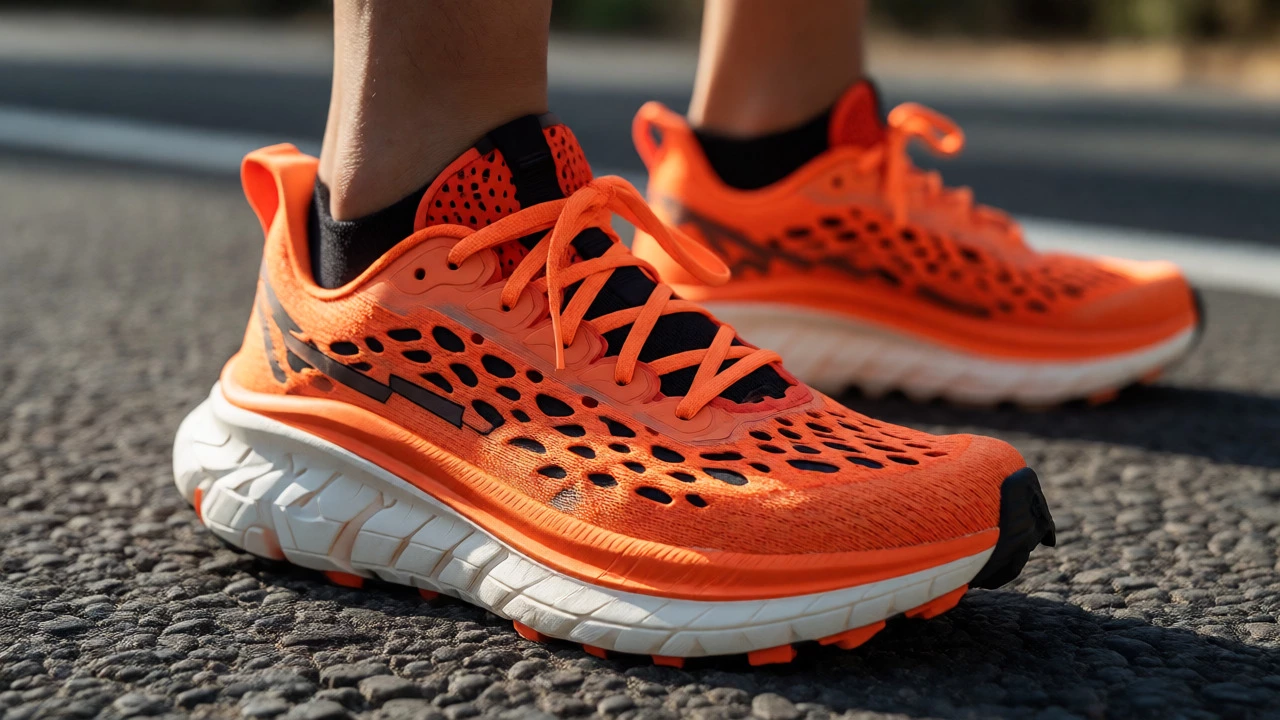
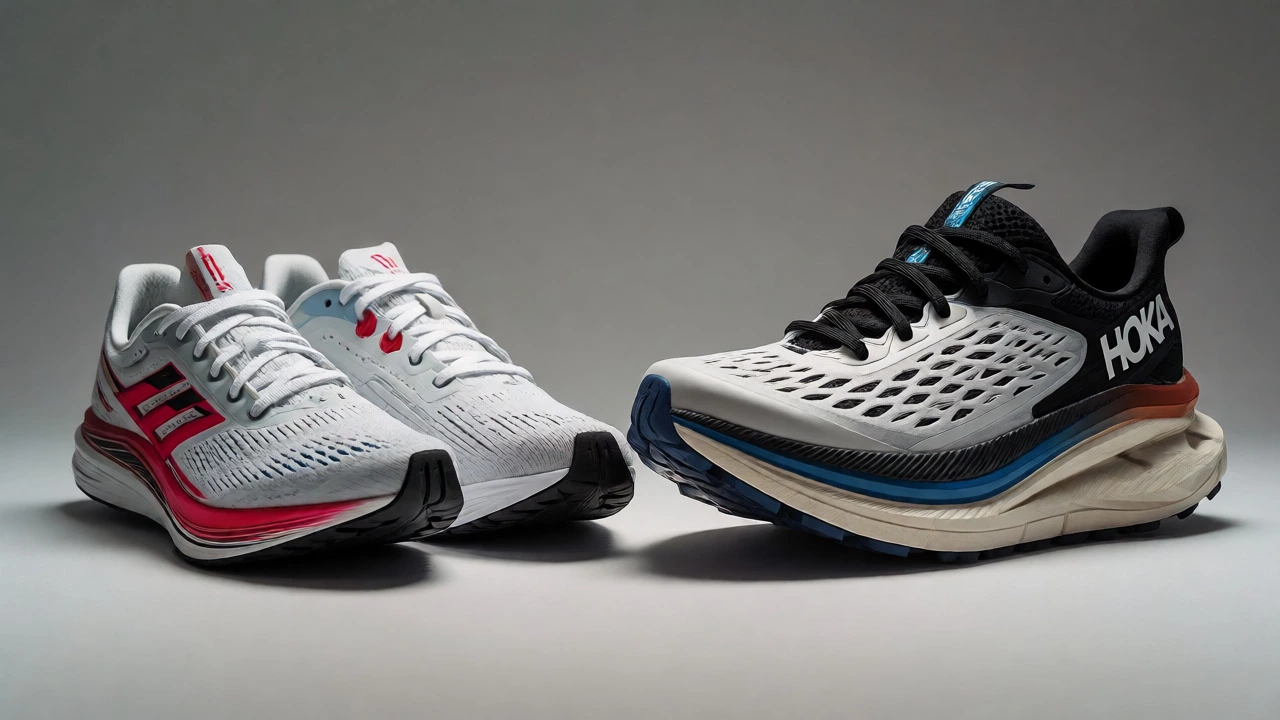
When you look at a pair of Hoka Clifton neutral daily trainers featuring thick EVA foam midsoles next to a traditional racing flat, the visual difference is stark. The midsole extends far beyond the footprint of the outsole. This overhang makes the shoe appear two sizes larger than it actually is. Your brain interprets this bulk as extra room inside, but that outer shell doesn't always translate to inner volume.
Think of it like a car with wide fenders but a narrow cabin. Just because the exterior looks spacious doesn't mean your shoulders have room to move. In Hokas, the upper material (often engineered mesh) sits close to the foot, while the foam surrounds it generously. This creates a secure, cradled feeling that can be mistaken for tightness if you aren't expecting it. Conversely, some runners find the length surprisingly generous because the rocker shape encourages forward motion, making the toe box feel less restrictive during push-off.
Length vs. Width: The Critical Distinction
Most sizing complaints about Hokas stem from width issues, not length errors. The brand has historically leaned toward a wider toe box compared to brands like Nike or Adidas. If you have splayed toes or bunions, this is fantastic news. You won't feel squished. However, if you have a narrow foot, this extra width can cause your foot to slide around laterally, leading to friction and hotspots.
Here is the rule of thumb: Stick to your standard US men's or women's size for length. Do not automatically go half a size up unless you plan to wear thick wool socks in winter. For width, assess your current footwear. If you typically wear D-width (standard) shoes comfortably, start there. If you usually need 2E or 4E widths, Hoka offers these options explicitly. Ignoring the width dimension is where most people get their fit wrong.
| Feature | Hoka Design | Standard Runner (e.g., Brooks Ghost) | Impact on Fit |
|---|---|---|---|
| Toe Box | Wide, anatomical shape | Tapered or moderate | Better for wide feet; may require heel lock for narrow feet |
| Midsole Volume | High stack height (30mm+) | Moderate stack (25-30mm) | Lifts foot higher; changes ankle stability perception |
| Heel Counter | Soft, integrated padding | Firm, structured plastic | Less rigid hold; relies on sock liner friction |
| Arch Support | Neutral to mild medial post | Variable by model | Requires custom insoles for high arches |
Model-Specific Quirks You Need to Know
Not all Hokas are created equal. While the general branding remains consistent, specific models handle fit differently. Understanding these nuances saves you return shipping fees.
- Hoka Bondi: This is the king of cushioning. Because the sole is so thick, it raises your center of gravity significantly. Some runners report the Bondi runs slightly long because the deep heel cup locks the foot back, leaving more space in front. If you are between sizes, consider sizing down half a size for the Bondi to prevent heel slippage caused by the elevated platform.
- Hoka Mach: Designed for speed, the Mach uses a lighter foam and a more streamlined upper. It fits closer to the body than the Clifton. Runners with narrow feet often prefer the Mach because it hugs the midfoot better. It does not run big; in fact, it can feel snug initially until the knit upper stretches.
- Hoka Speedgoat: For trail runners, the Speedgoat features aggressive lugs and a reinforced toe cap. The toe box here is exceptionally wide to accommodate foot swelling on long hikes. Many hikers find they need their normal size, but those with very narrow heels struggle with the lack of lockdown, requiring thicker socks or lace-lock techniques.
How to Test the Fit Before You Buy
You cannot rely on static fitting alone. Running shoes change dynamically under load. When your foot hits the ground, it spreads. During toe-off, it curls. A shoe that feels perfect standing still might pinch when you start moving.
Try the "thumb test" carefully. With the shoe laced tightly and your weight fully on it, press your thumb against the longest toe. You should have about a thumbnail's width of space (roughly 1/2 inch). If you have more than an inch, the shoe is too long. If your toe touches the end, it is too small. Remember, your feet swell during runs, especially in warm weather or on long distances. That tiny bit of extra space is non-negotiable.
Also, pay attention to the instep. The tongue on many Hoka models is gusseted (attached to the sides). This prevents debris entry but reduces adjustability. If you have a high instep, you might feel pressure points across the top of your foot. Try loosening the laces significantly before tightening them again to see if the pressure dissipates. If it doesn't, you might need a model with a separate tongue or a different brand entirely.
Common Mistakes When Sizing Up
A common reaction to feeling "tight" is to buy a bigger size. This is often a mistake. Buying a size too large leads to excess movement inside the shoe. Your foot slides forward, jamming your toes into the front wall on every downhill step. This causes black toenails and bruising. Excess length also disrupts the natural pivot point of the shoe's rocker geometry. Instead of rolling smoothly through your stride, you might feel like you are tripping over your own feet.
If the shoe feels tight in width, do not size up in length. Length will not solve a width problem; it only adds unnecessary space at the toe. Instead, try removing the stock insole. Hoka insoles are often thin and flat. Replacing them with a thinner profile or adding a heat-moldable orthotic can create vertical volume, relieving pressure without changing the shoe's dimensions.
Breaking In Period Expectations
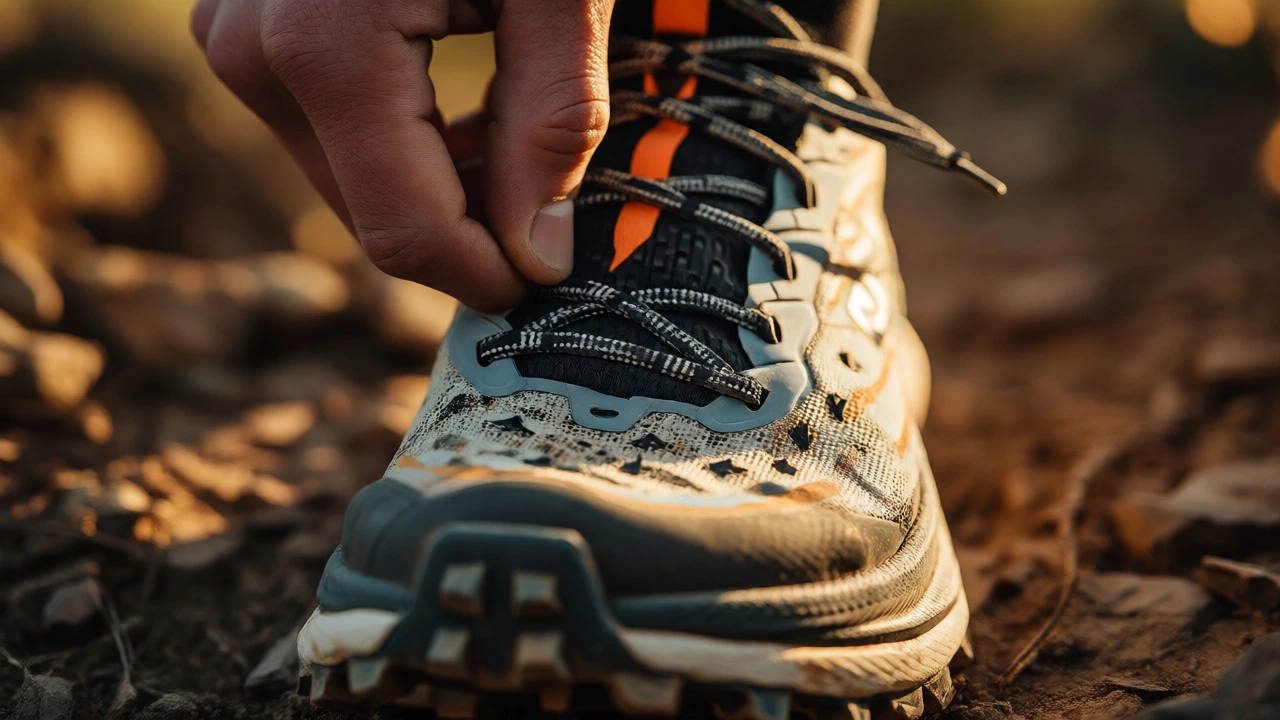
Hoka uppers are generally soft right out of the box. Unlike leather boots or stiff synthetic racing flats, they rarely require a significant break-in period. Most runners can wear them for a full training session on day one. However, the foam midsole needs time to compress and adapt to your specific gait pattern. This isn't a comfort issue per se, but a performance one. After 50-100 miles, the foam reaches its optimal resilience. Don't judge the fit solely on the first mile; give it a week of easy runs before deciding to return them.
Final Verdict on Hoka Sizing
So, do Hokas run big? Visually, absolutely. Functionally, no. They run true to length for most people but offer a wider, more accommodating toe box that benefits broader feet. The key is managing expectations about the "bulk." Embrace the secure, cradled feel rather than fighting it. If you have narrow heels, invest in good lacing techniques. If you have wide feet, you've likely found your holy grail.
Should I size up in Hokas?
Generally, no. Stick to your usual running shoe size. Only size up if you plan to wear very thick socks or if you specifically prefer a loose fit. Sizing up unnecessarily can lead to heel slip and blisters due to the shoe's rocker geometry.
Are Hokas good for wide feet?
Yes, Hokas are widely considered excellent for wide feet. Their toe boxes are naturally broader than many competitors. Additionally, popular models like the Clifton and Bondi come in explicit Wide (2E) and Extra Wide (4E) versions, providing ample room for toe splay.
Why do my Hokas feel tight even though they look huge?
The external size comes from the thick midsole foam, not the internal upper volume. The upper fabric is designed to hug the foot for stability. If it feels tight, check your width. If your width is correct, try loosening the laces or replacing the insole to gain vertical room.
Do Hoka shoes stretch over time?
The engineered mesh uppers stretch slightly, particularly in the toe box and forefoot area, after 20-30 miles of use. However, the structural elements and heel counter do not stretch significantly. Do not count on major stretching to fix a fundamentally poor fit.
Which Hoka model runs smallest?
The Hoka Mach series tends to fit snugger than the Clifton or Bondi due to its streamlined, race-oriented design. Runners with wide feet sometimes find the Mach restrictive and may prefer the Clifton for daily training.