
Does It Matter What Running Shoes You Get? The Truth About Injury Prevention and Performance
Running Shoe Selector Tool
Your Profile
Recommended Shoe Profile
Key Features Needed:
Ideal Drop:
Warning:
Select your profile details and click "Analyze My Needs" to get a personalized recommendation based on biomechanics.
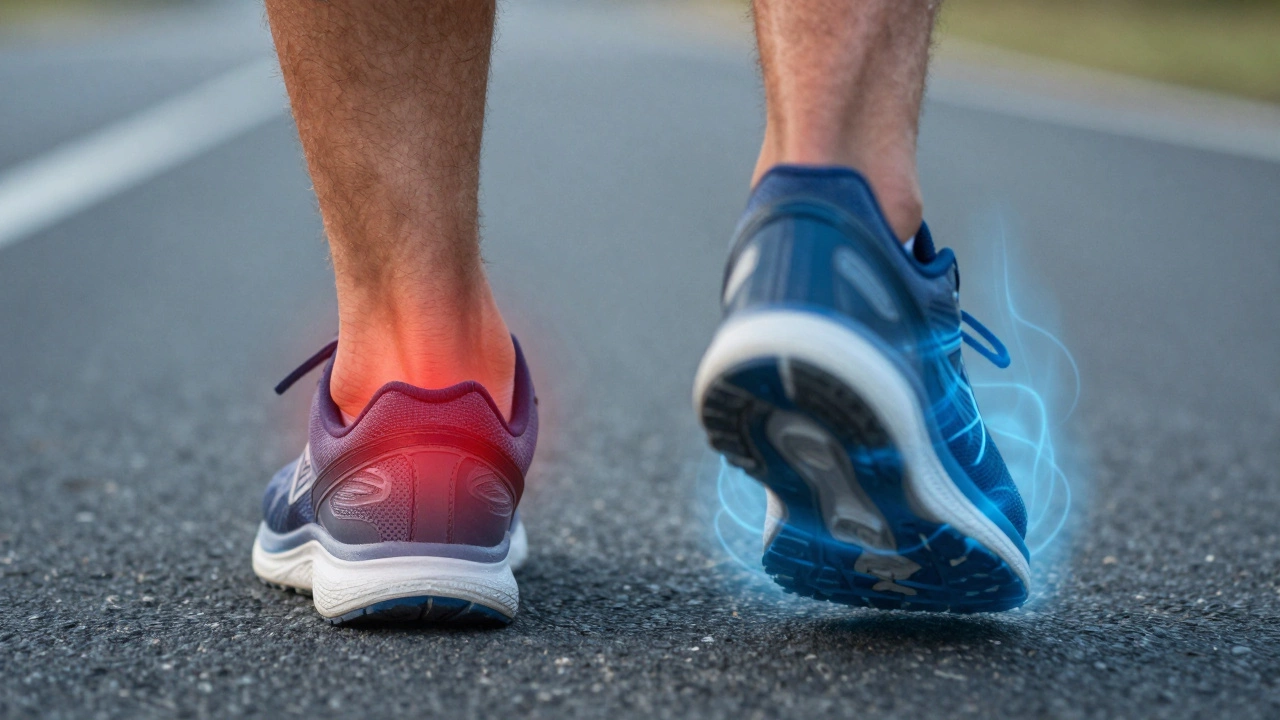
Picture this: you just bought a pair of bright, expensive running shoes because they looked cool in the ad. Two weeks later, your shins are screaming, your knees feel like gravel, and you’re wondering if running is actually bad for you. Spoiler alert: it’s probably not the running. It’s likely the shoes.
The short answer to "does it matter what running shoes you get?" is a resounding yes. But the long answer is messy. For decades, we were told that neutral cushioning was king. Then minimalist shoes took over. Now, super-cushioned maximalists dominate the race courses. If you’re standing in a store aisle staring at forty different models, it’s easy to feel overwhelmed. Do you need carbon plates? How much drop is right for you? Is foam magic or marketing?
Your feet are complex biological machines. They handle forces up to three times your body weight with every stride. Ignoring how those forces interact with the ground-and the interface between your foot and the ground-invites trouble. Let’s break down why your choice matters, how to pick the right pair, and when you can stop worrying about specs and start enjoying the run.
The Biomechanics: Why Your Feet Aren't Generic
Every runner has a unique gait pattern, which is the specific way your foot strikes the ground and rolls through a stride. This isn't just about whether you land on your heel or your toe. It involves pronation (the natural inward roll of the foot), supination (outward roll), arch height, and cadence (steps per minute). When you put a generic shoe on a non-generic foot, you create friction points and instability zones.
Consider the arch. High arches are rigid; they don’t absorb shock well naturally. Low arches (flat feet) are flexible but may over-pronate, collapsing inward too much. A shoe designed for a flat foot will have medial posting (extra support on the inner side) to control that roll. If a high-arched runner wears that same shoe, the added stiffness can cause stress fractures because their foot needs flexibility, not correction. Conversely, a neutral shoe might let a flat-footed runner’s ankle cave in, leading to plantar fasciitis or IT band syndrome.
It’s not just anatomy. It’s physics. The energy return from modern foams varies wildly. Some foams compress under heavy loads, protecting joints but tiring muscles faster as they work harder to stabilize. Others bounce back aggressively, saving energy but potentially jarring the bones if the impact isn't managed correctly. Getting the wrong match means your body spends energy compensating for the shoe’s flaws rather than moving forward efficiently.
Cushioning vs. Stability: Decoding the Specs
When shopping, you’ll see terms like "neutral," "stability," and "motion control." These categories exist for a reason.
- Neutral shoes: Designed for runners with efficient mechanics who don’t over-pronate. They focus on cushioning and responsiveness.
- Stability shoes: Include features like dual-density midsoles or guide rails to gently correct mild over-pronation without feeling stiff.
- Motion Control: Heavier, firmer shoes for severe over-pronators who need maximum structural support.
However, the industry is shifting. Many experts now argue that strict categorization is outdated. Instead of forcing your foot into a "correct" position, modern design focuses on accommodating your natural movement while providing adequate protection. This is where midsole density comes into play. It refers to the firmness of the foam layer between your foot and the outsole rubber. Softer foams feel luxurious but may lack durability. Firmer foams last longer but transmit more vibration to your legs.
Then there’s "drop." Drop is the height difference between the heel and the forefoot, measured in millimeters. A 10mm drop encourages heel striking by elevating the heel. A 0mm drop (zero-drop) forces a more natural foot strike, often engaging calf muscles more intensely. Switching suddenly from a 10mm drop to a 4mm drop can tear up your Achilles tendon if you don’t transition slowly. Your drop preference should align with your natural strike pattern, not just trend cycles.
| Type | Best For | Key Feature | Potential Risk |
|---|---|---|---|
| Neutral Cushioned | Heel strikers, normal arches | Plush foam, shock absorption | May reduce proprioception (body awareness) |
| Stability | Mild over-pronators, low arches | Medial support, guide rails | Can feel restrictive if not needed |
| Minimalist/Zero-Drop | Forefoot strikers, strength training | Thin sole, wide toe box | High injury risk if transitioned too quickly |
| Racing/Super Shoes | Competitive races, speed work | Carbon fiber plate, high-rebound foam | Expensive, less durable, unstable for daily miles |
The Fit Factor: More Important Than Brand Loyalty
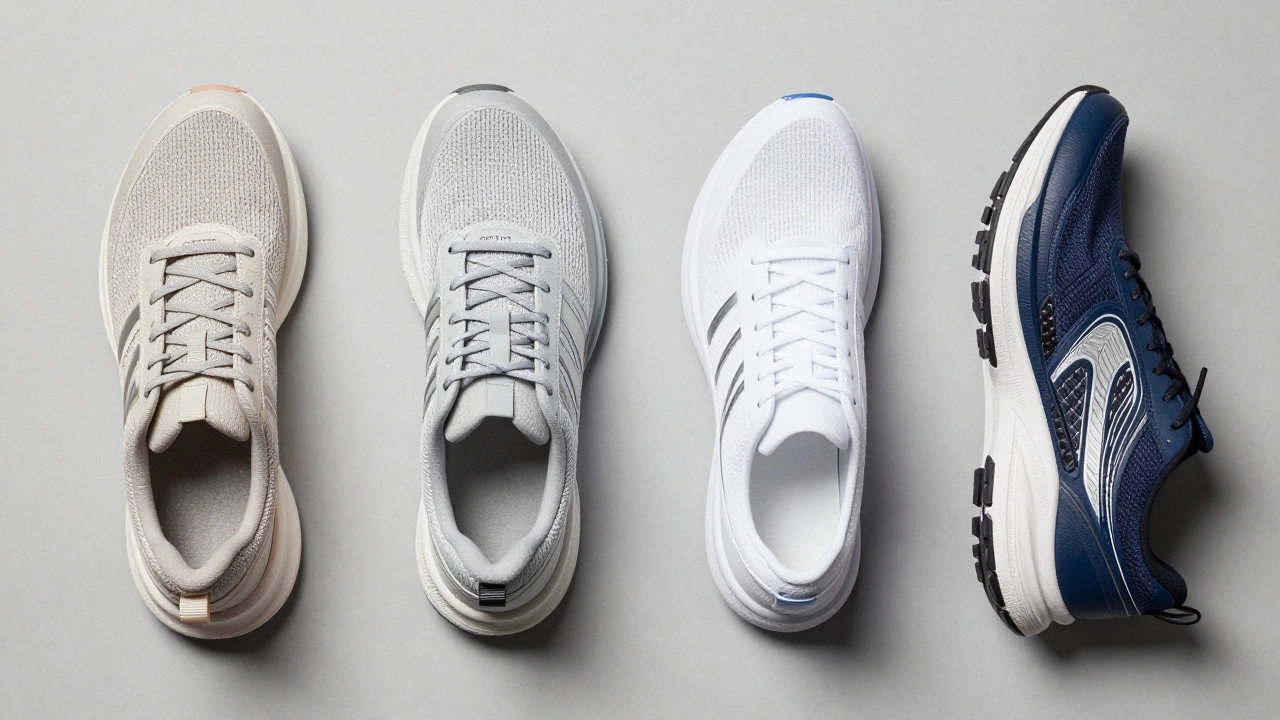
You can buy the most advanced technology in the world, but if it doesn’t fit, it’s trash. Most people wear the wrong size in running shoes compared to their casual sneakers. Here’s the golden rule: you need space.
When you run, your feet swell. Blood flow increases, and your feet can expand by up to half a size. If you buy a snug fit, you’re inviting black toenails, blisters, and neuromas (painful nerve growths). Aim for about a thumb’s width of space between your longest toe and the end of the shoe. Also, check the width. Narrow feet in wide shoes slip around, causing friction. Wide feet in narrow shoes get compressed, cutting off circulation and causing numbness.
Try shoes on in the afternoon or evening. That’s when your feet are at their largest. Walk around the store. Run on a treadmill if they have one. Pay attention to pressure points. Does the toe box pinch? Does the heel slip? A good running shoe should feel secure but not tight, like a firm handshake, not a vice grip.
Surface Matters: Road vs. Trail
Where you run dictates what you need. Road running shoes are optimized for smooth, hard surfaces like asphalt and concrete, prioritizing cushioning and lightweight flexibility. They have thin, smooth outsoles that would be useless on mud or rocks.
If you hit the dirt, you need Trail running shoes, which feature aggressive lugs (treads) for grip, protective rock plates, and often waterproof membranes. Using road shoes on trails leads to slips and falls. Using trail shoes on pavement wears down the aggressive lugs instantly and makes the ride harsh and noisy. Don’t mix them up unless you’re doing a mixed-surface workout, in which case, look for a "hybrid" model.

How Often Should You Replace Them?
Even the best shoe won’t save you if it’s dead. Foam compresses over time. The midsole loses its resilience, and the outsole rubber wears thin. Most manufacturers recommend replacing shoes every 300 to 500 miles. For the average runner logging 20 miles a week, that’s roughly every 3 to 6 months.
But mileage isn’t the only indicator. Watch for these signs:
- Visible wrinkles in the midsole foam when you flex the shoe.
- New aches in shins, knees, or hips after runs that previously felt fine.
- Worn-down tread patterns, especially in high-impact areas.
- The shoe feels noticeably flatter or less bouncy than when new.
Ignoring these signs turns a minor inconvenience into a major injury. Fresh foam absorbs impact; old foam transmits it directly to your joints.
Do You Need a Gait Analysis?
If you’re injured, new to running, or have unusual foot mechanics, a professional gait analysis is worth the visit. Specialized running stores use treadmills and cameras to watch how you move. They’ll check your arch, your strike, and your balance. While some salespeople push expensive brands, a genuine analysis helps you avoid trial-and-error buying.
For experienced runners without issues, your body is the best analyst. If a shoe feels good and you aren’t hurting, stick with it. Consistency reduces variables. Changing shoes every month makes it impossible to know what’s working and what isn’t.
Can I use the same running shoes for walking?
Yes, but it’s not ideal. Walking puts different stresses on your feet than running. Walking shoes typically have more stability and less cushioning in the forefoot. Using running shoes for walking accelerates wear on the midsole since walking involves constant heel-to-toe rolling. However, occasional use is fine.
Are expensive running shoes better?
Not necessarily. Higher price tags often reflect marketing, carbon plates, or proprietary foam tech aimed at elite performance. For daily training, mid-range shoes ($100-$150) offer excellent durability and comfort. Expensive racing shoes are fragile and meant for short bursts, not long-term daily use.
Should I break in my new running shoes?
Modern running shoes require minimal break-in. Unlike leather hiking boots, synthetic materials mold quickly. Wear them for short walks first, then easy runs. If they hurt immediately, they’re the wrong fit. Never wear brand-new shoes for a race or a personal best attempt.
Does my weight affect which running shoes I need?
Yes. Heavier runners generate more impact force and may benefit from max-cushion shoes with denser foam to prevent bottoming out. Lighter runners might prefer lighter, more responsive shoes. Durability also varies; heavier runners may wear out outsoles faster.
Is barefoot running safer with minimalist shoes?
Minimalist shoes mimic barefoot running but offer slight protection. They encourage stronger foot muscles but carry a high risk of injury if you switch abruptly. Transition slowly, starting with short distances, and listen to your calves and Achilles. It’s not inherently safer; it’s just different.