
How Long Does It Take to Learn How to Swim as an Adult?
Adult Swimming Learning Timeline Estimator
Your Setup
Projected Results
Recommended Milestones
-
Month 1-2Face submersion & floating
-
Month 3-4Basic propulsion & kicking
-
Month 5+Continuous swimming & strokes
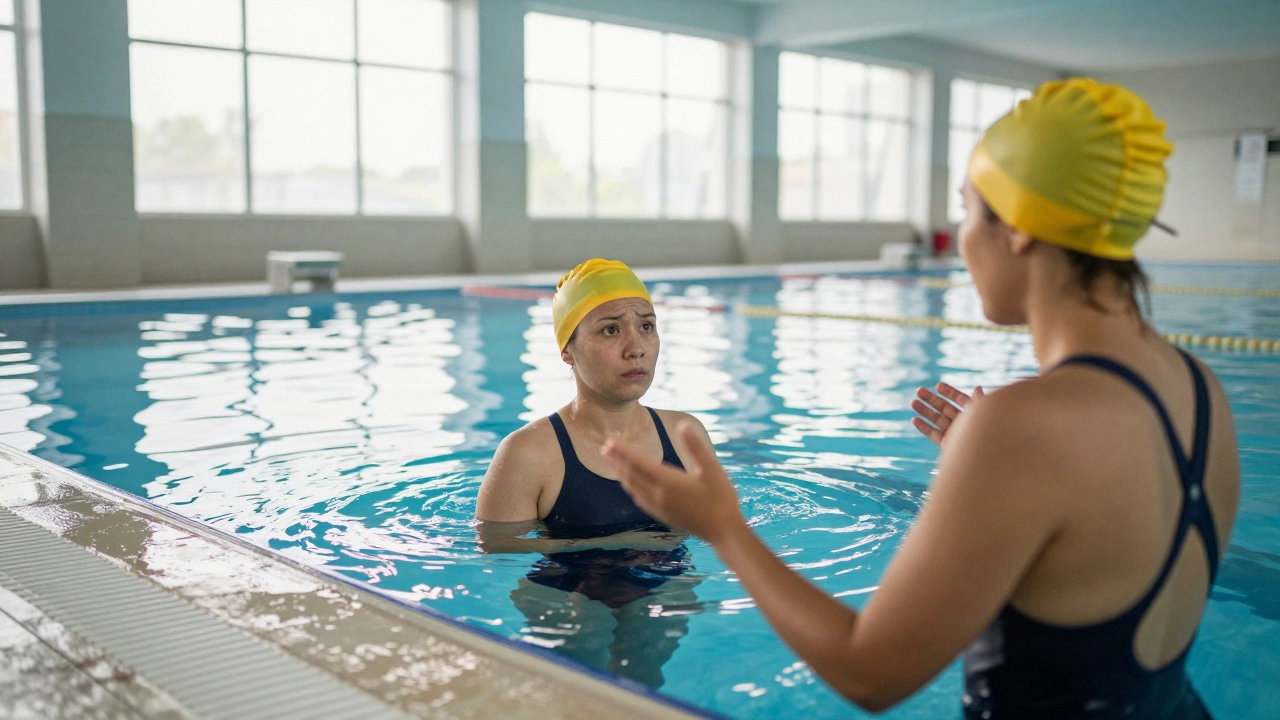
Most adults asking this question aren't worried about becoming Olympic champions. They usually want to feel safe in the water, cross a pool safely, or build fitness without hurting their joints. There is no single number for everyone, but honest feedback from instructors suggests a realistic range of three to six months for solid competency. This assumes you show up regularly and face your nerves head-on. You might see progress faster if you are already comfortable around pools, but fear of water can add significant time to the process.
The timeline depends heavily on how often you get in the water. Taking one Swimming Lesson is a structured session with a qualified instructor focused on skill acquisition. Swim Instruction often includes drills that target specific muscle memory. Attending once a week is common, but twice a week halves the total calendar time needed because you retain movement patterns better. Without consistent practice, you lose the neural connections built during class, essentially starting over every Friday.
Factors That Influence Your Learning Speed
Every adult brings a different set of variables to the pool deck. Your past experiences matter more than your age. If you grew up near lakes or beaches, you likely have fewer mental blocks than someone who avoided the bath growing up. Physical fitness also plays a role. Core strength helps you stay horizontal, while flexibility aids your kick. However, even strong athletes struggle here because swimming uses muscles differently than land exercises do.
Water anxiety is often the hidden variable. This isn't always panic; sometimes it is just a nagging worry about running out of air. Managing this requires patience. Instructors recommend breathing exercises before getting wet. Deep breaths calm the nervous system. If you hold your breath underwater, your body panics and releases adrenaline, making you sink. Learning to exhale underwater is the first major hurdle to clear.
| Frequency | Time to Basic Competency | Best For |
|---|---|---|
| Private Lesson is one-on-one coaching tailored to specific goals. | 3 Months | Rapid progress, overcoming phobias |
| Group Class (Weekly) | 5-6 Months | Social support, budget-friendly |
| Twice Weekly Practice | 2-3 Months | Quick mastery, high motivation |
Budget often dictates schedule. Private coaching allows the instructor to focus entirely on your breathing technique. They can spot errors instantly. Group settings are more affordable but slower. The pace is set by the slowest student in the group. Some people get frustrated waiting for others to catch up. Others find the peer environment less intimidating. Finding what fits your wallet and comfort level is essential for sticking with it.
Milestones for Adult Swimmers
Progress isn't linear. You might master floating one day and forget the next. Breaking the journey into stages helps manage expectations. Most standardized curricula, such as those found at Aquatic Centers is public facilities designed for community recreation and health programs. Public Pools typically follow progression charts divided into levels.
The first goal is getting comfortable in deep water. Many adults start at the shallow end. Moving to the deeper section tests your confidence. You need to trust your buoyancy. Gravity pulls down, but displacement pushes up. Understanding this physics concept reduces fear. Once floating is easy, the focus shifts to propulsion. Can you move forward without touching the bottom?
Breathing is separate from kicking. You cannot breathe while moving if your face is underwater. You must turn your head to inhale. In Freestyle Stroke is the most efficient front-crawl swimming style used in lap swimming. Front Crawl this rhythm takes weeks to perfect. Beginners often lift their heads too high, dropping their hips. This creates drag. The goal is to swim flat and low. It feels counter-intuitive, but practicing this saves energy over distance.
Standardized Timelines for Skill Acquisition
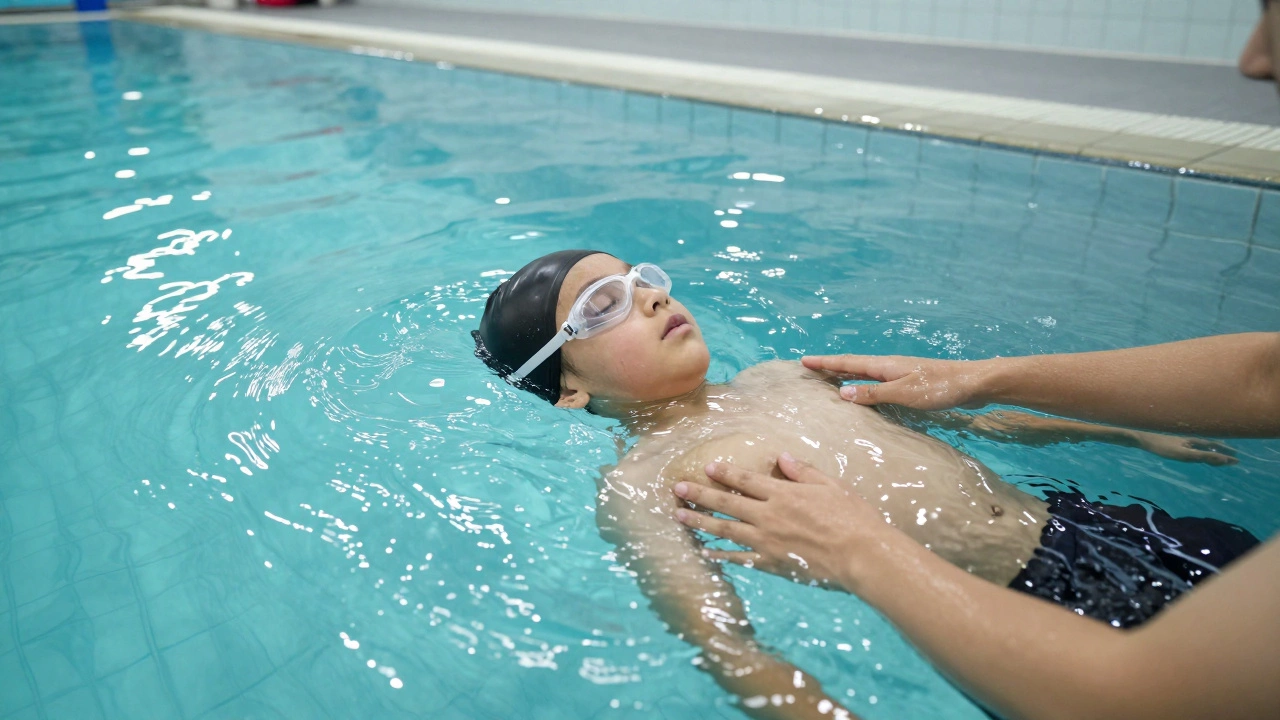
If you attend weekly sessions consistently, expect these rough benchmarks. These assume you are practicing outside of class, perhaps splashing in the shower or doing dryland mobility work.
- Month 1: Comfortable standing in waist-deep water. Submerging the face without holding breath. Floating on back for 30 seconds.
- Month 2: Gliding from the wall. Basic flutter kick without sinking. Sculling (moving hands) to maintain position.
- Month 3: One length of the pool using Freestyle. Breathe to the right and left side.
- Month 4: Continuous swimming without stopping. Mixing arm pull and leg kick seamlessly.
- Month 6: Two lengths non-stop. Introduction to Backstroke is a freestyle stroke performed on the back using alternating arm movements. Float Stroke
Hitting month six does not mean you stop. You just transition from "learning" to "polishing." At this stage, you might join a fitness swim team. These groups help refine your form. They push you to improve speed and stamina. It keeps you engaged after the initial awkward phase is over.
Common Roadblocks and Solutions
Cold water shuts down circulation. In winter months, pools often drop temperature slightly to save energy. Cold fingers numb quickly, which slows dexterity. Wearing a cap helps warm the ears and head. Goggles prevent the sting of chlorine, allowing you to open your eyes underwater. Clear vision builds trust. Not being able to see the bottom makes you anxious.
Some adults skip the middle ground between toddler lessons and competitive swimming. Adult-specific programming focuses on adult-sized limbs and coordination. Kids float easily; adults fight gravity. Your density changes as you gain muscle mass. An instructor knows these adjustments. They will modify drills so they fit your center of gravity. Don't try to imitate child drills exactly. Ask for modifications that suit adult physiology.
Cost is another barrier. Lessons are an investment in safety. Falling into water unexpectedly happens at beaches or boats. Knowing how to tread water buys you minutes until help arrives. Treading involves scissoring legs and using hands to stay above surface tension. It is exhausting without practice. Doing a few emergency drills in a controlled setting prevents tragedy later.
Choosing the Right Environment
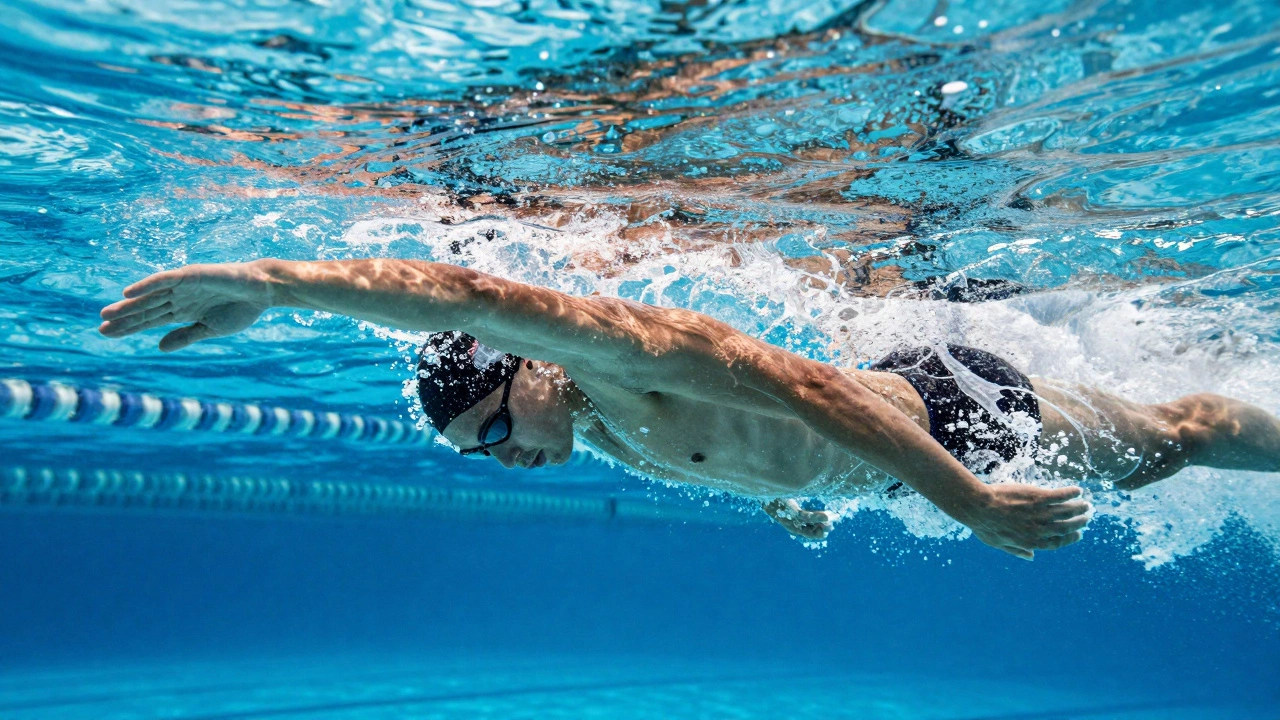
You need a quiet space to learn. Competitive lanes move fast and splash aggressively. Lane markers separate swimmers. Instructed learners should swim in designated areas away from sprinters. A dedicated teaching lane is ideal. If your local facility lacks one, ask when the pool is quietest. Early mornings often mean empty decks. This silence allows you to concentrate on internal cues rather than noise.
Digital tools now assist coaches. Video analysis is common in 2026. Coaches record your stroke from underwater cameras. Watching yourself swim reveals flaws invisible to the naked eye. You might think you look straight, but the video shows your feet breaking the surface. Corrective feedback loops shorten the learning curve significantly. Technology accelerates the process, though traditional hand-holding instruction still works best for fear reduction.
Maintaining Momentum After Basics
Consistency fades once survival isn't an issue. The first month is exciting because you are conquering a fear. By month four, boredom sets in. Joining a social swim club combats this. Having friends in the water creates accountability. Everyone checks each other's attendance. Motivation sustains habit formation.
Set micro-goals. Aim for a continuous ten-minute swim. Track your times. Seeing improvement graphically provides dopamine rewards. Fitness plates occur, but pushing through them yields results. If you feel stuck, change the drill. Try fins to build ankle flexibility. Try paddles to strengthen grip strength. Variety prevents burnout.
Can I learn to swim in just one summer season?
Yes, it is highly possible if you commit to training two or three times per week during the warmer months. Summer consistency allows you to reach basic competency well before autumn.
Do I need to know how to float before signing up for lessons?
No, beginner classes start with acclimatization. The ability to relax and let the water support you is taught in the first few sessions. You do not need prior experience to enroll.
Is it normal to regress after a week off?
Brief plateaus happen, but muscle memory remains. A short break will not erase your skills. Just spend extra time reviewing fundamentals when you return to the pool.
What equipment do I really need to start?
Essential gear includes a comfortable swimsuit, goggles, and a towel. Fins or kickboards are helpful but optional initially. The instructor will provide specialized teaching tools.
Will my age limit how fast I learn?
Age impacts recovery, not learning capacity. Older adults may need rest days between intense sessions, but technical skill acquisition is equal across ages. Mental resilience matters more.
Finally, remember that swimming is a lifetime skill. Unlike many sports that peak in youth, swimming improves as you age. Joints remain healthy. Lung capacity expands. Investing in the initial learning period pays dividends for decades of health. You are building a relationship with a natural element. Take your time, respect the water, and enjoy the sensation of weightlessness.