
How Long Is a Boxing Match? Round Times, Rest Periods & Rules Explained
Boxing Match Duration Calculator
Match Configuration
Ever sat down to watch a fight only to realize you have no idea when it’s actually going to end? You’re not alone. The clock on the screen ticks away, but without knowing the structure, it’s hard to gauge if the fighters are in the opening bell or the final stretch. The short answer is that most professional championship bouts last up to 30 minutes of actual fighting time, spread across 12 rounds. But that number changes drastically depending on whether you’re watching an amateur contest, a non-title professional fight, or a historic exhibition.
Understanding the timing isn’t just about counting minutes; it’s about understanding the rhythm of the sport. Boxing is built on intervals-three minutes of high-intensity combat followed by one minute of recovery. This cycle dictates strategy, stamina, and even how trainers prepare their athletes. Let’s break down exactly how long these matches last, why the rules vary, and what happens when a fight ends early.
The Standard Professional Championship Bout
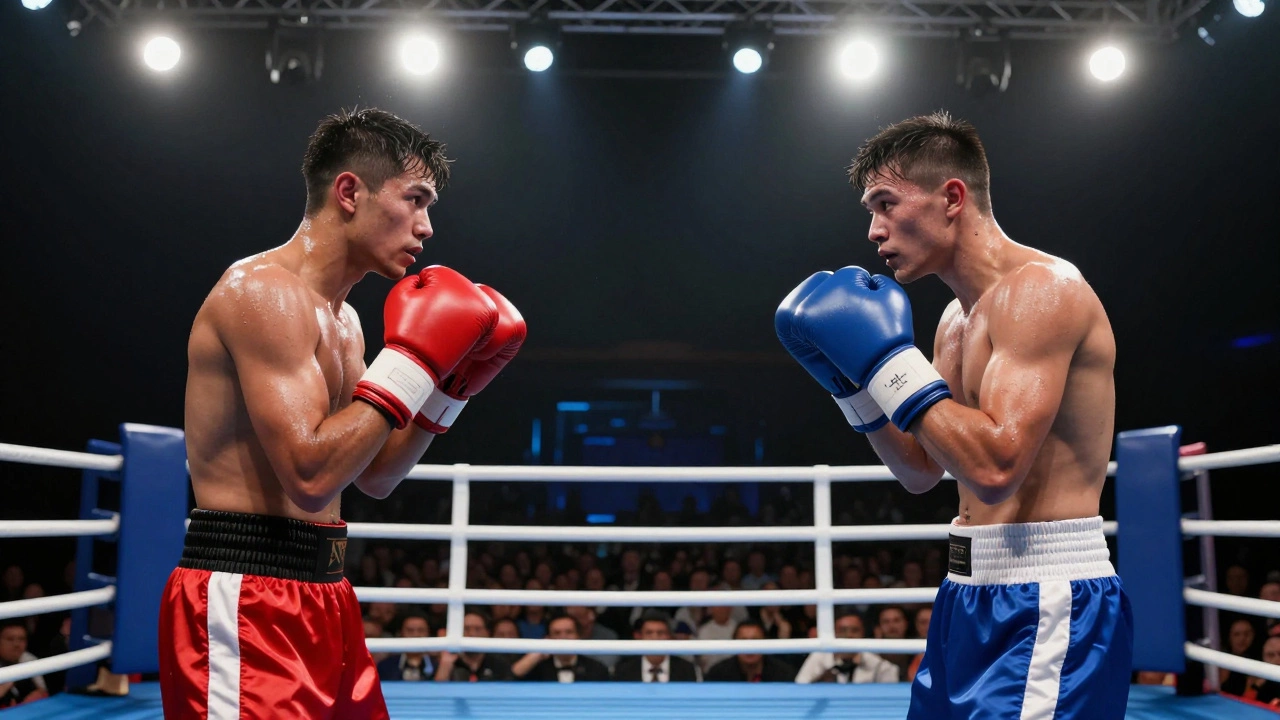
When you tune into a major pay-per-view event featuring world titles like the WBC, WBA, IBF, or WBO belts, you are watching the longest format in modern professional boxing is a combat sport where two people wear protective gloves and throw punches at each other inside a ring.. These championship fights consist of 12 rounds. Each round lasts three minutes, with a one-minute rest period between them.
If a fight goes the full distance-which means neither fighter wins by knockout or technical decision-the total elapsed time is 47 minutes. Here is the math: 12 rounds multiplied by 3 minutes equals 36 minutes of fighting. Add the 11 one-minute breaks between those rounds, and you get 47 minutes from the first bell to the final buzzer. If judges score the bout evenly, the result is a draw. If they favor one fighter, it’s a decision win (unanimous, split, or majority).
This 12-round standard was established after the tragic death of Kim Sung-tae in 1982, which led the World Boxing Council (WBC) to reduce championship fights from 15 rounds to 12. Other sanctioning bodies followed suit shortly after. Before this change, legends like Muhammad Ali and Joe Frazier fought 15-round wars, which could last up to 58 minutes. Today, 12 rounds is the ceiling for safety reasons, acknowledging the cumulative damage of repeated head trauma over extended periods.
Non-Title Professional Fights
Not every professional boxer steps into the ring for a world title. In fact, the vast majority of pro bouts are preliminary or undercard fights that do not carry championship belts. These matches are shorter, typically lasting either 4, 6, or 8 rounds.
- 4-Round Fights: Common for beginners on the pro circuit. Total fighting time is 12 minutes. Elapsed time is 15 minutes.
- 6-Round Fights: The standard for rising prospects who are building their records. Total fighting time is 18 minutes. Elapsed time is 23 minutes.
- 8-Round Fights: Often used for experienced fighters who aren’t yet contenders for a title. Total fighting time is 24 minutes. Elapsed time is 31 minutes.
The choice of round count depends on the promoters, the fighters’ experience levels, and local athletic commission regulations. For example, in the United States, state commissions often mandate that newcomers start with 4-round bouts before advancing to 6 or 8. This gradual increase helps protect younger athletes while allowing them to adapt to the professional pace.
Amateur and Olympic Boxing Rules
If you switch channels to the Olympics or an amateur tournament, the timing looks completely different. Amateur boxing prioritizes speed, volume, and point-scoring over endurance and power. Consequently, the rounds are shorter.
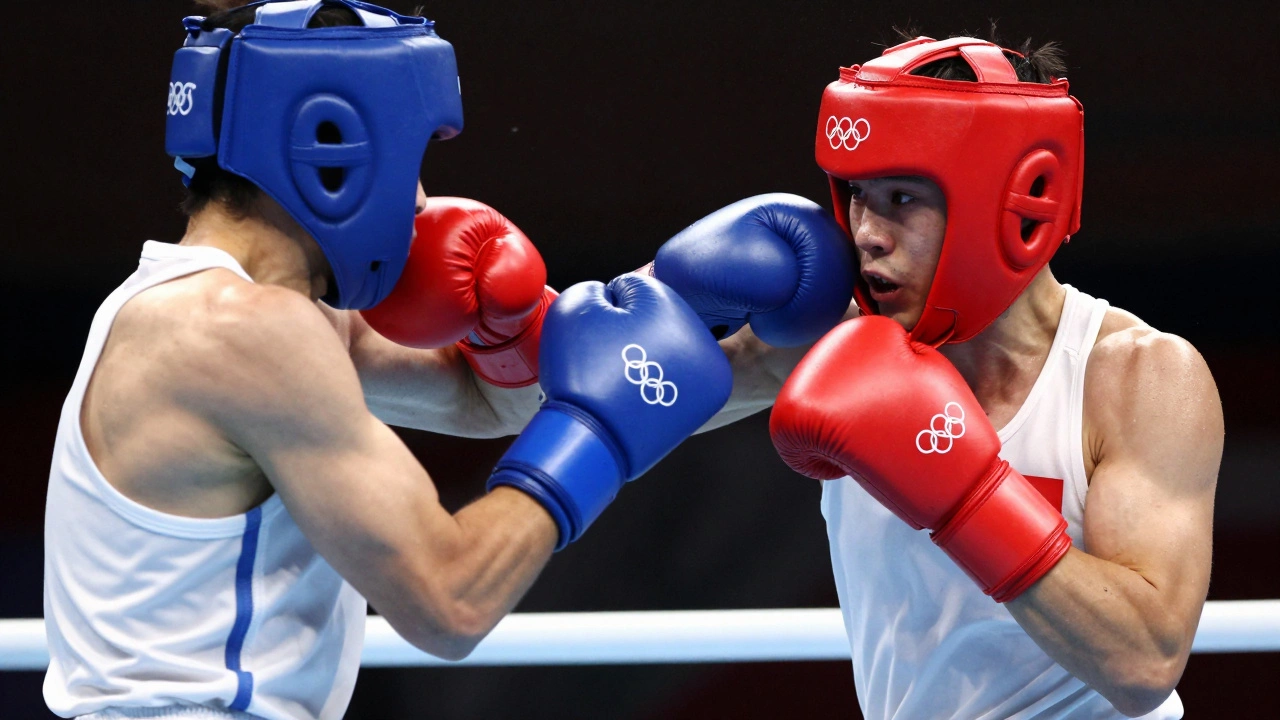
In men’s Olympic boxing, bouts consist of 3 rounds of 3 minutes each. With one-minute rests, the total elapsed time is just 11 minutes. Women’s Olympic bouts also feature 3 rounds, but historically they were shorter; however, recent rule changes have aligned women’s rounds to 3 minutes as well, making the total time identical to men’s.
At lower amateur levels, such as school or club competitions, rounds might be reduced to 2 minutes. This ensures that young athletes can maintain high intensity without risking burnout or injury. The scoring system in amateur boxing is also distinct: points are awarded for clean hits, regardless of impact, which encourages faster, more frequent punching rather than the strategic pacing seen in the pros.
What Happens When a Fight Ends Early?
A boxing match doesn’t always go the scheduled distance. In fact, many fights end prematurely due to knockouts (KO), technical knockouts (TKO), or disqualifications (DQ). Understanding these endings helps explain why some matches feel much shorter than advertised.
A Knockout (KO) occurs when a fighter is knocked down and cannot rise before the referee counts to ten. The clock stops immediately upon the fall, and the countdown begins. If the fighter beats the count, the fight resumes. If not, the match ends instantly. This can happen in the first minute of the first round, making the entire event last less than two minutes.
A Technical Knockout (TKO) is called when the referee determines that a fighter is unable to continue safely, even if they haven’t been knocked down. This might happen if a fighter is taking excessive punishment, cannot defend themselves, or fails to respond intelligently to commands. A TKO can also occur if a fighter suffers a cut that is too severe to continue, as determined by the ringside physician. In these cases, the fight ends at that specific moment, preserving whatever time had elapsed up to that point.
Disqualifications (DQ) are rare but possible. If a fighter repeatedly violates rules-such as hitting below the belt, holding excessively, or using illegal techniques-they may be warned. Continued violations lead to a DQ, ending the match immediately. Similarly, if a fighter cannot appear for the bout due to illness or injury, the opponent wins by default, and no time is recorded.
The Role of Rest Periods and Strategy
Those one-minute breaks between rounds are critical. They aren’t just downtime; they are structured recovery windows. During this minute, fighters return to their corner where trainers work to cool them down, patch up cuts, provide water, and offer tactical advice. The human body produces lactic acid during high-intensity anaerobic exercise, leading to fatigue. That 60-second window allows heart rates to drop slightly and muscles to recover partially, enabling the next burst of activity.
Strategically, boxers plan their energy expenditure around these intervals. A common tactic is to conserve energy in the early rounds, testing opponents’ defenses, and then increase aggression in later rounds when fatigue sets in. Trainers often tell fighters to “save gas” for the final rounds, knowing that the last few minutes of a 12-round fight are where decisions are often won or lost.
| Type of Match | Rounds | Round Length | Total Fighting Time | Total Elapsed Time |
|---|---|---|---|---|
| Olympic Men’s/Women’s | 3 | 3 mins | 9 mins | 11 mins |
| Pro Non-Title (Beginner) | 4 | 3 mins | 12 mins | 15 mins |
| Pro Non-Title (Prospect) | 6 | 3 mins | 18 mins | 23 mins |
| Pro Non-Title (Experienced) | 8 | 3 mins | 24 mins | 31 mins |
| Pro Championship | 12 | 3 mins | 36 mins | 47 mins |
Historical Context: The 15-Round Era
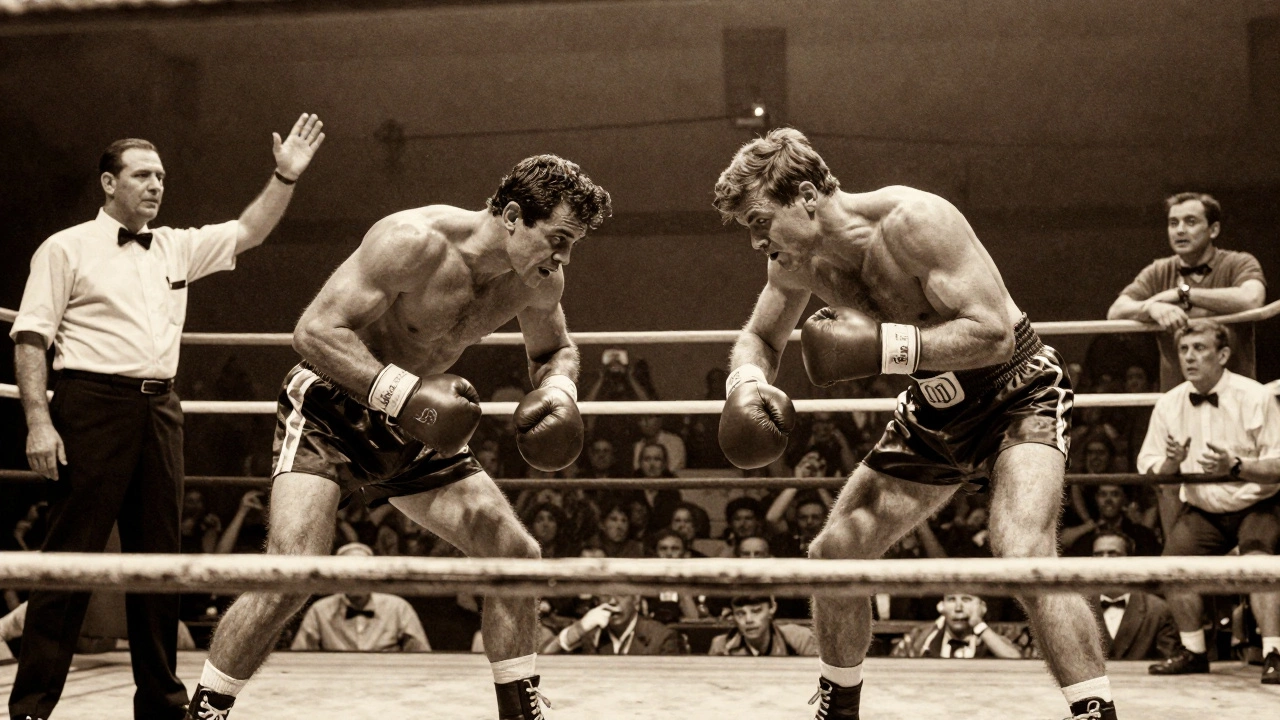
To fully appreciate current timing rules, it helps to look back. From the late 19th century until 1982, championship bouts were scheduled for 15 rounds. This meant a maximum fighting time of 45 minutes and an elapsed time of 58 minutes. Iconic fights like the "Fight of the Century" between Muhammad Ali and Joe Frazier in 1971 went all 15 rounds. While thrilling, these marathons took a severe toll on fighters’ health.
The reduction to 12 rounds was a landmark moment in sports medicine and regulation. It reflected a growing awareness of chronic traumatic encephalopathy (CTE) and other neurological issues linked to prolonged exposure to head impacts. Today, athletic commissions worldwide enforce strict medical checks before and after fights, further emphasizing safety over spectacle.
Factors That Can Extend or Shorten Actual Event Time
While the official fight time is fixed, the actual duration of the broadcast or live event can vary significantly. Several factors contribute to this:
- Pre-Fight Formalities: Weigh-ins, introductions, and judge instructions add time before the first bell.
- Medical Timeouts: If a fighter is hurt badly, the referee may stop the action for a doctor’s inspection, pausing the clock temporarily.
- Corner Stoppages: A trainer can throw in the towel at any time, usually between rounds, to prevent further harm. This ends the fight immediately.
- Post-Fight Procedures: After the final bell, there is waiting for scores, interviews, and celebrations, which can extend the viewing experience by another 10-15 minutes.
For viewers planning their schedule, it’s wise to account for these variables. A 12-round fight might officially end in 47 minutes, but the entire segment on TV could run closer to an hour.
How many rounds are in a professional boxing match?
Professional boxing matches vary by level. Championship bouts for major titles (WBC, WBA, IBF, WBO) consist of 12 rounds. Non-title professional fights typically range from 4 to 8 rounds, depending on the fighters' experience and local regulations.
How long is each round in boxing?
In both professional and Olympic amateur boxing, each round lasts 3 minutes. There is a 1-minute rest period between each round. Lower-level amateur contests may use 2-minute rounds.
Why were championship boxing fights reduced from 15 to 12 rounds?
The reduction occurred in 1982 following the death of South Korean boxer Kim Sung-tae during a 15-round bout. The World Boxing Council (WBC) led the change to improve fighter safety, citing concerns over cumulative brain damage and physical exhaustion associated with longer fights.
What is the difference between a KO and a TKO?
A Knockout (KO) happens when a fighter is knocked down and fails to rise before the referee's count of ten. A Technical Knockout (TKO) is called by the referee, physician, or corner team when a fighter is deemed unable to continue safely, even if not knocked down, due to damage, cuts, or inability to defend themselves.
How long is an Olympic boxing match?
Olympic boxing matches for both men and women consist of 3 rounds of 3 minutes each. With 1-minute breaks between rounds, the total elapsed time for a full Olympic bout is 11 minutes.