
How Old Is Too Late to Start Tennis? Age Limits & Benefits
Tennis Age & Readiness Calculator
Enter your details to receive a personalized analysis of what starting tennis means for you at this stage of life.
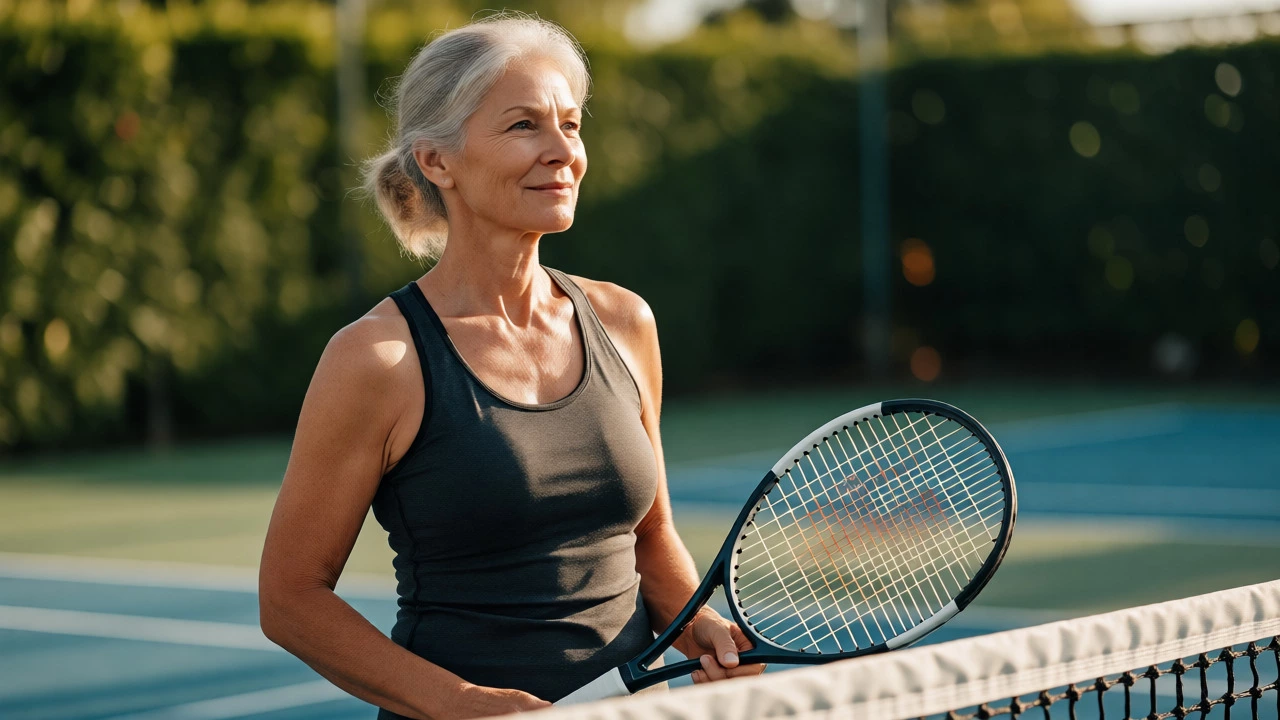
You’re watching a match on TV, or maybe you just walked past the local courts and heard that satisfying thwack of ball meeting strings. A thought pops up: "I should try that." Then comes the immediate counter-thought: "But I’m 40. Or 50. Or 60. Isn’t it too late?"
Here is the blunt truth: There is no such thing as being "too old" to start playing Tennis. In fact, if you are over 30, you might actually have an advantage over a 12-year-old prodigy in terms of consistency, tactical understanding, and injury prevention awareness. The idea that tennis is exclusively a young person’s game is a myth left over from an era when professional players retired at 28. Today, the landscape has changed completely.
The Myth of the Aging Athlete
Let’s look at the data before we let fear dictate our choices. Professional tennis has seen a significant shift in peak performance ages. Players like Roger Federer competed at a Grand Slam final level well into his late 30s. Novak Djokovic is still dominating the tour in his mid-30s. If the best athletes in the world can sustain high-level play into their forties, what does that say about your ability to hit a yellow ball over a net at 50?
Biologically, yes, recovery times increase after age 30. Your joints don’t bounce back as quickly after a hard sprint. But here is the secret most beginners miss: You aren’t training to win Wimbledon. You are training for health, social connection, and mental sharpness. The physiological demands of recreational tennis are vastly different from professional circuit tennis. You control the intensity. You control the duration. That autonomy makes tennis uniquely suitable for older adults.
Why Older Beginners Often Learn Faster
It sounds counterintuitive, right? Kids have neuroplasticity on their side. They learn motor skills faster. True. But kids also lack discipline, patience, and strategic thinking. When you pick up a racket at 45, you bring decades of life experience to the court.
- Tactical Awareness: You understand cause and effect. You know that hitting the ball harder isn’t always better than placing it accurately. Young players often swing out of their shoes trying to impress; you are more likely to construct points logically.
- Emotional Regulation: Have you ever watched a 10-year-old throw a tantrum because they missed an easy volley? Adults generally handle frustration better. This emotional stability translates directly to better shot selection under pressure.
- Injury Prevention: Older adults tend to respect warm-ups and cool-downs more than teenagers who think they are invincible. You are less likely to tear a hamstring by skipping stretches.
Studies on skill acquisition suggest that while raw speed declines with age, cognitive processing speed and pattern recognition remain strong or even improve with practice. Tennis is 70% mental. If you can read the opponent’s shoulder turn, you can anticipate the shot. That is a skill that gets sharper with age, not duller.
Physical Realities: What Changes After 40
We need to be realistic. Starting tennis at 50 is not the same physically as starting at 15. Here is what you need to prepare for:
| Factor | Age 15-25 | Age 40+ | Mitigation Strategy |
|---|---|---|---|
| Recovery Time | Fast (24 hours) | Slow (48-72 hours) | Schedule rest days; prioritize sleep. |
| Joint Flexibility | High | Reduced | Daily stretching; dynamic warm-ups. |
| Bone Density | Peak | Declining | Weight-bearing exercises; calcium intake. |
| Mental Focus | Variable | Stable/Disciplined | Leverage experience for strategy. |
The biggest hurdle isn’t strength; it’s flexibility. Tight hips and stiff shoulders lead to bad form, which leads to injury. If you sit at a desk all day, your hip flexors are short. Tennis requires rotation. If you can’t rotate, you compensate with your lower back. Boom-back pain. Before you buy a racket, spend three weeks doing mobility work. Focus on hip openers and thoracic spine rotations. It’s boring, but it keeps you on the court.
Modifying the Game for Longevity
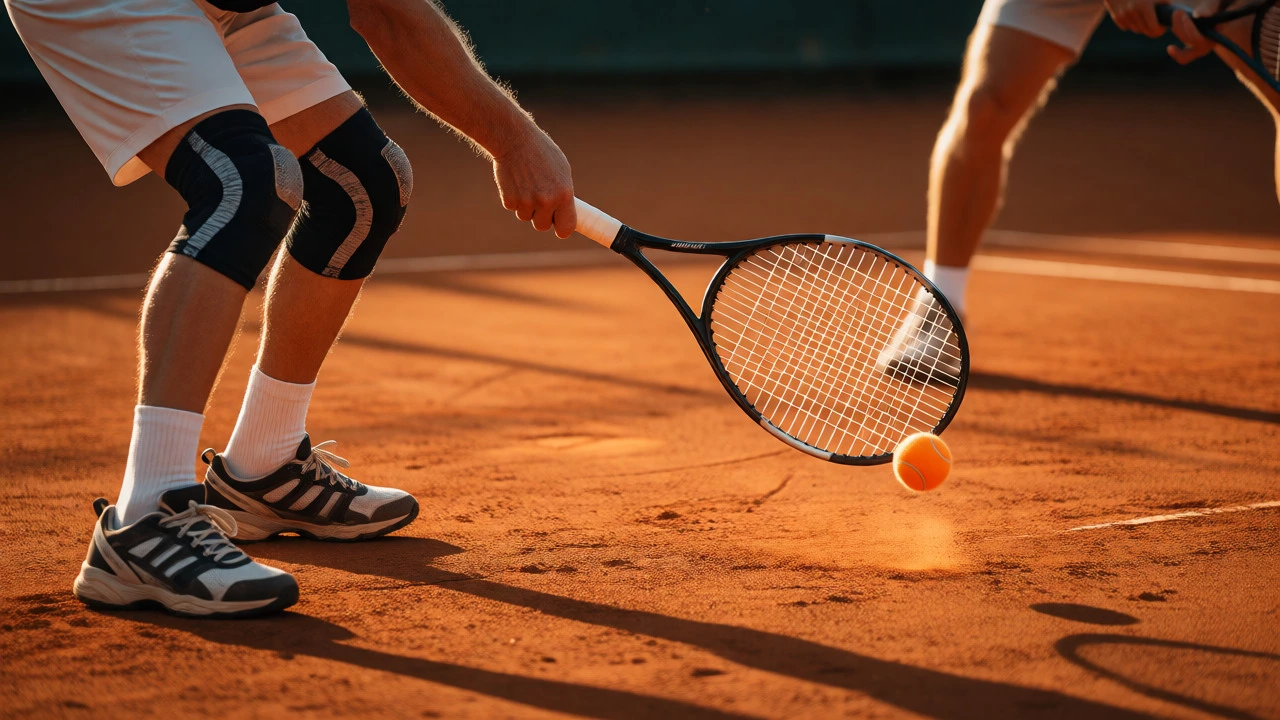
You don’t have to play like Nadal. You can modify the rules to suit your body. Many clubs now offer "Senior Tennis" or "Social Tennis" formats that reduce physical strain without reducing fun.
- Use Softer Balls: Standard yellow balls are fast and heavy. Try Orange or Green transition balls. They bounce lower and move slower, giving you more time to set up your shots. This reduces joint impact significantly.
- Play Doubles More Than Singles: Singles covers 78 feet of length. Doubles splits the court. You cover half the distance, meaning fewer sprints and less stress on knees and ankles. Plus, doubles is more social.
- Shorten Matches: Instead of playing best-of-three sets, play first-to-four games or timed matches. Stop before you feel exhausted. Ending a session feeling fresh ensures you want to come back next week.
Equipment matters too. Do not buy the heaviest, stiffest racket used by pros. Look for a lighter frame (under 300 grams) with a larger head size (100+ square inches). These rackets generate power for you, so you don’t have to swing as hard. A softer string tension (around 45-50 lbs) also absorbs shock, protecting your elbow from lateral epicondylitis, commonly known as tennis elbow.
The Social and Mental Payoff
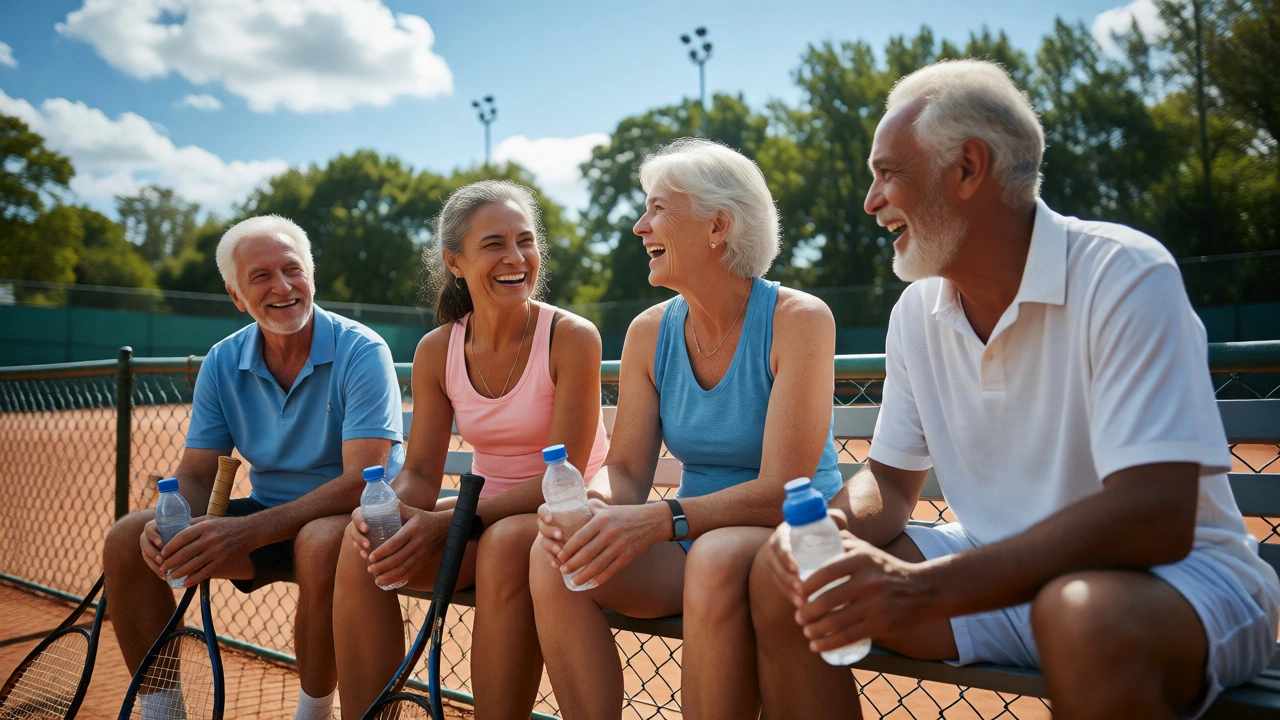
If you ask any senior player why they keep coming back, they rarely cite calorie burn. They cite community. Tennis is one of the few sports where you interact directly with another human being across a net. It forces conversation. It builds friendships.
Research published in journals like The Lancet Psychiatry suggests that team sports or partner-based activities significantly reduce symptoms of depression and anxiety compared to solo exercises like running. For adults facing retirement or empty nests, the tennis club becomes a third place-not home, not work, but a hub of activity. The mental engagement required to track scores, judge lines, and strategize keeps the brain active. It’s cognitive fitness disguised as recreation.
Getting Started: A Practical Roadmap
So, how do you actually begin without hurting yourself or quitting after two weeks? Follow this simple progression:
- Week 1-2: Lessons Only. Hire a coach for four private sessions. Do not play matches yet. Learn the grip, the stance, and the basic stroke mechanics. Bad habits formed early are painful to break later.
- Week 3-4: Drills with a Partner. Find a friend of similar ability. Rally gently. Focus on keeping the ball in play, not winning points. Consistency beats power every time.
- Month 2: Join a Ladder or Clinic. Most clubs have beginner-friendly clinics specifically for adults. The environment is supportive, and everyone is learning. Avoid jumping straight into competitive leagues where players might expect higher fitness levels.
- Ongoing: Cross-Train. Play tennis twice a week. On other days, swim, cycle, or do yoga. Give your tennis-specific muscles a break while maintaining overall cardiovascular health.
Remember, progress is slow. You will miss easy shots. You will double-fault. Laugh it off. The joy of tennis comes from those rare moments when everything clicks-a perfect cross-court winner, a lucky net cord, a long rally that ends with a smile. Those moments are worth every awkward swing.
Frequently Asked Questions
Can I start tennis at 60?
Absolutely. Many people start in their 60s and enjoy years of active play. The key is managing intensity. Use softer balls, play doubles, and focus on placement rather than power. Consult your doctor if you have pre-existing heart or joint conditions, but generally, tennis is highly adaptable to senior bodies.
Is tennis bad for my knees?
Tennis can put stress on knees due to stopping and starting motions. However, it is not inherently bad for them. Proper footwear with good cushioning and support is critical. Strengthening the quadriceps and hamstrings through off-court exercises protects the knee joint. Playing on clay or grass surfaces is gentler on joints than hard courts.
Do I need expensive equipment to start?
No. You need a decent racket, comfortable athletic shoes, and appropriate clothing. Many clubs rent rackets for beginners. Once you commit, invest in proper tennis shoes designed for lateral movement. Avoid running shoes, which lack side-support and can cause ankle rolls. A mid-range racket ($80-$120) is sufficient for the first year.
How many calories does tennis burn for an older adult?
A moderate-intensity doubles match burns approximately 200-300 calories per hour for an average adult. Singles can burn 400-600 calories depending on intensity. While not as high as running, the combination of cardio and muscle engagement provides excellent metabolic health benefits, especially for weight management.
What is the best surface for beginners?
Clay courts are ideal for beginners and older players. They are slower, allowing more time to react, and they are softer, reducing impact on joints. Hard courts are common but unforgiving. Grass is rare and slippery. If you have a choice, start on clay or indoor carpeted courts.