
How to Burn 1000 Calories a Day: Safe Gym Workouts & Strategies

Daily Calorie Burn Planner
Results
Ready to Plan💡 Strategy Tip
Enter your weight and activity durations above to see personalized recommendations based on the article's strategies.
Activity Breakdown
| Activity | Duration | Calories |
|---|---|---|
| No activities added yet | ||
Walking into the gym with a goal to burn 1000 calories in a single day sounds intense. For most people, it is an ambitious target that requires more than just showing up for an hour of cardio. In fact, burning that much energy through exercise alone is physically demanding and often unsustainable if you are not already an endurance athlete. The good news? You don’t have to run a marathon to hit this number. By combining high-intensity workouts with smart lifestyle adjustments, you can create a daily deficit that reaches your goal without burning out.
The Math Behind Burning 1000 Calories
Before you step onto the treadmill, it helps to understand what 1000 calories actually represents. An average adult burns between 1,800 and 2,500 calories just by existing-this is your Basal Metabolic Rate (BMR). This covers breathing, circulation, and cell production. When we talk about "burning" calories, we usually mean expending extra energy beyond this baseline through physical activity.
To lose weight safely, experts generally recommend a daily deficit of 500 to 1,000 calories. However, trying to burn 1000 calories purely through gym sessions means you need to work hard. A 180-pound person running at a moderate pace of 6 mph burns roughly 600-700 calories per hour. To hit 1000, you would need to run for nearly two hours straight. That is grueling. Instead, the most effective strategy combines high-output exercise with non-exercise activity thermogenesis (NEAT) and dietary control.
High-Impact Gym Workouts for Maximum Burn
If you want to maximize calorie expenditure during your time at the gym, you need activities that engage large muscle groups and keep your heart rate elevated. Here are the most efficient methods:
- High-Intensity Interval Training (HIIT) is a workout method alternating short bursts of intense anaerobic exercise with less intense recovery periods. A typical session lasts 20-30 minutes but can burn 300-400 calories due to the "afterburn effect" (EPOC), where your body continues burning calories hours after the workout.
- Circuit Training is a form of exercise combining resistance exercises with minimal rest in between. By moving from one station to another-say, from squats to push-ups to kettlebell swings-you keep your heart rate high while building strength. A 60-minute circuit can easily torch 500-600 calories.
- Rope Skipping is a cardiovascular exercise involving jumping over a rope swung around the head and legs. It is incredibly efficient; ten minutes of skipping can burn as many calories as fifteen minutes of jogging. Incorporating double-unders or speed variations increases the intensity significantly.
- Rowing Machine is a full-body cardiovascular equipment used for simulating the motion of watercraft rowing. Because it engages 86% of your muscles, including legs, back, and arms, it provides a massive calorie burn. A vigorous 30-minute row can expend 300-400 calories.
Combining Strength and Cardio
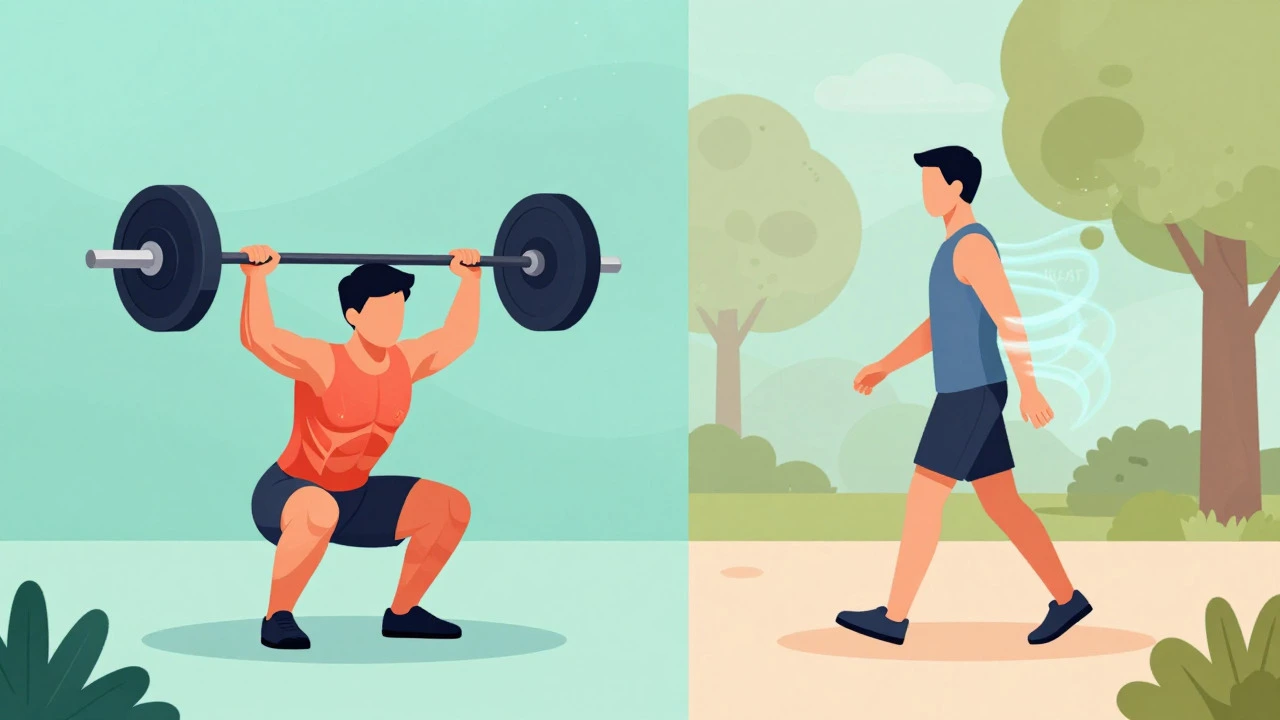
Many people make the mistake of choosing either weights or cardio. To burn 1000 calories effectively, you should blend both. Muscle tissue is metabolically active, meaning it burns more calories at rest than fat tissue does. By incorporating compound lifts like deadlifts, squats, and bench presses, you build muscle that boosts your long-term metabolism.
Try a superset approach. Perform a heavy compound lift, such as barbell squats, followed immediately by a cardio burst, like 30 seconds on the assault bike. Repeat this cycle for 45 minutes. This method keeps your adrenaline high and prevents your body from adapting to a steady state, which happens when you do the same low-intensity cardio every day.
| Activity | Duration | Estimated Calories Burned | Intensity Level |
|---|---|---|---|
| Running (6 mph) | 60 mins | ~650 kcal | Moderate-High |
| HIIT Session | 30 mins | ~350 kcal (+ EPOC) | Very High |
| Rowing Machine | 30 mins | ~300 kcal | High |
| Circuit Training | 45 mins | ~400 kcal | High |
| Rope Skipping | 20 mins | ~250 kcal | Very High |
The Role of NEAT in Your Daily Total
You cannot rely on the gym alone. Non-Exercise Activity Thermogenesis (NEAT) refers to all the calories you burn doing everything that isn't sleeping, eating, or sports-like exercise. This includes walking to the car, typing, cleaning, and fidgeting. For some people, NEAT accounts for up to 50% of their daily energy expenditure.
To help reach your 1000-calorie goal, focus on increasing your steps outside the gym. Aim for 10,000 to 12,000 steps daily. If you take a 30-minute walk after lunch and another after dinner, you can add 300-400 calories to your daily burn without touching a dumbbell. This "background" burning is crucial because it doesn't spike cortisol levels the way intense exercise does, making it easier to sustain long-term.
Nutrition: The Other Half of the Equation
Burning 1000 calories through movement is tough. Creating a 1000-calorie deficit through diet is often more manageable, though it must be done carefully to avoid nutrient deficiencies. Remember, a calorie is a unit of energy. If you consume fewer calories than your Total Daily Energy Expenditure (TDEE), you will lose weight.
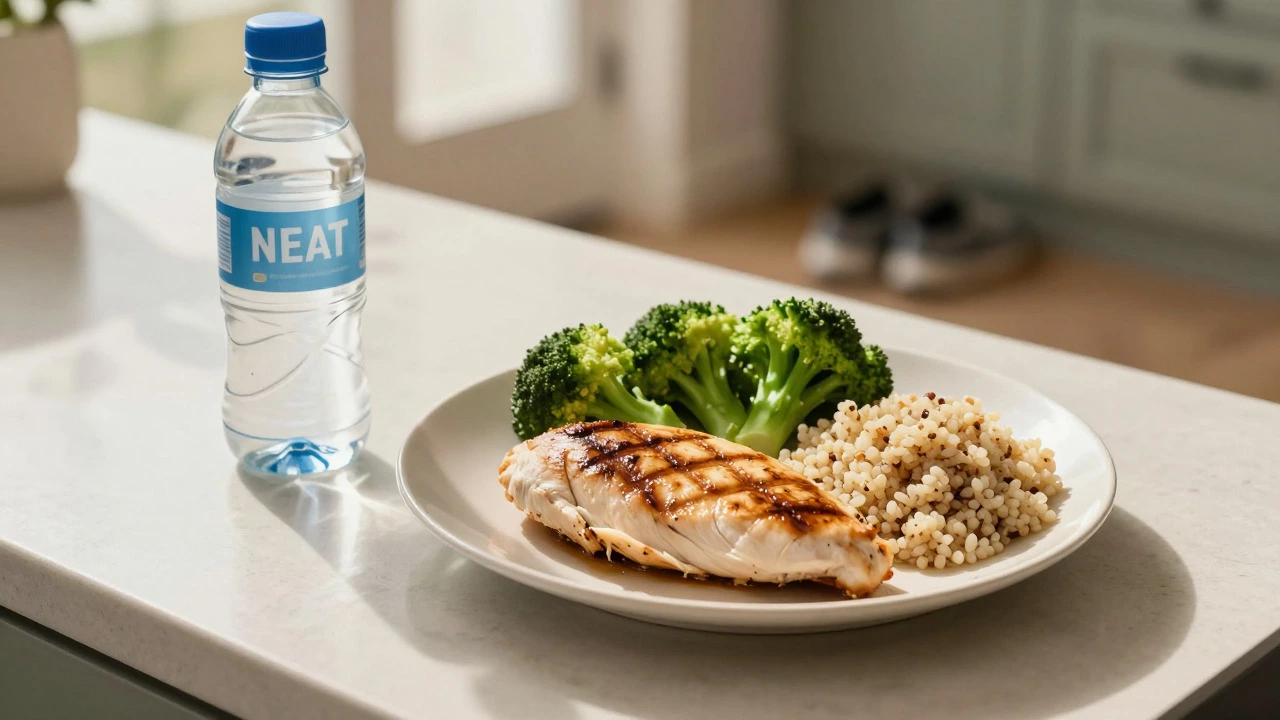
Focus on protein-rich foods. Protein has a high thermic effect, meaning your body uses more energy to digest it compared to fats or carbs. Eating lean chicken, fish, tofu, or legumes keeps you fuller longer and preserves muscle mass while you cut calories. Avoid liquid calories like sugary sodas or fancy coffee drinks, as they add up quickly without providing satiety.
Safety First: Avoiding Burnout and Injury
Pushing too hard too fast is the fastest way to quit. If you are new to fitness, jumping straight into 1000-calorie days can lead to overtraining syndrome, characterized by fatigue, insomnia, and decreased performance. Listen to your body. Start with a 300-500 calorie deficit and gradually increase as your fitness improves.
Hydration is also critical. Intense sweating leads to electrolyte loss, which can cause cramps and dizziness. Drink water before, during, and after your workouts. If you feel lightheaded or experience sharp pain, stop immediately. Consistency beats intensity every time. It is better to burn 500 calories consistently for six months than to burn 1000 for a week and then get injured.
Sample Daily Plan to Hit Your Goal
Here is how you might structure a day to approach a 1000-calorie expenditure through combined effort:
- Morning: 20-minute brisk walk or light jog (150 calories).
- Gym Session: 45 minutes of HIIT or Circuit Training (400 calories).
- Midday: Active commute or standing desk work (100 calories via NEAT).
- Afternoon: 30-minute post-lunch walk (150 calories).
- Evening: Light stretching or yoga to aid recovery (50 calories).
- Diet: Create a 200-calorie deficit through mindful portion control.
This approach spreads the load throughout the day, preventing exhaustion and keeping your metabolism active. It balances structured exercise with natural movement, making it sustainable for busy schedules.
Is it safe to burn 1000 calories a day?
For most healthy adults, creating a 1000-calorie deficit daily is safe if done gradually and combined with proper nutrition. However, burning 1000 calories purely through exercise is extreme and may lead to injury or burnout. It is safer to combine moderate exercise with dietary adjustments.
What is the best exercise to burn the most calories?
Running, rowing, and HIIT are among the most effective exercises for burning calories. Running at a steady pace burns a high number of calories per minute, while HIIT creates an afterburn effect that continues calorie burning post-workout.
Can I burn 1000 calories just by walking?
Yes, but it takes time. A 180-pound person needs to walk approximately 15-17 miles to burn 1000 calories. This is impractical for most people, so combining walking with other activities is more efficient.
Does lifting weights burn calories?
Yes, lifting weights burns calories during the workout and builds muscle mass, which increases your resting metabolic rate. While the immediate burn may be lower than cardio, the long-term benefits for weight management are significant.
How long does it take to see results from burning 1000 calories a day?
With a consistent 1000-calorie daily deficit, you could theoretically lose about 2 pounds per week. Visible changes typically appear within 2-4 weeks, depending on your starting point and adherence to the plan.