
How to Find Your Foot Type for the Perfect Running Shoes
Running Shoe Finder
Identify your foot type and find the perfect shoe category
Step 1: What does your arch look like?
Think of the "Wet Foot Test" or your arch height while standing.
Step 2: Check your shoe wear patterns
Look at the soles of your most-worn sneakers.
Your Result: ...
Quick Takeaways for Your Next Shopping Trip
- Low Arches: Usually lead to overpronation; look for stability or motion-control shoes.
- Medium Arches: Often neutral; versatile shoes work best.
- High Arches: Usually lead to supination; prioritize cushioning and flexibility.
- The Goal: Find a balance where the shoe supports your weak points without forcing your foot into an unnatural position.
The DIY Home Tests to Identify Your Arch
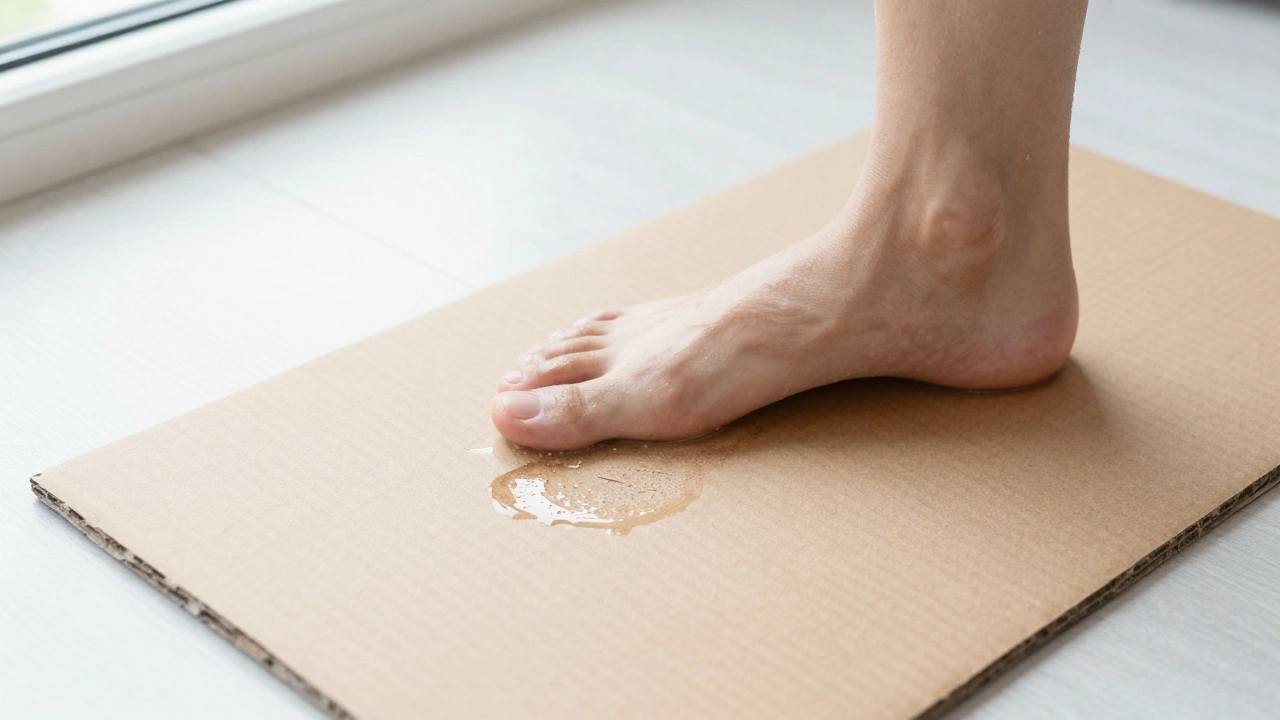
Before you head to a specialty store, you can get a pretty good idea of what's going on with your feet using a few simple tricks. The most famous is the "Wet Foot Test." It sounds messy, but it's effective because it shows you exactly how your weight is distributed when you stand. To do this, wet the bottom of your foot and step onto a piece of brown cardboard or a concrete walkway. Look at the footprint left behind. If you see a full imprint of your foot with almost no curve inward, you have flat feet. If you see a distinct curve on the inside but the middle is filled in, you're likely neutral. If you only see the heel and the ball of your foot with a very thin line or nothing at all connecting them, you've got high arches. Another way to check is the "Table Test." Sit in a chair and place your foot flat on a table. If your foot stays flat and doesn't seem to "cave in" or lift at the edges, you're probably neutral. If the arch collapses and the foot flattens completely, that's a sign of low arches. If the inside of your foot stays high and feels like it's barely touching the surface, you're dealing with high arches.Understanding Gait and Pronation
Your arch is the structure, but Pronation is the action. It's the natural inward rolling of the foot as it hits the ground, which helps absorb shock. However, when this movement goes too far or doesn't happen enough, you run into problems. Overpronation occurs when the foot rolls inward excessively. This is common for people with flat feet. Because the arch doesn't provide enough support, the ankle collapses inward, putting stress on the big toe and the inner side of the leg. If you notice the inner edges of your current sneakers are worn down significantly more than the outer edges, you're an overpronator. On the flip side, Supination (or underpronation) is when the foot doesn't roll inward enough. The weight stays on the outer edge of the foot. This is typical for those with high arches. Since the foot is more rigid, it doesn't absorb shock well, which sends the impact straight up into your knees and hips. Check your old shoes; if the outside edge of the sole is shaved down while the inside is pristine, you're supinating. Neutral Gait is the gold standard. The foot rolls inward slightly-about 15%-which is just enough to absorb the shock of the pavement without losing stability. Most people with medium arches fall into this category.Matching Your Foot Type to the Right Shoe Category
Now that you know your type, you need to pick the right tool for the job. Shoe brands generally divide their lineup into three main categories. If you pick the wrong one, you're essentially wearing a cast that's forcing your foot to move in a way it wasn't designed for.| Foot Type | Gait Pattern | Recommended Shoe Type | Key Feature to Look For |
|---|---|---|---|
| Flat / Low Arch | Overpronation | Stability or Motion Control | Medial Post (Firm Foam on Inside) |
| Medium Arch | Neutral | Neutral Cushioning | Balanced Support |
| High Arch | Supination | Cushioned / Neutral | High Flexibility & Shock Absorption |
The 'Wear Pattern' Analysis: A Real-World Clue
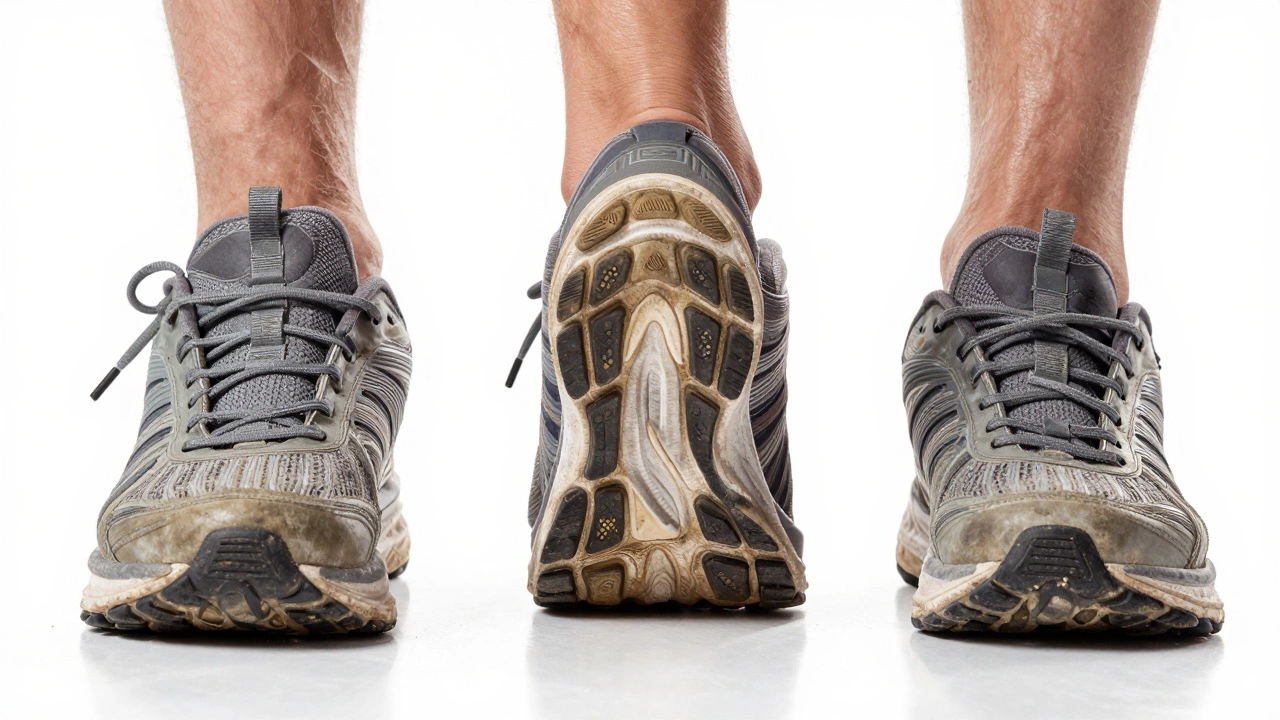
If you're still unsure, go to your closet and grab the pair of sneakers you've worn the most for the last six months. Set them on a flat surface and look at them from behind. If the shoes lean inward toward each other at the heels, that's a classic sign of overpronation. If the heels are tilted outward, you're likely a supinator. You can also look at the tread. Overpronators will see heavy wear on the inner front part of the sole. Supinators will see the rubber worn away on the outer edge of the forefoot. Neutral runners show wear on the heel and then a smooth transition to the ball of the foot, with a bit of wear on the outside of the toe.When to See a Professional
While home tests are great for a general idea, they aren't a medical diagnosis. If you have chronic pain in your ankles or knees, or if you've had a history of Plantar Fasciitis (inflammation of the tissue on the bottom of the foot), a professional gait analysis is a must. Many specialized running stores use a treadmill and a high-speed camera to film your stride in slow motion. This allows them to see exactly where your foot strikes and how it rolls. An Orthopedic Podiatrist can take this further by using pressure plates to map exactly where your weight hits the ground. This is the only way to know if you need a custom orthotic or just a specific brand of shoe.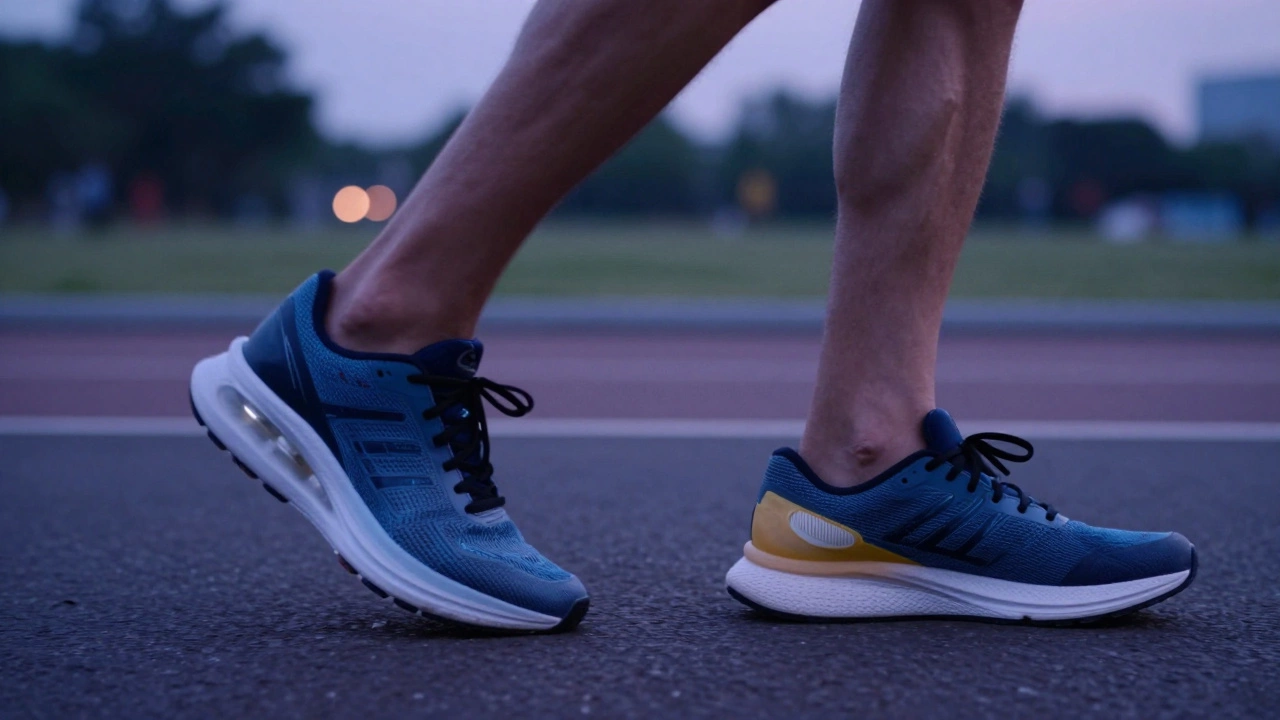
Common Pitfalls to Avoid When Choosing Shoes
One of the biggest mistakes is buying shoes that are too narrow. Many people with flat feet also have wider feet because the arch collapse pushes the foot outward. If you force a wide, flat foot into a narrow neutral shoe, you'll get blisters on the sides of your toes and potentially compress the nerves in your foot. Another trap is relying solely on the "softness" of the foam. Just because a shoe feels like a cloud in the store doesn't mean it's right for you. A high-arched runner needs that softness, but a severe overpronator might find a super-soft shoe too unstable, which can lead to ankle instability and a higher risk of sprains. Lastly, don't forget that your feet change. As you age or gain/lose weight, your arch height and gait can shift. A shoe that worked for you three years ago might not be what you need today. Every 300 to 500 miles, you should re-evaluate your wear patterns and see if your current shoe is still providing the right level of support.Can I change my foot type with exercises?
You cannot change the actual bone structure of your foot, but you can strengthen the muscles and ligaments that support your arch. Exercises like "towel curls" (using your toes to pull a towel toward you) or calf stretches can help reduce the severity of overpronation and improve overall stability.
Should I use insoles if I have flat feet?
It depends on whether you have "flexible' or "rigid" flat feet. If your arch appears when you sit but disappears when you stand, you have flexible flat feet and may benefit from supportive insoles. However, if your foot is flat regardless of position, a custom orthotic from a podiatrist is usually better than a generic store-bought insole.
Do stability shoes cause injuries for neutral runners?
Yes, they can. Stability shoes are designed to push the foot outward. If you already have a neutral gait, this extra push can force your foot into a supinated position, which increases the risk of ankle rolls and puts unnecessary pressure on the outer edge of your foot.
How often should I replace my running shoes?
Most running shoes lose their structural integrity and cushioning between 300 and 500 miles. Even if the tread looks okay, the internal foam may have collapsed. If you start feeling new aches in your knees or hips, it's usually a sign that the midsole can no longer support your foot type.
Is it possible to be an overpronator on one foot and neutral on the other?
Absolutely. Very few people are perfectly symmetrical. It's common to have one arch slightly lower than the other. In these cases, you should generally buy the shoe that supports your "problem" foot, as a stability shoe won't typically hurt a neutral foot as much as a neutral shoe would fail a severe overpronator.