
How to Know If You Are Fit: Real Signs Beyond the Scale

Real Fitness Assessment Tool
Enter Your Metrics
Your Assessment
Enter your data and click "Assess My Fitness" to see your results.
Most people check their weight on the scale first thing in the morning. They stare at the number, hoping it’s lower than yesterday. But here is the hard truth: that number tells you almost nothing about your actual health or ability to live a good life. You can weigh 120 pounds and have terrible circulation, or weigh 250 pounds and run a marathon with ease. So, how do you actually know if you are fit? It isn’t about looking like a magazine cover. It is about how your body performs when you need it to.
Fitness is not a single metric. It is a collection of systems working together. To truly understand where you stand, you need to look at five specific areas: cardiovascular endurance, muscular strength, flexibility, body composition, and recovery speed. These are the real markers that doctors and trainers use to assess long-term health risk.
The Breath Test: Measuring Cardiovascular Health
Your heart and lungs are the engine of your body. If they are weak, everything else suffers. The easiest way to test this without expensive equipment is the "stair test." Find a flight of stairs-maybe ten flights-and walk up them as quickly as possible without running. When you reach the top, check your pulse. If your heart rate spikes over 180 beats per minute and you feel dizzy or gasping for air, your cardiovascular system is struggling. A fit person might be out of breath, but they should recover within two to three minutes.
Another sign is your resting heart rate. For most adults, a normal range is between 60 and 100 beats per minute. However, if you are fit, yours will likely sit closer to 50 or even 40. This means your heart muscle is strong enough to pump more blood with each beat, so it doesn't have to work as hard. You can measure this by checking your pulse immediately after waking up, before you get out of bed. If it’s consistently above 90, it’s time to start adding more walking or jogging to your routine.
What is a healthy resting heart rate?
A healthy resting heart rate for adults typically ranges from 60 to 100 beats per minute. However, well-conditioned athletes often have rates between 40 and 60 beats per minute, indicating a stronger, more efficient heart muscle.
Muscular Strength vs. Endurance
Strength isn’t just about how much weight you can lift in a gym. It is about whether you can carry groceries, play with your kids, or move furniture without injuring yourself. A simple test is the push-up. Can you do ten proper push-ups with good form? If you struggle to do one, your upper body and core strength are lacking. Another indicator is your grip strength. Studies show that weak grip strength is linked to higher risks of heart disease and early mortality. Try squeezing a handgrip device or simply holding a heavy water jug for thirty seconds. If your forearm burns instantly, there is room for improvement.
Endurance is different from raw strength. It is about how long your muscles can keep going. If you walk up a hill and your legs shake uncontrollably, your muscular endurance needs work. This is built through repetitive movements like squats, lunges, or cycling. Aim for exercises that make your muscles tired after twenty to thirty repetitions, rather than failing after five heavy lifts.
Flexibility and Mobility: The Hidden Risks
We often ignore flexibility until we hurt ourselves reaching for something on a high shelf. Poor mobility leads to chronic pain and injury. A basic test is the sit-and-reach. Sit on the floor with your legs straight out in front of you. Reach toward your toes without bending your knees. If you can’t even touch your shins, your hamstrings are tight. Tight hamstrings pull on your lower back, leading to pain and poor posture.
Another critical area is shoulder mobility. Raise your arms overhead and try to clasp your hands behind your head. If it feels restricted or painful, your shoulders lack the range of motion needed for many daily activities. Incorporating dynamic stretching into your morning routine can improve this significantly over time.
Body Composition: Looking Past the Scale
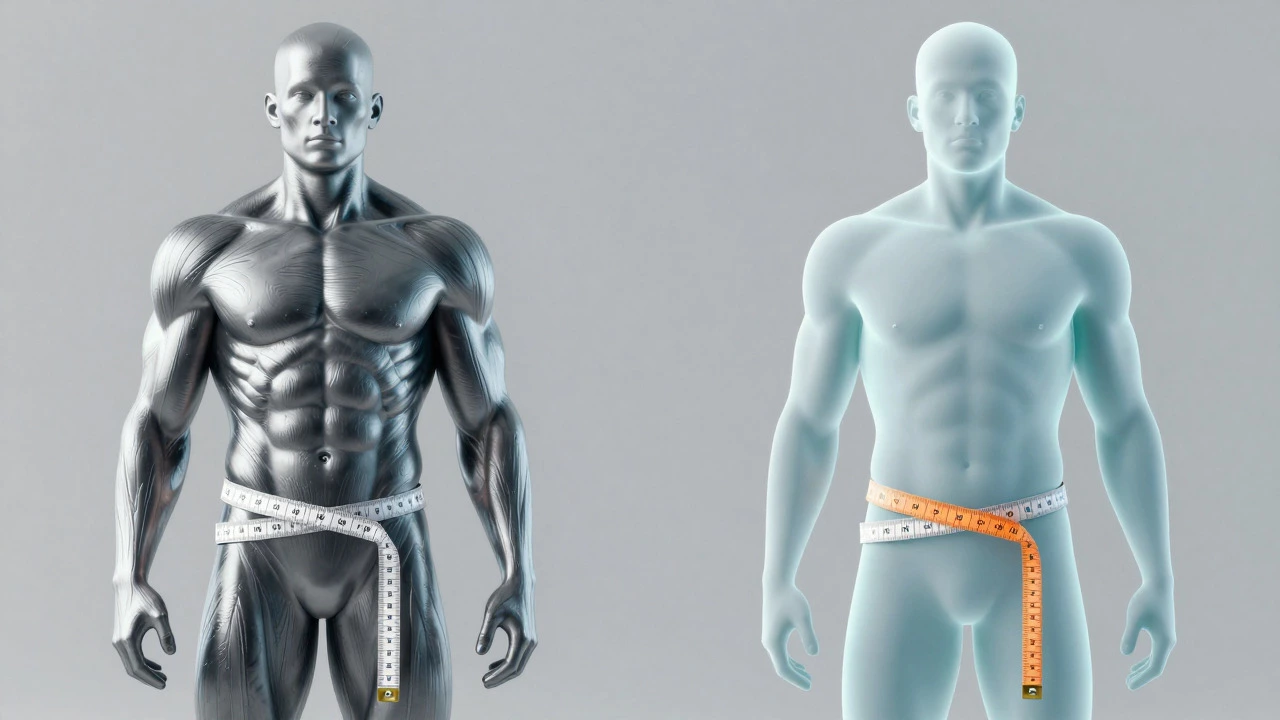
This is where most people get confused. Weight includes bone, muscle, water, and fat. Muscle is denser than fat, meaning it takes up less space. Two people can weigh the same, but one looks lean and athletic while the other appears soft. This is why body composition matters more than total weight. You can estimate this by measuring your waist circumference. For men, a waist size over 40 inches (102 cm) indicates increased health risks. For women, it’s over 35 inches (88 cm). Excess abdominal fat is metabolically active and releases hormones that increase inflammation and insulin resistance.
You don’t need a DEXA scan to know this. Look in the mirror. Do you see definition in your arms and legs? Or does your skin pinch easily around the midsection? Combine this with the waist measurement for a clearer picture of your metabolic health.
| Marker | Healthy Range / Indicator | Risk Threshold |
|---|---|---|
| Resting Heart Rate | 50-70 bpm | >90 bpm |
| Waist Circumference (Men) | <35 inches | >40 inches |
| Waist Circumference (Women) | <30 inches | >35 inches |
| Push-Up Capacity | 10+ reps with good form | <5 reps |
| Recovery Time | Heart rate drops 20 bpm in 1 min | Minimal drop in 1 min |
Recovery Speed: How Fast Do You Bounce Back?
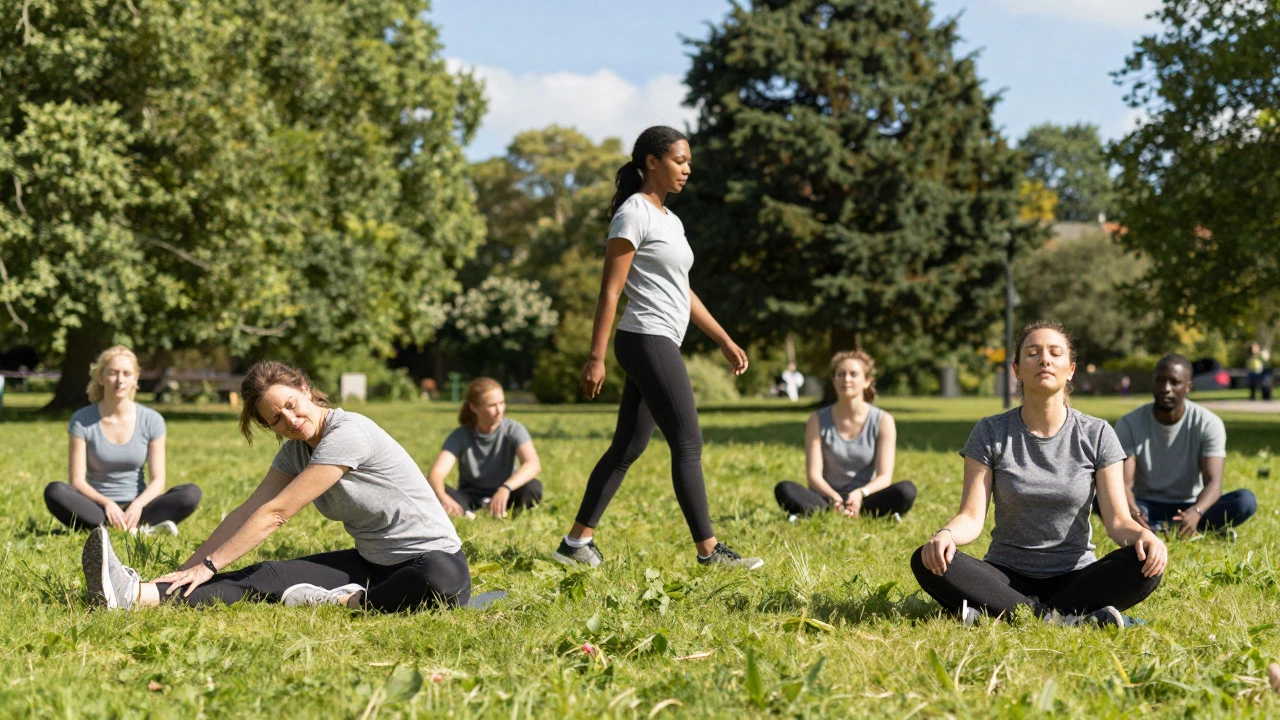
After exercise, how quickly does your body return to normal? This is called recovery. If you go for a jog and your heart rate stays elevated for ten minutes afterward, your autonomic nervous system is stressed. A fit person’s heart rate should drop by at least twenty beats within the first minute of stopping. This shows your vagus nerve is functioning well and your body can switch efficiently from "fight or flight" to "rest and digest."
Sleep quality is another huge indicator. If you exercise regularly but still wake up exhausted, your body isn’t recovering properly. This could mean you are overtraining, under-eating, or dealing with underlying stress. Listen to your energy levels throughout the day. Consistent afternoon crashes suggest your metabolism isn’t handling fuel efficiently.
Blood Pressure and Blood Sugar: The Silent Killers
You can feel great and still have high blood pressure or pre-diabetes. These conditions have no symptoms until they cause damage. That’s why regular check-ups are non-negotiable. Normal blood pressure is below 120/80 mmHg. If it’s consistently above 130/80, you are in the hypertensive range, which strains your arteries and heart. Fasting blood sugar should be under 100 mg/dL. Levels between 100-125 mg/dL indicate pre-diabetes, a warning sign that your cells are becoming resistant to insulin.
These numbers are influenced heavily by lifestyle. Reducing processed sugar, managing stress, and moving daily can bring these metrics back into a healthy range. Don’t wait for a diagnosis; take control now.
Mental Clarity and Mood Stability
Fitness isn’t just physical. Your brain benefits directly from movement. Exercise increases blood flow to the hippocampus, the part of the brain responsible for memory and learning. If you find yourself feeling foggy, anxious, or irritable most days, it might be a sign of poor physical conditioning. Regular aerobic activity releases endorphins and serotonin, natural mood lifters. People who are physically fit report fewer days of mental distress and better sleep quality.
If you notice your mood swinging wildly with small stresses, consider increasing your daily step count. Even a twenty-minute walk can reset your nervous system and improve focus for hours.
Action Plan: Improving Your Fitness Score
Now that you know how to assess yourself, what next? Start small. Pick one area to improve first. If your heart rate is high, add ten minutes of brisk walking every day. If your strength is low, try two sets of bodyweight squats and push-ups three times a week. Track your progress using the tests mentioned above, not just the scale. Re-test every four weeks. You will see improvements faster than you think.
Remember, fitness is a journey, not a destination. It’s about building a body that serves you well for decades, not just looking good for a summer vacation. Be patient, stay consistent, and listen to your body’s signals.
Can I be overweight and still be fit?
Yes. Being "overweight" based on BMI doesn't necessarily mean you are unhealthy. If you have good cardiovascular health, strong muscles, and flexible joints, you can be considered "fat but fit." However, reducing excess body fat further lowers long-term health risks.
How often should I check my fitness levels?
It is recommended to perform self-assessments like the stair test or push-up test every 4-6 weeks. Medical checks for blood pressure and blood sugar should be done annually or as advised by your doctor.
Is flexibility important for older adults?
Absolutely. Flexibility decreases with age, increasing the risk of falls and fractures. Maintaining mobility through stretching and yoga helps preserve independence and reduces chronic pain in later years.
What is the best exercise for overall fitness?
There is no single best exercise. A balanced routine includes cardio (walking, running), strength training (weights, bodyweight), and flexibility work (stretching, yoga). This combination addresses all components of physical fitness.
Does sleeping affect fitness?
Yes, sleep is crucial for recovery. During deep sleep, your body repairs muscle tissue and regulates hormones that control appetite and stress. Poor sleep can hinder fitness gains and increase injury risk.