
How to Tell If Running Shoes Are Worn Out: A Practical Guide
Running Shoe Health Check
Assess the life expectancy of your current pair. Answer the questions below honestly for the best result.
Ready to Assess
Fill out the form above to see if it's time to replace your shoes.
You’ve probably heard the rule of thumb: replace your running shoes every 300 to 500 miles. It’s a solid baseline, but it’s not gospel. I live in Bristol, where the pavement is unforgiving and the rain turns roads into slick surfaces. My shoes degrade differently than they would on a soft forest trail or a pristine treadmill. Relying solely on mileage often leaves you running in dead foam long after the cushioning has surrendered its protective properties. The real question isn’t just how far you’ve gone, but what your body is telling you and what your feet are seeing.
If you’re feeling every crack in the sidewalk through your soles, or if your knees start complaining halfway through a Tuesday evening loop, your gear might be failing you. Let’s break down exactly how to spot the signs that your footwear has reached the end of its life, so you can avoid injuries and keep your runs enjoyable.
The Midsole Memory Test
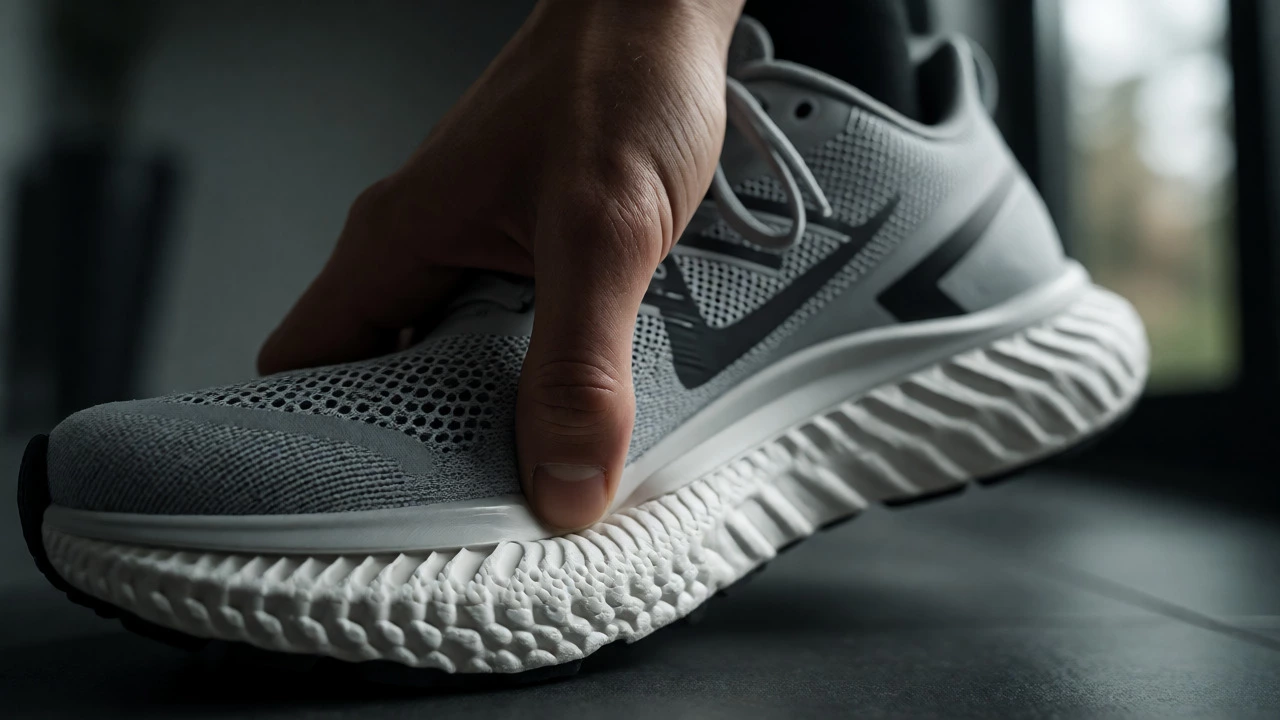
The midsole is the heart of any modern running shoe. It’s usually made from EVA (ethylene-vinyl acetate) or polyurethane foams designed to absorb impact. Over time, these materials lose their ability to rebound. They compress and stay compressed. This is called "packing out," and it happens even if you don’t run in them every day-gravity does its work.
Here is a simple physical test you can do right now. Take off one shoe. Press your thumb firmly into the center of the midsole, the thick part between the outer sole and the upper fabric. Now, try to bend the shoe in half, bringing the toe toward the heel. A fresh pair will resist bending and spring back quickly when you release the pressure. A worn-out pair will fold easily, like a damp cardboard box, and won’t bounce back. If the foam feels hard or mushy rather than resilient, it’s done. You aren’t getting energy return anymore; you’re just walking on plastic.
Inspecting the Outsole Tread Pattern
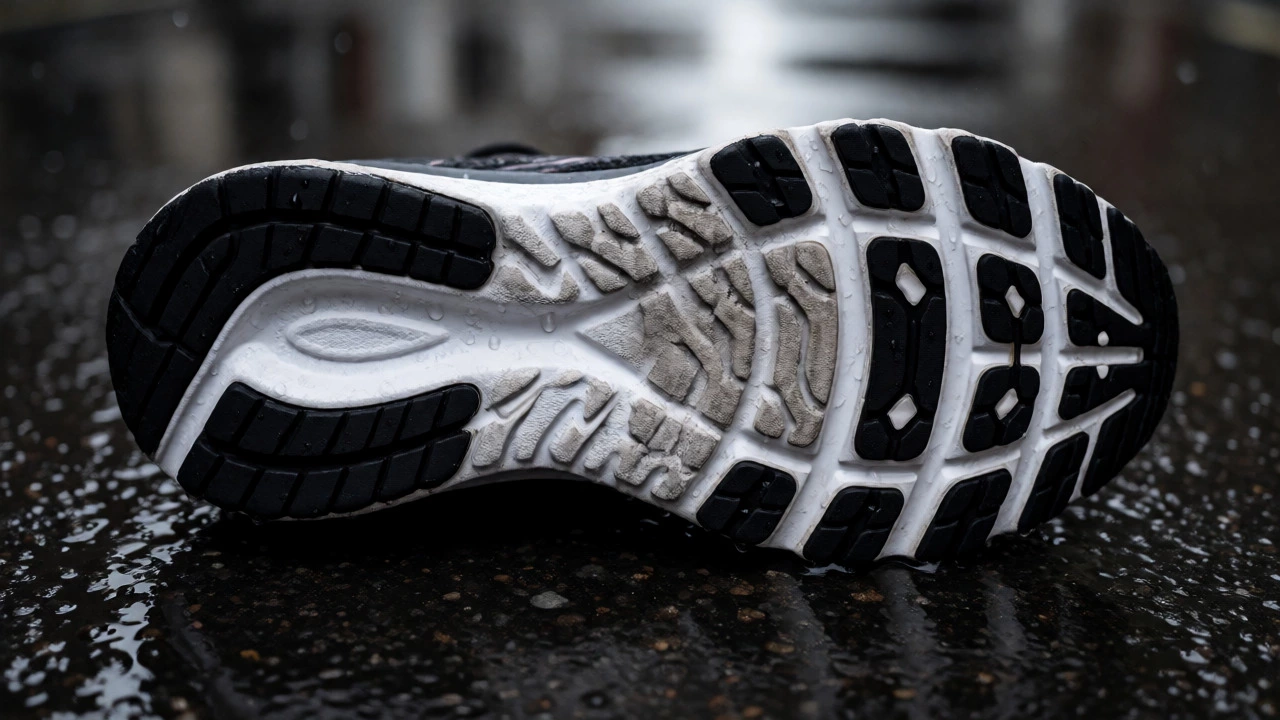
The rubber outsole protects the midsole and provides grip. While some wear is normal, uneven or excessive wear changes your biomechanics. Flip your shoes over and look at the tread blocks. Are they rounded off? Is the pattern completely gone in certain areas?
| Wear Location | Likely Cause | Risk Factor |
|---|---|---|
| Outer Heel Edge | Normal heel-striking gait | Low, unless severe asymmetry exists |
| Inner Forefoot | Overpronation (rolling inward) | High risk of shin splints or knee pain |
| Center Sole | Midfoot striking or flat foot | Medium, indicates loss of lateral stability |
| Toes | Push-off phase wear | Low, but check for exposed midsole |
If you see the white midsole material peeking through the black rubber, you’ve lost your traction layer. On wet Bristol streets, this means slippery conditions. More importantly, once the midsole is exposed to direct abrasion, it degrades rapidly because it wasn’t designed to touch asphalt directly. Replace them immediately if you see this.
The Upper Structure Integrity Check
We often focus on the bottom, but the upper-the mesh and synthetic overlays holding your foot-matters too. Look for stretched-out eyelets, torn seams, or separated glue lines. If the heel counter (the stiff cup at the back) feels flimsy or collapses when you squeeze it, your foot isn’t being locked in place. This leads to slippage inside the shoe, which causes blisters and forces your toes to grip harder to stabilize themselves. That extra tension can lead to cramps or plantar fasciitis.
Also, check the tongue. If it slides around excessively or has holes, water gets in, and debris accumulates. A compromised upper fails to provide the structural support needed during high-impact strides. If your foot feels like it’s swimming inside the shoe, it’s time for a new pair.
Your Body Is the Best Diagnostic Tool
Shoes can look fine visually while being functionally dead. Your body knows before your eyes do. Pay attention to new pains that appear during or after runs. Common red flags include:
- Knee Pain: Often signals poor shock absorption.
- Shin Splints: Can indicate the shoe no longer supports proper alignment.
- Hip Discomfort: Suggests altered gait mechanics due to unstable footing.
- Foot Fatigue: Feet feel tired much sooner than usual.
If you switch to a different pair of shoes for a week and those pains vanish, then reappear when you go back to the old ones, you have your answer. It’s not necessarily that you’re getting older; it’s that your equipment is failing. Don’t ignore persistent niggles. Pushing through them in worn-out gear is a fast track to stress fractures or tendonitis.
Mileage Tracking vs. Real-World Usage
While the 300-500 mile range is a good starting point, several factors accelerate wear. Heavier runners compress foam faster. Runners with aggressive gaits or who strike heavily on their heels destroy outsoles quicker. Trail running adds rocks and mud that abrade rubber. Conversely, lighter runners on smooth tracks might get more life.
I recommend using a simple log. Note the date you bought the shoes and roughly when you started using them. If you run three times a week, five miles each session, you’ll hit 60 miles a month. Four months later, you’re at 240 miles. Add in daily errands, and you might be closer to 300. But again, trust your senses over the calculator. If they feel bad at 250 miles, toss them. If they still feel great at 450, keep going-but monitor closely.

Storage and Care Impact Lifespan
How you treat your shoes when you aren’t wearing them matters. Leaving them in a hot car trunk breaks down adhesives and foam chemistry. Drying them next to a radiator warps the shape and cracks the rubber. Always air-dry them at room temperature, away from direct sunlight. Stuffing them with newspaper helps maintain shape and absorbs moisture without damaging the materials.
Rotating two pairs of shoes allows the foam to decompress fully between runs. Studies suggest that alternating shoes can extend the total combined lifespan by allowing the polymers to recover their elasticity. It also gives you a backup if one pair gets soaked in a sudden UK downpour.
When to Buy New: Decision Checklist
Use this quick checklist to make the final call. If you tick more than two boxes, order a replacement pair today.
- The midsole feels hard or lacks bounce when pressed.
- The outsole tread is bald in key impact zones.
- The upper is torn, stretched, or detached.
- You experience new joint or muscle pain during runs.
- The shoes are visibly creased deeply along the forefoot.
- They have exceeded 500 miles of use.
Remember, running shoes are consumables, not investments. Trying to save money by squeezing an extra month out of dead foam often costs more in physiotherapy bills later. Listen to your feet, inspect your gear regularly, and swap them out when the ride stops feeling smooth.
Can I fix worn-out running shoes?
Generally, no. Once the midsole foam has packed out, it cannot regain its original resilience. While cobblers can repair tears in the upper or add rubber patches to the outsole, they cannot restore the cushioning properties of the foam. For performance running, replacement is the only effective solution.
Do running shoes wear out if I don't run in them?
Yes. Materials like EVA foam degrade over time due to oxidation and gravity, even when stored in a closet. Adhesives can also weaken. Most manufacturers recommend replacing shoes every 6 to 12 months if used regularly, regardless of mileage, as the chemical breakdown affects performance.
Is it safe to run in slightly worn shoes?
It depends on the extent of wear. Slight cosmetic scuffs are fine. However, if the cushioning is compromised or the tread is significantly uneven, you increase the risk of injury. Your joints compensate for the lack of support, leading to strain. It is safer to retire them for casual walking and buy new ones for running.
How does weight affect shoe lifespan?
Heavier runners exert more force on the midsole foam per step. This accelerates the compression set, meaning the foam loses its bounce faster. A runner weighing 90kg may need to replace shoes at 300 miles, whereas a 60kg runner might get 500 miles from the same model.
Should I rotate my running shoes?
Yes, rotating between two pairs is highly recommended. It allows the foam to recover its shape and dry out completely between uses. This practice extends the functional life of both pairs and reduces the likelihood of bacterial growth and odor.