
Is 60 Too Old to Learn How to Swim? A Complete Guide for Beginners
Swimming Lesson Cost & Timeline Estimator
Plan Your Learning Journey
Estimated Total Investment
Total cost including gear and lessons
- Lesson Cost: £0
- Gear Cost: £0
- Total Lessons: 0 sessions
Expected Progress
Loading...
💡 Expert Tip
Loading tip...
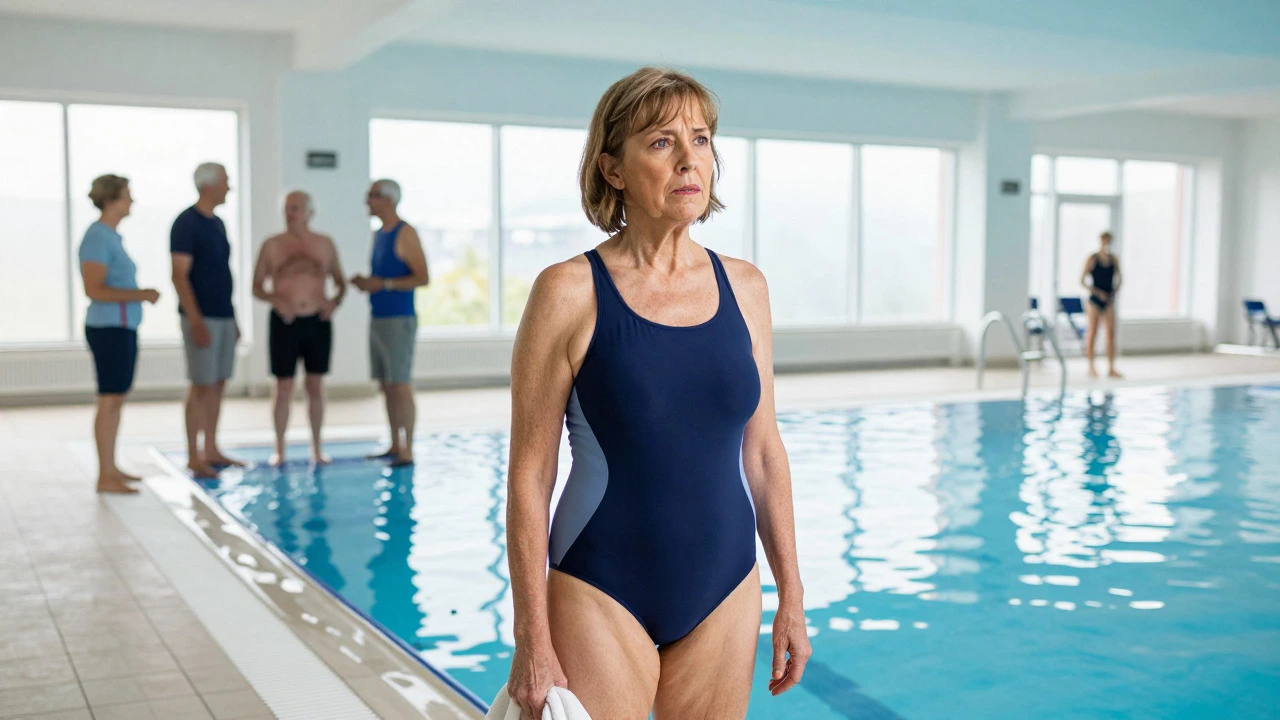
There is a common myth that if you haven't learned to swim by your twenties, you never will. You hear it from well-meaning friends who say, "It's too late," or perhaps even from yourself when you look at the deep end of a pool and feel a sudden wave of panic. But here is the truth: age is just a number, and sixty is absolutely not too old to learn how to swim. In fact, thousands of adults in their sixties, seventies, and beyond are picking up this life-saving skill every year.
Learning to swim later in life offers more than just a new hobby. It provides a low-impact form of exercise that is gentle on joints, improves cardiovascular health, and significantly boosts mental well-being. Whether you want to stay active, enjoy holidays abroad with peace of mind, or simply conquer a childhood fear, starting now is one of the best decisions you can make for your future health.
Why Swimming Is Ideal for Seniors
When we hit our sixties, our bodies change. Joints might ache after a long walk, knees might protest against high-impact activities like running, and recovery times get longer. This is where swimming becomes a game-changer. The buoyancy of water supports about 90% of your body weight, meaning your spine, hips, and knees take minimal stress compared to land-based exercises.
This makes it perfect for people dealing with arthritis or general joint stiffness. The resistance of the water also helps build muscle strength without the heavy pounding associated with weights or impact sports. You aren't just learning to float; you are engaging in a full-body workout that keeps your heart healthy and your muscles toned. Studies have consistently shown that regular swimming can lower blood pressure and improve lung capacity, which is crucial as we age.
Overcoming the Fear Factor
Let’s be honest: the biggest barrier isn't physical ability; it's psychological. Many adults who start lessons at 60 carry a hidden fear of water. Maybe you fell in as a child, or maybe you've just always felt awkward around pools. This anxiety is normal, but it is manageable.
The key is to start small. Don't jump straight into the deep end-literally or figuratively. Begin by getting comfortable with the sensation of water on your face. Practice breathing techniques while holding the pool edge. Trust your instructor to guide you through each step. Most adult swimming programs understand that fear is part of the process. They use gradual exposure methods, ensuring you feel safe and in control before moving to the next stage. Remember, everyone starts somewhere, and there is no shame in taking baby steps.
Choosing the Right Lessons
Not all swimming lessons are created equal, especially for older beginners. You need an environment that caters to adult learners, not just children. Look for classes specifically labeled as "adult beginner" or "senior swimming." These groups often move at a pace that suits mature students, allowing more time for questions and repetition.
In places like Bristol, many local leisure centers offer specialized sessions. When choosing a provider, consider these factors:
- Instructor Qualifications: Ensure the coach has experience teaching adults. Teaching a 10-year-old requires different skills than teaching a 65-year-old who may have specific physical concerns.
- Class Size: Smaller groups (4-6 people) are better for beginners. This ensures you get individual attention and feedback.
- Pool Temperature: Warmer pools are more comfortable for seniors. Cold water can cause muscle tension and make relaxation difficult.
- Schedule Flexibility: Choose times that fit your routine without causing stress. Morning slots are often quieter and less crowded.
If group settings feel overwhelming, private lessons are a great alternative. They allow you to set your own pace and address specific fears directly with the instructor. While more expensive, the personalized approach can accelerate progress and boost confidence faster.
Essential Gear for Comfort and Safety
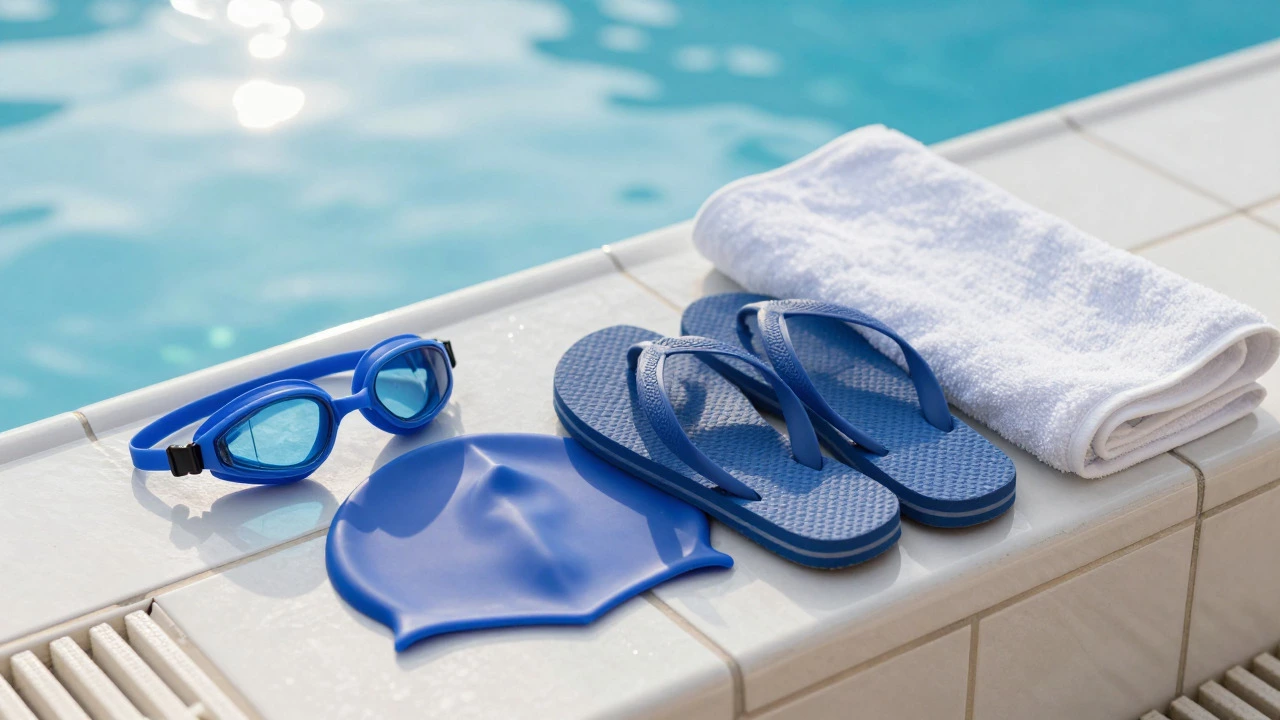
You don't need expensive equipment to start, but having the right basics makes a huge difference. Comfort is key because if you're distracted by uncomfortable gear, you won't focus on learning.
| Item | Why It Matters | Tips for Selection |
|---|---|---|
| Goggles | Prevents eye irritation and helps you see underwater, reducing panic. | Choose soft silicone seals that fit comfortably around your eyes without squeezing. |
| Swim Cap | Keeps hair out of your face and maintains pool hygiene. | Silicone caps are durable and easy to put on. Latex is cheaper but can cause allergies. |
| Swimsuit | Needs to be secure and non-restrictive. | Avoid loose clothing that drags in water. One-piece suits for women and jammers for men work well. |
| Flip Flops | Protects feet from hot surfaces and infections like athlete's foot. | Easy to slip on and off in changing rooms. |
| Towel | Warmth after swimming is crucial to prevent chills. | Bring a large, absorbent towel and a robe if the pool area is cool. |
Don't forget to bring any necessary medications, such as inhalers, and inform your instructor about any medical conditions beforehand. Transparency helps them tailor the session to your needs.
Physical Considerations and Health Checks
Before diving in, it's wise to consult your doctor, especially if you have existing health conditions like heart disease, diabetes, or severe arthritis. Most doctors encourage swimming due to its low-impact nature, but they may advise on precautions, such as avoiding very cold water or limiting session duration initially.
Listen to your body. If you feel dizzy, short of breath, or experience pain, stop immediately and signal your instructor. Hydration is also critical. Even though you're in water, you sweat and lose fluids. Drink water before, during, and after your session. Dehydration can lead to fatigue and cramps, which are dangerous in the pool.
Setting Realistic Expectations
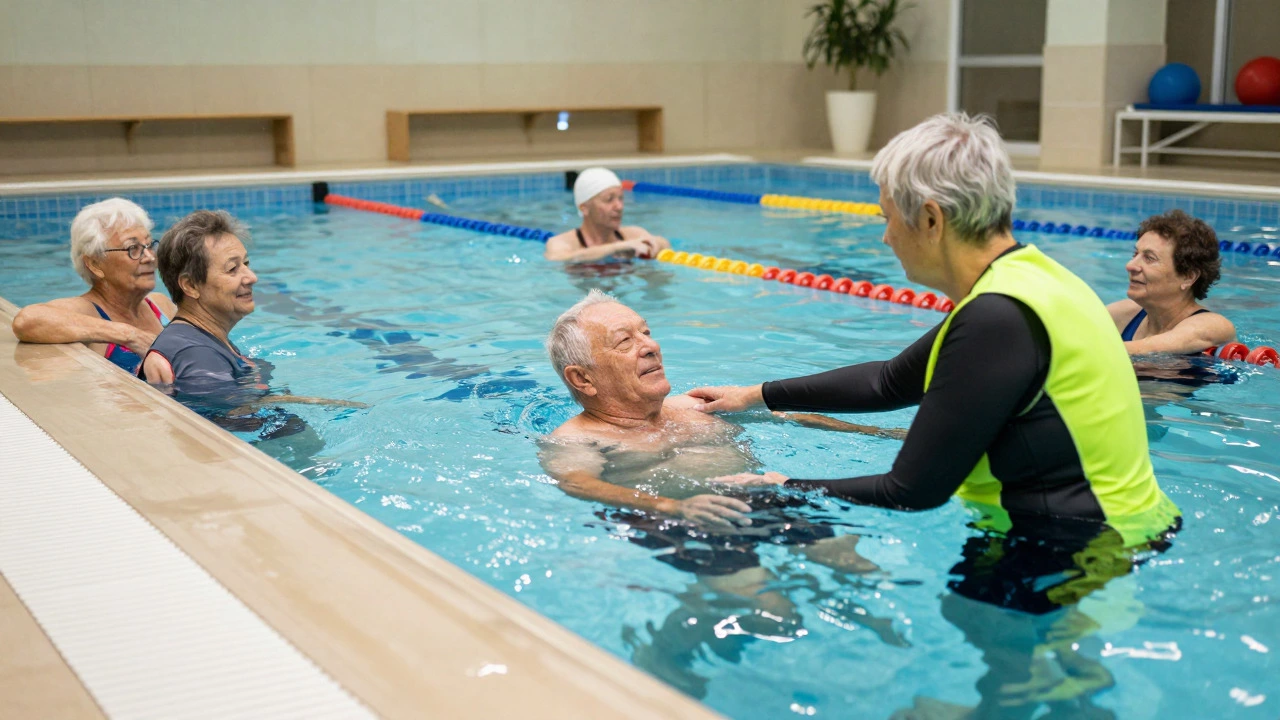
Progress takes time. Unlike children, adults often have ingrained habits and fears that take longer to unlearn. You might spend several weeks just mastering floating and blowing bubbles. That is completely normal. Celebrate small victories, like successfully kicking across the shallow end or holding your breath underwater for ten seconds.
Consistency is more important than intensity. Attending two short lessons a week is better than one long, exhausting session. Regular practice reinforces muscle memory and builds confidence gradually. Over three to six months, most dedicated adult beginners can achieve basic water competence, including treading water and swimming simple strokes like breaststroke or front crawl.
The Social Benefits
Learning to swim at 60 also opens doors to social connection. Adult swimming classes are filled with people from diverse backgrounds who share similar goals. You'll likely find camaraderie among classmates, creating a supportive network. Many swimmers report making lasting friendships through their lessons. This social interaction combats loneliness and adds a joyful element to your fitness journey.
Furthermore, once you gain confidence, you can join community swim groups or aqua aerobics classes. These activities keep you engaged and motivated, turning swimming from a chore into a lifestyle. The sense of achievement you feel when mastering a new skill is incredibly rewarding and boosts self-esteem significantly.
Staying Safe in the Water
Safety should always be your top priority. Always swim in supervised areas with lifeguards on duty. Avoid swimming alone until you are fully confident and competent. If you go to open water, such as lakes or the sea, do so only with experienced companions and proper safety gear like wetsuits and buoyancy aids.
Learn basic water safety rules, such as entering the pool carefully to avoid slips and falls. Wet pool decks are slippery hazards. Use handrails when entering and exiting the water. Knowing how to call for help and understanding pool signals can save lives. Your instructor will teach you these essentials, but reinforcing them at home is beneficial.
How long does it take for a 60-year-old to learn to swim?
The timeline varies based on frequency of lessons and individual comfort levels. On average, attending two lessons per week, most adults achieve basic water confidence within 3 to 6 months. Mastery of strokes may take longer, often 6 to 12 months of consistent practice.
Are swimming lessons expensive for seniors?
Costs vary by location and provider. Group classes are generally affordable, ranging from £10 to £20 per session. Private lessons cost more, typically £30 to £60 per hour. Many leisure centers offer discounts for seniors or package deals for multiple sessions.
Can I learn to swim if I have arthritis?
Yes, swimming is highly recommended for arthritis sufferers due to its low-impact nature. The warm water soothes joints, and the buoyancy reduces pain. Inform your instructor about your condition so they can modify exercises to suit your range of motion.
What should I wear to my first swimming lesson?
Wear a comfortable swimsuit that stays in place. Bring goggles, a swim cap, flip-flops, and a towel. If you have sensitive skin, consider bringing your own sunscreen or rash guard. Dress warmly afterwards to avoid chills.
Is it safe to swim alone as a beginner?
No, beginners should never swim alone. Always swim in supervised pools with lifeguards present. As you gain confidence and competency, you can swim with a buddy, but solo swimming is reserved for experienced swimmers who know the risks and safety protocols.