
Is 7 too old to learn to swim? The truth about starting swimming lessons later
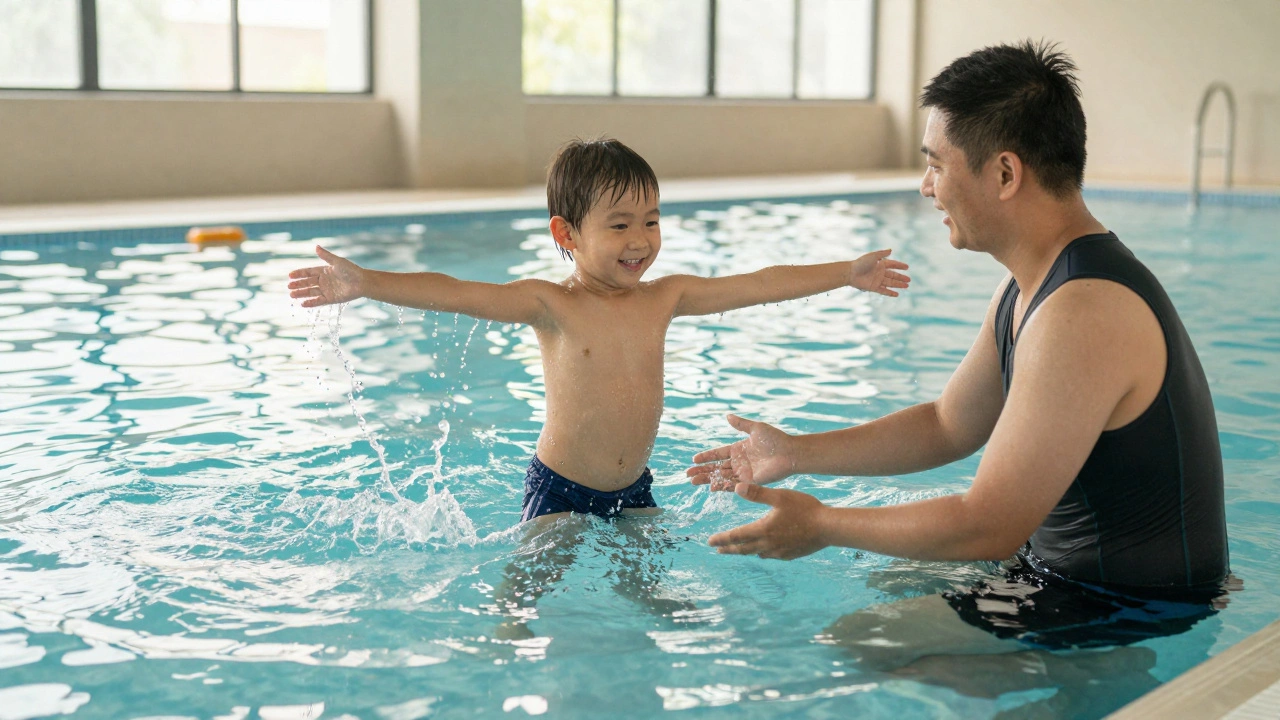
Swimming Progress Tracker
Track your child's swimming milestones based on expert recommendations from the article. This tool helps estimate progress based on your child's current ability and provides encouragement as they develop confidence in the water.
Estimated time to reach basic swimming safety skills:
Based on your child's age (7) and current ability level. Remember: progress varies based on patience, consistency, and individual confidence.
Every year, parents ask the same question: Is 7 too old to learn to swim? The answer isn’t a simple yes or no-it’s much more practical than that. If your child is seven and hasn’t been in a pool much, it’s not too late. Not even close. In fact, many kids who start swimming lessons at seven end up loving it, becoming confident, and even competing. The real issue isn’t age-it’s fear, confidence, and how the lessons are taught.
Why 7 isn’t too late
Children develop at different speeds. Some start swimming at three, others at ten. There’s no magic cutoff. By age seven, most kids have the physical coordination, attention span, and emotional awareness to learn swimming properly. They can follow multi-step instructions, understand safety rules, and even remember what to do if they panic in water. That’s more than enough to make real progress.
Think about it: kids who start at seven often catch up faster than those who started earlier but never practiced. Why? Because they’re motivated. They’ve seen friends swim, maybe even watched a school swimming lesson, and they want to join in. That drive matters more than how early they started.
What happens when kids start late
I’ve seen it happen in community pools across Bristol. A seven-year-old walks into the shallow end, arms crossed, eyes wide. They don’t want to put their face in the water. They’re scared. That’s normal. But after three or four lessons, something shifts. They float. They kick. They blow bubbles. Then, one day, they swim a whole length-on their own.
It’s not magic. It’s repetition. It’s trust. It’s a patient instructor who doesn’t push, but guides. Kids who start late often build stronger technique because they’re learning with full awareness. They’re not just splashing around-they’re learning why they do each movement.
Common fears-and how to beat them
The biggest barrier for seven-year-olds isn’t physical. It’s fear. Fear of water going up their nose. Fear of sinking. Fear of being laughed at. These aren’t silly fears. They’re real. And they’re common.
Here’s what works:
- Start in shallow water where they can stand. Let them get used to the feel of water on their skin before anything else.
- Play games. Blowing bubbles through a straw underwater? That’s a game. Floating like a starfish? That’s a challenge. Make it fun, not a test.
- Don’t force submersion. Let them dip their face in when they’re ready. Forcing it creates lasting anxiety.
- Use floatation aids, but not as crutches. A kickboard or arm bands help build confidence, not dependence.
One parent told me her daughter cried every lesson for two weeks. Then, one day, she swam to the wall without holding on. She screamed-not from fear, but joy. That’s the moment that counts.
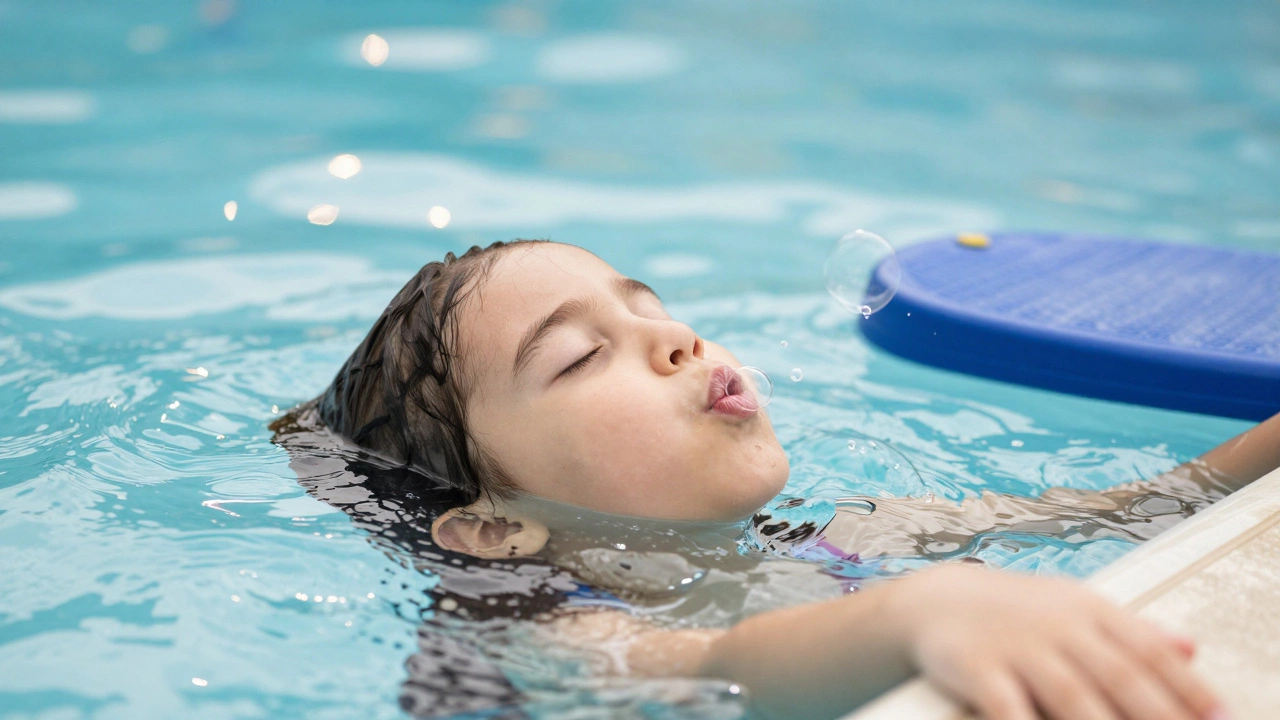
How swimming lessons change everything
Swimming isn’t just about staying afloat. It’s about safety. In the UK, drowning is the third leading cause of accidental death in children under 15. But kids who learn to swim are 88% less likely to drown, according to the Royal Life Saving Society. That’s not a small number. It’s life-saving.
At seven, kids can learn to:
- Turn onto their back and float if they panic
- Use their arms and legs to move toward safety
- Recognize when a pool or open water is unsafe
- Call for help without panicking
These aren’t just skills. They’re survival tools. And they’re easier to teach at seven than at five, because the child actually understands the stakes.
What swimming lessons look like at this age
Good swimming programs for seven-year-olds don’t rush. They build slowly:
- Water adjustment: getting used to splashing, pouring water on the head, holding breath
- Flutter kicks: learning to move legs in rhythm
- Arm strokes: simple movements that don’t require perfect technique
- Breathing: turning the head to breathe without lifting the whole body
- Combining it all: swimming short distances with breaks
Most kids reach basic freestyle within 8-12 weeks. That’s not fast, but it’s steady. And steady is what lasts.
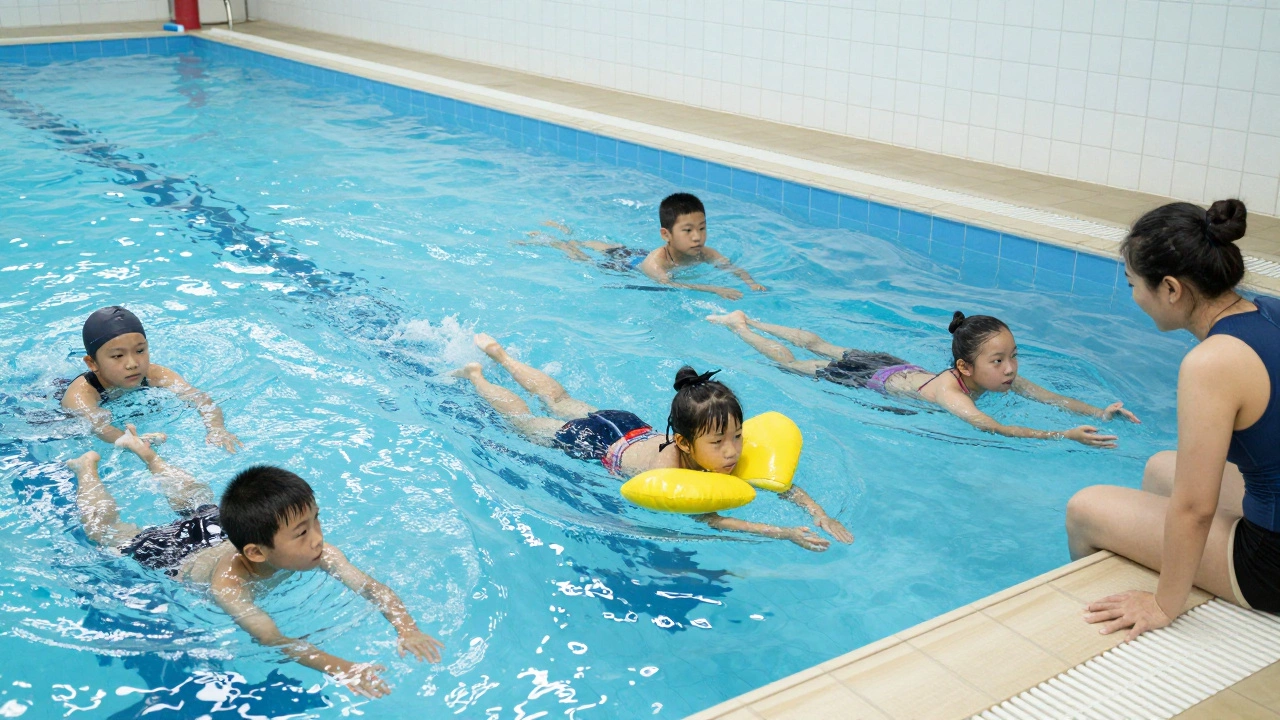
What doesn’t work
Don’t enroll them in a class where the instructor yells. Don’t sign them up for a group of six kids with one teacher. Don’t expect them to swim laps on day one. And don’t compare them to siblings or friends who started at three. That’s not motivation-that’s pressure.
Also, avoid ‘water baby’ programs that don’t teach actual swimming. If the class is mostly songs and floating on parents’ laps, it’s not preparing them for real water safety.
Look for lessons with:
- Small groups (no more than 4 kids per instructor)
- Clear progression: each lesson has a goal
- Positive reinforcement: praise for effort, not just success
- Parent observation: you should be able to watch from the sidelines
What about adults learning to swim?
It’s not just kids. I’ve met adults in their 30s and 40s who never learned to swim. Some were scared after a bad experience. Others grew up without access to pools. The good news? They learn faster than you think. Adults have better focus. They understand why it matters. And they’re often more determined.
Swimming schools in Bristol now offer adult beginner classes with the same gentle approach. No pressure. No judgment. Just practice. And the results? People who couldn’t float now swim 25 meters. Some even join lap swimming groups.
Bottom line: 7 is the perfect age to start
Seven isn’t too late. It’s the sweet spot. Kids are old enough to understand, young enough to adapt, and curious enough to try. If your child is hesitant, start slow. Find a patient instructor. Make it fun. Celebrate small wins.
Swimming isn’t about being the fastest. It’s about being safe. And with the right support, any child-even one who’s never been in a pool-can learn. You don’t need to start at three. You just need to start.
Is it too late to learn to swim at 7?
No, it’s not too late. Seven is actually a great age to start learning to swim. Kids at this age have the physical coordination and attention span to learn properly, and many develop strong technique because they’re more aware of what they’re doing. With the right instruction, most children can swim confidently within a few months.
Why do some kids struggle to learn to swim at 7?
Most struggles come from fear-not ability. Fear of water in the nose, fear of sinking, or fear of being judged by others. These are normal. The key is to work with a patient instructor who builds confidence slowly. Start with games, shallow water, and letting the child set the pace. Forcing them makes it worse.
How long does it take for a 7-year-old to learn to swim?
It usually takes 8 to 12 weeks of weekly lessons for a child to swim 25 meters using basic freestyle. But progress varies. Some kids swim confidently in six weeks; others take four months. The goal isn’t speed-it’s safety and comfort in the water. Consistency matters more than speed.
What should I look for in swimming lessons for a 7-year-old?
Look for small class sizes (no more than 4 kids per instructor), clear lesson goals, positive reinforcement, and parent observation. Avoid programs that focus on games without teaching actual swimming skills. The best lessons balance fun with clear progression: floating, kicking, breathing, then combining movements.
Can adults learn to swim at the same time as their child?
Yes, and many families do. Some swimming centers offer family lessons or separate adult beginner classes. Adults often learn faster because they’re motivated and understand the importance of water safety. Learning together can also help reduce a child’s fear-seeing a parent in the water makes it feel safer.