
Is a Bike Considered Sports Equipment? A Clear Guide
Bicycle Classification Checker
Bike Profile
Classification Result
Probability of being classified as "Sports Equipment"
Your bike falls into a grey area. While you might use it for fun, the hybrid nature suggests it serves dual purposes.
You might think the answer is simple, but whether a bike counts as sports equipment depends entirely on how you use it. For some, a bicycle is just a way to get groceries home. For others, it is essential gear for training. This difference changes everything, from tax deductions to insurance claims.
In this guide, we break down the official definitions, financial implications, and practical classifications. We look at specific scenarios where a bike shifts from a vehicle to sporting gear. You will learn exactly when your bicycle qualifies as **sports equipment** and when it does not.
Defining Sports Equipment
To understand the classification, you must first define the core terms. Sports Equipment is any tool, apparatus, or accessory used primarily for physical activity, exercise, or competitive play. This definition focuses heavily on intent rather than the object itself. A hammer is a tool, but in carpentry class, it becomes educational equipment. Similarly, a bicycle exists in a grey area between transportation and recreation.
Official bodies often distinguish based on performance metrics. A standard city bike used for commuting lacks the specific design features associated with athletic performance. It prioritizes comfort and durability over speed and power output. In contrast, high-performance gear is built with materials like carbon fibre to reduce weight and increase efficiency. These distinctions matter when filling out forms for schools, health plans, or government grants.
Regulations vary by region, but general consensus leans toward utility. If the primary purpose of ownership is exercise or competition, the classification holds. When the main goal is moving goods or people from point A to point B without physical exertion as the focus, it shifts toward vehicle status.
The Dual Nature of Bicycles
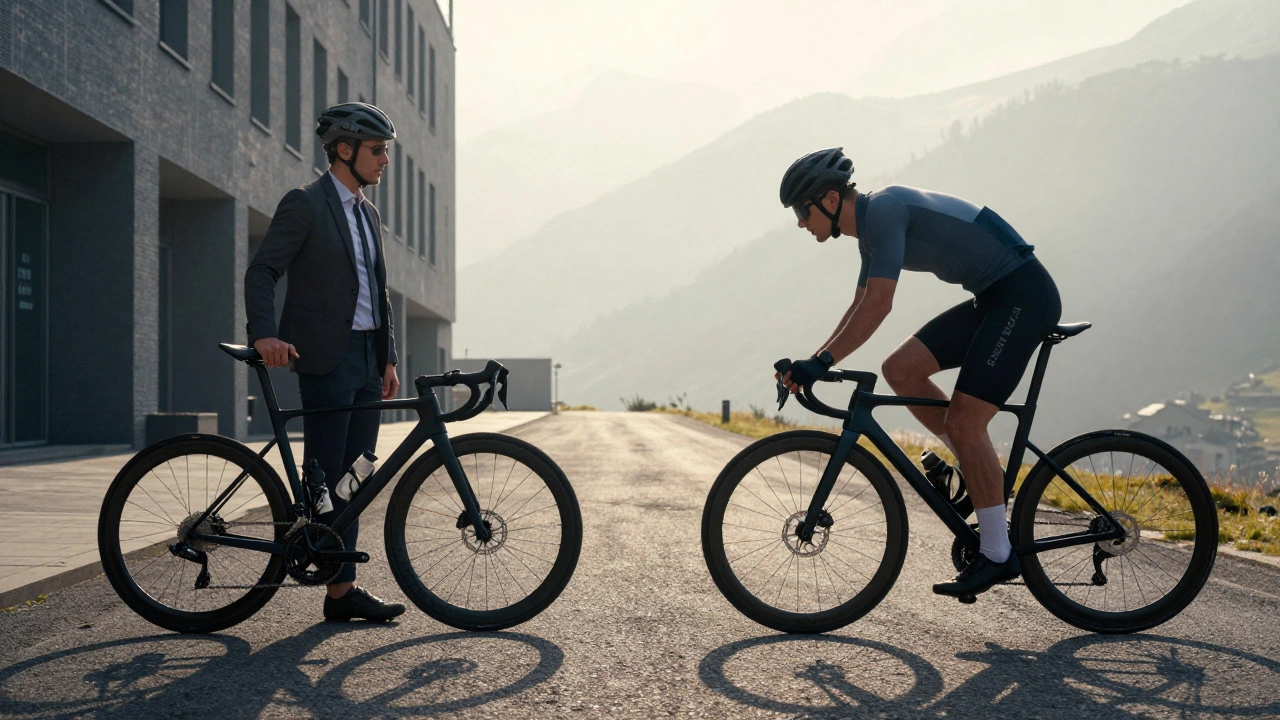
Bicycles occupy a unique space because they serve two masters. On one hand, they are vehicles. In many jurisdictions, bicycles share the road with cars and follow traffic laws. On the other hand, they are tools for fitness. This duality creates confusion when categorizing them legally or financially.
Cycling is a form of physical activity that ranges from casual recreation to professional competition. Also known as Bicycle Riding, it involves aerobic exercise and requires specific equipment.Consider the user intent. If you ride three miles to work every day to save money, the bike functions as a vehicle. Your heart rate might rise slightly, but the outcome is transportation. However, if you ride five miles to burn calories or train for an event, the bike becomes the instrument of exercise. Insurance companies pay close attention to this difference. Policies covering "leisure" activities differ significantly from those covering "transport" risks.
Schools face similar decisions. PE departments classify bikes differently than transport departments. A track bicycle used during gym class is teaching material and sports gear. A bike used for a field trip is logistical transport. Understanding this split helps you decide how to value your asset.
Types of Bikes and Classification
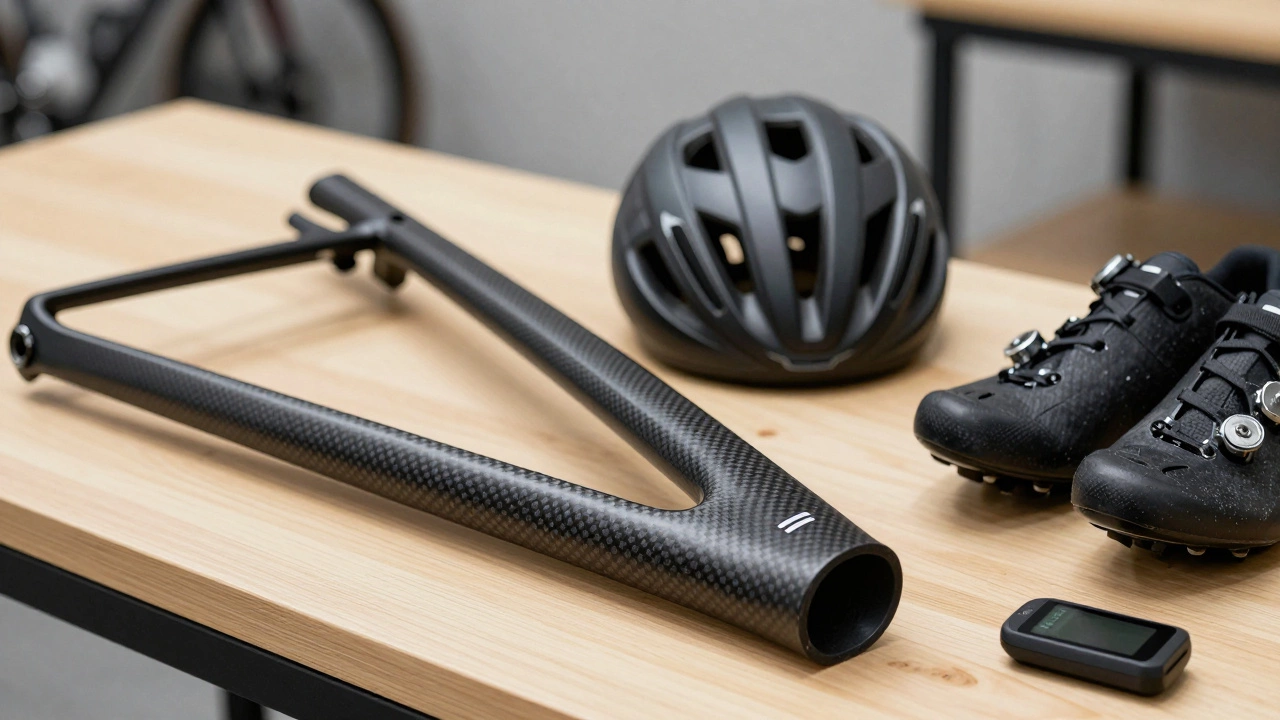
Not all bicycles are created equal. The frame geometry, component choice, and intended terrain signal their purpose. Manufacturers design specific models for specific jobs. This hardware evidence often supports a classification argument more than personal testimony alone.
| Category | Primary Use | Typical Weight | Equipment Status |
|---|---|---|---|
| Road Bike | Speed, Racing | 6-8 kg | High (Sports Gear) |
| Mountain Bike | Off-road, Sport | 10-14 kg | High (Sports Gear) |
| Cruiser / Hybrid | Commuting | 12-16 kg | Mixed (Vehicle/Gear) |
| Folding Bike | Urban Transport | 9-11 kg | Low (Vehicle) |
Look at the Road Bike column. These machines are built purely for athletic performance. They have drop handlebars, thin tires, and lightweight frames. Most observers accept these as sports equipment immediately. Mountain Bikes (MTB) sit in the same camp. Suspension forks and knobby tires indicate off-road riding, which is almost exclusively recreational or competitive.
Hybrid bikes blur the line. They combine flat bars with light frames. People buy them to cycle to work comfortably, but they can ride trails too. If you register this bike for a race, it is sports equipment. If you park it outside an office building, it is a commuter vehicle. Context dictates the label here.
Financial and Legal Implications
Money drives many classification questions. Accountants and insurers need precise categories to assess risk and tax liability. You cannot claim a generic family bike as business expense or training kit unless there is proof of intent.
In the UK, HMRC guidance often treats bicycles as private property. However, if you are a professional athlete, expenses become deductible. A trainer buying a specific model for their client roster is purchasing capital equipment. An accountant buying one for their commute usually cannot write it off as a work expense unless working as a delivery rider.
Insurance Policy provides financial protection against loss or damage. Coverage tiers depend on classification. Leisure policies cover theft from a driveway or gym bag. Commercial policies cover vehicles on the road. Mixing these up leads to denied claims. Always declare the primary usage when applying.
Tax relief programs like Cycle to Work schemes complicate things further. These initiatives treat bikes as salary sacrifice options. The government views the bike as a benefit-in-kind related to transport, not necessarily fitness. Even if you use it for running errands, the program categorizes it under workplace mobility. This administrative label overrides personal perception.
E-bikes add a modern layer to this conversation. Electric motors assist pedaling, which blurs the lines further with motor vehicles. Current regulations classify low-speed pedal-assist units as bicycles. High-speed versions require registration similar to mopeds. If a regulatory body marks it as a moped, it stops being sports equipment legally. It becomes a licensed vehicle.
Safety Gear as Part of the Package
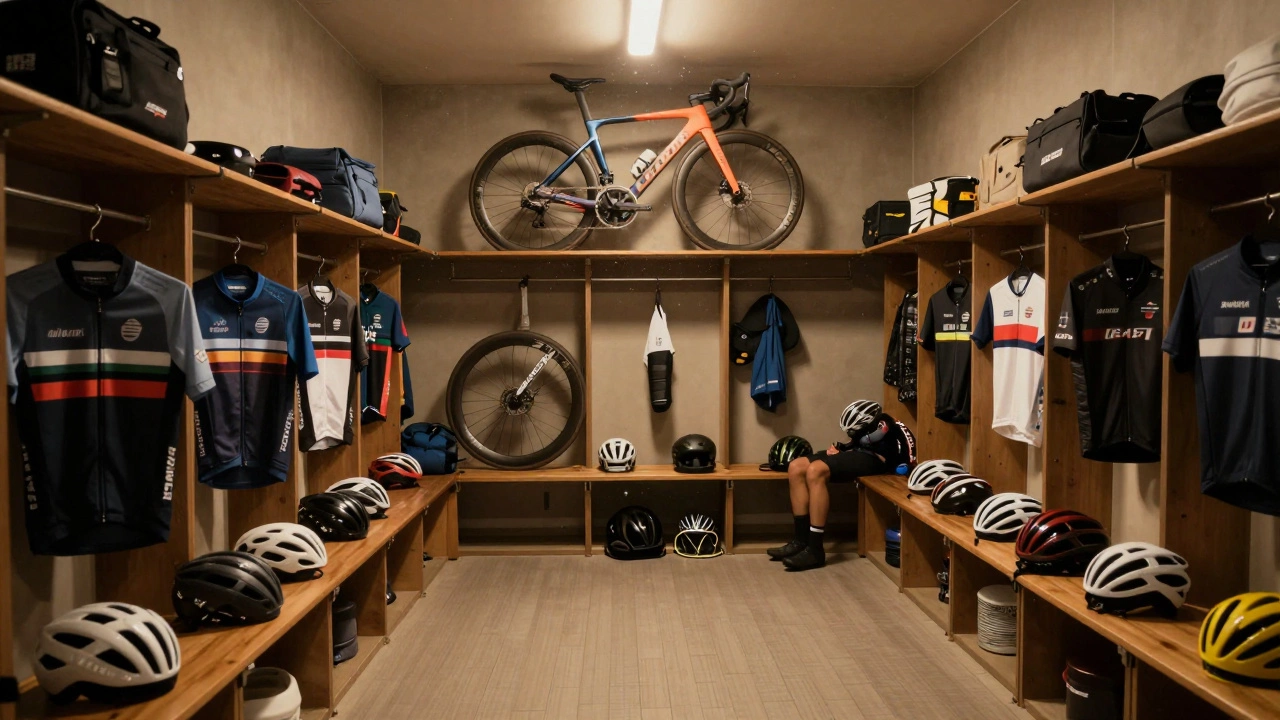
A bicycle rarely works alone. The ecosystem surrounding the ride determines its classification strength. You cannot do competitive cycling without protective gear. This bundle strengthens the argument for sports classification.
- Helmet serves as essential head protection for cyclists.
- Cycling shoes attach directly to pedals for power transfer.
- GPS computers record lap times and power data.
- Performance clothing manages sweat and aerodynamics.
When you purchase these accessories alongside a bike, the intent becomes obvious. You are not buying a grocery getter; you are buying a training machine. Retailers group these items together precisely for this reason. A helmet found in a locker room is clearly sports gear. A helmet locked in a car trunk with keys suggests occasional utility.
Organizations funding youth sports programs prioritize safety gear. Grants often specify amounts for bikes and helmets combined. This bundling confirms their relationship in the eyes of grant committees. If you are seeking funding, emphasizing the full kit rather than just the bike increases approval chances.
Competitive Versus Recreational Use
The final filter is the environment. Where does the riding happen? Does it occur on a closed course or open roads?
Professional leagues treat bicycles as inventory. Teams replace wheels, frames, and groupsets constantly to gain milliseconds. In this sphere, the bike is pure machinery. Amateur riders joining clubs treat them similarly. Even if not professional, joining a club signals commitment. Club fees, membership cards, and kit requirements solidify the status.
Conversely, weekend warriors might struggle to prove classification. Riding occasionally on Saturday mornings doesn't always meet formal definitions. However, personal health benefits remain valid regardless of legal boxes. Whether you claim it for taxes or pride, the function is consistent. Exercise improves cardiovascular health.
Understanding the spectrum prevents disputes later. If you need the designation for a form, document your usage. Log books, training apps, and club memberships provide the necessary paper trail. Without documentation, assumptions favor the default setting: a household vehicle.
Can I claim a bike as business equipment?
Generally, no. Unless you are a delivery driver or professional athlete, tax authorities consider personal vehicles ineligible for deduction. Specialized schemes like Cycle to Work exist for commuters.
Does an e-bike count as a vehicle?
It depends on motor power and speed. Standard electric assist bikes are still bicycles. Models exceeding specific wattage limits require vehicle registration and licensing.
Do insurance companies treat bikes differently?
Yes. Content insurance covers leisure bikes as valuable items. Motorbike insurance applies to faster e-bikes classified as mopeds. Always read the exclusions clause.
Is a bike considered a toy for children?
For young kids, yes. Small balance bikes fall under toys. Larger models for training or racing transition into sports equipment classifications in school settings.
What defines sports equipment for schools?
Items used exclusively for physical education classes or team sports. School-owned bikes for PE curriculum qualify, while staff commuter bikes are administrative assets.