
Is Boxing Different Than Fighting? Here's What Actually Sets Them Apart
Boxing vs. Fighting Knowledge Test
How Much Do You Know?
Take this 5-question quiz to test your understanding of the key differences between boxing and street fighting. Select one answer per question.
People often say "boxing" and "fighting" like they’re the same thing. But if you’ve ever watched a professional bout and then seen a bar brawl, you know they’re not. Boxing isn’t just fighting with gloves on. It’s a structured, disciplined sport with deep rules, training methods, and a culture built over centuries. Fighting? That’s raw, unregulated, and often chaotic. The difference isn’t just gear-it’s everything.
Boxing is a sport with rules, fighting is survival
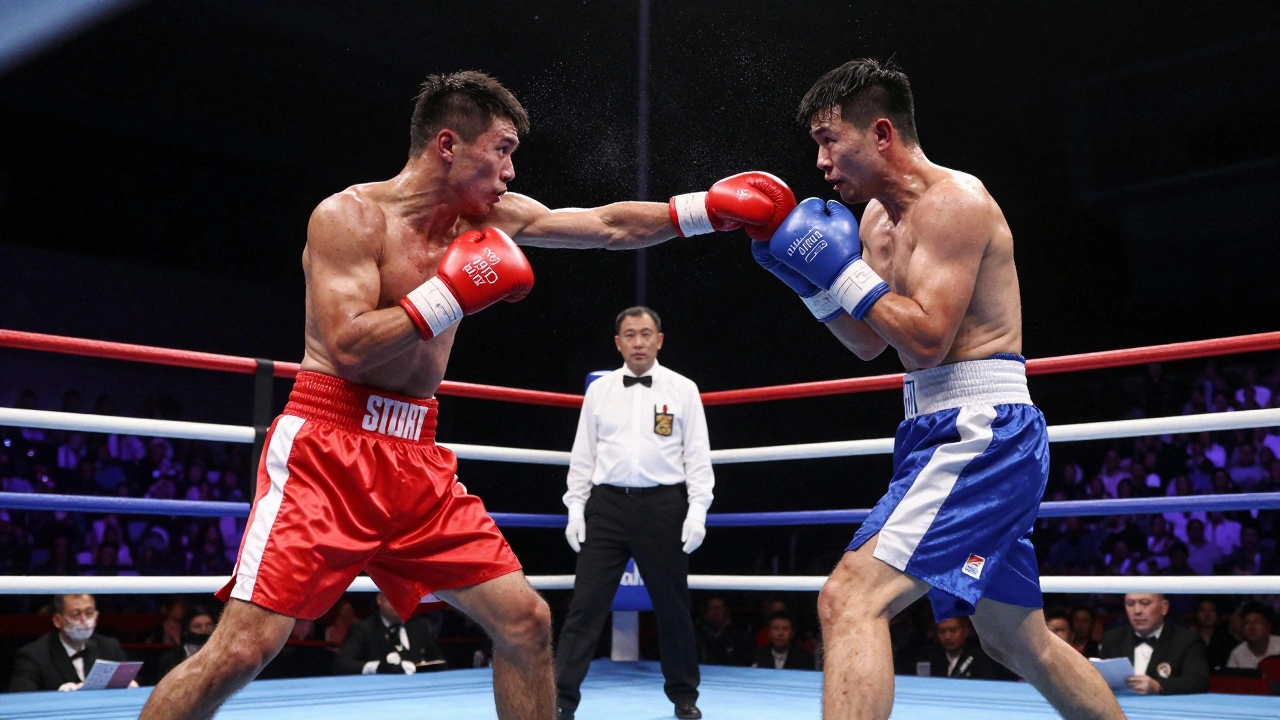
Boxing has a rulebook longer than your average novel. You can’t hit below the belt. You can’t headbutt. You can’t hold and punch. You can’t kick, knee, or grapple. Even the way you stand matters-feet shoulder-width apart, hands up, chin tucked. Referees watch every move. Judges score every round. Fighters get penalized for fouls. If you break the rules too many times, you’re disqualified.
Street fighting? There are no rules. No referee. No scorecard. If you throw a punch and your opponent falls, you win. If you kick them while they’re down, that’s not a foul-it’s a tactic. No one’s keeping track of clean hits or technique. It’s about ending the fight as fast as possible, by any means necessary.
Training is everything in boxing
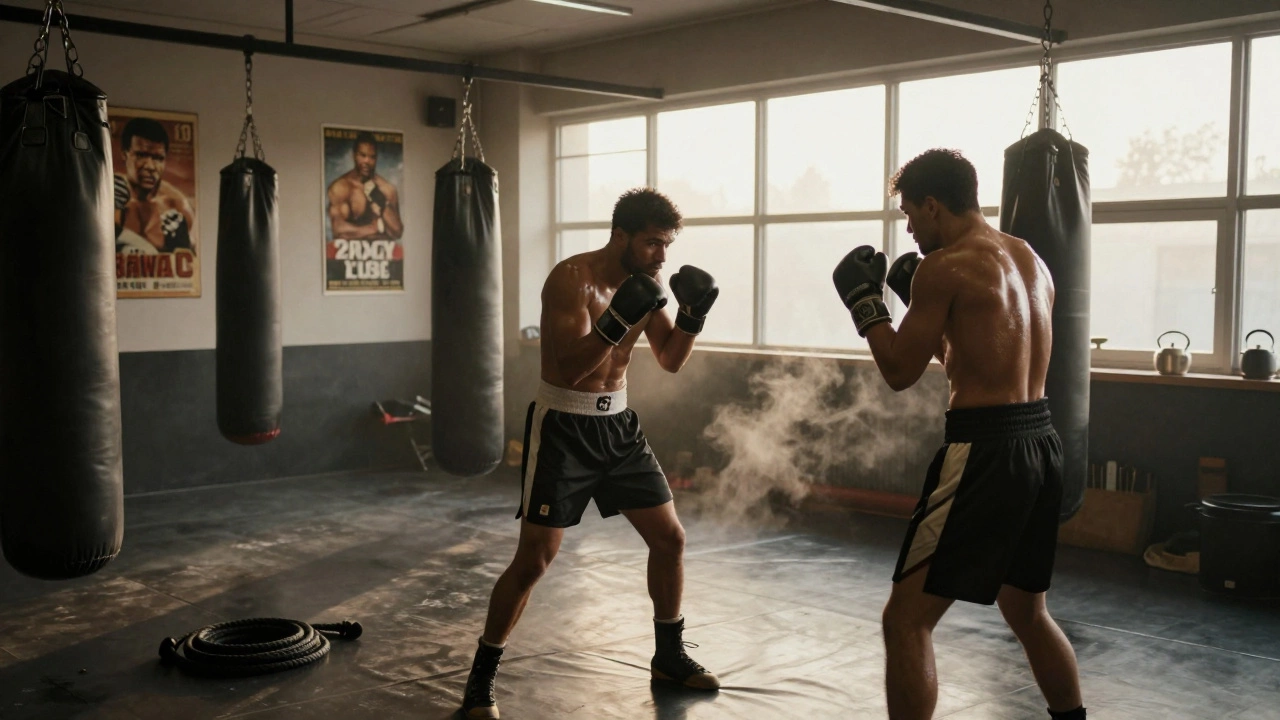
Boxers train like athletes. They run miles before sunrise. They jump rope to build footwork. They hit heavy bags for power, speed bags for rhythm, and double-end bags for timing. Sparring isn’t about hurting someone-it’s about learning to read movement, control distance, and land clean shots without losing balance.
They work with coaches who correct their stance, their jab, their footwork. They study film of opponents. They do shadowboxing for hours. Nutrition, sleep, recovery-they’re all part of the job. A professional boxer might spend six months preparing for a 12-round fight that lasts less than 40 minutes.
Compare that to someone who’s never trained and just decides to fight. They might throw wild hooks, leave their guard open, and tire out in 30 seconds. No technique. No strategy. Just adrenaline. That’s not boxing. That’s desperation.
Equipment changes everything
Boxing gloves aren’t just padding-they’re part of the sport’s identity. They weigh between 8 and 20 ounces, depending on the fighter’s weight class. The padding spreads impact across the knuckles, reducing cuts and broken hands. That’s why boxers can throw hundreds of punches in a fight without breaking their wrists.
But gloves also limit damage. In bare-knuckle fighting, a single punch can fracture a jaw or rupture an eye. Boxing gloves make fights longer, more technical, and less likely to end in permanent injury. That’s why professional boxing has such strict medical oversight. Fighters get brain scans, blood tests, and eye exams before and after every bout.
Street fights? No gloves. No mouthguard. No headgear. No medical team on standby. One lucky punch can end a life-or ruin it.
Intent matters
Boxers enter the ring to win by points or knockout. They’re not trying to destroy their opponent. They’re trying to outthink them. To control the pace. To make the other person miss. To land the cleaner shot. The goal is victory within the system.
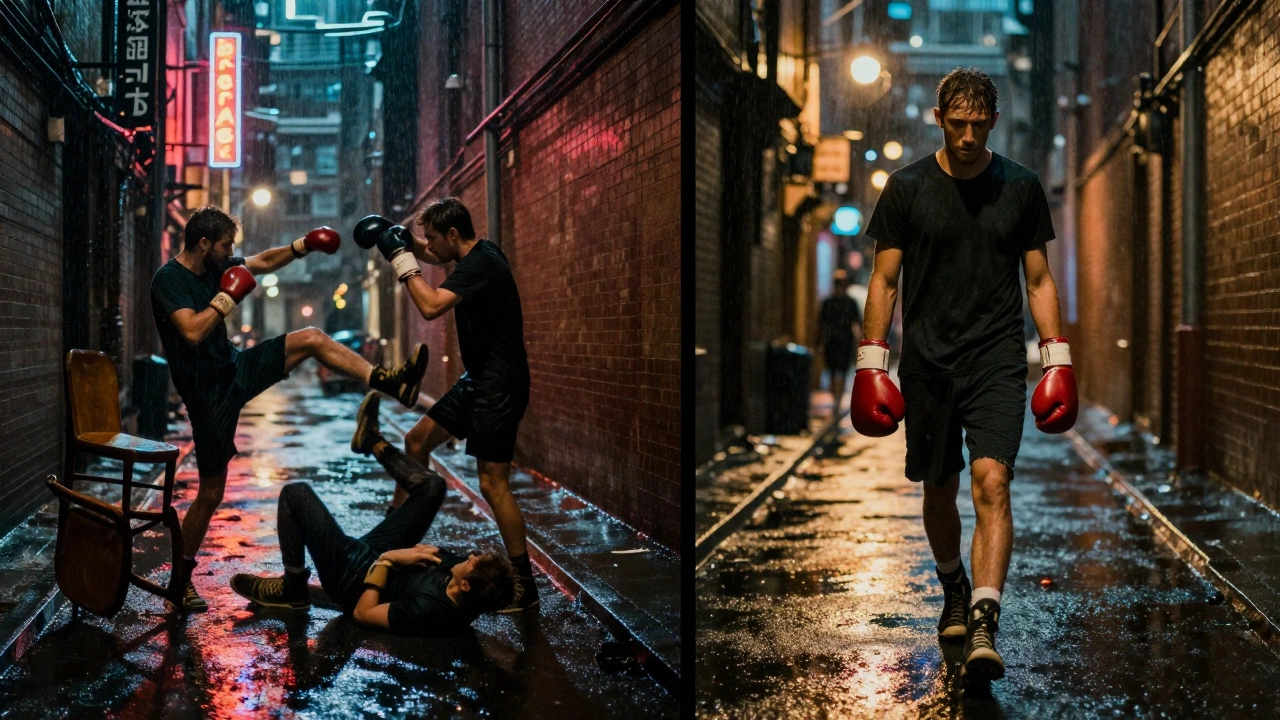
In a street fight, the goal is survival. It’s fear-driven. It’s about ending the threat before it ends you. That’s why people throw chairs, grab knives, or use anything they can find. There’s no honor. No respect. No rules. It’s not about skill-it’s about who’s tougher, luckier, or more willing to break bones.
That’s why boxers often walk away from street fights. They’ve trained to fight within limits. They don’t know how to fight without them. And honestly? They don’t want to.
Boxing has history. Fighting doesn’t.
Modern boxing traces back to the Marquess of Queensberry Rules from 1867. Before that, bare-knuckle boxing was brutal and unregulated. But even then, fighters followed unwritten codes-no eye gouging, no biting, no low blows. These rules evolved into today’s sport.
Boxing gave us legends: Muhammad Ali’s footwork, Mike Tyson’s power, Sugar Ray Leonard’s speed. It’s been in the Olympics since 1904. It’s taught in schools, gyms, and juvenile centers as a way to build discipline, confidence, and self-control.
Street fighting? It’s as old as humans. But it’s never been celebrated. It’s never been studied. It’s never been turned into a career. There’s no Hall of Fame for street fighters. No documentaries about their technique. No coaches teaching how to throw a perfect overhand right in an alley.
Boxing teaches control. Fighting teaches chaos.
One of the biggest myths is that boxing makes you violent. The truth? It teaches you to control your anger. You learn patience. You learn to wait for the right moment. You learn to take a punch and keep moving. You learn that losing a round doesn’t mean losing the fight.
Boxing gyms are full of people who used to be angry, scared, or lost. They found structure. They found respect. They found a way to channel their energy into something that builds them up, not breaks them down.
Street fighting? It doesn’t build you up. It breaks you. It leaves scars you can’t see. It leaves trauma. It leaves regrets.
So is boxing different than fighting?
Yes. And it’s not just a little different. It’s a world apart.
Boxing is art. It’s science. It’s discipline. It’s a sport that demands years of work to master. Fighting? It’s instinct. It’s emotion. It’s chaos.
You can’t learn boxing in a YouTube video. You can’t become a boxer by watching a fight on TV. You need a coach, a gym, a routine, and years of repetition.
And if you ever find yourself in a real fight? The best thing you can do is walk away. Because if you’ve ever watched a boxing match, you know: the real victory isn’t in landing the hardest punch. It’s in walking out of the ring-whole, healthy, and in control.
Can a boxer beat a street fighter?
It depends. A trained boxer with good conditioning and technique will usually outlast someone who’s never trained, even if that person is bigger or angrier. Boxers know how to move, block, and counter. But street fighters don’t follow rules-they use weapons, multiple attackers, or surprise tactics. A boxer trained only in the ring could lose badly in an uncontrolled environment. Training matters, but context matters more.
Why do boxers avoid street fights?
Most boxers avoid street fights because they know how dangerous they are. They’ve seen what a single punch can do. They’ve had medical checks, brain scans, and broken noses. They don’t want to risk their health, their career, or their future for a moment of anger. Plus, they’ve trained to fight within rules. Without those rules, they’re at a disadvantage.
Is bare-knuckle boxing the same as street fighting?
No. Bare-knuckle boxing still follows rules-weight classes, rounds, referees, medical checks, and legal oversight. It’s a regulated sport with safety protocols. Street fighting has none of that. Even though both use bare hands, the intent, structure, and consequences are completely different.
Does boxing make you more likely to fight outside the ring?
Actually, the opposite is true. Studies show people who train in boxing regularly report lower levels of aggression and better emotional control. The sport teaches patience, respect, and self-discipline. Many boxers say the ring gave them a healthy outlet for stress. Fighting outside the ring goes against everything they’ve learned.
Can you learn to fight without boxing?
Yes-but not the same way. Martial arts like Muay Thai, Krav Maga, or Brazilian Jiu-Jitsu teach practical self-defense. But boxing is unique because it focuses purely on punching technique, footwork, and head movement. You can learn to fight without it, but you won’t learn the precision, timing, and endurance that make boxing so effective.