
Is Brazil Catholic or Protestant? Religion and Culture in Modern Brazil
Brazil Religious Demographics Calculator
Religious Shift in Brazil
See how Brazil's religious landscape has transformed from its Catholic roots to today's diverse religious scene.
Religious Breakdown
When people think of Brazil, they often picture soccer, samba, and Carnival. But beneath the rhythm and the roar of the crowd lies a deeper, quieter force that has shaped the nation for centuries: religion. So, is Brazil Catholic or Protestant? The answer isn’t simple, and it’s changed more in the last 30 years than in the previous 500.
How Brazil Became the World’s Largest Catholic Country
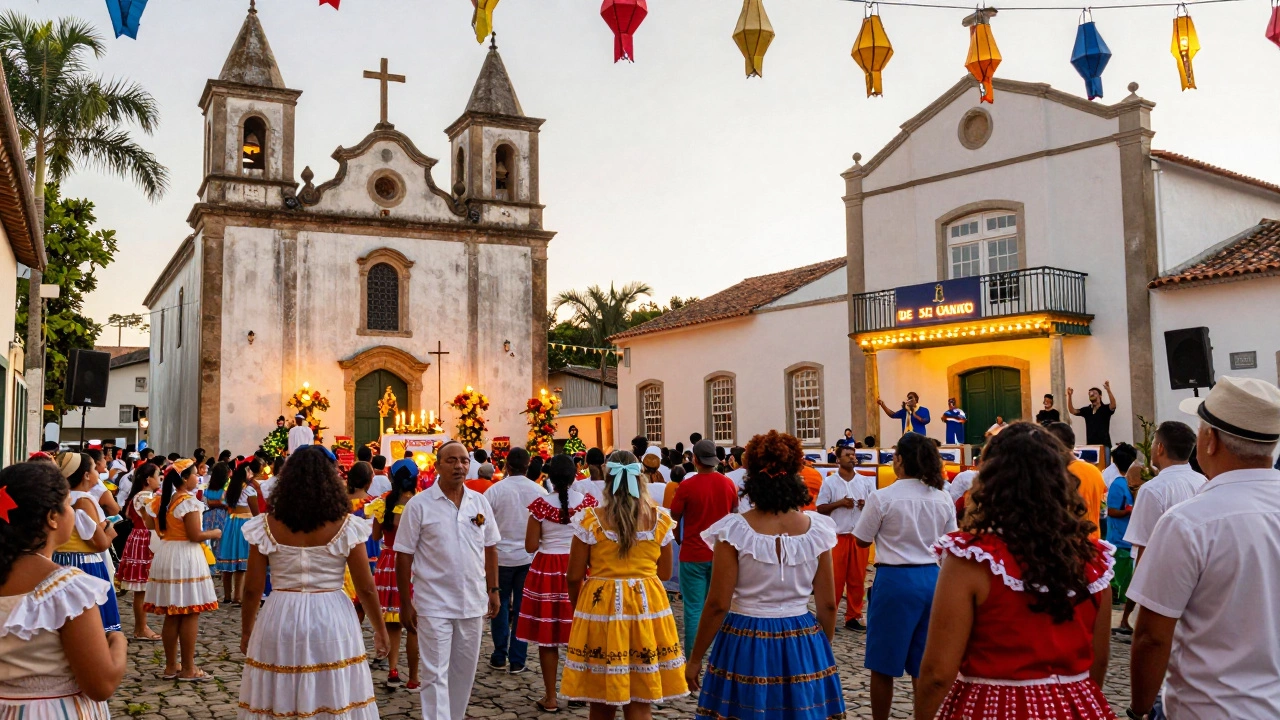
Brazil’s religious identity began with colonization. When Portuguese explorers arrived in the early 1500s, they brought Catholicism with them-not as a suggestion, but as law. The Crown and the Church were tied together. Every child was baptized. Every public event began with a prayer. By the time Brazil gained independence in 1822, over 95% of its population identified as Catholic. That number held steady for nearly two centuries.
By the 1980s, Brazil was home to more Catholics than any other country on Earth-over 120 million people. The Vatican recognized it as the spiritual heart of Latin America. Churches lined every street. Religious festivals like Festa de São João and the Feast of Our Lady of Aparecida drew millions. The Catholic Church didn’t just influence faith-it shaped education, marriage, politics, and even how people celebrated birthdays.
The Rise of Protestantism: A Quiet Revolution
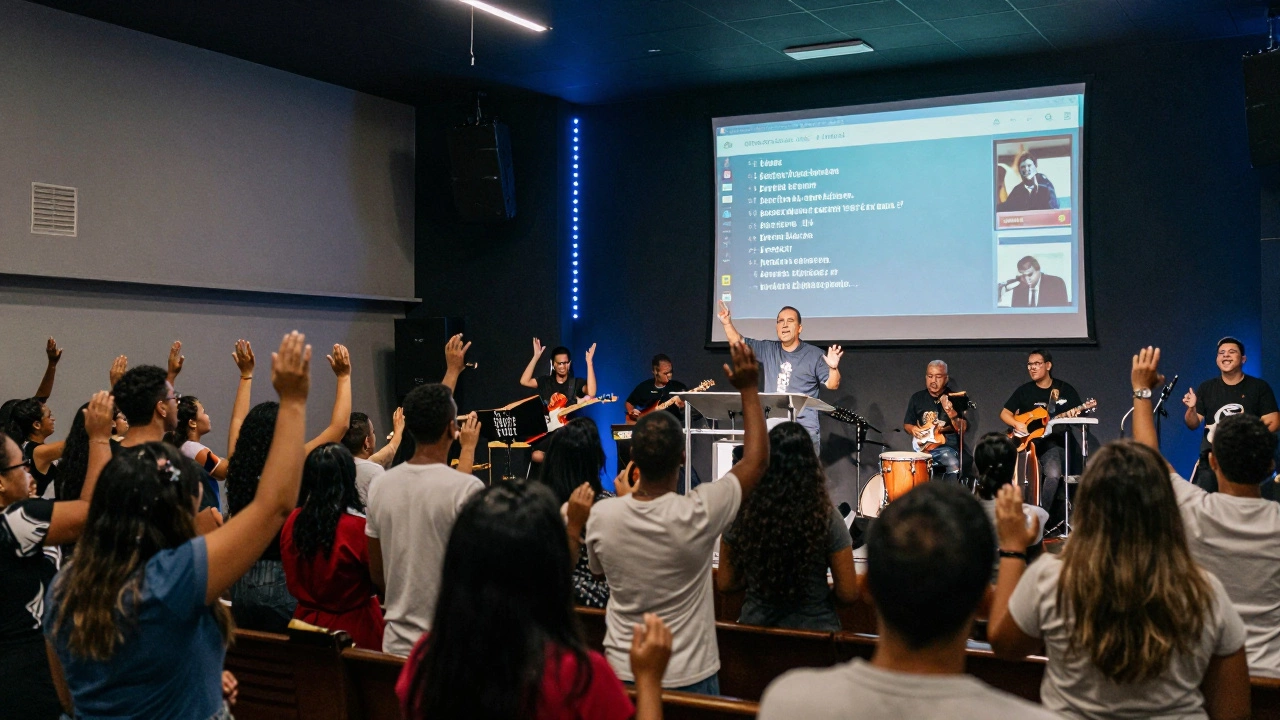
Then, something unexpected happened. Starting in the 1970s and accelerating through the 1990s, Protestant churches-especially Pentecostal ones-began growing at an astonishing rate. These weren’t just traditional Protestant groups. They were new, energetic, emotionally charged movements: Assemblies of God, Universal Church of the Kingdom of God, and others. They preached personal healing, financial blessing, and direct communication with God. Their services were loud, lively, and full of music. They didn’t wait for people to come to them-they went door to door, held street evangelism, and used TV and radio to spread their message.
By 2010, Protestants made up about 22% of Brazil’s population. By 2020, that number jumped to nearly 31%. Today, in 2026, over 45 million Brazilians identify as Protestant. In some cities, like Belém and Manaus, Protestant churches outnumber Catholic parishes. In parts of the Northeast, entire towns have shifted allegiance. One pastor in São Paulo told me, “We don’t convert people. We give them hope they couldn’t find before.”
The Numbers Don’t Tell the Whole Story
Yes, Brazil still has the largest Catholic population in the world-about 50% of its 215 million people. But that number is falling. In 1980, 90% of Brazilians were Catholic. Today, it’s half. Meanwhile, Protestantism isn’t just growing-it’s diversifying. There are now Evangelical Baptists, Seventh-day Adventists, Lutherans, and even small Orthodox communities. Some people practice both. They light candles at a Catholic shrine and then attend a Pentecostal service on Sunday. Others call themselves “Catholic by culture, Protestant by belief.”
Religious identity in Brazil is no longer about labels. It’s about experience. A woman in Recife told me, “I was baptized Catholic, but I only feel God’s presence when I’m singing in my church.” That’s the new Brazil.
Why the Shift? Social Change and Church Strategy
The rise of Protestantism didn’t happen by accident. It was built on three things: accessibility, community, and answers to real problems.
First, Protestant churches offered something the Catholic Church struggled to provide: personal attention. In big cities, Catholic priests often served thousands of parishioners. Protestant pastors knew their congregants by name. They visited the sick. They helped with job searches. They created support groups for addicts, single mothers, and the unemployed.
Second, they spoke the language of the people. Sermons weren’t in Latin or formal Portuguese. They were in everyday speech, full of metaphors from soccer, favela life, and TV soap operas. Music wasn’t hymns-it was pop, rap, and gospel. The message was simple: “God wants you to be healthy, rich, and happy.”
Third, they responded to crisis. During Brazil’s economic downturns in the 1980s and 2000s, Protestant churches gave food, offered free counseling, and helped people find housing. The Catholic Church, tied to tradition and bureaucracy, moved slower. People didn’t abandon faith-they switched where they found it.
What About the Future?
By 2030, experts predict Brazil will have more Protestants than Catholics. Not because Catholics are disappearing-but because Protestants are growing faster. The Catholic Church is aging. Fewer young people are being baptized. Fewer priests are being trained. In 1970, Brazil had one priest for every 800 Catholics. Today, it’s one for every 2,000.
Meanwhile, Protestant churches are building new temples every week. They’re training young leaders. They’re using TikTok and WhatsApp to reach teens. One church in Rio started a livestreamed prayer group for gamers. It now has 12,000 regular attendees.
So is Brazil Catholic or Protestant? The answer is: it’s both. But the balance is tipping. The country that once defined global Catholicism is now becoming a global center of Protestant energy.
Religion and Everyday Life in Brazil
Religion isn’t just about Sunday services. It shows up in how people raise kids, run businesses, vote, and even watch sports. In 2022, a survey found that 68% of Protestant voters supported candidates who promised “moral reform.” Catholic voters were more divided. In Rio’s favelas, Protestant groups run after-school programs. In São Paulo, Catholic charities still run the largest soup kitchens.
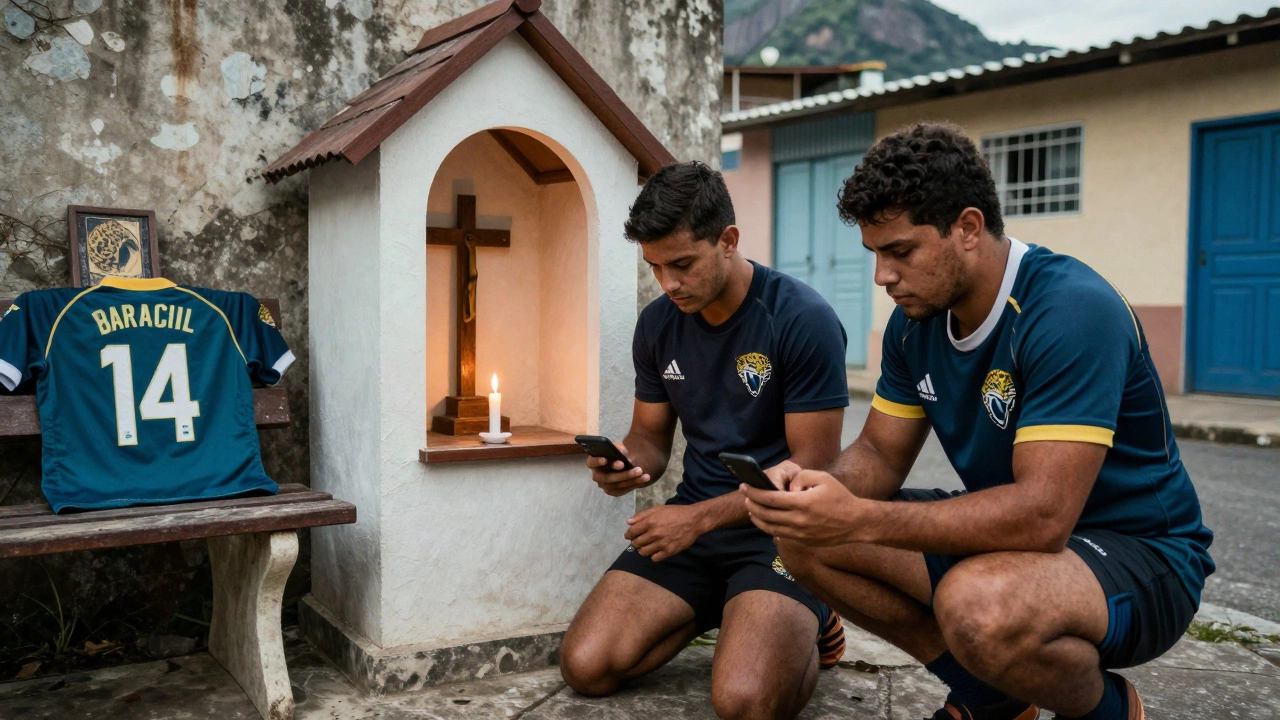
Even in rugby-yes, rugby-there’s a quiet influence. Brazil’s national rugby team, the Brazilian Jaguars, has a chaplain on staff. Half the squad attends Protestant services. The other half lights candles before games at a local Catholic shrine. Religion doesn’t divide them. It grounds them.
Common Myths About Religion in Brazil
- Myth: Brazil is still 90% Catholic. Reality: It’s around 50% now, and falling.
- Myth: Protestantism is only for the poor. Reality: It’s growing fastest among middle-class families and young professionals.
- Myth: Catholics and Protestants hate each other. Reality: Most get along. Interfaith marriages are common.
- Myth: Spiritism and Afro-Brazilian religions are bigger than Protestantism. Reality: They’re significant-about 10% combined-but still smaller than Protestantism.
Final Thoughts
Brazil’s religious landscape isn’t a battle. It’s a transformation. The country isn’t choosing between Catholic and Protestant. It’s choosing between old structures and new meaning. The churches that adapt-whether they’re Catholic or Protestant-will thrive. The ones that stay stuck in tradition will fade.
So, is Brazil Catholic or Protestant? The real answer is: Brazil is becoming something new. And that’s what makes it fascinating.
Is Brazil still the largest Catholic country in the world?
Yes, Brazil still has the largest number of Catholics-about 107 million people as of 2026. But it’s no longer the most Catholic country by percentage. Mexico, Poland, and the Philippines now have higher proportions of Catholics in their populations. Brazil’s Catholic share has dropped from 90% in 1980 to just over 50% today.
Why are so many Brazilians switching to Protestantism?
Many are drawn to Protestant churches because they offer personal connection, emotional support, and practical help-like job training, counseling, and food aid. Pentecostal churches, in particular, use modern methods: music, TV, social media, and direct outreach. They speak in everyday language and focus on healing and prosperity, which resonates with people facing economic hardship or social isolation.
Do Protestants and Catholics in Brazil get along?
Mostly, yes. While there are political and cultural tensions-especially around issues like abortion or LGBTQ+ rights-daily life is rarely divided by religion. Many families have both Catholic and Protestant members. Interfaith marriages are common. People often attend both types of services, especially during holidays like Easter and Christmas.
What role does religion play in Brazilian sports?
Religion is deeply woven into sports culture. Athletes often pray before games, wear religious symbols, or thank God in interviews. In rugby, for example, the national team has chaplains from both Catholic and Protestant backgrounds. Many players credit their faith for discipline and mental strength. Religious groups also organize youth sports programs, especially in poorer areas where churches are among the few stable institutions.
Are Afro-Brazilian religions like Candomblé growing in Brazil?
Yes, but not as fast as Protestantism. About 8-10% of Brazilians identify with Afro-Brazilian religions like Candomblé or Umbanda. These traditions have faced historical persecution but are gaining visibility and legal protection. They’re especially strong in Bahia and Rio. While they’re culturally significant, they haven’t matched the rapid growth of Protestant churches, which have better funding, media access, and organizational networks.