
Is Sneakers a Sportswear? Understanding the Boundary Between Athletic Gear and Street Style
Sneaker Classification Checker
Not sure if your sneakers are built for the gym or just for show? Answer these questions to see how they classify.
Select options to reveal classification.
You’re standing in a shoe store, staring at a pair of sleek, white leather shoes. The tag says "lifestyle," but they look exactly like the ones your friend wears to the gym. Or maybe you’re looking at a high-tech running shoe with carbon fiber plates that costs more than your weekly grocery bill, yet nobody would wear them to a board meeting. This confusion is everywhere. Sneakers occupy a strange middle ground between functional sportswear designed for performance and fashion items designed for aesthetics. So, is sneakers actually sportswear? The short answer is: it depends entirely on who’s wearing them, where, and why. But the long answer reveals how one of the most common items in our closets has blurred the lines between athletics and everyday life.
The Technical Definition of Sportswear
To figure out if sneakers count as sportswear, we first need to define what sportswear actually is. Traditionally, sportswear refers to clothing and footwear specifically engineered for physical activity. Think moisture-wicking fabrics, reinforced stitching, shock-absorbing soles, and materials that allow maximum range of motion. It’s gear built to survive sweat, impact, and repetitive stress.
Fashion historian Elizabeth Semmelhack notes that the term "athletic wear" originally referred strictly to garments used during exercise. Over time, this evolved into "activewear," which includes both performance gear and clothes inspired by sports. Here’s the catch: not all sneakers are built for sports, even if they started there. A classic canvas sneaker from the 1970s wasn’t designed for marathon running; it was casual footwear. Yet, because it shares DNA with athletic shoes, people often lump it into the same category.
When we talk about sneakers as sportswear, we usually mean those with specific technical features. For example, a basketball shoe with ankle support and a high-traction outsole is undeniably sportswear. Its design serves a clear athletic purpose. On the other hand, a limited-edition collaboration sneaker made of premium suede might have zero performance benefits. It’s technically footwear, but calling it sportswear feels like stretching the definition.
How Sneakers Became Sportswear (And Vice Versa)
The relationship between sneakers and sportswear isn’t new-it’s deeply intertwined. In the early 20th century, athletes needed better footwear, leading companies like Keds and Converse to create rubber-soled shoes. These were purely functional tools. You wore them to play tennis or run track, not to go to brunch.
Then came the cultural shift. In the 1980s, hip-hop culture adopted sneakers as status symbols. Suddenly, a pair of Air Jordans wasn’t just for playing basketball; it was a statement. This moment marked the birth of "streetwear," a style that borrows heavily from sportswear aesthetics but prioritizes looks over function. Today, the line is almost invisible. Brands like Nike and Adidas release shoes that are marketed to both athletes and fashionistas. They use the same molds, sometimes the same materials, but target different needs.
This blurring creates confusion. If you wear running shoes to walk around town, are you wearing sportswear? Technically, yes, because the item was manufactured for sport. But socially, no, because you aren’t using it for its intended athletic purpose. This distinction matters when you’re trying to dress appropriately for an event or understanding industry classifications.
Performance vs. Lifestyle: The Key Difference
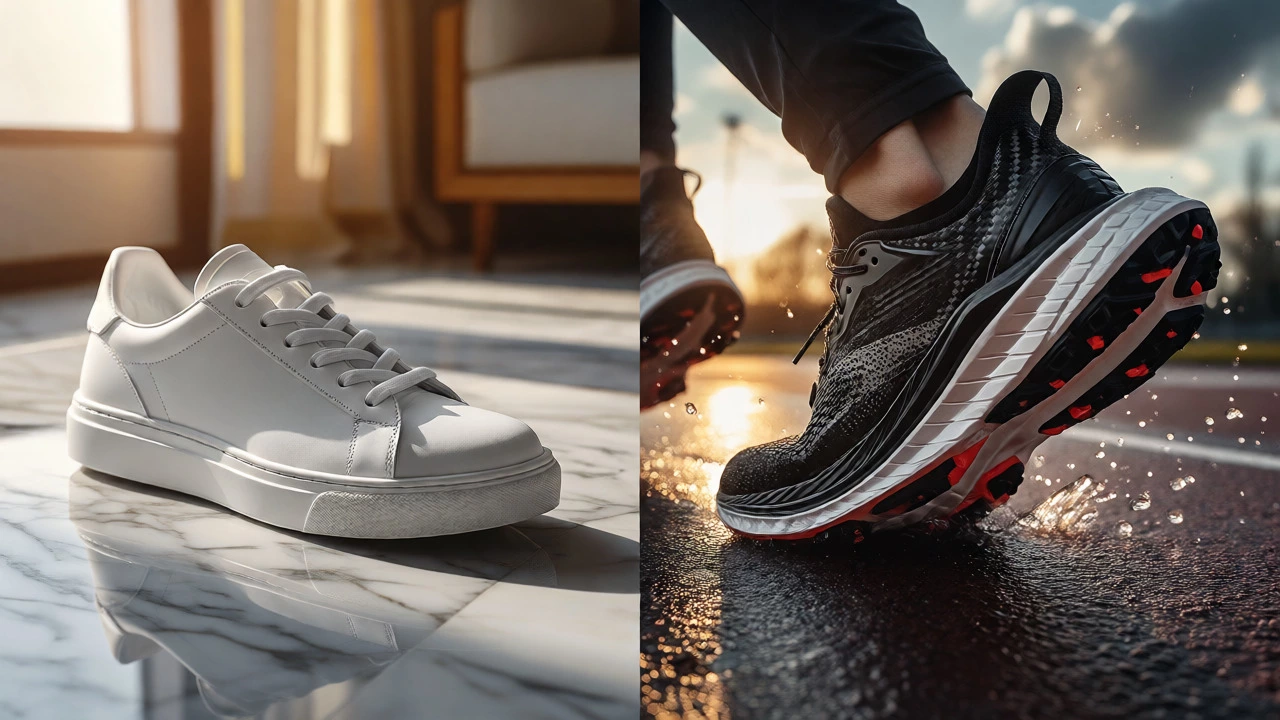
The easiest way to tell if a sneaker counts as sportswear is to ask: Does it enhance physical performance? Performance sneakers have specific attributes that lifestyle sneakers lack. Let’s break down the differences.
| Feature | Performance Sneaker (Sportswear) | Lifestyle Sneaker (Streetwear/Casual) |
|---|---|---|
| Primary Purpose | Enhance athletic performance, reduce injury risk | Aesthetic appeal, comfort for daily walking |
| Materials | Breathable mesh, synthetic leathers, carbon fiber, foam compounds | Premium leather, suede, canvas, decorative elements |
| Cushioning | Engineered for impact absorption (e.g., Zoom Air, Boost) | Soft for comfort, not necessarily energy return |
| Durability Focus | Resistant to abrasion, sweat, and heavy impact | Resistant to scuffing, easier to clean aesthetically |
| Weight | Lightweight to minimize fatigue | Variable; can be heavier for structure or style |
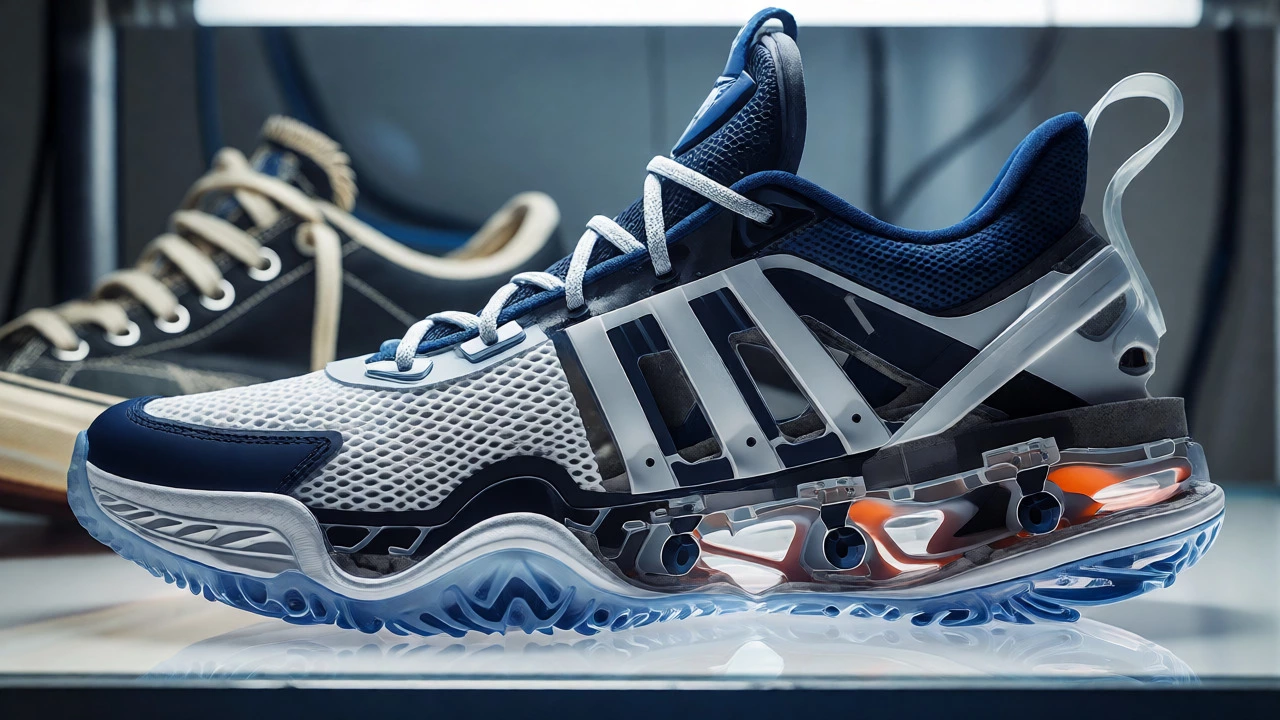
Notice the gap in the "Cushioning" row. A runner needs energy return-meaning the shoe pushes back when you push off. A person walking to a café just needs softness. While both are comfortable, only one is truly optimized for sport. This is why serious athletes rarely wear lifestyle sneakers for competition. The lack of technical support can lead to injuries like plantar fasciitis or shin splints.
Why the Distinction Matters for Buyers
Does it really matter if your sneakers are classified as sportswear? Yes, especially if you’re buying them for a specific reason. Imagine you’re training for a half-marathon. You buy a trendy pair of retro basketball shoes because they look cool. During your long runs, you notice your feet hurting. Why? Basketball shoes are designed for lateral movement (side-to-side), not forward propulsion. Using them for running is inefficient and potentially harmful.
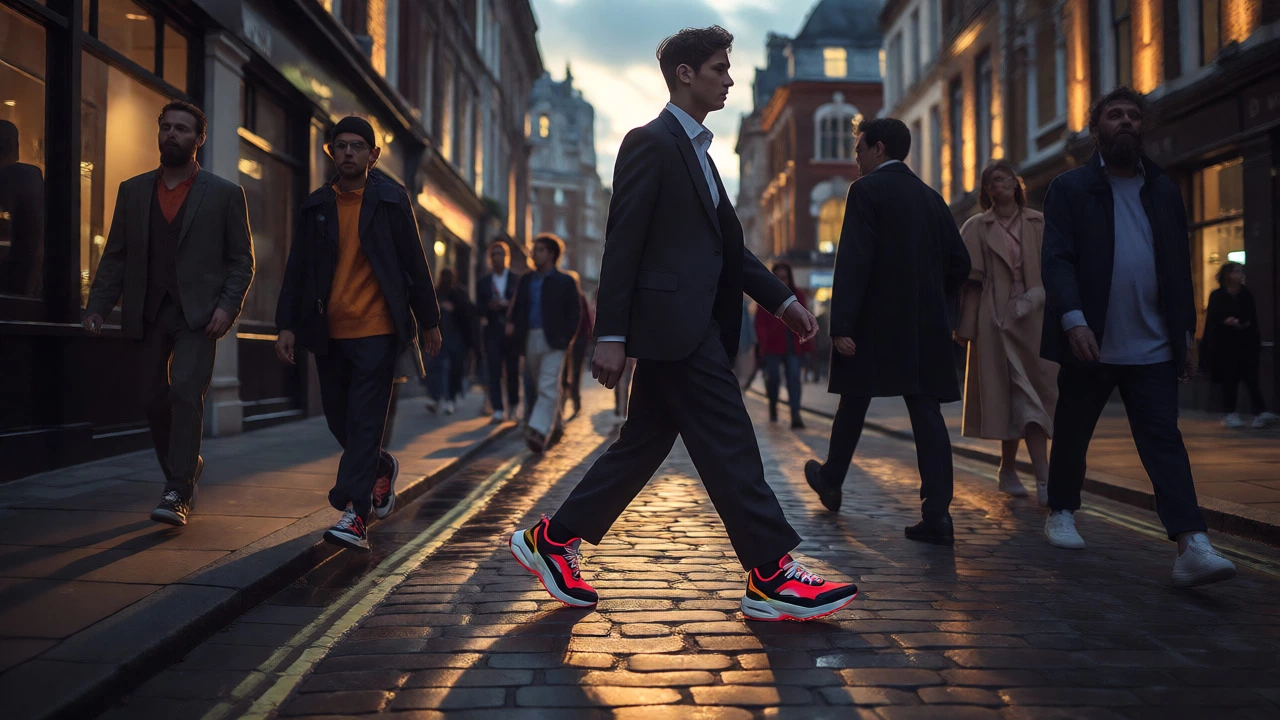
Conversely, if you wear specialized running shoes to a job interview, you might feel underdressed. While some offices accept sneakers now, a chunky neon running shoe signals "gym mode," not "professional." Understanding the category helps you avoid these social and functional missteps.
Here’s a quick decision tree for buyers:
- Are you exercising? If yes, choose performance sneakers labeled for your specific sport (running, lifting, tennis). These are true sportswear.
- Are you commuting or socializing? Choose lifestyle sneakers. They may look like sportswear but prioritize style and general comfort.
- Do you want versatility? Look for "hybrid" models. Many brands now make shoes with subtle tech features (like memory foam) hidden inside a stylish upper. These bridge the gap.
The Role of Branding and Culture
We can’t ignore the power of branding. Companies actively blur the lines to sell more products. When Nike releases a shoe with "Dri-FIT" technology but markets it as a fashion item, they’re leveraging the credibility of sportswear to sell lifestyle goods. Consumers trust the brand’s athletic heritage, assuming the product performs well, even if it’s mostly for looks.
This strategy works because sneakers have become a universal language. In Bristol, where I live, you’ll see people wearing high-end designer sneakers to pubs and cheap canvas shoes to yoga classes. Neither choice is wrong, but both confuse the traditional definition. Sportswear was once about utility. Now, it’s about identity. Wearing a certain sneaker tells people you value comfort, nostalgia, or exclusivity-not necessarily athleticism.
However, don’t let marketing fool you completely. If a shoe claims to be "performance-ready," check the specs. Does it have a rigid shank for stability? Is the outsole pattern designed for grip on court surfaces? Real sportswear backs up its claims with engineering data. Lifestyle sneakers rely on storytelling.
Common Misconceptions About Sneakers
Several myths persist about whether sneakers qualify as sportswear. Let’s debunk a few:
- "All white sneakers are sportswear." False. White leather sneakers are often minimalist fashion staples with flat soles and no arch support. They offer little protection during intense activity.
- "Expensive sneakers are better for sports." Not always. High prices often reflect rarity, collaborations, or luxury materials, not performance metrics. A $50 pair of proper running shoes will outperform a $300 fashion sneaker on the track every time.
- "If it has laces, it’s athletic." Laces are a closure system, not a performance indicator. Dress shoes have laces too. The internal construction determines if a shoe is sportswear.
Another misconception is that sportswear must look "sporty." Modern sportswear design has become sleek and minimalist. A black, low-profile running shoe might look identical to a casual slip-on, but its midsole contains advanced polymers that return energy. Visual appearance alone is a poor judge of category.
Final Verdict: Context Is King
So, is sneakers a sportswear? It’s not a simple yes or no. Sneakers are a broad category of footwear that originated in sport but expanded into fashion. Some sneakers are pure sportswear, engineered for peak human performance. Others are lifestyle items that borrow the silhouette of sportswear for aesthetic appeal.
Your job as a consumer is to match the shoe to the task. If you’re hitting the gym, treat your sneakers as equipment-they should perform like sportswear. If you’re heading to a concert, treat them as accessories-they should look good and feel comfortable. The label on the box matters less than the fit, function, and context of use. By understanding this nuance, you stop asking if sneakers are sportswear and start choosing the right tool for the job.
Can I wear lifestyle sneakers for running?
You can, but it’s not recommended for regular or long-distance running. Lifestyle sneakers typically lack the specialized cushioning, arch support, and breathability required to handle the repetitive impact of running. Doing so increases the risk of foot pain, blisters, or joint injuries. For occasional short jogs, they might suffice, but dedicated running shoes are safer and more effective.
What defines a shoe as sportswear?
A shoe is defined as sportswear if it is engineered to enhance physical performance during athletic activities. Key indicators include moisture-wicking materials, impact-absorbing midsoles, traction-specific outsoles, and structural support tailored to specific movements (like lateral support for basketball or heel drop for running). If the primary design goal is utility and protection during exercise, it is sportswear.
Are Allbirds considered sportswear?
Allbirds are primarily marketed as sustainable lifestyle footwear. While they offer comfort and some basic support suitable for light walking or casual wear, they generally lack the advanced performance technologies found in dedicated sportswear. Therefore, they are best categorized as casual or eco-friendly footwear rather than true sportswear for intense athletic training.
Why do people call sneakers 'trainers' in the UK?
In the United Kingdom, "trainers" is the standard term for athletic footwear. The word originates from "training shoes," reflecting their original purpose for physical training. "Sneakers" is the American English equivalent, derived from the quiet rubber soles that allowed wearers to "sneak" up on others. Both terms refer to the same type of footwear, though usage varies by region.
Is athleisure the same as sportswear?
No, they are related but distinct. Sportswear is functional clothing designed for exercise. Athleisure is a fashion trend that incorporates sportswear elements into everyday outfits. Athleisure items prioritize style and comfort for non-athletic settings, whereas sportswear prioritizes performance. An item can be both, but the intent differs.