
Marathon Pace for 6 Hours: Strategy, Training & Fueling Guide
Marathon Pacing Calculator
Set your goal time and instantly see the exact pace you must hold, along with a smarter slow-then-fast split that protects you from bonking in the second half.
Run each five-mile block at the pace below. The final stretch is slightly faster so you finish strong instead of fading. Tap any row to preview its cumulative time.
| Segment | Distance | Pace / mi | Cumulative |
|---|
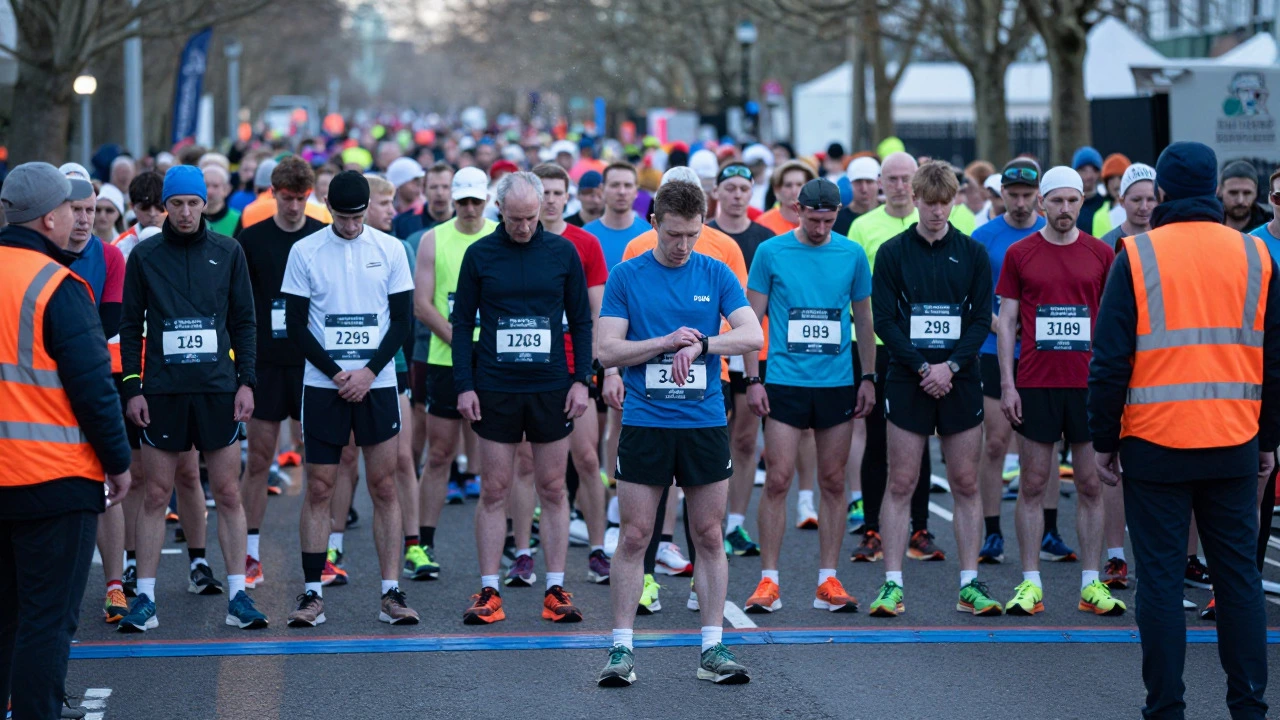
Standing at the start line with a goal of finishing under six hours feels different than aiming for a personal record. You aren't chasing speed; you are chasing consistency. The biggest mistake runners make when targeting this specific time is treating it like a fast race. It isn't. A sub-6-hour marathon requires a completely different mental and physical approach compared to a sub-3 or sub-4 effort. If you get the math right and respect the fatigue curve, you will cross that finish line with energy to spare.
The core answer is simple but easy to mess up in practice. To finish in exactly six hours, your average pace must be 14 minutes and 9 seconds per mile. That translates to approximately 8 minutes and 45 seconds per kilometer. However, sticking to this exact number from mile one to mile twenty-six is a recipe for disaster. Your body changes as the tank empties, so your strategy needs to account for that shift.
The Math Behind the Six-Hour Goal
Before you lace up your shoes, let's look at the numbers because they dictate everything else about your race day. A standard marathon is 26.2 miles (42.195 kilometers). Dividing 360 minutes by 26.2 miles gives you that critical 14:09 per mile figure. But why does this matter more than just knowing the total time? Because pacing errors compound quickly over long distances.
If you run the first half too fast, say at 13:30 per mile, you might feel great until mile 18. By then, your glycogen stores are depleted, and your legs turn to lead. Suddenly, maintaining 14:09 becomes impossible, and you drop into a 15:00 or even 16:00 pace. This phenomenon is known as positive splitting, and it is the primary reason many recreational runners miss their target times. Conversely, if you start too conservatively at 15:00 per mile, you might find yourself cruising through the final five miles with room to spare, potentially finishing in 5:45 instead of 6:00.
| Segment | Miles / KMs | Target Pace (per mile) | Target Pace (per km) | Cumulative Time |
|---|---|---|---|---|
| Start to Mile 5 | 0 - 5 | 14:15 | 8:49 | 1:10:45 |
| Mile 5 to 10 | 5 - 10 | 14:10 | 8:46 | 2:21:35 |
| Mile 10 to 15 | 10 - 15 | 14:05 | 8:43 | 3:32:20 |
| Mile 15 to 20 | 15 - 20 | 14:00 | 8:40 | 4:43:00 |
| Mile 20 to Finish | 20 - 26.2 | 13:55 | 8:37 | 6:00:00 |
Why Negative Splitting Wins the Day
You might wonder why the table above shows slightly faster paces in the second half. This is called negative splitting, and it is the single most effective strategy for hitting a specific time goal. Human physiology works against you during endurance events. As you run, your muscles accumulate metabolic waste products, your hydration levels fluctuate, and your central nervous system fatigues. Running slower early on preserves these resources for when you need them most.
Think of your energy like a bank account. If you withdraw large amounts early, you have less left for the interest-free period later. By holding back in the first ten miles, you keep your heart rate lower and your perceived effort manageable. Most runners report that the last five miles of a marathon feel significantly harder than the first five, even if the terrain is identical. Starting at 14:15 instead of 14:00 creates a buffer. If you hit a headwind or a steep hill at mile 22, you have the physiological reserve to push through without collapsing into a walk.
For a six-hour goal, you don't need to be aggressive. You just need to be steady. Aim to feel "comfortably hard" for the first third of the race. You should be able to speak in short sentences. If you can only breathe in gasps, you are going too fast. Slow down immediately. It is far easier to pick up the pace later if you feel strong than to slow down if you feel wrecked.
Fueling: The Unsung Hero of Long-Distance Running
Pacing is only half the battle. The other half is fuel. Many runners fail to hit their time goals not because they ran too slow, but because they bonked. Bonking happens when your body runs out of easily accessible carbohydrates and switches to burning fat, which is a much slower process. For a six-hour marathon, you need to plan your intake carefully.
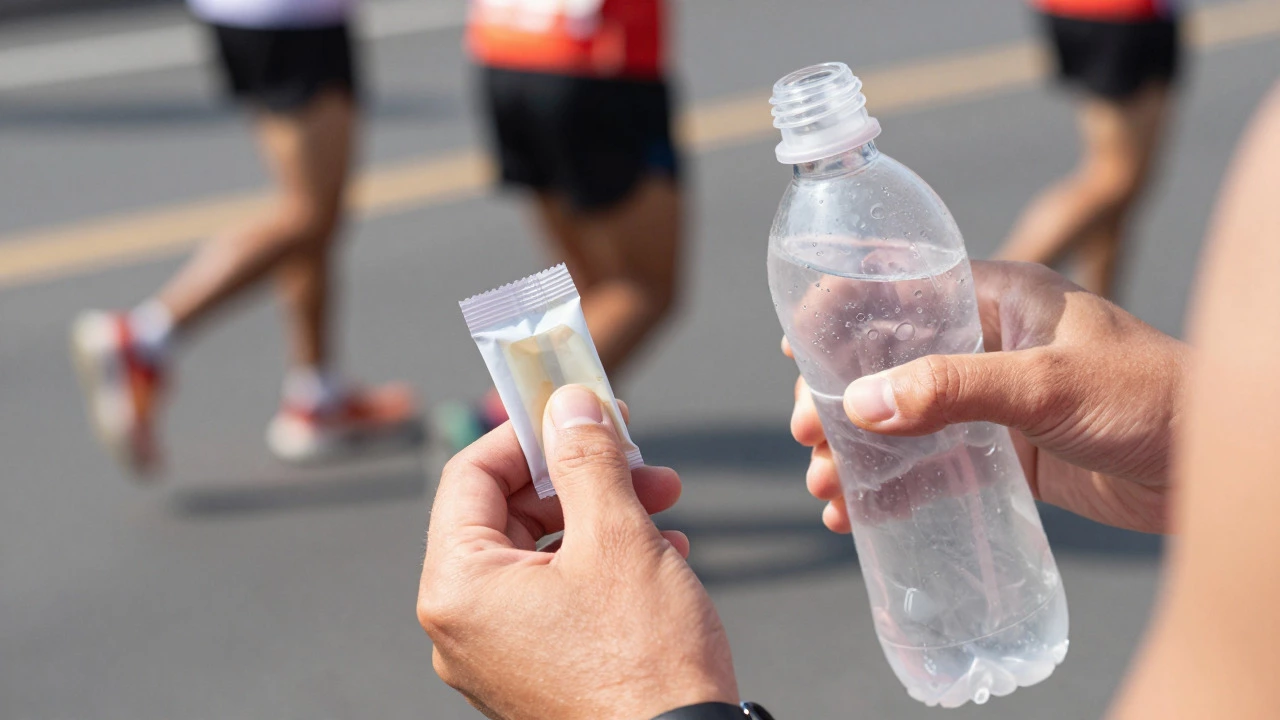
Carbohydrate loading in the days before the race helps top off your muscle glycogen stores. On race day, aim to consume between 30 and 60 grams of carbohydrates per hour. This can come from energy gels, chews, or even real food like bananas if available at aid stations. Do not wait until you feel hungry to eat. Hunger signals often arrive late in endurance events. Set a timer or count your miles. Take a gel every 45 to 60 minutes. Pair every gel with water to prevent stomach cramps.
Hydration is equally critical but often misunderstood. Drinking too much water can lead to hyponatremia, a dangerous condition where sodium levels drop too low. Instead of drinking at every station, take small sips. Listen to your thirst. If you are sweating heavily, consider an electrolyte drink to replace lost salts. A good rule of thumb is to drink enough to stay hydrated but not enough to feel bloated. Your urine color can be a guide; pale yellow is ideal, dark yellow means you need more fluid, and clear might mean you are overhydrating.

Training for Consistency, Not Speed
To run a steady six-hour marathon, your training should reflect that reality. You do not need to be doing high-intensity interval training every week. In fact, too much intensity can leave you too tired for the long runs that build endurance. The foundation of your training should be easy running. These runs should feel effortless, allowing you to hold a conversation. They build your aerobic base and improve your ability to burn fat for fuel.
Your long runs are the most important part of your preparation. Gradually increase the distance of your weekly long run, aiming to cover at least 20 miles in the weeks leading up to the race. During these long runs, practice your race-day fueling strategy. Test out different gels and drinks to see what sits well in your stomach. Simulate race conditions by running at your target pace for the majority of the long run. If you can comfortably maintain 14:09 per mile for 18 to 20 miles in training, you are ready for the marathon.
Incorporate some tempo runs into your week, but keep them shorter. A 30 to 40-minute run at a pace slightly faster than your marathon goal helps improve your lactate threshold. This allows you to sustain a higher pace for longer periods without accumulating excessive fatigue. However, do not overdo it. Recovery is where adaptation happens. Ensure you have rest days or cross-training sessions like swimming or cycling to reduce impact stress on your joints.
Race Day Logistics and Mental Strategies
On the morning of the race, wake up early enough to allow time for a proper warm-up. Eat a familiar breakfast two to three hours before the start. Avoid trying new foods on race day. Stick to what you have practiced in training. Wear gear that you have tested multiple times. New shoes or socks can cause blisters that derail your entire race.
When the gun goes off, resist the urge to surge with the crowd. The adrenaline spike makes everyone want to go fast, but it is a trap. Find your rhythm and lock onto your watch. Check your pace every mile. If you drift too fast, correct it immediately. Do not worry about passing people who seem to be moving faster than you. At the six-hour level, there are thousands of runners. Focus on your own journey.
Mentally, break the race into smaller chunks. Don't think about 26.2 miles. Think about reaching the next aid station, or the next five miles. Positive self-talk helps. Tell yourself "steady, smooth, strong." If you hit a wall around mile 20, which is common, remind yourself that you have trained for this. Push through the discomfort. The end is closer than it feels. Visualize the finish line. Keep your form crisp, even when tired. Slackening your posture increases oxygen consumption and slows you down. Keep your shoulders relaxed and your arms pumping efficiently.
Troubleshooting Common Issues
If you find yourself slowing down significantly after mile 15, check your fueling. Did you skip a gel? Are you dehydrated? Adjust your intake for the remainder of the race. If your legs feel heavy and unresponsive, it might be a sign of muscle fatigue. Try to lighten your stride and focus on quick foot strikes. If you experience side stitches, adjust your breathing pattern. Take deep breaths and slow down slightly until the pain subsides.
Weather plays a huge role. In hot conditions, your pace may naturally drop due to increased cardiovascular strain. In cold conditions, you might run faster initially but risk cramping if muscles are tight. Adjust your expectations based on the forecast. A 6-hour goal in 90-degree heat is much harder than in 50-degree weather. Be flexible with your pacing strategy. If it is hot, start even slower, perhaps at 14:30, and accept that you might need to push harder at the end to make up time. If it is cold, ensure you are properly dressed to avoid chilling your muscles, which can lead to injuries.
Frequently Asked Questions
Is a 6-hour marathon considered a good time?
Yes, for a first-time marathoner or someone returning to running, a sub-6-hour finish is an excellent achievement. It places you in the middle pack of most major marathons, indicating solid endurance and consistent training. It is a milestone that proves you can complete the full distance safely and enjoyably.
Should I use a GPS watch or a phone app for pacing?
A dedicated GPS watch is generally more reliable for long-distance running because it has better battery life and signal reception. However, a smartphone app works fine if you have sufficient battery. The key is having a device that provides accurate pace data. Vibration alerts for every mile are particularly useful for keeping you on track without constantly looking down.
How many weeks of training do I need to prepare for a 6-hour marathon?
Most beginners should allow 12 to 16 weeks of structured training. This timeline allows for gradual mileage increases and adequate recovery. If you already have a base of running 10 miles comfortably, you might manage in 10 to 12 weeks. The critical factor is consistency rather than intensity. Missing too many long runs is a bigger risk than running them slightly slower.
What should I eat after the marathon to recover?
Within 30 to 60 minutes of finishing, consume a mix of carbohydrates and protein. This could be a recovery shake, a banana with peanut butter, or a meal containing lean meat and rice. Rehydration is also crucial, so drink fluids steadily throughout the evening. Sleep is the most important recovery tool, so prioritize rest in the days following the race.
Can I walk any part of the marathon if my goal is 6 hours?
Walking is acceptable, especially on hills or if you feel your form breaking down. However, frequent walking breaks can disrupt your rhythm and make it harder to resume running. If you choose to walk, keep the duration short, such as 30 to 60 seconds, and power-walk briskly. Alternatively, try to jog through difficult sections to maintain momentum. The goal is to keep moving forward without stopping completely.