
Running Without Shoes: Risks, Benefits, and Barefoot Basics
Barefoot Running Transition Estimator
Avoid stress fractures and Achilles strain by calculating a gradual transition plan. This tool estimates your adaptation period based on your current footwear and experience.
Your Estimated Adaptation Period
Suggested Weekly Progression:
💡 Pro Tip: Maintain a cadence of 170-180 steps per minute and focus on a midfoot strike to reduce joint impact. Stop immediately if you feel dull aches in your arches.
Quick Takeaways
- Your feet regain natural strength by engaging neglected muscles.
- You shift from a heavy heel strike to a more efficient midfoot or forefoot strike.
- The risk of blisters and cuts increases immediately without a protective barrier.
- A sudden jump into barefoot running often leads to stress fractures.
- Minimalist shoes offer a middle ground for those not ready for total nudity.
The immediate shock to your system
The second you start running without shoes, your brain gets a massive flood of data. In a standard sneaker, you're essentially wearing sensory deprivation tanks on your feet. When you remove them, you experience Proprioception, which is the body's ability to perceive its own position and movement in space. You'll feel every pebble, the slant of the road, and the temperature of the ground.
Initially, this feels chaotic. You'll likely find yourself stepping more tentatively. This is your brain recalculating how to land. If you've spent years in shoes with a high Heel-to-Toe Drop-the height difference between the heel and the forefoot-your Achilles tendon has likely shortened. Trying to run flat on the ground immediately can cause a sharp pull in your calves because they are being stretched further than they've been in years.
How your gait transforms
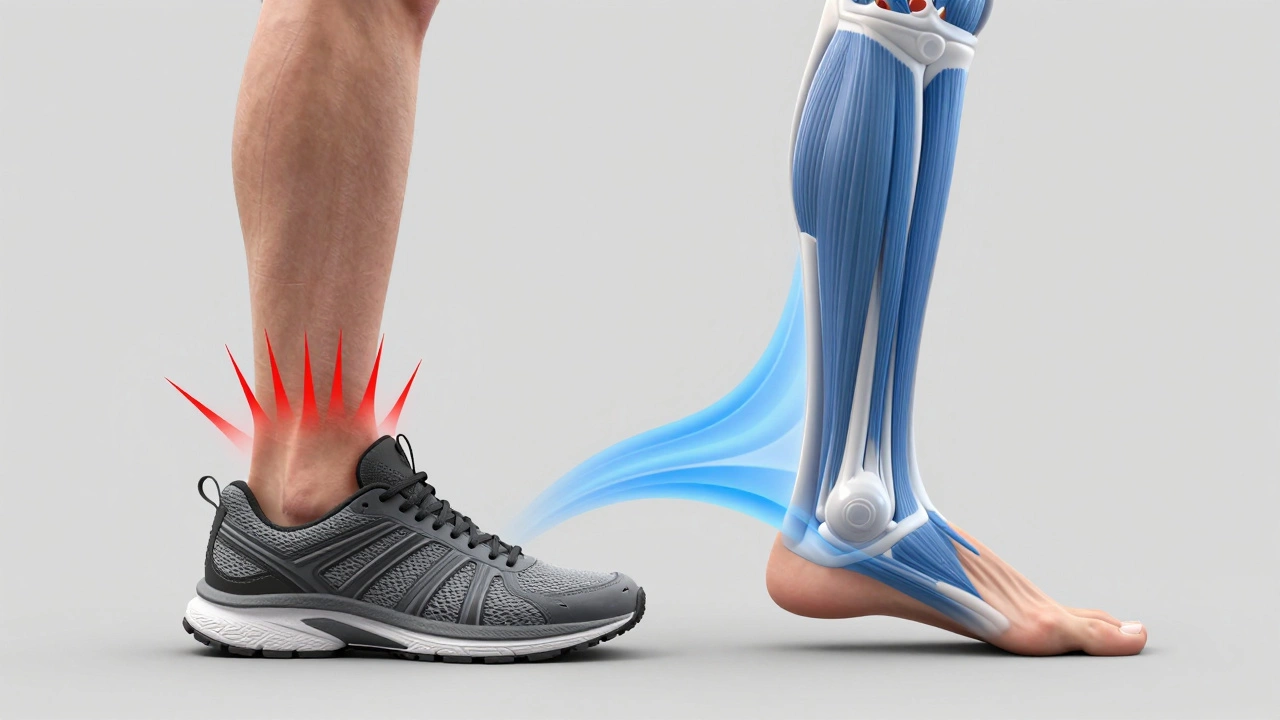
Most modern shoes encourage a "heel strike." Because of the cushioning, we land hard on our heels, sending a shockwave up through the ankles, knees, and hips. When you run barefoot, landing on your heel hurts. It's a natural biofeedback loop: pain tells you to change your form.
You will naturally migrate toward a Midfoot Strike or forefoot strike. By landing flatter or slightly forward, you use your arch and calf muscles as natural springs. This reduces the jarring impact on your knees. Instead of the shoe absorbing the energy, your Plantar Fascia-the thick band of tissue on the bottom of your foot-takes over the load-bearing duties. Over time, this strengthens the foot, making it more resilient and less prone to the "laziness" caused by over-supportive shoes.
| Feature | Traditional Running Shoes | Barefoot / Minimalist |
|---|---|---|
| Impact Point | Often the heel (Heavy shock) | Midfoot/Forefoot (Distributed shock) |
| Muscle Engagement | Low (Shoe does the work) | High (Foot muscles active) |
| Foot Shape | Tapered toe box (Cramped) | Natural splay (Wide) |
| Sensory Feedback | Muffled / Low | High / Instant |
The danger zone: When things go wrong
While the benefits sound great, there is a steep learning curve. If you try to run 5km barefoot tomorrow, you are asking for trouble. The most common injury is the Stress Fracture, specifically in the metatarsals (the long bones in your feet). This happens because the bones aren't used to the load. Just as you wouldn't jump into a 200kg bench press without training, you can't ask your bones to suddenly support your full body weight without a transition period.
Then there is the environment. City streets are hostile. Glass, hot asphalt in July, and jagged gravel can end a run quickly. Beyond the obvious cuts, there is the risk of bacterial infections if you have an open wound and step in something unsanitary. This is why many people pivot to Minimalist Footwear-shoes with very thin soles and a wide toe box that protect the skin but don't interfere with the natural movement of the foot.
Rebuilding the foot from the ground up
Running without shoes actually reverses some of the damage caused by restrictive footwear. Most sneakers have a narrow toe box that pushes your toes together, which can lead to bunions. Barefoot running allows for "toe splay," where your toes spread out to create a wider, more stable base of support.
You'll notice your balance improves. Because you're engaging more small stabilizer muscles in the ankle and foot, your core stability often improves as well. Your body stops relying on the mechanical stability of a shoe and starts relying on its own neurological and muscular stability. It's essentially weight training for your feet. You'll find that the running without shoes experience makes you more aware of your posture; you can't slouch through a barefoot run without feeling the imbalance in your stride.
The transition strategy: How to do it safely
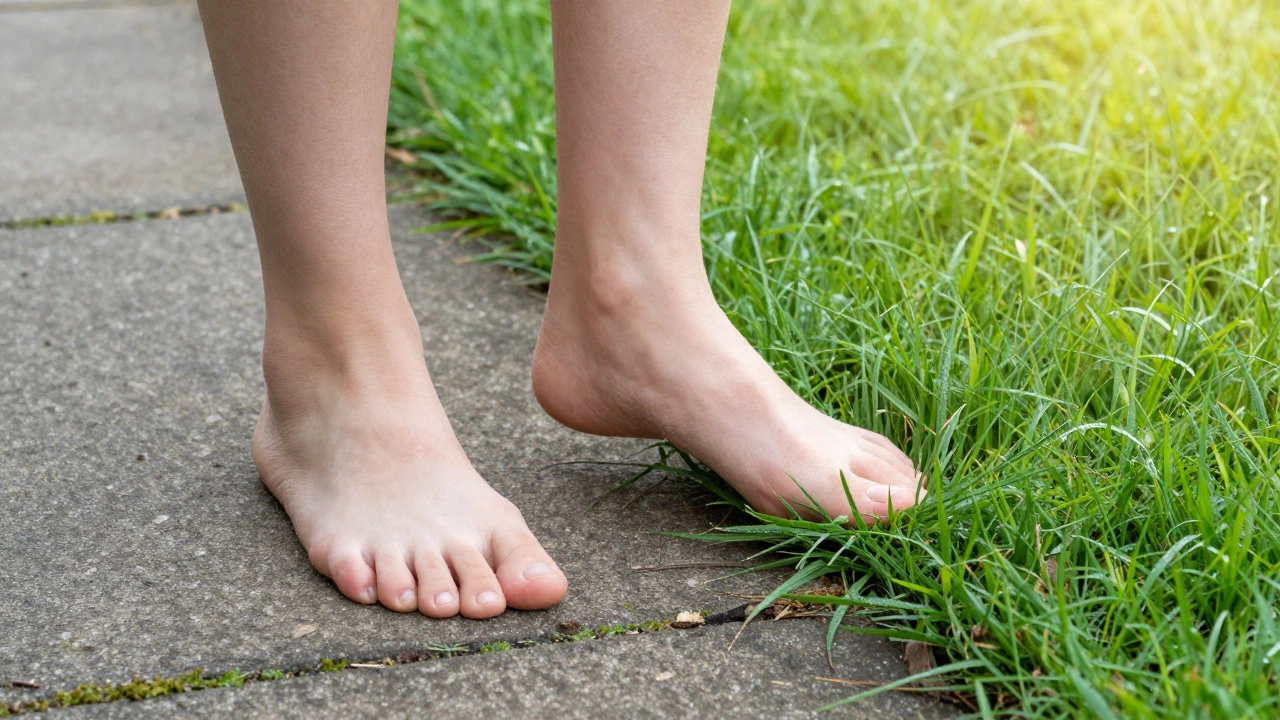
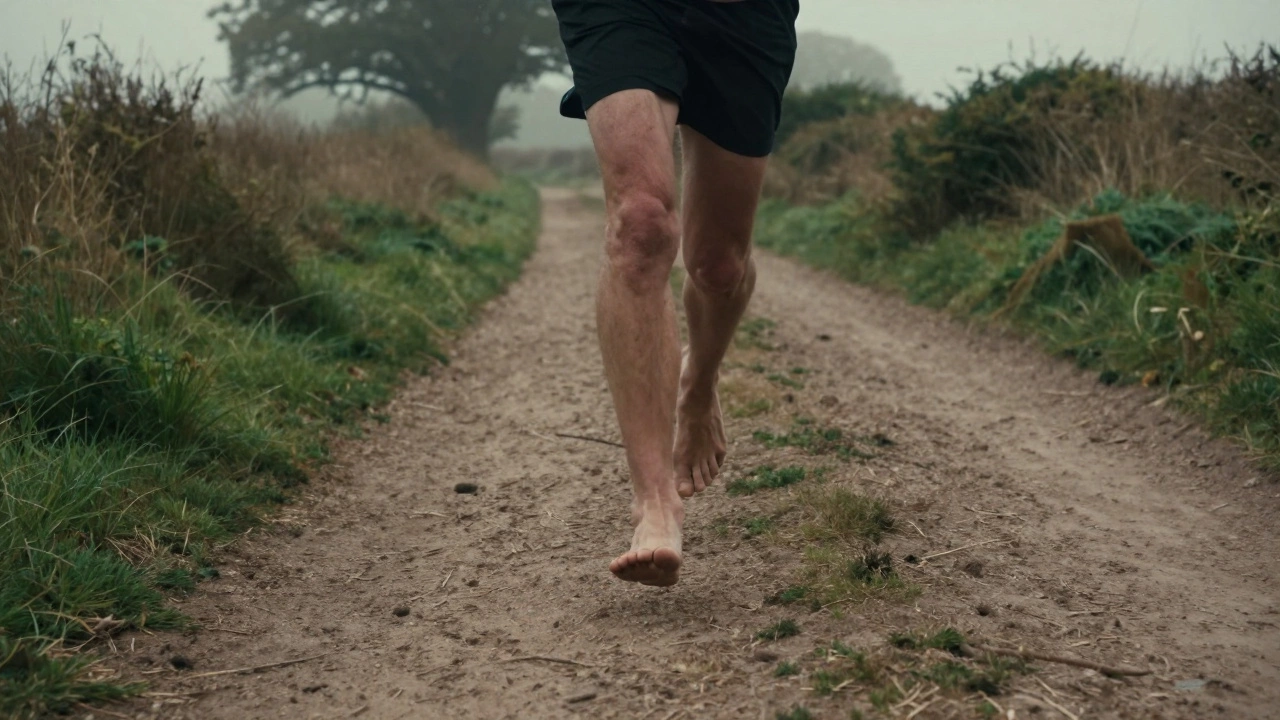
If you want to try this, do not just throw your shoes in the bin. You need a gradual adaptation phase. Start by spending time barefoot at home or on a sandy beach. Once that feels normal, try "micro-runs"-maybe 100 meters of barefoot jogging on a soft surface, then switching back to your shoes.
Focus on your cadence. Shorten your stride. Instead of taking long, leaping steps that land you hard on your heels, take quicker, smaller steps. Aim for about 170 to 180 steps per minute. This keeps your center of gravity directly over your feet and minimizes the torque on your joints. If you feel a dull ache in your arches, stop immediately. That's your plantar fascia telling you it's reached its limit for the day.
Will running barefoot cure my plantar fasciitis?
It can, but it's a double-edged sword. Strengthening the foot is the long-term cure for plantar fasciitis, and barefoot movement helps with that. However, if you do too much too soon, you will aggravate the inflammation and make the pain worse. The key is a very slow transition and focusing on foot mobility exercises before attempting to run.
Is it safer to run barefoot on grass or pavement?
Grass is softer, which reduces immediate impact, but it can be uneven and slippery, increasing the risk of ankle sprains. Pavement provides a consistent surface and better feedback, but it's much harder on the joints and carries a higher risk of cuts. For beginners, a firm but smooth surface like a synthetic track or a packed dirt path is usually the sweet spot.
Do I need special socks for minimalist running?
If you're going fully barefoot, obviously no. But if you're using minimalist shoes, look for "toe socks." These individual sleeves for each toe prevent the friction that causes blisters while still allowing your toes to splay naturally, which is the main benefit of the minimalist approach.
How long does it take for the feet to adapt?
For most people, it takes 3 to 6 months of consistent, gradual exposure. This isn't just about skin toughness (though calluses help), but about bone density and tendon elasticity. If you rush this process, you risk an injury that could sideload you for months.
Can people with flat feet run barefoot?
Yes, and in many cases, it's actually recommended. Many people with flat feet rely on "stability shoes" that force the foot into an artificial arch. Running barefoot allows the foot to function as it is and helps build the strength in the intrinsic muscles of the foot, which can actually improve the functional support of the arch over time.
What to do next
If you're feeling brave, start today by simply walking barefoot in your garden or at a local park. Pay attention to how your weight shifts from the outer edge of your foot to the big toe. Once you've mastered the walk, move to a slow jog on a soft surface for just two minutes. If you feel any sharp pain, back off. The goal isn't to suffer; it's to wake up a part of your body that has been asleep inside a shoe for decades.