
What Do Americans Call Football? The Sport They Call Soccer
Football/Soccer Terminology Quiz
Question 1: What do Americans typically call the sport Europeans call "football"?
Question 2: Why was the term "soccer" created in the U.S.?
Question 3: What was the original name of the sport Europeans call "football"?
Question 4: What sport do Americans typically call "football"?
Question 5: When did "soccer" become the standard term in the U.S. for the global game?
Quiz Results
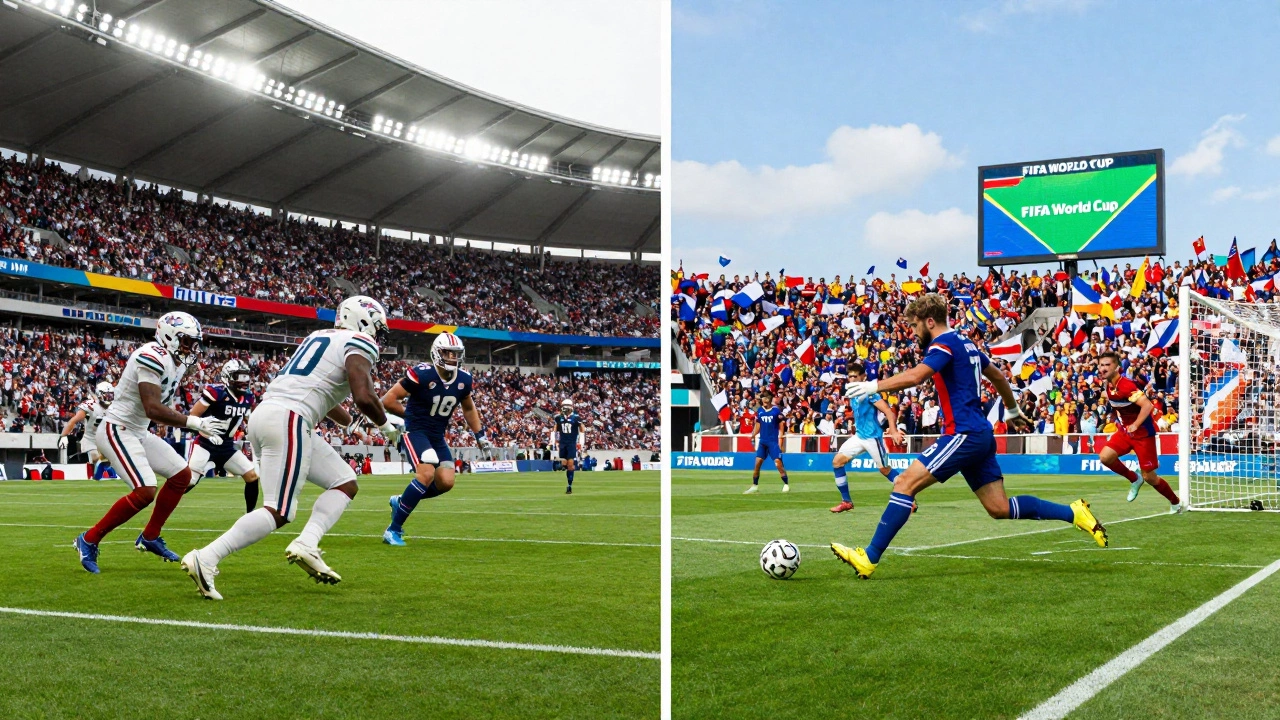
Ask an American what they call football, and they’ll likely give you a confused look. Then they’ll say, "You mean soccer?" Meanwhile, in the UK, Australia, Brazil, or Nigeria, football is the game everyone knows - the one with the ball, the goals, and the 11 players on each side. So why does the U.S. use a different word? And what’s the real story behind the name clash?
The British Roots of Football
The game we now call soccer started in England in the mid-1800s. Before that, different towns had their own versions of ball games - some allowed handling, others didn’t. In 1863, the Football Association was formed in London to standardize the rules. They banned handling the ball with hands, and that version became known as "association football."
That name was a mouthful, so people shortened it to "football." It stuck. By the 1880s, football was the most popular sport in Britain. Teams like Sheffield FC and Preston North End were drawing crowds in the thousands. The sport spread through the British Empire - to Australia, South Africa, India, and beyond. Everywhere, it was called football.
How American Football Got Its Name
But in the U.S., something different happened. In the late 1800s, college students started playing a mix of rugby and soccer. They used their hands, tackled hard, and ran with the ball. It was wild, physical, and unlike anything in Europe. By the 1880s, this new version had its own rules - and its own name: "American football."
By 1920, the National Football League (NFL) was formed. American football exploded in popularity. Radio broadcasts, then TV, turned it into a national obsession. The Super Bowl became a cultural event bigger than the Oscars. Meanwhile, the sport Europeans called football barely registered in the U.S. media.
The Name Split: Soccer Takes Over in the U.S.
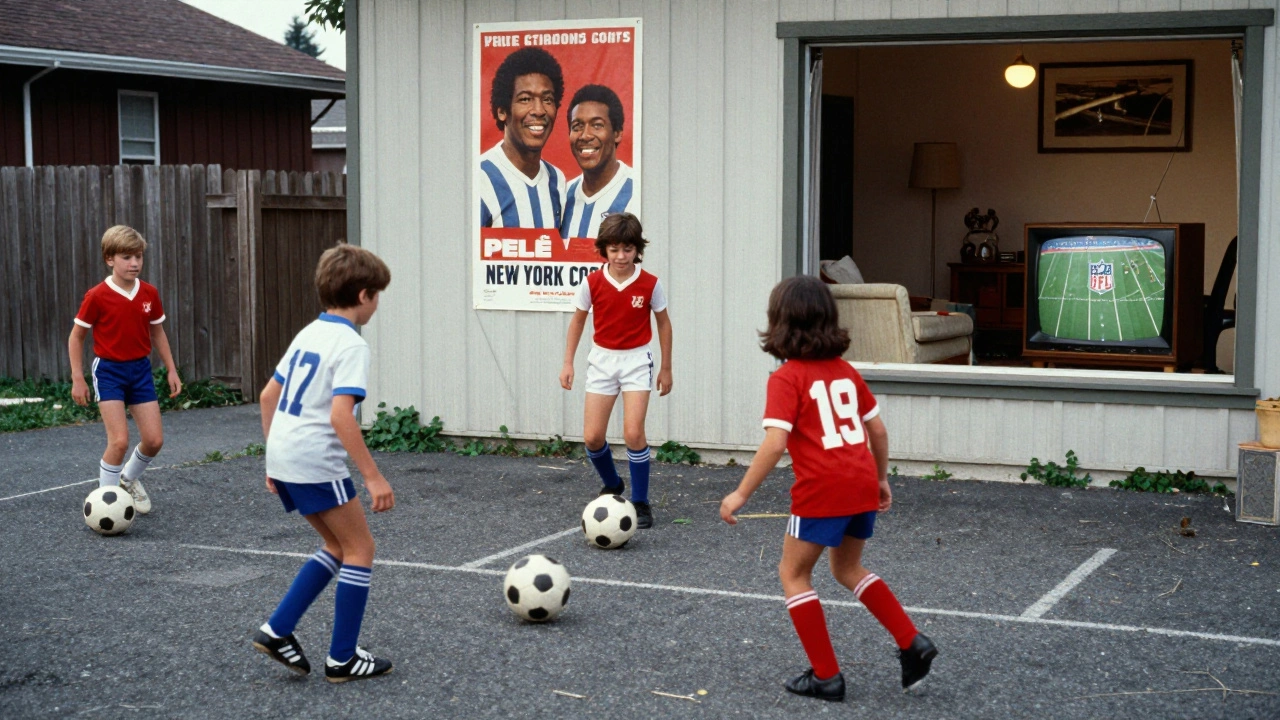
So what did Americans call the sport Europeans called football? They needed a way to tell the two apart. In the early 1900s, the word "soccer" - short for "association football" - started being used in American schools and clubs. It wasn’t meant to be weird. It was practical.
By the 1950s, "soccer" was the standard term in the U.S. for the global game. The U.S. Soccer Federation was founded in 1913. The U.S. men’s national team played in the 1930 World Cup. But American football kept dominating headlines. So soccer stayed in the background - played in high schools, colleges, and immigrant communities, but rarely on TV.
Then, in the 1970s, the North American Soccer League (NASL) brought international stars like Pelé to U.S. soil. He played for the New York Cosmos. Crowds packed stadiums. Kids started wearing Pelé jerseys. The word "soccer" became the default. And it stuck.
Why the Confusion Still Exists
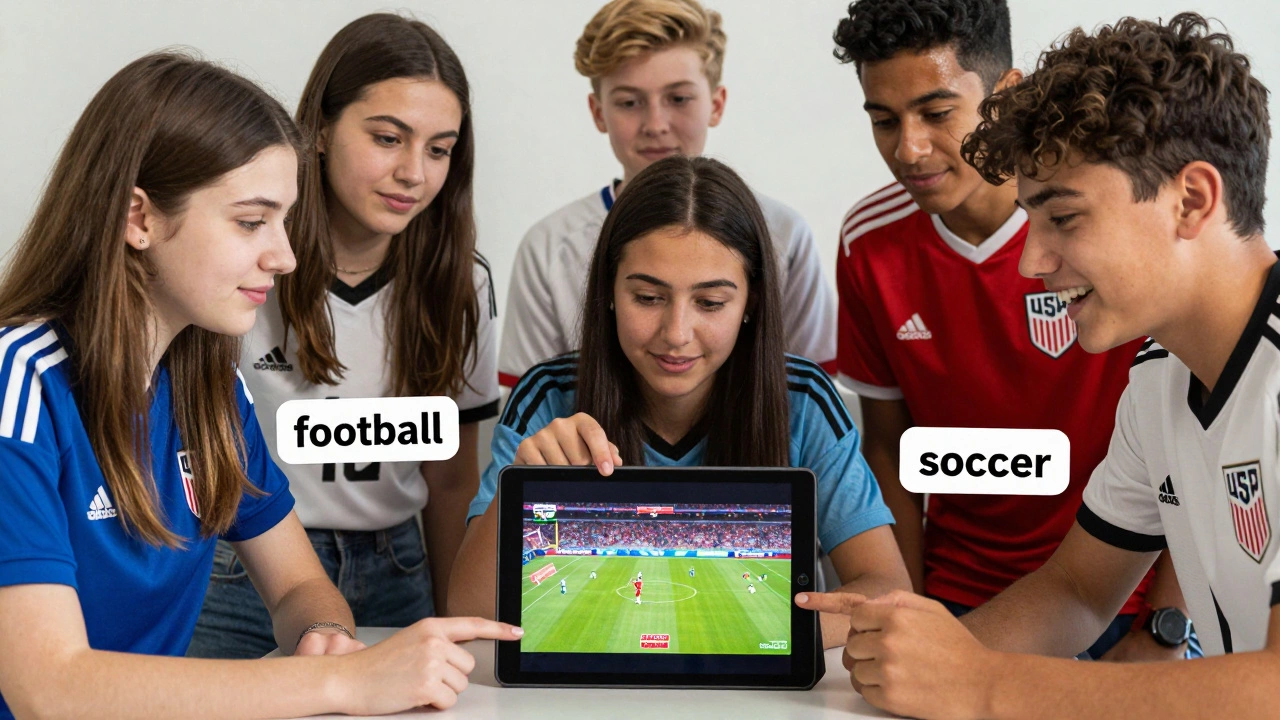
Today, most Americans still say "soccer" to mean the global game. But younger generations are starting to say "football" - especially after the U.S. women’s team won the 2015 and 2019 World Cups. ESPN now uses "football" in some international coverage. YouTube channels aimed at teens call it "football." The U.S. Soccer Federation even changed its logo in 2022 to say "U.S. Soccer" instead of "U.S. Soccer Federation."
Meanwhile, in the UK, Australia, and most of the world, saying "soccer" feels odd - even wrong. To them, "soccer" sounds like an American quirk. But in the U.S., "football" means shoulder pads, helmets, and 4th-and-1. The two games are completely different in rules, culture, and fan energy.
How Other Countries Handle the Confusion
It’s not just the U.S. that uses "soccer." Australia, Canada, and South Africa also use the term. In Australia, "football" can mean AFL (Australian Rules), rugby league, or soccer - depending on the state. In Canada, "football" usually means Canadian football, a close cousin to American football. So "soccer" is the safe term there too.
In Ireland, people say "football" for Gaelic football - a totally different game. In New Zealand, "football" often means rugby. So even in places outside the U.S., context matters. The word "football" doesn’t mean one thing globally. It means whatever game dominates locally.
What’s Happening Now?
In 2026, soccer (or football) is growing fast in the U.S. Major League Soccer has 29 teams. Women’s soccer draws bigger crowds than NBA games in some cities. The 2026 World Cup will be hosted by the U.S., Canada, and Mexico. Millions of American kids now play it. More than 18 million Americans watched the 2022 World Cup final.
But American football still rules TV ratings. The NFL’s 2023 season averaged 17 million viewers per game. The Super Bowl gets over 120 million. So the name divide isn’t going away anytime soon.
Most Americans still say "soccer." But if you’re watching a match with a British friend, you might hear them say, "That was a brilliant goal in football." And you’ll both know exactly what they mean - even if you call it something else.
Why do Americans call soccer "football" in other countries?
They don’t. In most countries, "football" refers to the global game played with feet, not hands. Americans call it "soccer" to avoid confusion with American football. The term "soccer" actually comes from "association football," which was coined in England in the 1880s. It was an English slang term long before it became an American one.
Is "soccer" considered incorrect in the UK?
Many Brits find "soccer" unusual or even outdated. It’s not wrong - just not commonly used. In the UK, "football" is the only term used for the sport. Saying "soccer" can sound like an American trying to sound clever. The word fell out of fashion in Britain after the 1970s, when American football became more visible globally.
Do American kids still learn to call it "soccer"?
Yes, most still do. Youth leagues, school teams, and parents use "soccer." But with the rise of global media, streaming, and the U.S. women’s team’s success, more kids are hearing "football" on YouTube, TikTok, and international broadcasts. Some schools now teach both terms. But "soccer" remains the everyday word.
What’s the difference between American football and soccer?
Completely different. American football uses an oval ball, allows tackling and hand-passing, and has 11 players per side who play in short bursts. Games last about three hours with frequent stops. Soccer uses a round ball, players can’t use their hands (except the goalie), and the game flows for 90 minutes straight. Goals are scored by kicking the ball into the net. The rules, culture, and even the physical demands are totally different.
Will the U.S. ever start calling it "football"?
It’s possible - but not soon. The term "football" is deeply tied to the NFL in American culture. Until the NFL’s popularity drops, "football" will stay with helmets and touchdowns. But as soccer grows, especially among Gen Z and with the 2026 World Cup, more Americans will use "football" in casual conversation. The shift is already starting online and in youth sports. It’s not a question of right or wrong - just evolution.