
What Do Athletes Need Most? The Real Essentials Beyond Gear
Athlete Hydration Calculator
Calculate Your Needs
Why It Matters
According to the article, losing just 2% of your body weight in fluids can drop performance by 10%. Pro athletes monitor sweat rates closely to prevent this.
Results will appear here after calculation.
Ask any athlete what they need most, and you’ll hear a lot about shoes, helmets, or the latest smartwatch. But if you’ve ever watched someone push through a brutal workout, bounce back from an injury, or race on empty, you know gear is just the surface. What athletes truly need most isn’t something you can buy at a sporting goods store. It’s a mix of recovery, fuel, mindset, and support - all working together. Without these, even the best equipment won’t save them.
Recovery Isn’t Optional - It’s the Foundation
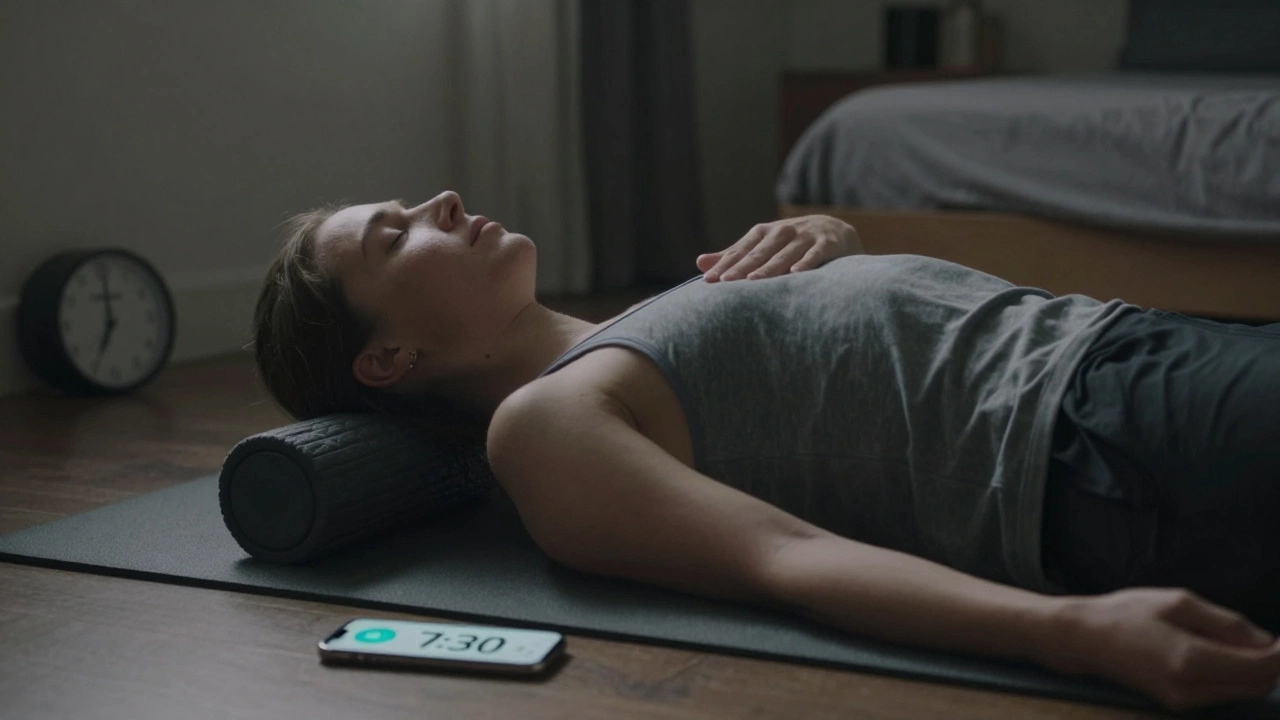
Most athletes think training is the hard part. It’s not. Recovery is. Pushing your body to its limits without giving it time to rebuild is like running a car on empty and expecting it to keep going. The truth? Muscle growth happens when you rest, not when you lift. Sleep, hydration, and active recovery aren’t add-ons - they’re non-negotiable.
Top endurance runners in the UK, like those training for the London Marathon, sleep an average of 8.5 hours a night during peak training. That’s not a luxury - it’s science. Deep sleep triggers growth hormone release, which repairs muscle tissue and reduces inflammation. Skip sleep, and you’re not just tired - you’re injured waiting to happen.
Ice baths, foam rolling, and compression gear help, but they’re band-aids if the basics are missing. A 2024 study from the University of Bath found that athletes who prioritized sleep and hydration improved their recovery speed by 40% compared to those who only used expensive recovery gadgets. The real tool? A consistent bedtime and drinking at least 2.5 liters of water daily.
Nutrition: Fuel That Works, Not Just What’s Trendy
Protein shakes, keto diets, collagen powders - the market is flooded with ‘athlete-approved’ nutrition products. But what most athletes actually need is simple, consistent fuel. Carbs aren’t the enemy. Fats aren’t the villain. It’s about timing, quality, and balance.
Elite sprinters in Bristol train twice a day. Their meals? Oatmeal with banana and peanut butter before morning sessions. Grilled chicken, sweet potato, and broccoli after. No fancy supplements. Just real food that delivers energy and repairs tissue. A 2025 review of 12 national team programs showed that athletes who ate whole foods 80% of the time performed better and got sick less than those relying on bars and powders.
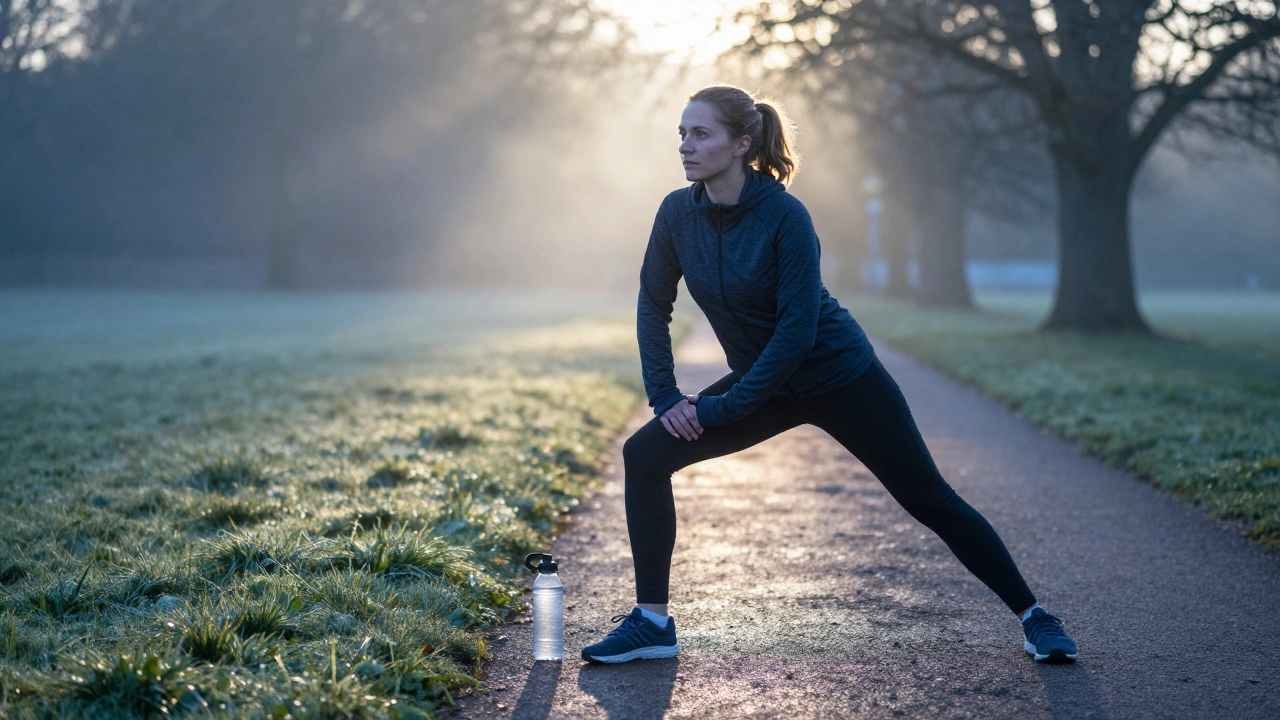
Hydration matters just as much. Sweat loss isn’t just water - it’s sodium, potassium, magnesium. Losing even 2% of your body weight in fluids can drop performance by 10%. That’s why pro teams now monitor sweat rates. One rugby player in the Premiership lost 1.8kg in a single match. His fix? A salted drink with every training session. No magic formula. Just tracking and adjusting.
Mindset: The Hidden Gear
Two athletes with identical training plans, gear, and nutrition will perform differently. Why? Mindset. The difference isn’t talent - it’s resilience. Athletes who need most aren’t the strongest or fastest. They’re the ones who keep going when everything hurts.
Psychological skills like visualization, self-talk, and controlled breathing aren’t woo-woo. They’re tools. A 2023 study of Olympic qualifiers found that athletes who practiced 10 minutes of daily mindfulness improved reaction times by 12% and reduced anxiety-related errors by 35%. One basketball player in the BBL started using a 4-7-8 breathing technique before free throws. His shooting percentage jumped from 68% to 82% in three months.
And it’s not just about staying calm. It’s about handling failure. Every athlete hits a wall. The ones who bounce back don’t have better gear - they have better narratives. Instead of ‘I failed,’ they say, ‘I learned.’ That shift changes everything.

Support Systems: You Don’t Train Alone
Even the most independent athletes need people. Coaches, physios, nutritionists, family - they’re the invisible team. Many amateurs think they can do it all on their own. They can’t. And they shouldn’t.
Take a local triathlete in Bristol. She trains 20 hours a week. Her coach plans her sessions. Her physio fixes her knee before it becomes a problem. Her partner handles meals when she’s too tired to cook. She doesn’t have a $5,000 bike or a personal trainer on speed dial. She has a system. That system is her real advantage.
Research from the English Institute of Sport shows athletes with consistent access to a support team are 50% less likely to quit or get injured over a 12-month period. You don’t need a big staff. You need one person who knows your limits and won’t let you push past them.
Equipment? It’s the Enabler, Not the Answer
Yes, gear matters. Bad shoes cause blisters. Poorly fitted helmets risk concussions. But gear doesn’t make champions. It just lets them do their job safely.
Look at the difference between a beginner and a pro. The beginner buys the most expensive running shoes, thinking it’ll make them faster. The pro buys shoes that fit their foot shape, replace them every 500 miles, and knows exactly when to switch based on terrain. The gear is the same - the understanding is different.
Here’s the rule: Spend on gear that prevents injury or improves efficiency. Not on gear that promises results. A heart rate monitor? Useful. A $400 smart sock that claims to boost recovery? Probably not. A quality foam roller? Yes. A vibrating massage gun? Maybe, if you use it consistently.
The best equipment is the one you actually use. And most athletes don’t use half of what they buy.
The Real Checklist: What Athletes Need Most
So what do athletes need most? Here’s the non-negotiable list:
- Sleep: 7.5-9 hours every night. No exceptions.
- Hydration: Drink water all day. Add salt if you sweat heavily.
- Real food: Prioritize whole carbs, lean protein, and healthy fats. No gimmicks.
- Recovery time: At least one full rest day per week. Active recovery counts.
- Mindfulness: 5-10 minutes of breathing or meditation daily.
- Support: At least one coach, physio, or trusted person who knows your goals.
- Proper gear: Fit matters more than brand. Replace worn-out items before they hurt you.
That’s it. No apps. No subscriptions. No expensive gear. Just consistency.
What Happens When You Skip the Basics?
One runner I know trained 7 days a week for six months. She had the latest shoes, a smartwatch, and a meal plan app. She also had a stress fracture. Why? She never slept enough. She skipped rest days. She thought pushing harder was the answer.
She spent three months off. Then she changed everything. She slept. She ate. She rested. She came back stronger - not because she bought new gear, but because she finally gave her body what it needed.
That’s the pattern. The best athletes aren’t the ones with the most gadgets. They’re the ones who mastered the basics and stuck with them.
Do athletes need expensive gear to perform well?
No. High-end gear doesn’t make you faster or stronger. What matters is that your equipment fits properly, supports your movement, and is replaced when worn out. A $50 pair of well-fitted running shoes that you replace every 500 miles will outperform a $200 pair you keep for two years.
Is sleep really that important for athletes?
Yes. Sleep is when your body repairs muscle, balances hormones, and strengthens memory of movements. Athletes who sleep less than 7 hours a night are 1.7 times more likely to get injured, according to a 2024 study in the British Journal of Sports Medicine. Top performers often sleep 9 hours or more.
Can supplements replace real food for athletes?
Not reliably. Protein powders can help if you’re struggling to meet protein needs, but they don’t replace the vitamins, fiber, and phytonutrients in whole foods. A 2025 review of 18 national teams found athletes who ate mostly real food had fewer illnesses and better long-term performance than those relying on supplements.
How much water should an athlete drink daily?
At least 2.5 liters, but more if you sweat heavily. A good rule: weigh yourself before and after training. For every kilogram lost, drink 1.5 liters of fluid. Add a pinch of salt to your water if you’re training over an hour in heat - it helps your body hold onto fluids.
What’s the most common mistake athletes make?
Trying to do everything at once. They buy new gear, start a new diet, add extra workouts, and skip sleep - all at the same time. That’s how injuries and burnout happen. Focus on one thing at a time. Master sleep first. Then hydration. Then nutrition. Progress comes from consistency, not overload.
What Comes Next?
If you’re an athlete who’s been chasing the next upgrade - the shinier shoes, the smarter watch, the latest supplement - pause. Look at your sleep schedule. Your water intake. Your rest days. Your support network. Fix those first. The gear will follow. The results will come. Not because you bought something new, but because you finally gave your body what it’s been asking for all along.