
What Do Aussies Call Rugby? League vs Union Explained
Aussie Rugby Decoder
Confused by what Aussies mean when they say "rugby"? Use this decoder to identify the code based on common keywords, teams, or regions.
Quick Reference: The Great Divide
Stronghold: NSW & QLD
Key Teams: Broncos, Roosters, Storm, Sharks
Nickname: Kangaroos (National)
Vibe: Fast-paced, working-class roots, "League"
Stronghold: VIC, TAS, ACT, WA
Key Teams: Waratahs, Rebels, Brumbies, Reds
Nickname: Wallabies (National)
Vibe: Strategic, school/university links, "Union"
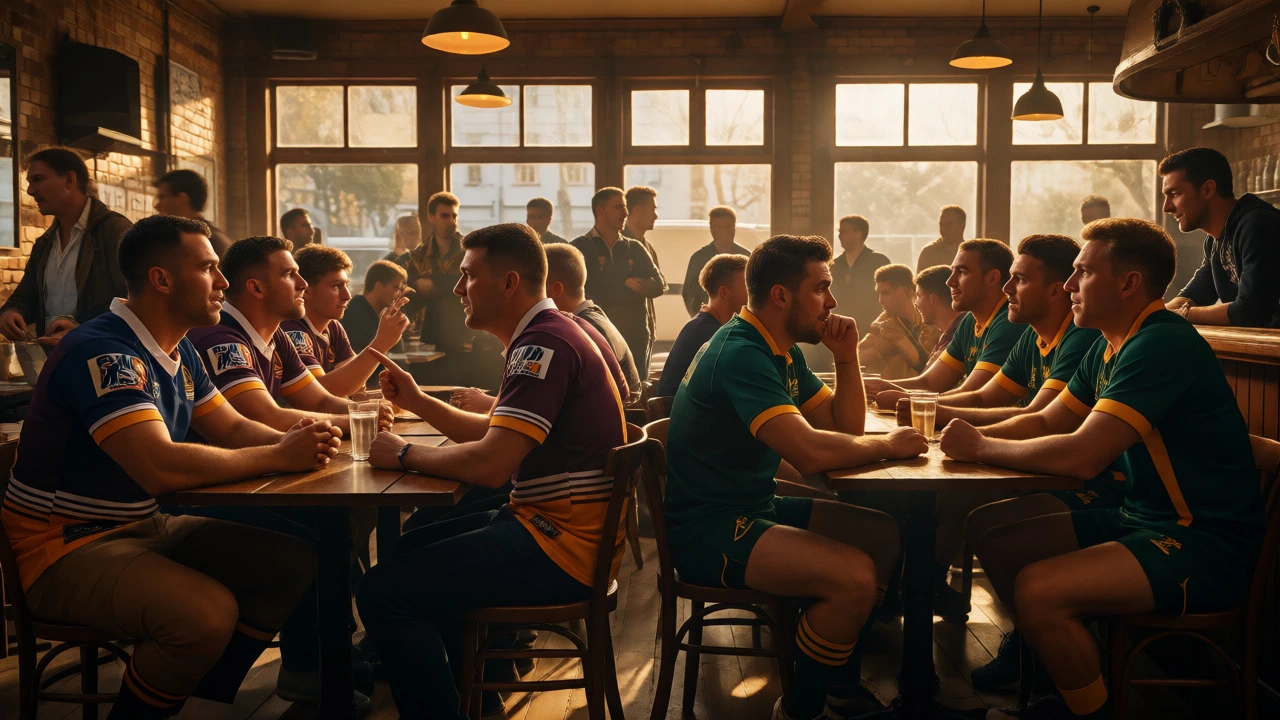
Walk into a pub in Sydney or Melbourne on a Saturday afternoon and ask someone about "rugby," and you might get a confused look. Or worse, you might start a friendly but heated debate about which code is actually the real sport. This isn't just pedantry; it’s a cultural divide that shapes how millions of Australians talk about their national game. If you’re trying to understand Australian rugby culture, or if you’re just tired of accidentally offending a fan by mixing up the terms, you need to know the difference between the two main codes: Rugby League and Rugby Union.
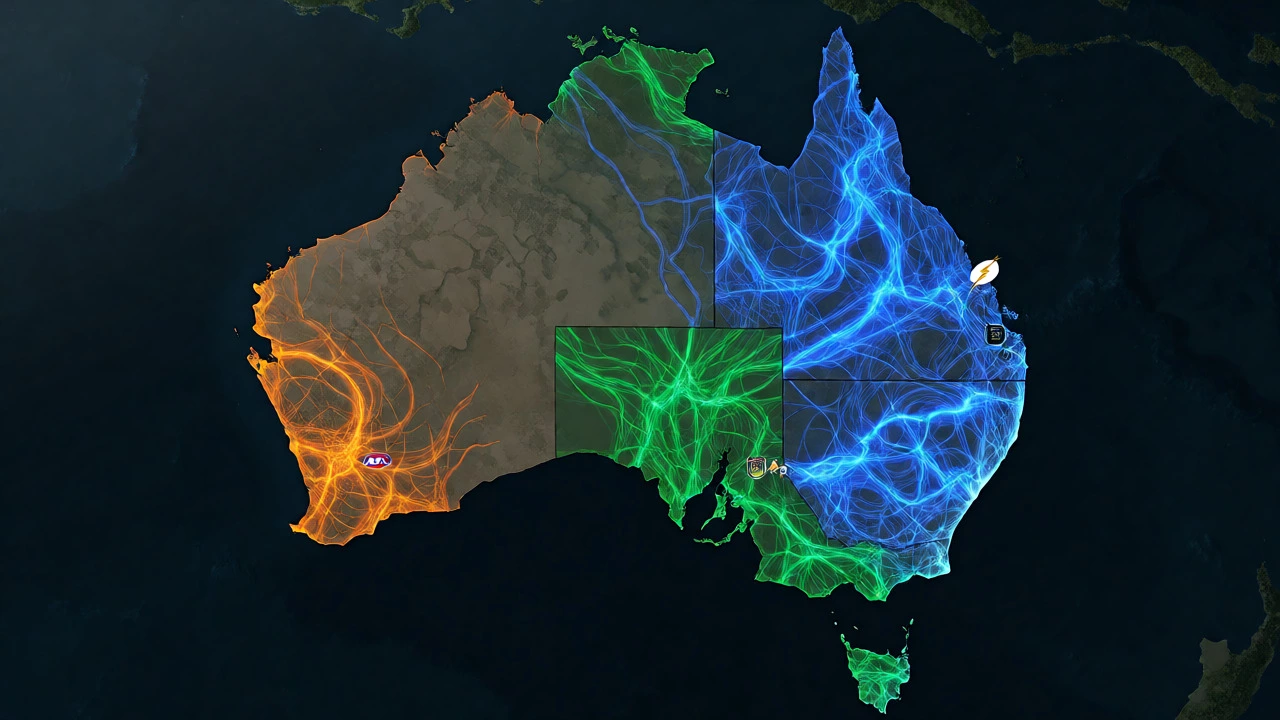
The short answer? Australians don’t have one single word for rugby. They split it sharply. In New South Wales (NSW) and Queensland, when people say "rugby," they almost always mean Rugby League. In Victoria, Tasmania, and parts of Western Australia, "rugby" often defaults to Rugby Union. But here’s the kicker: neither side calls it "Aussie Rules." That’s Australian Football League (AFL), a completely different beast played with an oval ball on a massive field. Confused yet? Let’s break down exactly what locals call what, and why it matters.
The Great Divide: League vs. Union
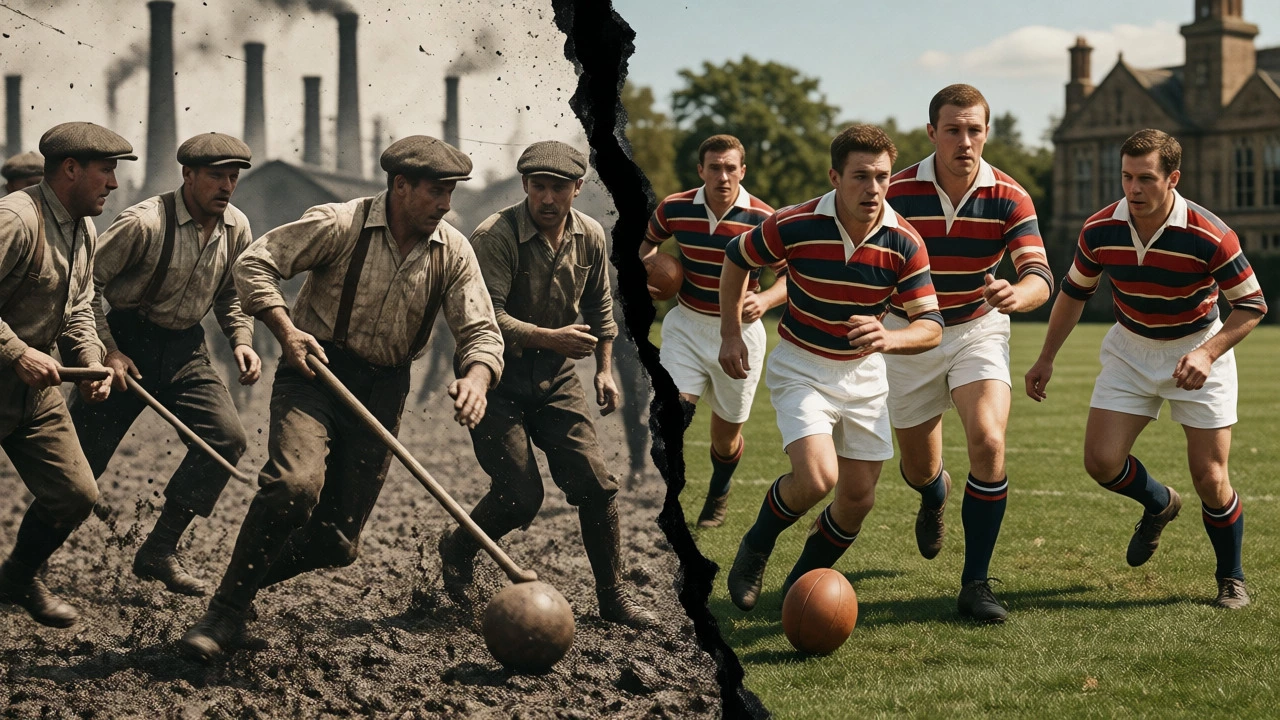
To understand the language, you have to understand the history. It started in 1907, when players broke away from the traditional Rugby Union to form Rugby League. The split was over money-League allowed professional payments, while Union stayed amateur until 1995. This created two distinct cultures that still speak different dialects today.
In the heartland of NSW and Queensland, Rugby League is simply called "rugby" or sometimes "league." It’s the dominant winter sport alongside AFL in some areas, but in the east coast states, it rules. Fans talk about the "NRL" (National Rugby League) without thinking twice. If you ask a bloke in Brisbane who his favorite team is, he’ll name an NRL club like the Broncos or Dolphins. He won’t mention Super Rugby unless you specifically bring it up, and even then, he might dismiss it as "that other thing."
Rugby Union, on the other hand, has its stronghold in Victoria, Tasmania, and the ACT. Here, "rugby" means Union. Fans follow the "Wallabies" (the national team) and local clubs playing in the National Rugby Championship or Super Rugby Pacific. In these regions, saying "I love rugby" implies you’re talking about the 15-a-side game with lineouts and scrums that last forever. If you suggest League is better, you’re stepping into hostile territory.
| Region | Dominant Code | Common Local Term for "Rugby" | Key Competition |
|---|---|---|---|
| New South Wales & Queensland | Rugby League | "Rugby" or "League" | NRL |
| Victoria & Tasmania | Rugby Union | "Rugby" or "Union" | Super Rugby Pacific / NRC |
| Western Australia | Mixed (AFL dominant) | Context-dependent | VARL / WA Rugby |
| South Australia | Mixed | Usually "Union" if specified | SARU Competitions |
Why Context Is Everything
You can’t rely on the word "rugby" alone. You need context clues. Are you watching TV? Check the channel. Channel 9 broadcasts the NRL (League). Stan Sport and Binge stream Super Rugby Pacific (Union). If you see players wearing jerseys with sponsors like "Telstra" or "Coca-Cola" and the field looks smaller with fewer players, it’s likely League. If you see the Wallabies green and gold kit, it’s Union.
Language shifts depending on who you’re talking to. A casual fan might just say "footy," but that’s dangerous ground. In QLD and NSW, "footy" usually means AFL. In VIC, "footy" also means AFL. So if you want to be precise, avoid "footy" for rugby entirely. Instead, use the specific code names. Saying "I’m watching the Roosters tonight" clearly signals League. Saying "I’m heading to the Brumbies match" signals Union.
There’s also a subtle class stereotype attached to the terms. Historically, Rugby League was seen as the working-class game, rooted in industrial suburbs and mining towns. Rugby Union carried a reputation as the middle-to-upper-class sport, associated with private schools and universities. While these lines are blurring fast-especially with the rise of mixed audiences-the vocabulary still hints at this background. Using the term "union" might mark you as someone familiar with the traditional establishment, while "league" signals your allegiance to the grassroots, fast-paced version.
Other Terms You’ll Hear Down Under
Aussies love their slang, and rugby is no exception. You’ll hear terms that don’t translate directly to British or American English. For instance, a "try" is universal, but scoring one is often called "crossing the white line." A tackle is just a tackle, but a particularly hard hit might be described as a "crackin’ shot." Referees are rarely called "ref" in polite company; they’re often referred to by their first names if famous, or just "the ref" with a sigh of frustration.
When discussing the international stage, Australians distinguish between domestic and global competitions carefully. The "Wallabies" refer exclusively to the men’s national Rugby Union team. The women’s team is the "Wallaroos." There is no equivalent single nickname for the national League team in common casual speech; they’re usually just called "Kangaroos" or "The Kangaroos," but this term is reserved strictly for representative matches against other nations, not domestic club games.
Don’t forget Sevens. Rugby Sevens is growing rapidly, especially after Olympic inclusion. However, most fans still view it as a variant rather than a separate code. When people talk about Sevens, they’re usually referring to tournaments like the SVNS series. Locals might call it "Sevens" or "short-form rugby," but rarely do they confuse it with the 13-player or 15-player versions during regular season chatter.
How to Avoid Offending Your Host
If you’re visiting Australia or chatting with Aussie friends, here’s a quick survival guide. First, listen before you speak. If your host mentions the "Broncos" or "Storm," they’re talking League. If they mention "Rebels" or "Waratahs," they’re talking Union. Second, never assume "rugby" means one thing. Ask: "Do you mean League or Union?" It shows respect for the distinction and prevents awkward silence.
Also, be careful comparing it to American football. While similar, calling rugby "American football without pads" annoys purists of both codes. Similarly, don’t mix up AFL and rugby. AFL uses a rounder oval ball, allows kicking to any player, and has a much larger field. Calling AFL "rugby" will earn you a stern correction. The correct term is always "AFL" or "Footy" (if you’re in the right state).
Finally, remember that rivalry runs deep. The State of Origin series in League is a religious event in QLD and NSW. The Bledisloe Cup in Union is a fierce battle against New Zealand. Showing interest in either is fine, but picking a side requires commitment. If you’re neutral, stick to asking questions about tactics or history rather than declaring loyalty. Aussies appreciate genuine curiosity more than superficial fandom.
Frequently Asked Questions
Is Rugby League more popular than Rugby Union in Australia?
It depends on the state. In New South Wales and Queensland, Rugby League is significantly more popular, with higher attendance and TV ratings for the NRL. In Victoria, Tasmania, and the ACT, Rugby Union tends to have a stronger following. Nationally, League generally has higher overall viewership due to the population density of NSW and QLD.
Do Australians call AFL "rugby"?
No. Australians strictly distinguish between AFL (Australian Football League) and rugby codes. AFL is often called "footy" in QLD, NSW, and VIC, but never "rugby." Mixing them up is a common mistake for outsiders but immediately corrected by locals.
What is the difference between the Wallabies and the Kangaroos?
The Wallabies are the national men's Rugby Union team. The Kangaroos are the national men's Rugby League team. They play different codes, have different governing bodies, and compete in different international tournaments. The Wallabies play in the Rugby World Cup, while the Kangaroos play in the Rugby League World Cup.
Why did Rugby League split from Rugby Union?
The split occurred in 1907 primarily over professionalism. Rugby Union remained amateur, meaning players could not be paid. Rugby League introduced professional payments, allowing working-class players to be compensated for injuries and lost wages. This ideological and financial divide created two separate sports that remain distinct today.
Can I watch both codes on the same channels?
Not typically. In Australia, Rugby League (NRL) rights are held by Channel 9 and Fox League. Rugby Union (Super Rugby Pacific) rights are currently held by Stan Sport and Binge. You usually need separate subscriptions or access to different free-to-air networks to watch both regularly.