
What Do Female Athletes Need? Essential Sports Equipment and Support
Female Athlete Gear & Nutrition Checklist
For decades, the standard for sports equipment was male. Women were expected to squeeze into smaller versions of gear designed for a different body shape and physiology. If you’ve ever tried on a pair of running shoes that pinched your toes or worn a compression shirt that felt like it was strangling you, you know exactly what I mean. The gap is closing fast. Today, top-tier brands are finally designing specifically for female athletes, not just shrinking men’s products.
But what do female athletes actually need to perform at their best? It isn’t just about pink packaging or slightly narrower waists. It’s about biomechanics, hormonal health, and specific nutritional demands. Getting this right can mean the difference between a personal best and an injury that sidelines you for months.
The Biomechanical Reality: Gear That Fits
Let’s start with the foundation: fit. Women generally have wider hips, narrower shoulders, and a different center of gravity compared to men. This changes how we move, run, and lift. Standardized sizing ignores these differences, leading to poor support and increased risk of injury.
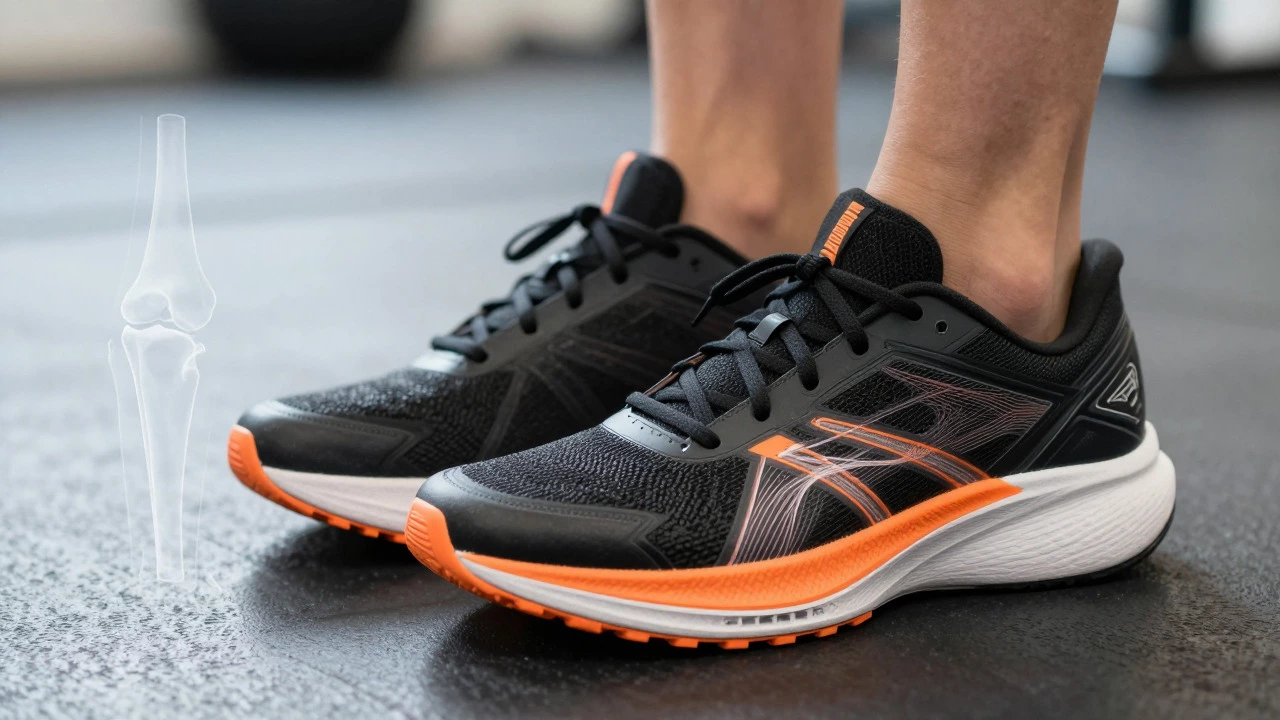
Running Shoes are footwear designed specifically for running, providing cushioning, stability, and traction. For women, this means a wider forefoot area to allow natural toe splay during impact and a heel counter that accommodates a typically narrower heel. Brands like Brooks and ASICS now offer models engineered specifically for female biomechanics, reducing the strain on knees and ankles.
Consider the knee. Women are statistically more prone to ACL injuries due to wider Q-angles (the angle between the hip and knee). Properly fitted footwear and supportive braces can help align the knee correctly during lateral movements. Ignoring this leads to unnecessary wear and tear on ligaments.
| Feature | Men's Standard Design | Women's Specific Design |
|---|---|---|
| Foot Shape | Narrower forefoot, wider heel | Wider forefoot, narrower heel |
| Torso Fit | Straight cut, broader shoulders | Tapered waist, curved bust accommodation |
| Cushioning Density | Higher density for heavier impact | Lighter density for lower body mass |
| Support Zones | Generalized compression | Targeted breast and glute support |
Apparel: Beyond Aesthetics
Clothing isn’t just about looking good; it’s about function. For female athletes, one of the biggest challenges is finding tops that provide adequate support without restricting movement or breathing. High-impact activities like running or HIIT require specialized engineering.
Sports Bras are garments designed to minimize breast movement during physical activity, reducing pain and tissue damage. Look for encapsulation styles rather than simple compression. Encapsulation supports each breast individually, which is crucial for larger cup sizes. Materials should be moisture-wicking to prevent chafing, a common complaint among female runners and cyclists.
Chafing is a silent killer of performance. Thighs rubbing together during long runs or cycling sessions can cause painful skin irritation. Anti-chafe balms and properly fitted shorts with liners are essential tools. Don’t underestimate the power of seamless fabrics in high-friction areas.
Nutrition: Fueling the Female Body
Women have different metabolic needs, especially around iron and calcium. Iron deficiency anemia is surprisingly common among female endurance athletes due to menstrual blood loss and foot-strike hemolysis (red blood cells breaking down from impact).
Sports Nutrition refers to dietary strategies and supplements aimed at enhancing athletic performance and recovery. For women, this often includes higher iron intake through diet or supplementation, alongside adequate calcium and Vitamin D for bone health. Bone stress injuries are a significant risk for female athletes, particularly those in low-energy availability states.
Protein timing matters too. While the total daily protein requirement might be similar to men’s relative to muscle mass, women may benefit from slightly higher per-meal doses to maximize muscle protein synthesis post-workout. Hydration also shifts during different phases of the menstrual cycle, requiring adjustments in electrolyte intake.
Recovery Tools Tailored for Women
Recovery isn’t one-size-fits-all either. Foam rollers and massage guns are great, but pressure points differ. Women often hold tension differently in the hips and lower back due to pelvic structure. Targeted myofascial release in these areas can improve mobility significantly.
Cold water immersion is popular, but some studies suggest it might blunt hypertrophy gains if used immediately after strength training. Heat therapy, on the other hand, can be more effective for relaxing tight muscles in the glutes and hamstrings, which are heavily engaged in most female-dominant sports like running and cycling.
Mental Health and Community
Performance isn’t just physical. Mental resilience is key. Female athletes often face unique pressures, from body image issues to underrepresentation in leadership roles. Building a strong support network and accessing mental health resources tailored to athletes can make a huge difference.
Joining a community of like-minded athletes provides accountability and motivation. Whether it’s a local running club or an online forum, sharing experiences helps normalize challenges and celebrates victories. Mental toughness is built through consistent practice and positive reinforcement.
Training Equipment Considerations
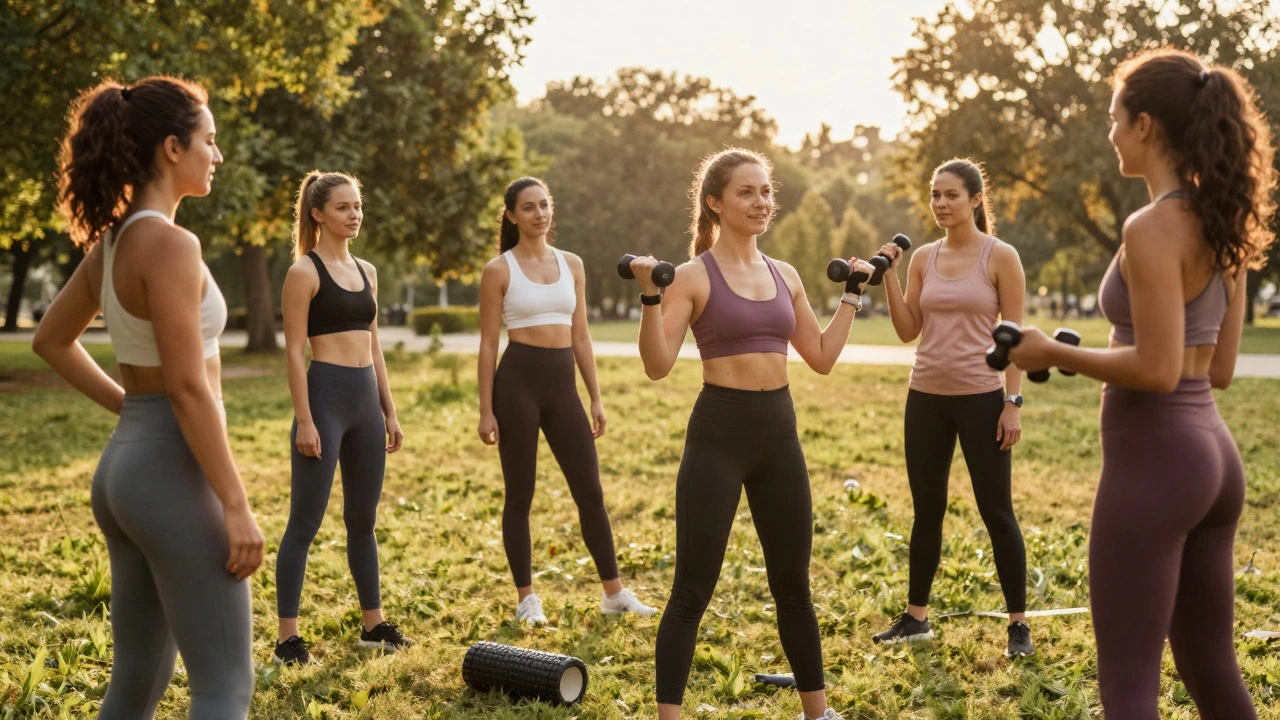
Grip size on dumbbells and barbells matters. Men’s hands are generally larger, so standard grips can cause excessive wrist strain for women. Look for adjustable dumbbells or brands that offer smaller diameter handles. This improves control and reduces fatigue during upper body workouts.
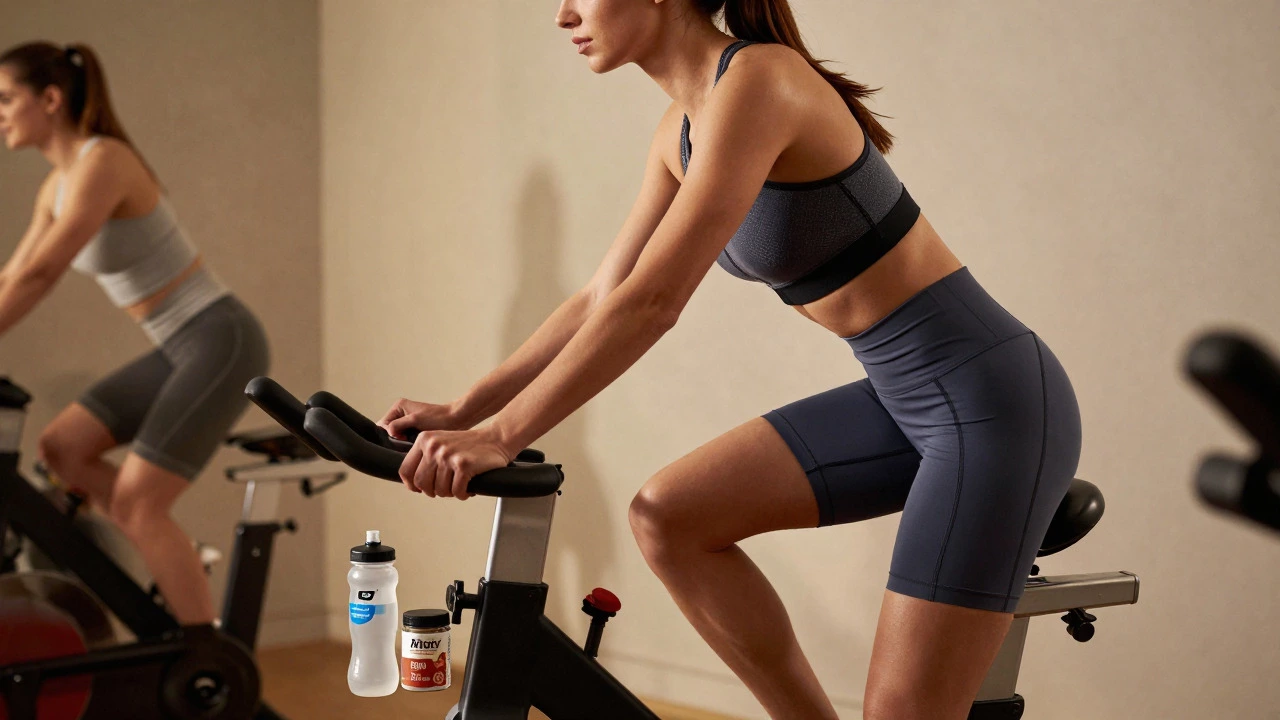
Bike fit is another critical area. Women-specific bikes feature shorter reach frames and narrower handlebars to match typical torso length and shoulder width. A proper bike fit prevents neck and back pain, allowing for longer, more comfortable rides.
Future Trends in Female Athletic Gear
The industry is moving towards data-driven design. Wearable technology is helping researchers understand how women’s bodies respond to exercise across different life stages. This data is being used to create smarter fabrics and more ergonomic designs.
We’re seeing more innovation in adaptive clothing for pregnant athletes and postpartum recovery. Compression garments that support abdominal muscles and pelvic floor health are becoming more sophisticated. The future is inclusive, recognizing that female athletes come in all shapes, sizes, and life stages.
Do female athletes need different shoes than men?
Yes, because women typically have wider forefeet and narrower heels. Shoes designed for women accommodate this shape, providing better stability and reducing injury risk. They also often have lighter cushioning suited to average female body weight.
What is the most important piece of equipment for female runners?
A well-fitted sports bra is crucial. It minimizes breast movement, preventing pain and long-term tissue damage. Combined with proper running shoes, it forms the foundation of a comfortable and safe running experience.
How does nutrition differ for female athletes?
Female athletes often need higher iron and calcium intake due to menstruation and bone health concerns. Protein timing and hydration strategies may also need adjustment based on menstrual cycle phases to optimize performance and recovery.
Why is grip size important for women lifting weights?
Standard gym equipment is often designed for larger male hands. Smaller grip sizes reduce wrist strain and improve control, allowing women to lift safely and effectively without compromising form or causing joint pain.
Are there specific recovery tools for women?
While many tools are universal, women may benefit from targeted myofascial release in the hips and lower back due to pelvic structure. Heat therapy can also be more effective for relaxing specific muscle groups commonly tight in female athletes.