
What Do You Yell Before Hitting a Golf Ball? The Real Reason Behind the Shout
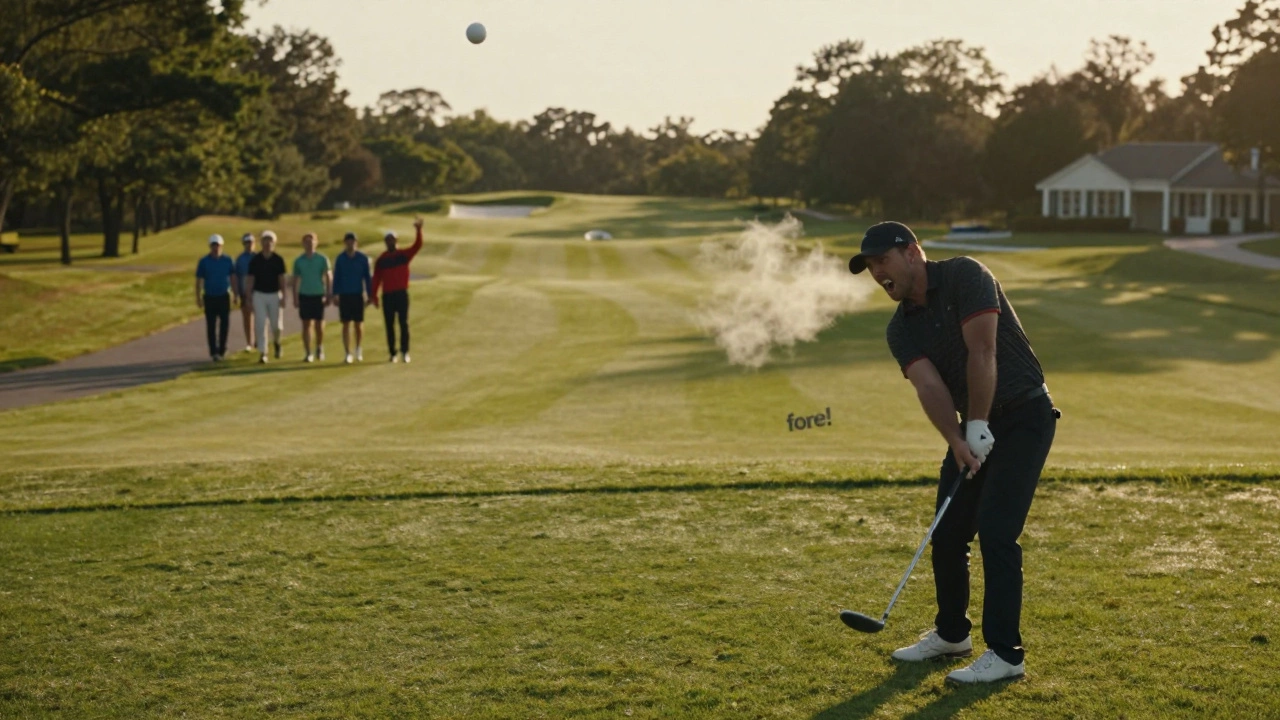
Golf Fore Safety Drill
What to Do When You Hear "Fore"
When you hear "fore," you have only 1.5 seconds to react. Your goal is to:
- Stop moving immediately
- Drop to your knees or crouch low
- Cover your head and neck
- Stay still until "all clear" is announced
Ball trajectory: 300 yards
You're in the path
You hear "fore!" What do you do?
Result:
Ever been on a golf course and heard a loud fore ring out across the fairway? It’s not a cheer. It’s not a warning call from a distant fan. It’s the one thing every golfer learns early - and the one thing you better get right before you swing.
It’s Not Just a Shout - It’s a Lifesaver
You don’t yell fore because it sounds cool. You yell it because someone might be standing in the path of your ball. A wayward drive can travel over 250 yards at speeds over 160 mph. At that speed, a golf ball can break bones, crack skulls, or blind someone if it hits them in the eye. That’s not exaggeration - the U.S. Golf Association has documented over 1,200 golf-related eye injuries since 2000, many from errant shots.
Yelling fore is the universal signal on a golf course that says: “Danger! Ball coming!” It’s not optional. It’s not a suggestion. It’s mandatory etiquette. If you hit a shot that veers off the fairway - even if you think it’s going to miss everyone - yell fore anyway. Better safe than sorry.
Where Did “Fore” Even Come From?
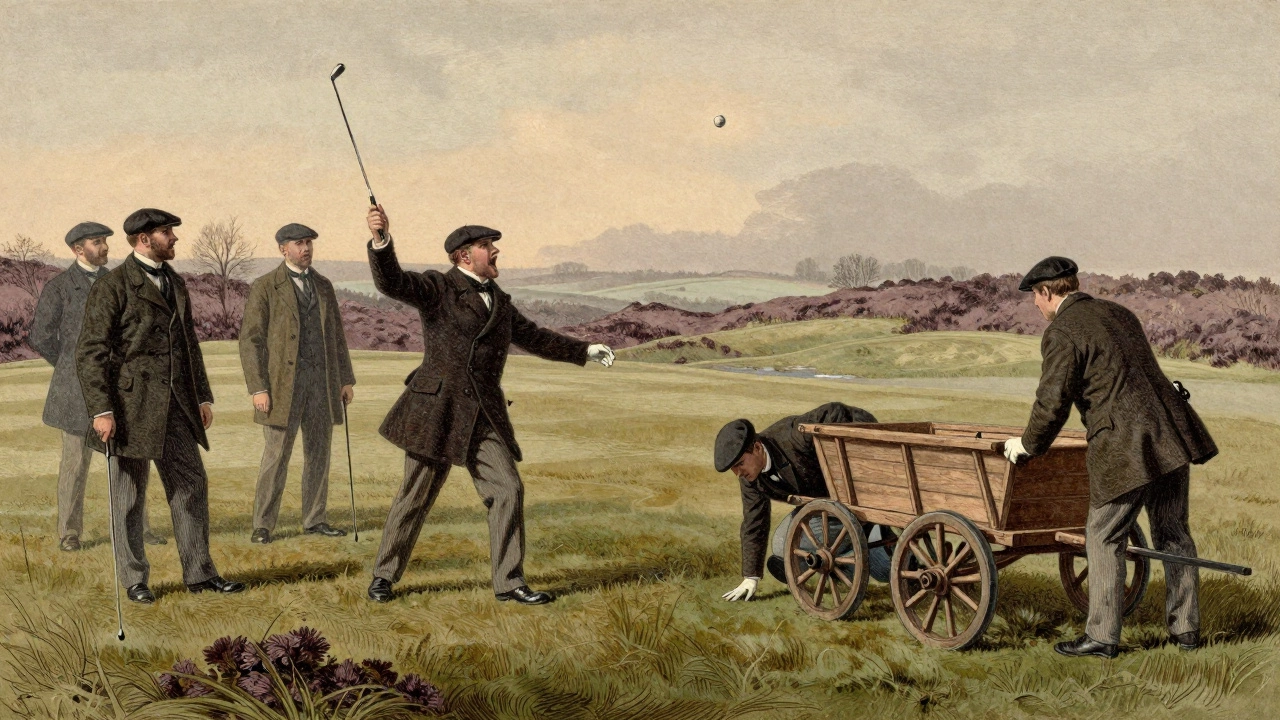
The word fore isn’t random. It comes from old Scottish golfing roots in the 18th century. Back then, golfers played on links land near military ranges. Caddies and groundkeepers - called forecaddies - would walk ahead of the players to spot where balls landed. When a ball was heading their way, the players would shout “fore-caddie!” to warn them.
Over time, the phrase got shortened. By the 1800s, golfers were just yelling “fore!” The word stuck because it was clear, loud, and easy to understand across language barriers. Today, it’s used on every course from St. Andrews to Pebble Beach.
When Exactly Should You Yell?
Timing matters. Yell too late, and the warning won’t help. Yell too early, and people might ignore it. Here’s the right moment:
- Right after you make contact with the ball - not before, not while you’re still swinging.
- If your ball is heading toward a fairway, green, or path where people are standing or walking.
- If you’re on a tee box and your shot is likely to go sideways - even if you think it’s a slice or hook.
- If you’re playing in a group and someone else hits a bad shot - yell fore for them too. It’s part of being a good partner.
Don’t wait to see if it’s going to hit someone. If you’re unsure, yell. If you hear someone yell fore, stop moving. Drop your club. Cover your head. Don’t look up. Just get low and stay still until you hear it’s safe.
What If You Don’t Yell?
Skipping the yell isn’t just rude - it’s dangerous. On private courses, you might get banned. On public courses, you could be reported to the golf association. But more importantly, you’re putting lives at risk.
In 2019, a man in Florida was hit in the head by a golf ball while walking on a path. He suffered a skull fracture. The golfer who hit the ball didn’t yell fore. He claimed he didn’t see anyone. The court ruled against him. He paid over $300,000 in medical bills and legal fees.
There’s no excuse. Golf courses have signs everywhere: “Yield to Players Ahead.” They have marshals. They have warning flags. But none of that matters if the person swinging doesn’t speak up.
Other Things You Should Never Yell
Some people think yelling “watch out!” or “ball!” is fine. It’s not. Those words are too vague. People might think you’re yelling about a bird, a dog, or a dropped club.
And never yell “nice shot!” or “hole in one!” right after you hit a bad drive. That’s not just confusing - it’s cruel. You’re making people think everything’s fine when it’s not.
Stick to fore. It’s the only word that means danger on a golf course. It’s the only word everyone understands. No matter where you play - Scotland, Japan, Texas, or here in Bristol - fore is the universal alarm.
What to Do When You Hear “Fore”
Here’s what actually happens when someone yells fore:
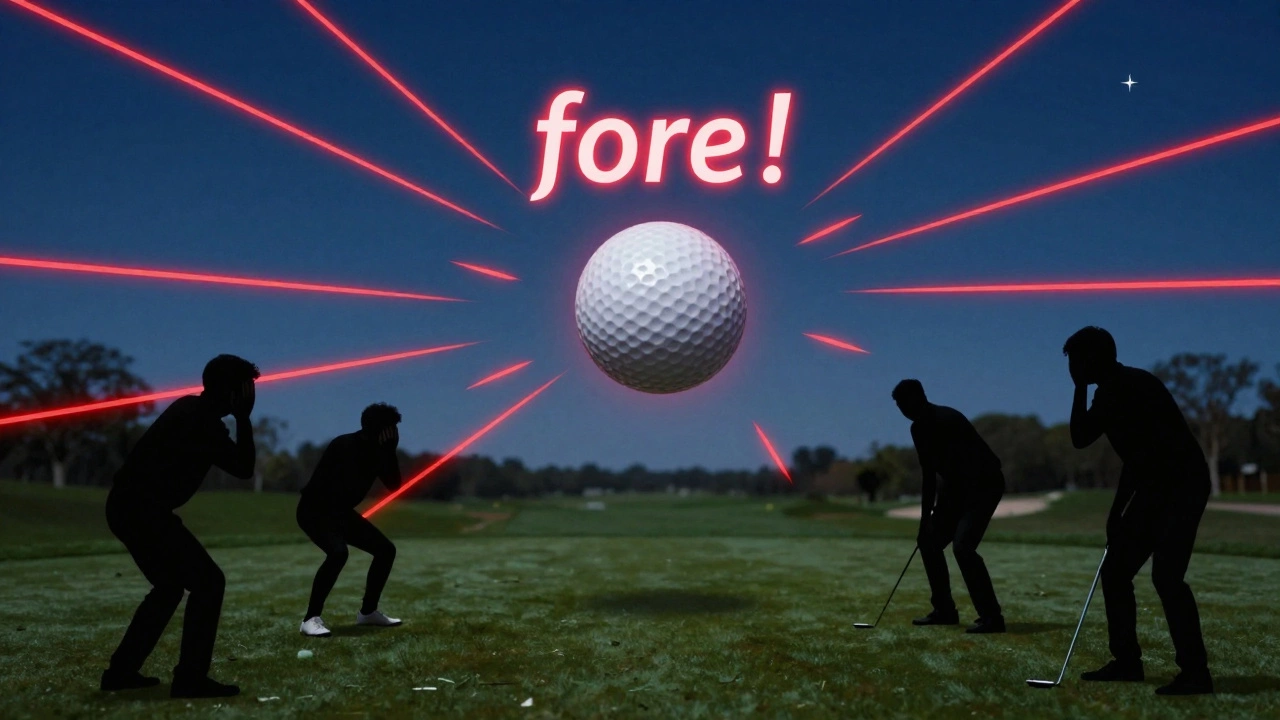
- Stop moving immediately. Don’t turn around. Don’t look up.
- Drop to your knees or crouch low. Use your golf bag or club as a shield if you can.
- Cover the back of your head and neck with your hands.
- Stay down until you hear a second voice say “All clear” or you hear the ball hit the ground.
Most golfers who get hit are hit because they kept walking or turned to look. The ball travels faster than your reaction time. Your only defense is to get small and stay still.
It’s Not Just About Rules - It’s About Respect
Golf is a game of silence, patience, and precision. But it’s also a game of shared space. You’re not just playing against the course. You’re playing alongside other people - friends, strangers, kids, seniors - all of them vulnerable to a single mis-hit.
Yelling fore isn’t about being loud. It’s about being responsible. It’s about saying, I see you. I care if you get hurt.
That’s why the best golfers aren’t the ones with the lowest scores. They’re the ones who yell fore every single time - even on practice swings. Even when they’re alone on the range. Even when they think no one’s around.
Because someone always is.
What About Kids and Beginners?
If you’re teaching someone to play - especially a child - don’t wait until they hit a bad shot to explain fore. Teach it before they ever pick up a club.
Make it part of your pre-swing routine: “Check your target. Check your surroundings. Then yell fore before you swing.” Turn it into a habit, not a rule.
Many junior golf programs now require students to yell fore during every practice round - even if they’re just chipping from 30 yards. That’s not overkill. That’s smart.
Final Thought: Silence Is Not Safety
There’s no such thing as a “safe” shot that doesn’t get yelled about. Even the most accurate players mis-hit. Even the pros. Tiger Woods once yelled fore after a hook that nearly took out a cameraman. He didn’t wait to see if it was going to hit. He yelled because he knew the risk.
If you play golf, you owe it to everyone else on the course to speak up. One word - fore - can prevent a lifetime of regret.
So next time you’re about to swing - don’t just think about your shot. Think about the person ahead of you. Then yell it loud. Clear. Before you hit.
Why do golfers yell “fore” instead of something else?
Golfers yell “fore” because it’s a short, loud, and universally understood warning that dates back to 18th-century Scotland. It originally came from “fore-caddie,” a person who walked ahead to spot balls. Over time, it was shortened to “fore.” No other word carries the same clear meaning on a golf course. Words like “watch out” or “ball!” are too vague and can be confused with other sounds.
Do you have to yell “fore” even if you think the ball won’t hit anyone?
Yes. If your ball is heading off the intended path - even slightly - you yell “fore.” Golf balls can curve unpredictably due to wind, slope, or swing flaws. What looks like a safe shot can suddenly go sideways. Waiting to see if it hits someone is too risky. The rule is: if you’re unsure, yell. Better to be loud than sorry.
What should you do when you hear “fore” on the course?
Stop moving. Drop to your knees or crouch low. Cover the back of your head and neck with your hands. Do not look up. Golf balls travel faster than your reaction time. The only safe move is to get small and stay still until someone says “all clear” or you hear the ball hit the ground.
Is yelling “fore” required by the rules of golf?
Yes. According to the Rules of Golf published by the USGA and The R&A, players are required to warn others of potential danger from a wayward shot. While the rules don’t specify the word “fore,” yelling a warning is mandatory. Failure to do so can result in penalties, ejection from a course, or legal liability if someone is injured.
Can you get in trouble for not yelling “fore”?
Absolutely. Golf clubs and associations treat failure to yell “fore” as a serious breach of etiquette - and sometimes as negligence. In court cases, golfers who didn’t yell have been held financially responsible for injuries. On the course, you can be asked to leave, banned from the club, or reported to your golf association. Safety isn’t optional.