
What is a Boxing Match? Rules, Rounds, and How It Works

Boxing Match Scorecard Simulator
Red Corner
Blue Corner
Scorecard History
| Round | Winner | Red Score | Blue Score | Cumulative Red | Cumulative Blue |
|---|
You’ve seen the gloves come off. You’ve heard the bell ring. But what exactly makes a bout a boxing match? Is it just two people hitting each other in a circle? Not quite. A boxing match is a highly regulated combat sport governed by strict rules, specific timing, and a unique scoring system designed to protect fighters while determining a clear winner. Whether you are watching on TV or standing ringside, understanding the mechanics behind the chaos helps you appreciate why some fights go the distance while others end in seconds.
The Anatomy of a Professional Fight
A professional boxing match isn’t random violence; it’s a structured athletic contest. At its core, a bout consists of two competitors, known as boxers, who fight inside a square platform called the ring. The ring is surrounded by ropes that keep the fighters contained but allow them to lean against for defense or recovery. Inside this space, the action is broken down into timed intervals called rounds.
In most professional bouts, especially those featuring top-tier talent, a championship fight lasts up to twelve three-minute rounds. Between each round, fighters have one minute to rest, receive medical attention, and hear instructions from their corner team. Non-title fights often consist of six, eight, or ten rounds, depending on the sanctioning body and the experience level of the participants. This structure ensures that the physical exertion is manageable and allows for strategic pacing rather than a single burst of energy.
| Fight Type | Number of Rounds | Round Duration | Rest Period |
|---|---|---|---|
| Championship Bout | 12 | 3 minutes | 1 minute |
| Non-Title Pro Fight | 6-10 | 3 minutes | 1 minute |
| Amateur/Olympic | 3 | 3 minutes (Men), 2 minutes (Women) | 1 minute |
How Winners Are Decided: The Three Ways to Win
Winning a boxing match doesn’t always mean knocking your opponent unconscious. In fact, most professional fights are decided by judges’ scorecards. There are three primary ways a boxer can claim victory: by decision, by knockout, or by disqualification.
Decision Wins: If both fighters stand until the final bell rings, the result goes to the judges. Each judge scores every round based on clean punching, effective aggression, ring generalship, and defense. The most common system is the 10-point must system, where the winner of a round gets 10 points and the loser gets 9 (or fewer if they were knocked down). After all rounds, the scores are tallied. A unanimous decision means all judges agreed on the winner; a split decision means the judges were divided; and a majority decision means two judges picked one fighter while the third scored it a draw.
Knockout (KO): This happens when a fighter is hit and falls to the canvas, unable to rise before the referee counts to ten. It’s the most dramatic way to win, but it requires precise power and timing. A technical knockout (TKO) occurs when a fighter is still standing but is taking too much damage, cannot defend themselves intelligently, or fails to beat the count after a knockdown that didn’t last ten seconds. The referee, the doctor, or the fighter’s corner can stop the fight to prevent serious injury.
Disqualification (DQ): If a boxer repeatedly breaks the rules-such as hitting below the belt, holding excessively, or using illegal punches like headbutts-the referee can disqualify them, handing the win to the opponent. This is rare but serves as a critical safety mechanism.
The Role of Officials and Safety Protocols
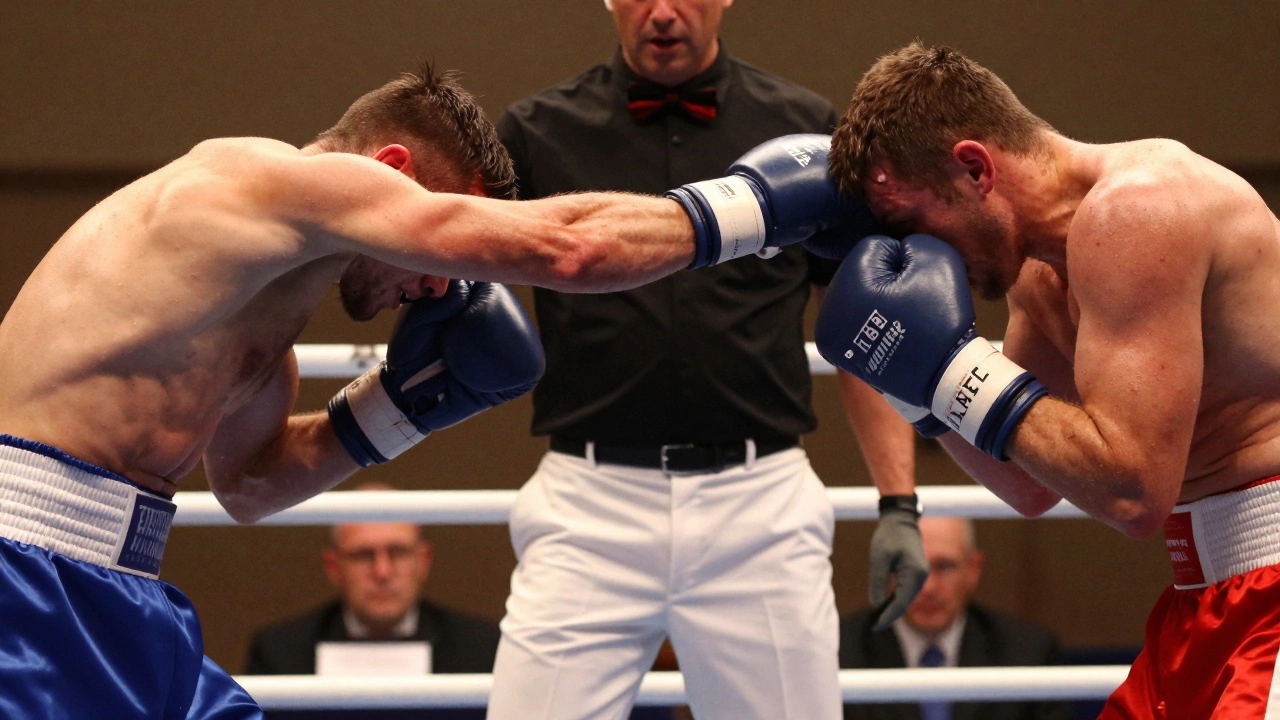
A boxing match relies heavily on officials to maintain fairness and safety. The referee is the most visible official, stationed inside the ring to enforce rules, break clinches, and ensure fighters are safe. They have the authority to deduct points for fouls or stop the fight entirely if one boxer is overwhelmed.
Outside the ring, judges sit at tables around the perimeter, observing the action from different angles to minimize bias. Their job is purely observational; they do not interact with the fighters during the bout. Additionally, a timekeeper operates the clock and the bell, ensuring rounds start and end precisely. In many jurisdictions, a ringside physician is also present to assess fighters between rounds and intervene if necessary. These roles create a layered safety net that distinguishes sanctioned boxing from unregulated street fighting.
Amateur vs. Professional: Key Differences
If you’re confused about why Olympic boxing looks different from what you see on pay-per-view, it’s because amateur and professional boxing operate under distinct rule sets. Amateur boxing, such as that seen in the Olympics, prioritizes safety and point-scoring over damage. Fighters wear headgear and softer gloves, and matches consist of only three rounds. Points are awarded for landing clean punches, regardless of impact. The goal is to outscore your opponent, not necessarily to hurt them.
Professional boxing, on the other hand, emphasizes power, endurance, and strategy. No headgear is worn, gloves are heavier but padded differently, and fights can last up to twelve grueling rounds. The objective shifts from accumulating points to controlling the fight and inflicting enough damage to force a stoppage or secure a dominant scorecard. This difference explains why some amateur stars struggle to transition to the pro ranks-they must adapt to a game where survival matters as much as offense.
Common Fouls and Illegal Moves
To keep the sport fair and safe, boxing has a strict list of prohibited actions. Hitting below the belt is one of the most common fouls, often resulting in an accidental warning followed by point deductions if repeated. Holding or grappling for more than a few seconds is illegal because it prevents striking and turns the fight into wrestling. Other fouls include hitting with the elbow, forearm, or open glove, pushing an opponent away to avoid contact, and striking the back of the head or neck.
Referees monitor these infractions closely. Minor violations might result in a verbal warning, but persistent foul play leads to point deductions. If a fighter loses two points, they are essentially starting the next round at a disadvantage, which can sway the final decision. Understanding these rules helps viewers recognize when a referee steps in-not just to separate fighters, but to penalize bad behavior.
The Corner Team: Strategy Behind the Scenes
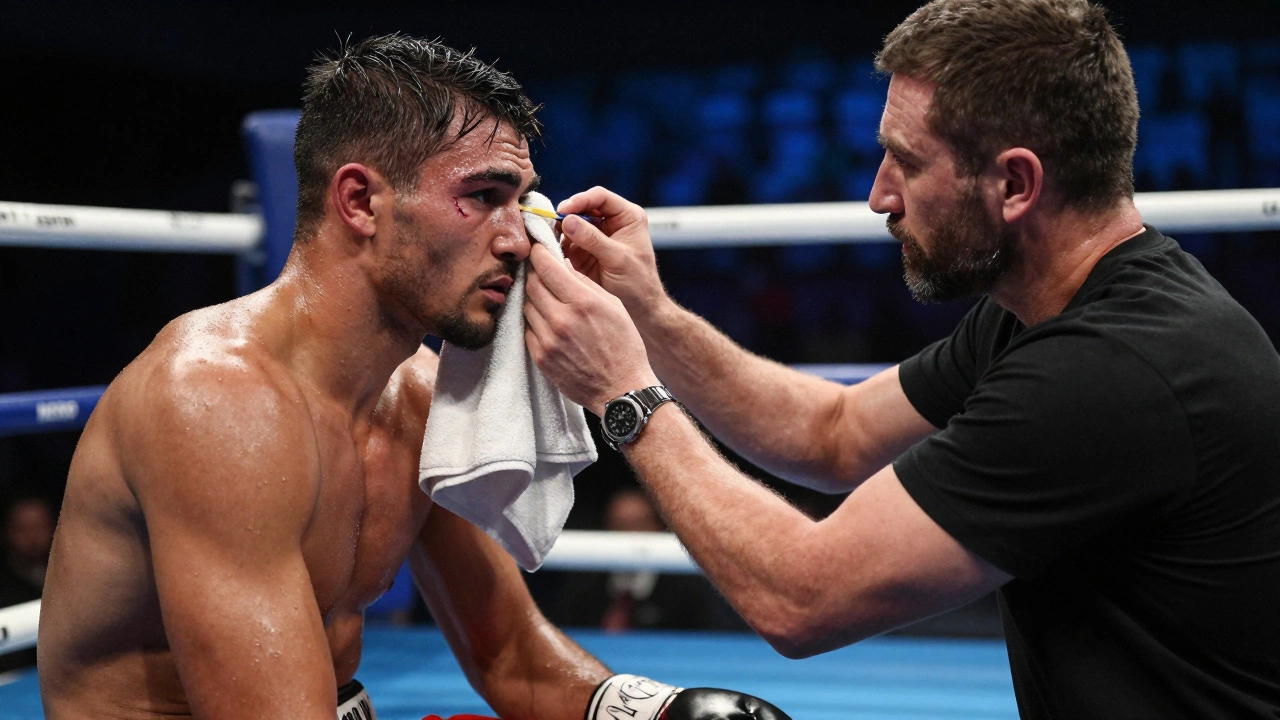
A boxer never fights alone. During the one-minute rest periods, the corner team plays a vital role. This team typically includes a trainer, a cutman, and sometimes a second assistant. The trainer provides tactical advice, reminding the fighter to adjust their stance, target specific areas, or conserve energy. The cutman specializes in treating facial cuts and swelling, using tools like enswell and petroleum jelly to minimize bleeding and prevent the doctor from stopping the fight due to excessive damage.
This dynamic adds a strategic layer to the match. A smart corner can turn the tide of a fight by identifying patterns in the opponent’s behavior and exploiting weaknesses. For example, if a fighter is tiring in later rounds, the corner might instruct them to slow down and focus on defensive counter-punching. Without this support, even the most talented boxer would struggle to manage the physical and mental demands of a long bout.
How many rounds are in a standard boxing match?
A standard professional championship boxing match consists of 12 rounds, each lasting 3 minutes with 1 minute of rest in between. Non-title professional fights usually range from 4 to 10 rounds, while amateur and Olympic bouts typically last only 3 rounds.
What is the difference between a KO and a TKO?
A Knockout (KO) occurs when a fighter is knocked down and cannot rise before the referee counts to ten. A Technical Knockout (TKO) happens when the referee, doctor, or corner stops the fight because a fighter is unable to defend themselves effectively, even if they haven’t been knocked down for a full ten-count.
How do judges score a boxing match?
Judges use the 10-point must system. The winner of each round receives 10 points, while the loser gets 9 or fewer if they were knocked down. Judges evaluate clean punching, effective aggression, ring generalship, and defense to determine the round winner. The total scores after all rounds decide the match outcome.
Can a boxer be disqualified?
Yes, a boxer can be disqualified (DQ) for repeated fouls such as hitting below the belt, headbutting, or holding excessively. The referee may issue warnings first, but persistent violations lead to point deductions and potentially disqualification, awarding the win to the opponent.
Why do amateur boxers wear headgear?
Amateur boxers wear headgear to reduce the risk of cuts and minor head injuries, as amateur boxing focuses on point-scoring rather than causing damage. Professional boxers do not wear headgear because the sport emphasizes power and endurance, and headgear can interfere with vision and movement at higher levels.