
What Is a Friendly Fight Called? Boxing Terms Explained

Combat Sports Terminology Quiz
Think you know the difference between a friendly spar and a professional bout? Take this quick quiz to master the lingo of the ring.
Loading question...
Quiz Complete!
You scored 0 out of 5.
Keep studying those terms!
You step into the ring. The lights are bright, the crowd is buzzing, and your opponent is staring you down. But wait-this isn't for the heavyweight title. It’s not even for a belt. It’s just two people testing their skills, having fun, and maybe learning a thing or two. So, what is this kind of bout actually called?
If you’ve ever watched amateur boxing, MMA, or even just played around in a gym, you’ve probably heard terms thrown around like "sparring," "exhibition," or "scrub." But they aren’t all the same thing. Using the wrong term can make you look like an outsider to the sport. Let’s clear up the confusion and give you the right vocabulary for those low-stakes brawls.
The Short Answer: It Depends on the Context
There isn’t one single word for a friendly fight because "friendly" means different things in different circles. In boxing, a non-competitive session is usually called sparring. If it’s a formal but unscored event, it’s an exhibition match. In casual street contexts or mixed martial arts, people might call it a "roll" or a "drill."
Here is the quick breakdown of what you’re likely looking for:
- Sparring: Practice fighting with controlled intensity. This is training, not competition.
- Exhibition Match: A scheduled fight that doesn’t count toward official records. Often used for charity or star power.
- Scrimmage: Common in team sports, but sometimes used in multi-person combat drills.
- Roll: Specific to grappling (BJJ/MMA), where partners flow through positions without trying to knock each other out.
Sparring: The Heart of Combat Training
When boxers talk about fighting without fighting, they mean sparring. This is the backbone of any fighter's preparation. Unlike a real match, sparring has no winner. There are no judges, no rounds counted by officials, and no belts on the line.
The goal here is technical application. You’re testing if your jab works against someone who is actively trying to dodge it. You’re learning how to manage distance when someone is punching back. Coaches often control the intensity. You might have "light technical sparring," where you focus purely on movement and precision, or "hard sparring," which simulates the pressure of a real fight but still keeps safety as a priority.
| Feature | Sparring | Exhibition Match |
|---|---|---|
| Purpose | Training and skill development | Entertainment, charity, or promotion |
| Intensity | Variable (50% to 90%) | High (often near full contact) |
| Records | Not recorded officially | Not recorded in professional stats |
| Audience | Gym members, coaches | Public spectators, TV viewers |

Exhibition Matches: When Fighting Becomes Show Business
Sometimes, two fighters want to compete in front of an audience without risking their professional records. Enter the exhibition match. These bouts are sanctioned by athletic commissions but do not affect win-loss-draw statistics.
Why do fighters do this? Money and hype. Think of Mike Tyson versus Roy Jones Jr. in 2020. They were both past their prime, but the world wanted to see them in the ring again. An exhibition allowed them to get paid, entertain fans, and avoid a loss on their record if things went south. For amateurs, exhibitions can be a way to gain experience against tougher opponents without the pressure of a tournament bracket.
Key rules often differ in exhibitions. Headgear might be optional, round lengths might be shorter, or scoring might be waived entirely. Always check the specific commission rules if you’re planning to watch or participate.
Beyond Boxing: Grappling and MMA Terminology
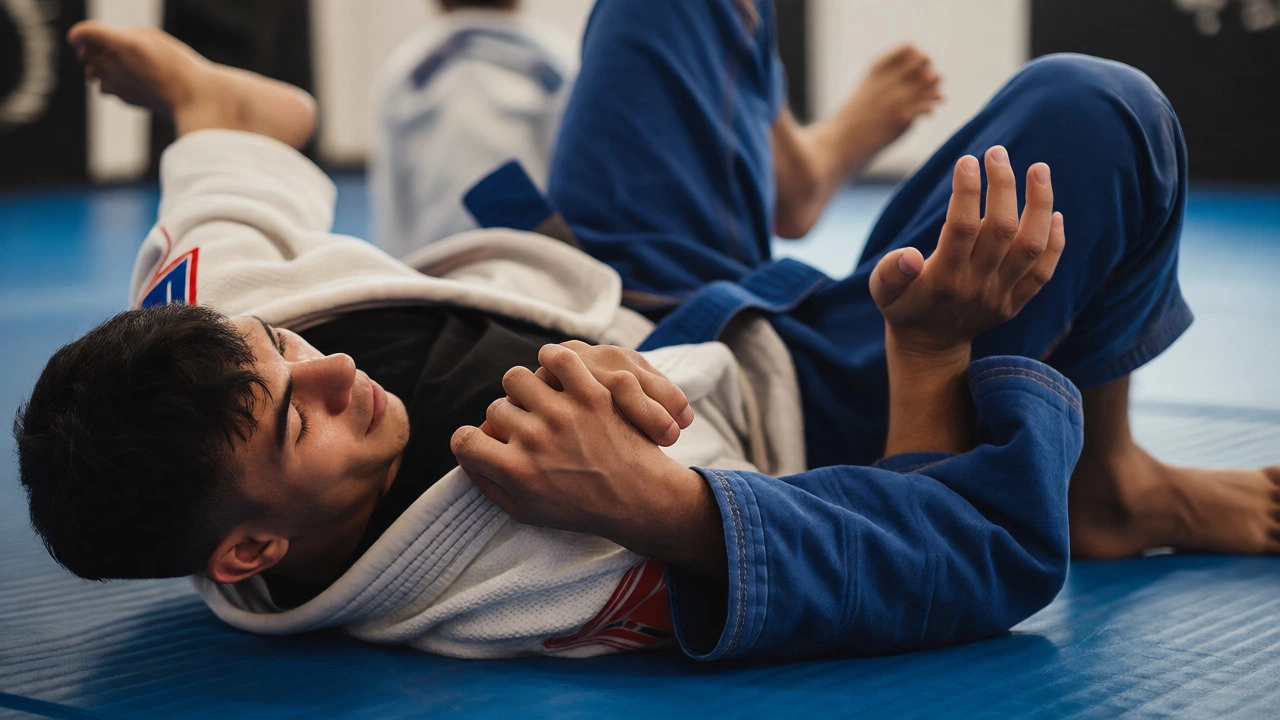
If you drift away from striking and into Mixed Martial Arts or Brazilian Jiu-Jitsu, the language changes. You won’t hear "sparring" as much for ground work. Instead, practitioners say they are "rolling."
Rolling implies a continuous, flowing engagement. You start in a neutral position and try to submit your partner or improve your position. Like sparring, it’s cooperative. If one person goes 100% hard every time, the training partner will quit. It’s a mutual agreement to learn together. Another term you’ll hear is "drilling," which is repetitive practice of a specific move, like practicing a rear-naked choke ten times in a row without resistance.
Why Does the Name Matter?
Using the correct term signals respect for the culture of the sport. If you walk into a boxing gym and ask to have a "friendly fight," a coach might laugh. They don’t do fights; they do sessions. If you ask to "spar," they know exactly what gear to hand you.
It also sets expectations for safety. A "fight" implies aggression and winning. A "session" or "roll" implies cooperation and learning. Mislabeling can lead to injuries. If you think you’re going to spar lightly but your partner thinks you’re going to compete for dominance, heads will hurt.
How to Prepare for Your First Friendly Bout
Whether you’re calling it sparring or rolling, preparation is key. Here is a checklist to ensure you survive your first friendly encounter:
- Gear Up: Never spar without headgear, mouthguards, and appropriate gloves. 16oz gloves are standard for boxing sparring to reduce impact force.
- Warm Up Properly: Cold muscles tear easily. Spend at least 15 minutes jumping rope and shadow boxing.
- Communicate: Tell your partner your goals. Are you working on defense? Footwork? Be honest so they can adjust their pace.
- Control Your Ego: This is the hardest part. You will get hit. Do not retaliate harder than necessary. The goal is longevity in the sport, not proving you’re tough today.
Is sparring considered a real fight?
No. Sparring is a training exercise designed to simulate fight conditions. While physical contact occurs, the intent is skill development rather than competition or victory. Official records do not track sparring results.
Can I lose a sparring session?
Technically, no, because there are no judges. However, experienced fighters often have an informal sense of who dominated the exchange. You might feel you were "outboxed," but it doesn’t go on your record. Use that feedback to improve.
What is the difference between sparring and drilling?
Drilling involves practicing specific techniques repeatedly with little to no resistance. Sparring involves dynamic, live resistance where both partners attempt to apply techniques while defending against the other. Drilling builds muscle memory; sparring tests it under pressure.
Are exhibition matches dangerous?
They carry similar risks to professional fights because athletes often train seriously for them. However, rules may vary. Some exhibitions prohibit knockouts or limit the number of rounds to protect older or less active participants.
Do I need to wear headgear when sparring?
In most amateur and recreational gyms, yes. Professional boxers often spar without headgear to prepare for pro rules, but for beginners and intermediates, headgear is essential to prevent cuts and reduce concussion risk during accidental clashes.