
What Is Equipment in Games? A Clear Guide to Sports Gear and Why It Matters
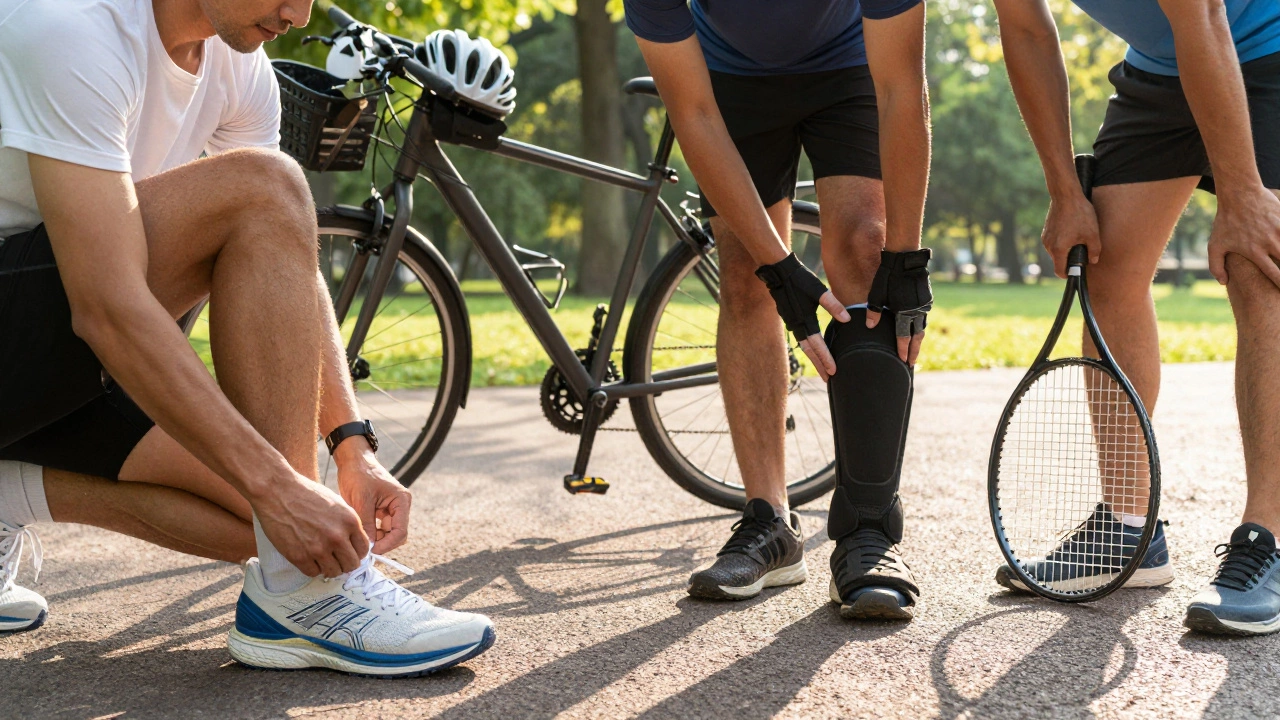
Sports Equipment Safety Checker
Check Your Sports Equipment Safety
Verify if your gear meets safety standards and fits properly for your sport
When you think about playing a sport, you probably picture the action - the sprint, the swing, the tackle. But none of that happens without the right sports equipment. It’s not just about looking the part. The gear you use affects how well you perform, how safe you are, and even how much you enjoy the game.
What Exactly Counts as Sports Equipment?
Sports equipment is anything you need to play a game safely and effectively. It’s not just the big, obvious stuff like a football or a tennis racket. It includes everything from the socks you wear to the helmet that protects your head. Think of it as your toolkit for the game.
In basketball, your equipment includes shoes with grip, a ball, and maybe wristbands or knee pads. In cycling, it’s the bike, helmet, gloves, and padded shorts. Even in golf, where it looks calm, you need clubs, balls, tees, gloves, and proper shoes to avoid slipping on wet grass.
Some equipment is mandatory. In rugby, you need a mouthguard and a properly fitted scrum cap. In boxing, gloves and headgear are required in training - and sometimes in matches. Skip the gear, and you’re not just risking injury - you’re probably breaking the rules.
Why Does Equipment Make Such a Difference?
Good equipment doesn’t just protect you - it helps you play better. A pair of running shoes designed for your foot type can cut your risk of shin splints by up to 30%. A well-balanced cricket bat lets you swing with more control and less strain on your wrists. Even something as small as moisture-wicking socks can stop blisters and keep you focused on the game.
It’s not magic. It’s physics and design. Sports equipment is built using data from athletes, biomechanics studies, and real-world testing. For example, modern tennis rackets use carbon fiber and vibration-dampening tech to let players hit harder with less shock to the arm. That’s why a beginner with decent gear can outperform someone using outdated or ill-fitting equipment.
Common Types of Sports Equipment by Sport
Not all gear is the same. What works for one sport can be useless - or dangerous - in another. Here’s a quick look at key equipment across popular sports:
- Football (soccer): Cleats, shin guards, ball, goalkeeper gloves
- Tennis: Racket, balls, court shoes, sweatbands, overgrip
- Running: Running shoes, moisture-wicking shorts/top, hydration belt, GPS watch
- Cycling: Bike, helmet, padded shorts, gloves, cycling shoes, lights
- Rugby: Mouthguard, scrum cap, boots, shoulder pads, ball
- Baseball/Softball: Bat, glove, helmet, cleats, catcher’s gear
- Swimming: Suit, goggles, cap, kickboard, pull buoy
Each item serves a specific purpose. Shin guards don’t just look tough - they absorb impact from kicks. A swimming cap isn’t just for style - it reduces drag and keeps hair out of your face. Ignoring these details means you’re not playing at your best.
What Happens When You Use Bad or Wrong Equipment?
Using the wrong gear isn’t just awkward - it’s risky. I’ve seen too many people show up to a 5K in regular trainers. By mile two, they’re limping. Or someone playing pickleball in flip-flops. That’s not just a bad idea - it’s an injury waiting to happen.
Here are common problems from poor equipment:
- Shin splints from shoes with no arch support
- Blistered feet from cotton socks that hold moisture
- Shoulder injuries from a tennis racket with the wrong grip size
- Concussions from skipping a helmet in contact sports
- Reduced performance because gear is too heavy, too loose, or too stiff
It’s not about spending a fortune. It’s about matching the gear to your body and the sport. A $200 running shoe won’t help if your foot needs stability, not cushioning. A cheap helmet might look fine, but if it doesn’t meet safety standards, it’s just plastic.
How to Choose the Right Equipment
Buying gear can feel overwhelming. Here’s how to cut through the noise:
- Know the rules. Check your league or club’s requirements. Some sports have strict gear standards.
- Fit first. Shoes should have a thumb’s width of space at the toe. Gloves shouldn’t pinch. Helmets must sit level and not move when you shake your head.
- Match the sport. Don’t use basketball shoes for hiking. Don’t use hiking boots for swimming. Each sport has unique demands.
- Test before you buy. If possible, try the gear in motion. Many stores let you run in shoes or swing a racket.
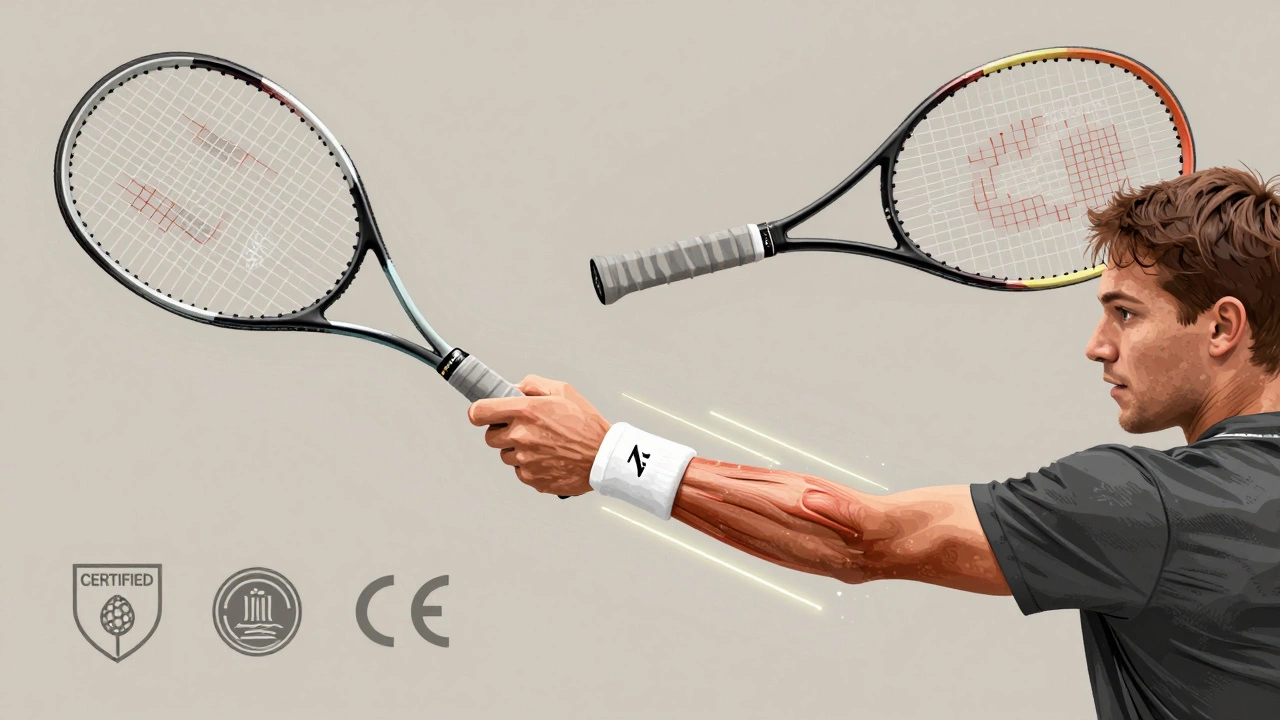
- Look for certifications. For safety gear, check for marks like CE, ASTM, or NOCSAE. These mean it passed real safety tests.
Don’t fall for marketing buzzwords like "pro-grade" or "elite." Focus on function. Ask yourself: Does this help me move better? Does it protect me? Does it last?
When to Replace Your Equipment
Sports gear doesn’t last forever. Even if it looks fine, it might not work right anymore.
- Running shoes: Replace every 300-500 miles. The cushioning breaks down long before the sole wears out.
- Tennis rackets: Strings lose tension after 20-40 hours of play. Re-stringing is cheaper than buying new.
- Helmets: Replace after any hard impact - even if there’s no visible damage. The internal foam can compress.
- Protective pads: If the padding feels flat or the straps won’t stay tight, it’s time.
- Swimsuits: Chlorine and sun break down fabric. Replace if it’s see-through or stretched out.
Keeping gear in good shape saves money in the long run. A pair of shoes that lasts 6 months is cheaper than one that fails after 3.
The Bigger Picture: Equipment and Access
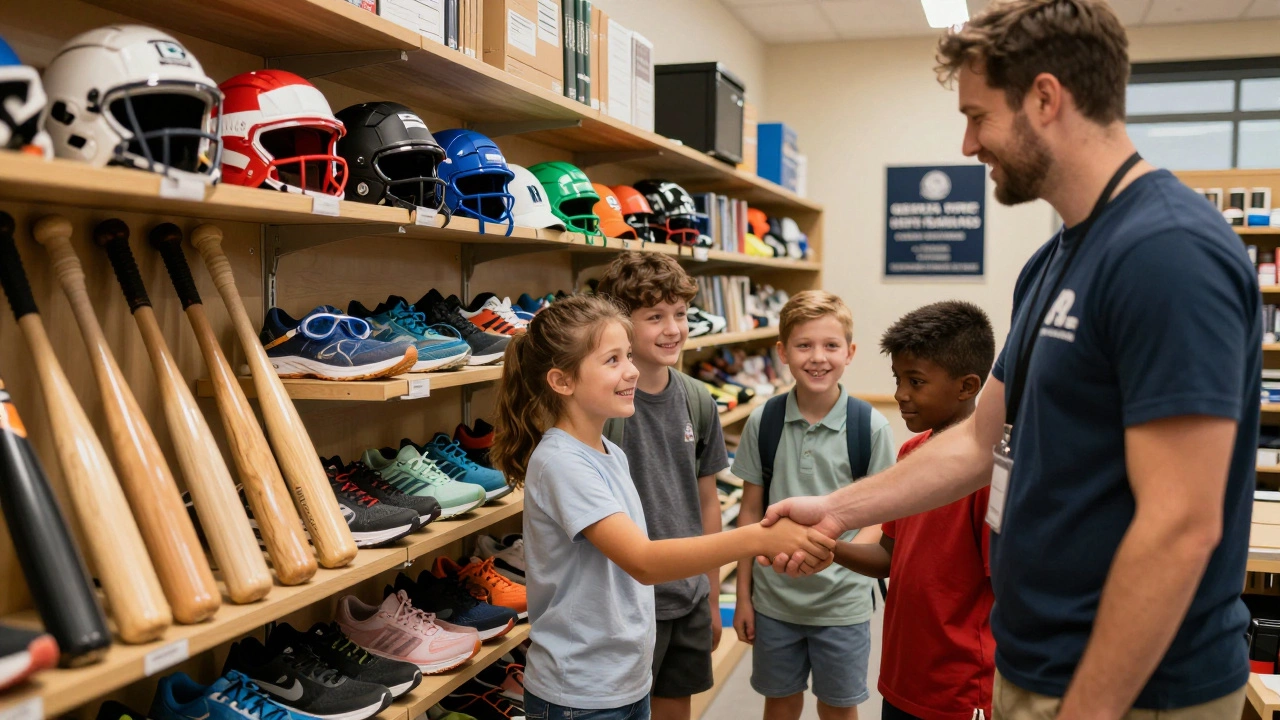
Not everyone can afford top-tier gear. But access to basic equipment shouldn’t be a barrier to playing. Community programs, school loans, and secondhand gear swaps make a real difference. In Bristol, local clubs run gear libraries where kids can borrow bats, balls, and shin guards for free.
Good equipment isn’t about luxury. It’s about fairness. Everyone deserves a chance to play safely and well - no matter their budget.
Final Thought: Gear Is Part of the Game
Sports equipment isn’t just stuff you carry. It’s an extension of your body. The right gear lets you push harder, move faster, and play longer. It turns effort into performance.
Next time you step onto the field, court, or track - check your gear. Not because you have to. But because you deserve to play your best.
What is the most important piece of sports equipment?
There’s no single "most important" piece - it depends on the sport. But safety gear like helmets, mouthguards, and shin guards is always critical. Without protection, even the best technique won’t save you from injury. For running, shoes are essential. For tennis, the racket and grip matter most. Always prioritize gear that keeps you safe and lets you move properly.
Can I use regular clothes instead of sports equipment?
Sometimes, yes - for casual play. But for anything beyond a backyard game, regular clothes can hurt performance and safety. Cotton shirts hold sweat and cause chafing. Regular shoes lack grip or support. Sports gear is designed with science in mind: moisture-wicking fabric, impact absorption, joint support. Using the right gear isn’t optional if you want to play well and stay injury-free.
Do I need to buy expensive equipment to play well?
No. You don’t need the priciest gear to play well. Many athletes use mid-range or secondhand equipment and perform at a high level. What matters is fit, function, and safety. A $50 running shoe that fits your foot better than a $150 one will help you more. Look for certified gear, not brand names. Many clubs offer gear loans or discounts - use them.
How do I know if my equipment meets safety standards?
Look for certification labels. For helmets, check for ASTM, CE, or NOCSAE marks. For protective padding, look for EN or BS standards. In the UK, many sports have governing bodies (like the RFU for rugby) that list approved gear. If you’re unsure, ask a coach or visit a specialist shop. They’ll know what’s certified and what’s not.
Can I use the same equipment for multiple sports?
Rarely. Each sport has unique demands. Running shoes are built for forward motion - they’re terrible for lateral cuts in tennis. A football helmet won’t protect you in cycling because it doesn’t cover the right areas or meet impact standards. Even something as simple as cleats varies by sport: baseball cleats have a front toe spike; soccer cleats don’t. Using the wrong gear increases injury risk. Stick to sport-specific equipment.