
What Is Sports Equipment and Examples? A Clear Guide for Athletes and Beginners
Sports Equipment Validator
Is This Sports Equipment?
Check if your gear qualifies as proper sports equipment and meets safety standards for your sport.
Think about the last time you watched a game or stepped onto a field. What made that moment possible? Not just the athlete’s skill, but the gear they wore and used. Sports equipment is the physical tools and gear that let athletes play, train, and compete safely and effectively. It’s not just about buying stuff-it’s about having the right items for the job. Without proper equipment, even the most talented player can’t perform at their best-or worse, they could get hurt.
What Exactly Counts as Sports Equipment?
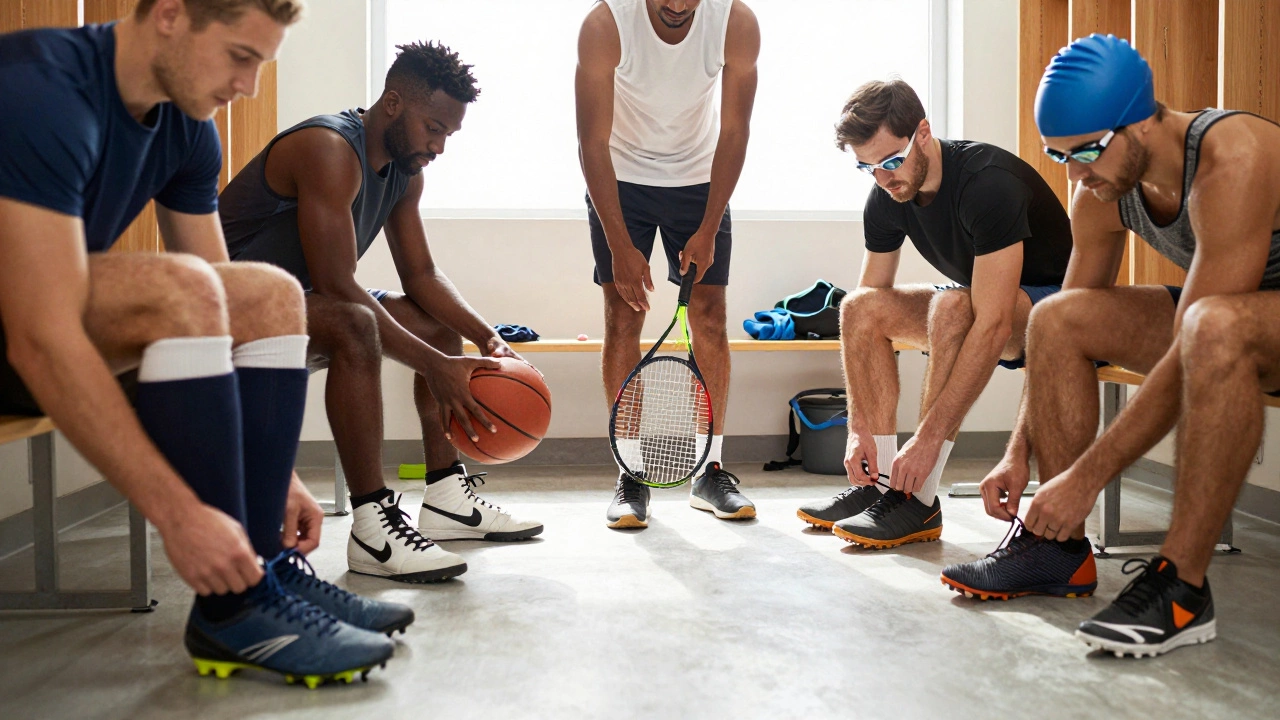
Sports equipment includes anything designed to help you play a sport, protect you, or improve your performance. It’s not limited to what you see on TV. Some items are obvious, like a basketball or a baseball glove. Others are hidden in plain sight, like the padding inside a helmet or the grip tape on a tennis racket.
The key is function. If it’s made to be used during physical activity in a sport, it’s equipment. That means:
- Protective gear (helmets, pads, mouthguards)
- Performance tools (balls, bats, rackets, sticks)
- Footwear designed for specific surfaces (cleats, running shoes)
- Apparel built for movement and moisture control (jerseys, compression gear)
- Training aids (resistance bands, agility ladders, weighted vests)
It’s not equipment if it’s just clothing you wear every day-even if you wear it to the gym. A plain T-shirt isn’t sports equipment. But a moisture-wicking, seam-free jersey made for high-intensity sweat? That is.
Common Sports Equipment by Sport
Every sport has its own set of gear. What works for soccer won’t help in swimming. Here’s a breakdown of essential equipment for popular sports, based on real-world use and standards set by governing bodies like FIFA, NCAA, and USA Basketball.
Soccer
- Ball (size 5 for adults, regulated weight and circumference)
- Cleats (metal or molded studs for traction on grass or turf)
- Shin guards (must be worn under socks and certified to EN 13061 standard)
- Jersey and shorts (team-specific, moisture-wicking fabric)
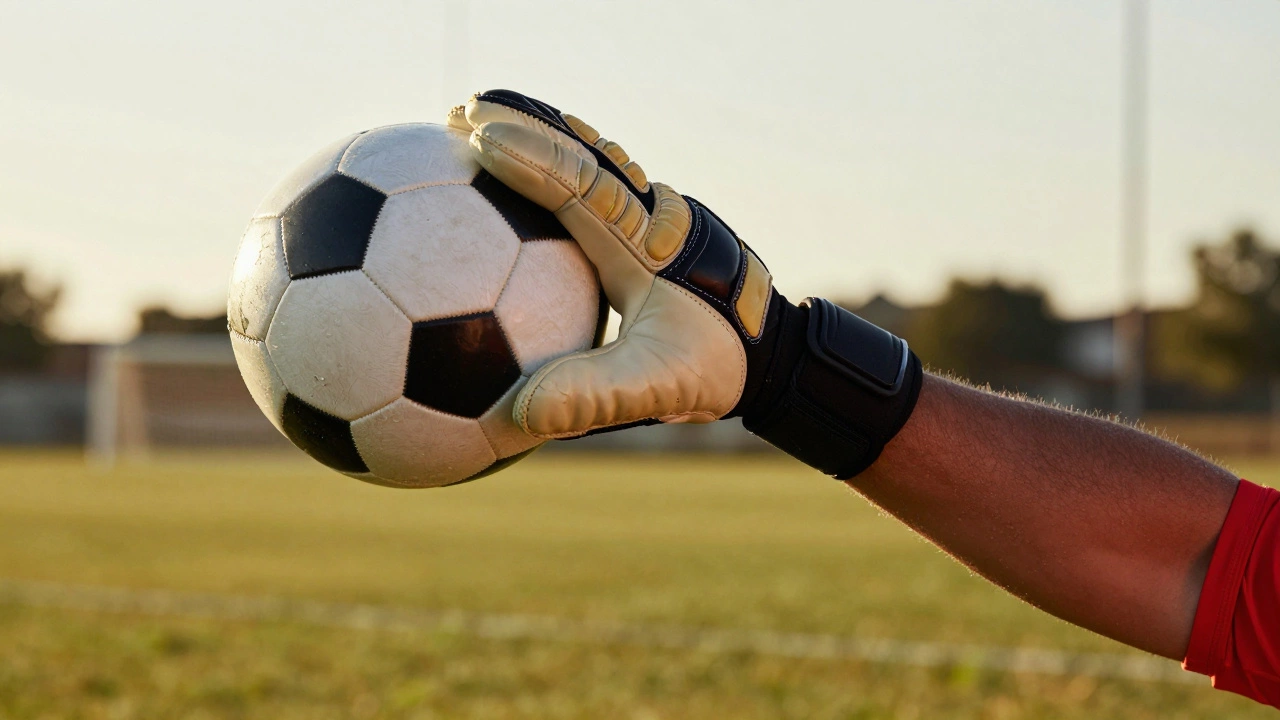
- Goalkeeper gloves (padded palms for grip and protection)
Basketball
- Basketball (size 7 for men, size 6 for women, 29.5-inch circumference)
- Basketball shoes (high-top for ankle support, rubber soles for indoor courts)
- Jersey and shorts (lightweight, breathable mesh)
- Arm sleeves and knee pads (optional, but common in competitive play)
Tennis
- Racket (head size 95-110 sq in, weight 270-310g for most players)
- Tennis balls (pressurized, felt-covered, regulated bounce height)
- Tennis shoes (lateral support for side-to-side movement)
- Overgrip tape (replaces worn-out handles, improves grip)
- Ball machine (training tool used by coaches and serious players)
Running
- Running shoes (cushioned, lightweight, designed for heel-to-toe roll)
- Moisture-wicking shorts and tops (no cotton-it holds sweat)
- Running watch or GPS tracker (tracks pace, distance, elevation)
- Hydration belt or vest (for long-distance runners)
- Reflective gear (for early morning or night runs)
Swimming
- Swimsuit (competitive suits are made of polyurethane or polyester, not cotton)
- Goggles (anti-fog, UV-protected lenses, adjustable straps)
- Swim cap (silicone or latex, reduces drag)
- Paddles and pull buoys (training aids for stroke technique)
- Kickboard (for leg strength drills)
Baseball/Softball
- Bat (aluminum, composite, or wood, regulated by league rules)
- Glove (position-specific: catcher’s mitt is larger than infielder’s)
- Helmet (with face guard for batters and base runners)
- Catcher’s gear (chest protector, shin guards, mask)
- Baseball/softball (size 9 for baseball, 11-12 for softball)
Why Does Equipment Matter?
It’s easy to think gear is just about looks or brand names. But the truth is, the right equipment affects performance, safety, and even how long you can stay active.
For example, a runner wearing worn-out shoes with no cushioning can develop plantar fasciitis or shin splints. A hockey player without a properly fitted helmet risks concussions. A tennis player using a racket with the wrong grip size might get tennis elbow.
Studies from the American Academy of Orthopaedic Surgeons show that 60% of sports injuries are preventable with proper gear. That’s not a small number. It means more than half of the injuries people suffer while playing sports happen because they’re using the wrong tools-or no tools at all.
Equipment also levels the playing field. In youth sports, not everyone can afford the same gear. But leagues often provide equipment for those who need it. That’s because the goal isn’t to make kids look like pros-it’s to let them play safely and fairly.
What to Look for When Buying Sports Equipment
Not all gear is created equal. Here’s what to check before you buy:
- Fit: Too loose? It can slip. Too tight? It restricts movement. Try it on. Move around. If it feels off, it is.
- Material: Look for moisture-wicking fabrics, durable plastics, and impact-resistant foam. Avoid cheap materials that break after a few uses.
- Standards: Check for certification labels. For example, football helmets should have NOCSAE certification. Bicycle helmets need CPSC approval.
- Age and size: Kids’ gear isn’t just smaller-it’s designed differently. A youth soccer ball isn’t the same as an adult one.
- Replacement timeline: Running shoes last 300-500 miles. Shin guards crack. Racket strings go slack. Know when to replace, not just upgrade.
Common Mistakes People Make
Even experienced athletes mess up. Here are the top errors:
- Wearing regular sneakers for tennis or basketball-this leads to ankle rolls.
- Using a helmet that’s too old. Helmets expire. Most have a 5-year lifespan.
- Buying gear based on what a pro athlete uses. That racket might be perfect for Novak Djokovic, but too heavy for a beginner.
- Skipping protective gear because it’s "uncomfortable." Pain now beats injury later.
- Buying cheap gear from discount stores without checking safety ratings.
Where to Get Reliable Sports Equipment
You don’t need to spend a fortune. But you do need to buy from trusted sources:
- Official team suppliers (like Nike for NBA gear or Adidas for FIFA balls)
- Sports specialty stores (Dick’s Sporting Goods, REI, local shops with trained staff)
- League-approved retailers (many youth leagues have partnered vendors)
- Secondhand gear from trusted sources (charity shops, team gear sales-check for damage)
Avoid random online marketplaces unless you know the brand and can verify authenticity. Fake soccer cleats or counterfeit helmets can be dangerous.
Final Thought: Gear Is Your Ally
Sports equipment isn’t just stuff you carry. It’s part of your body’s extension on the field, court, or track. The right gear helps you move better, stay safe, and enjoy the game longer. Whether you’re a kid starting out or an adult getting back into shape, the equipment you choose matters more than you think.
Don’t just buy the cheapest option. Don’t just follow trends. Think about what you need, how you’ll use it, and how long it’ll last. That’s how you play smarter-not harder.
What are the five most common types of sports equipment?
The five most common types of sports equipment are: protective gear (like helmets and pads), performance tools (balls, bats, rackets), footwear (cleats, running shoes), athletic apparel (jerseys, compression wear), and training aids (resistance bands, agility cones). These cover the basic needs of safety, performance, and skill development across nearly every sport.
Is clothing considered sports equipment?
Yes-but only if it’s designed for athletic use. A plain cotton T-shirt isn’t sports equipment. But a moisture-wicking jersey with flat seams, UV protection, and stretch fabric that helps with movement and cooling? That qualifies. Sports apparel is engineered to handle sweat, friction, and impact, unlike everyday clothing.
Do I need to buy brand-name sports equipment?
No, you don’t need brand names to perform well or stay safe. Many lesser-known brands meet the same safety standards as big names. What matters is certification (like NOCSAE or CPSC), proper fit, and material quality. A $40 pair of running shoes from a trusted retailer can outperform a $150 branded pair if it fits your foot and supports your stride.
How often should I replace my sports equipment?
It depends on the item. Running shoes last 300-500 miles. Helmets expire after 5 years due to material breakdown. Tennis racket strings lose tension after 20-40 hours of play. Shin guards crack over time. Always inspect gear before each season-cracks, worn soles, or loose padding mean it’s time to replace.
Can I use the same equipment for multiple sports?
Sometimes, but rarely with safety. A pair of sneakers might work for casual basketball and walking, but not for soccer cleats or tennis shoes. Each sport has unique movement patterns. Using the wrong gear increases injury risk. Protective gear like helmets and pads are sport-specific and should never be swapped.