
What is the Hardest Position in Rugby? A Breakdown of Physical and Mental Demands
Rugby Position Difficulty Analyzer
Select a rugby position to analyze its unique physical and mental challenges based on professional match data.
Scrum-Half
The tactical quarterback operating under constant pressure
Flanker
The defensive engine covering maximum ground
Lock
The pillar absorbing massive impacts in set pieces
Key Challenges:
Expert Insight:
Walk into any rugby clubhouse after a muddy Saturday match, and you will hear the same argument. The forwards complain about the bone-jarring collisions in the set pieces. The backs moan about the speed required to cover eighty meters of open field. Everyone believes their job is the toughest. But if we strip away the ego and look at the data, the biomechanics, and the tactical load, one position stands out as uniquely punishing. It is not just about who gets hit the hardest or who runs the most meters. It is about the combination of physical trauma, mental fatigue, and technical precision under pressure.
The debate usually centers on three roles: the Scrum-half is the tactical quarterback who controls the tempo and faces constant harassment from opposing forwards, the Flanker is the defensive engine that covers the most ground and tackles the opposition's ball carriers relentlessly, and the Lock is the tallest player who absorbs massive impact in lineouts and carries heavy loads up the middle. To determine the true hardest position, we need to break down what each role actually demands from the human body and mind.
The Scrum-Half: The Brain Under Fire
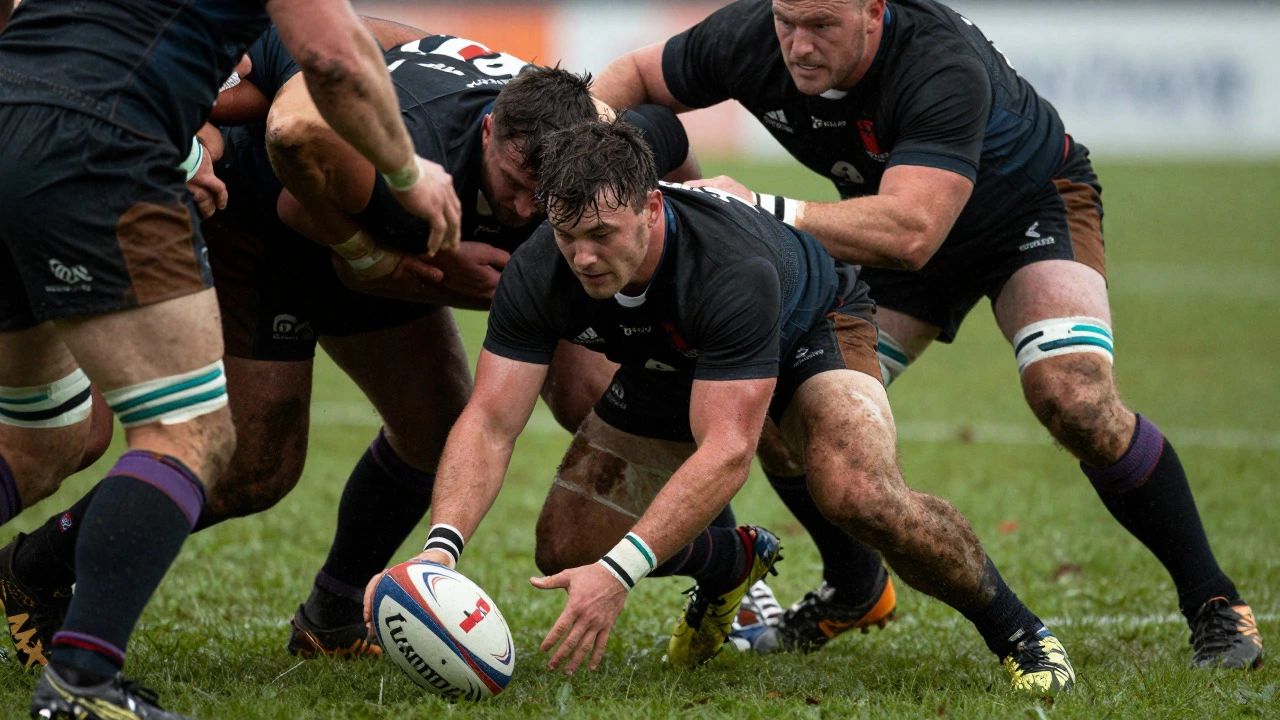
If rugby has a general, it is the scrum-half, also known as number nine. This player sits between the forward pack and the backline, acting as the conduit for all ball movement. They are typically smaller than the players surrounding them, often weighing less than 80 kilograms while facing opponents who tip the scales at 110 kilograms or more. This size disparity creates a unique vulnerability. The scrum-half is constantly hunted by opposing Openside Flankers are agile defenders whose primary goal is to intercept passes or tackle the scrum-half immediately after they receive the ball.
The physical toll here is specific. It is not about sustained power; it is about repeated high-impact collisions in tight spaces. A professional scrum-half might make thirty to forty tackles a game, but many of these occur when they are stationary or moving slowly, making them easy targets. Beyond the hits, the mental load is immense. They must read the defensive structure instantly, decide whether to pass, kick, or run, and execute that decision within a fraction of a second. One mistake-a bad pass or a slow exit from the ruck-can stall the entire team’s attack. The pressure to be technically perfect while being physically bullied makes this role exceptionally difficult.
The Flanker: The Defensive Engine
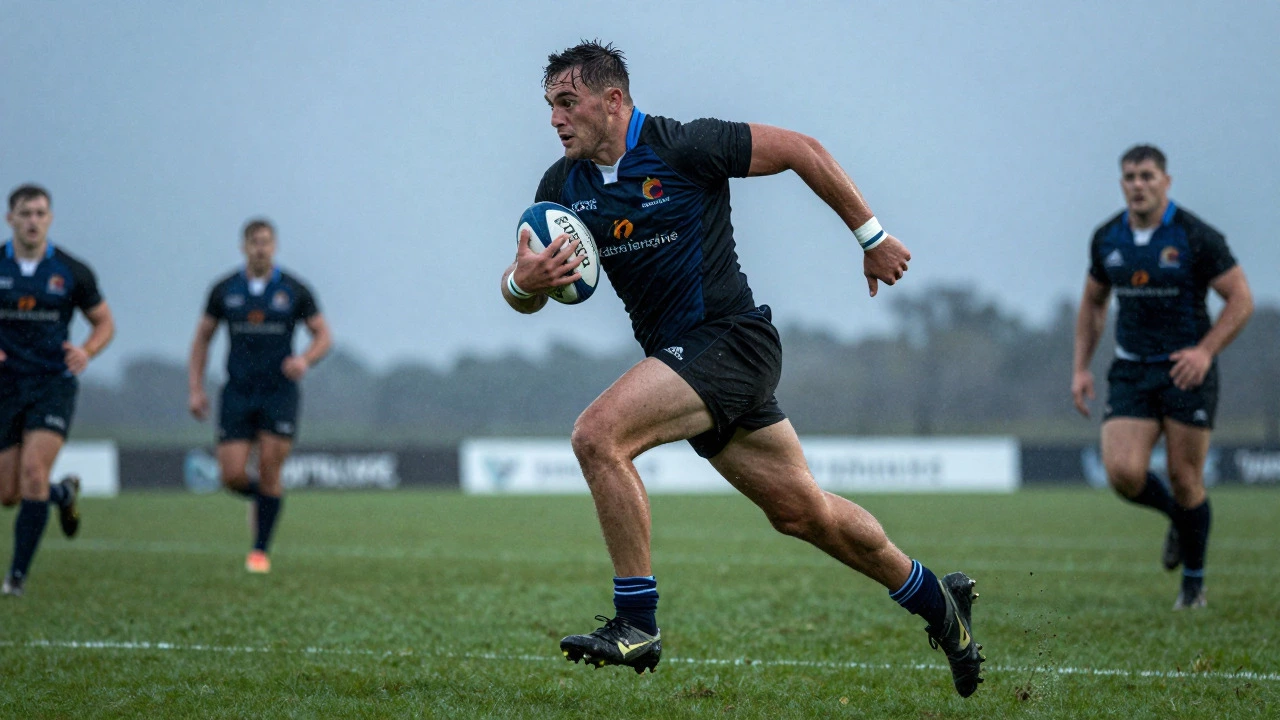
On the other side of the coin, we have the flankers, specifically the openside (number seven) and blindsides (number six). These players are the workhorses of the modern game. If you look at GPS tracking data from top-tier leagues like the Premiership or United Rugby Championship, flankers consistently lead the team in total distance covered, often exceeding thirteen kilometers per ninety-minute match. They are also leaders in high-metabolic running, which means they are sprinting repeatedly rather than jogging.
Their job description is brutal. They must arrive first at every breakdown to secure possession for their team or steal the ball from the opponent. This requires explosive acceleration, powerful tackling, and the ability to get off the ground quickly to support the next phase. A flanker might make fifty or sixty tackles in a single game, many of them against full-speed ball carriers. Unlike the scrum-half, who operates in short bursts, the flanker maintains a high intensity for the duration of the match. The cumulative fatigue sets in around the sixty-minute mark, leading to a higher risk of soft-tissue injuries and decreased defensive performance late in games. The mental aspect involves constant situational awareness; they must track multiple attackers simultaneously and anticipate where the ball will go before it is even passed.
The Lock: The Pillar of Impact
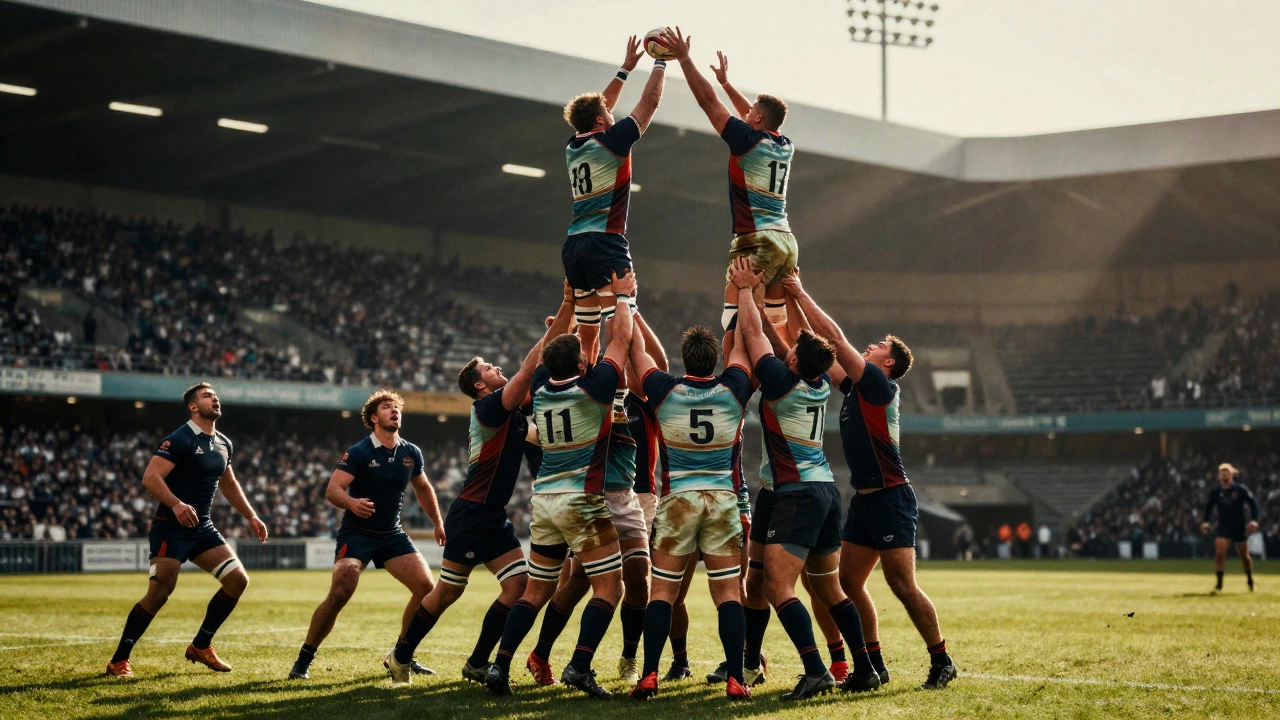
Then there are the locks, or seconds rows (numbers four and five). These are the tallest players on the pitch, often exceeding two meters in height. Their primary responsibilities lie in the set pieces: the scrum and the lineout. In the scrum, locks bind behind the props and hooker, providing the driving force that pushes against the opposing pack. This requires immense leg strength and core stability. The forces generated in a professional scrum can exceed several thousand newtons, placing significant stress on the spine, knees, and ankles.
In the lineout, locks are lifted into the air to catch the ball thrown by the Thrower is usually the fly-half who must accurately deliver the ball to jumping teammates in contested situations. Being lifted repeatedly puts strain on the shoulders and lower back. Furthermore, locks are often used as ball carriers in tight channels, where they must absorb contact from multiple defenders. While they may not cover as much ground as the backs or flankers, the sheer magnitude of the impacts they endure is higher. Concussion rates among locks are notably high due to the frequency of head-on-head and shoulder-to-head collisions in the forward pack. The physical durability required to withstand this level of punishment week after week is extraordinary.
Comparing the Demands: Data vs. Perception
To objectively assess which position is the hardest, we need to compare key metrics across these roles. Here is a breakdown of how they stack up against each other in terms of physical and mental requirements.
| Metric | Scrum-Half (No. 9) | Flanker (No. 6/7) | Lock (No. 4/5) |
|---|---|---|---|
| Average Distance Covered (km) | 10-11 | 13-14 | 9-10 |
| Tackles Made Per Game | 30-40 | 50-60 | 20-30 |
| Mental Load / Decision Making | Very High | High | Medium |
| Collision Severity | Medium (Frequent) | High (Sustained) | Very High (Impact) |
| Injury Risk Type | Ligament strains, bruises | Hamstrings, groin, concussions | Knee ligaments, spinal stress, concussions |
Looking at this data, a clear picture emerges. The flanker covers the most ground and makes the most tackles, suggesting the highest aerobic demand. The lock faces the heaviest individual collisions, indicating the greatest structural stress on the body. However, the scrum-half combines moderate physical exposure with the highest cognitive load. They are making critical decisions while under direct physical threat. This dual burden-mental and physical-creates a unique type of exhaustion that is hard to quantify but easy to feel.
The Role of Modern Tactics in Increasing Difficulty
Rugby is evolving, and with it, the difficulty of each position is shifting. The introduction of faster pitches, lighter balls, and more complex attacking structures has increased the speed of the game. For the scrum-half, this means less time to think. The window for decision-making has shrunk from seconds to milliseconds. Opposing defenses are now organized to shut down passing lanes immediately, forcing the scrum-half to either take extreme risks or recycle the ball safely, which can stall momentum.
For the forwards, the emphasis on quick rucks has changed the dynamic. Teams no longer spend long periods engaged in static scrums. Instead, they focus on rapid turnover and continuous play. This benefits the flanker, who thrives in chaotic, fast-paced environments, but it also increases the likelihood of errors. A missed tackle by a flanker can lead directly to a try, whereas a mistake by a lock might only result in a penalty. The stakes for error-free performance are highest for the positions that control the ball and the breakdown.
Who Really Holds the Title?
So, who wins the argument? If you define "hardest" as pure physical endurance and volume of work, the flanker takes the crown. They are the athletes who push their bodies to the limit every single minute. If you define it as enduring the most painful impacts, the lock is the answer. Their bodies absorb shocks that would incapacitate lesser men.
However, most coaches and former players agree that the scrum-half holds the most demanding overall role. Why? Because they cannot hide. Every action is visible. Every decision is judged. They are the smallest players facing the biggest threats, requiring elite technical skill, tactical intelligence, and physical courage. The combination of being mentally exhausted from constant decision-making and physically battered by relentless harassment creates a unique challenge. It is not just about surviving the ninety minutes; it is about performing at an elite level while your body and mind are screaming to stop. That is why, despite the lack of glory compared to try-scoring wingers, the scrum-half is widely regarded as the hardest position in rugby.
Why is the scrum-half considered the hardest position?
The scrum-half is considered the hardest because they face the highest combination of mental and physical pressure. They must make split-second tactical decisions while being constantly targeted by larger opposing players. Their small stature makes them vulnerable to injury, and their role as the link between forwards and backs means any error is highly visible and costly.
Which rugby position runs the most distance?
Flankers (numbers six and seven) typically run the most distance, often covering over 13 kilometers per game. They are involved in both attack and defense, requiring them to chase down ball carriers, support plays, and engage in rucks across the entire field.
Do locks suffer more injuries than other positions?
Locks are prone to specific types of injuries due to the high-impact nature of their role. They frequently suffer from knee ligament damage, spinal stress, and concussions. The repetitive lifting in lineouts and the driving force in scrums place immense strain on their joints and skeleton.
What skills are most important for a flanker?
A successful flanker needs exceptional stamina, strong tackling technique, and quickness at the breakdown. They must be able to accelerate rapidly, read the flow of the game, and communicate effectively with teammates to organize the defensive line.
How has the role of the scrum-half changed in recent years?
Modern tactics require scrum-halves to be faster and more decisive. With defenses closing down quicker, they have less time to process information. Additionally, there is greater emphasis on kicking options and leadership, as they are expected to direct traffic in open play as well as from the base of the ruck.