
What's in an Equipment List? A Practical Guide to Sports Gear You Actually Need
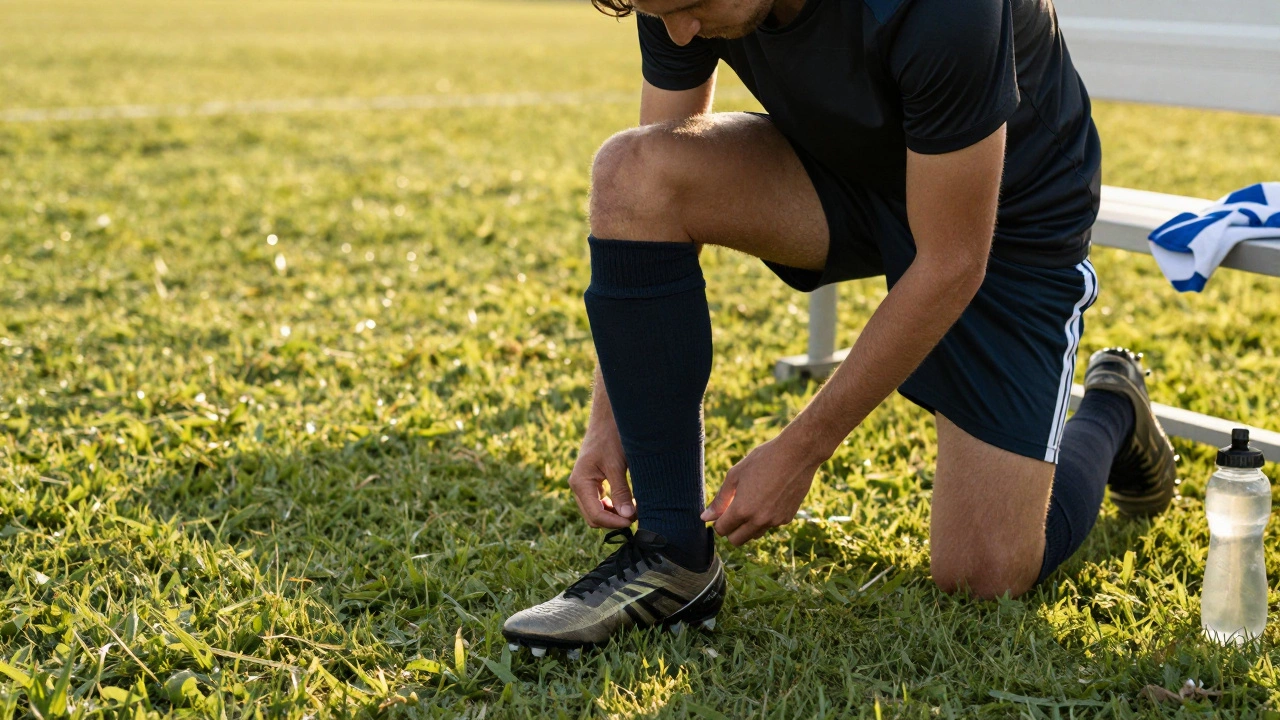
Ever shown up to a game or training session only to realize you forgot something critical? Maybe your shin guards were left on the kitchen table, or your running shoes were still in the laundry. It happens to everyone. The problem isn’t laziness-it’s not knowing what to put on a proper equipment list. A good list isn’t just a checklist. It’s a survival guide for your sport.
Why Your Equipment List Matters
Think of your equipment list like your phone’s battery percentage. You don’t wait until it hits 1% to start worrying. Same with gear. If you’re playing football, tennis, or even just going for a weekend hike, the wrong gear can turn a fun day into a frustrating one. Or worse, an injury. A real equipment list cuts through the noise. It’s not about having the most expensive stuff. It’s about having the right stuff, in the right condition, at the right time. Teams, coaches, and even amateur leagues often require signed gear checklists before allowing participation. Why? Because safety and fairness depend on it. Take rugby, for example. A player without a mouthguard isn’t just unprepared-they’re breaking the rules and putting themselves at risk. The same goes for a cyclist without a helmet or a swimmer without goggles. Your equipment list isn’t optional. It’s the baseline.What Goes Into a Basic Sports Equipment List
There’s no universal list. A tennis player’s gear looks nothing like a swimmer’s. But every solid list has three layers: core gear, support items, and optional extras.- Core gear is what you absolutely need to play. Without it, you can’t participate. For basketball, that’s shoes, shorts, and a ball. For swimming, it’s a suit, goggles, and cap.
- Support items keep you safe and comfortable. These include water bottles, towels, sweatbands, and first aid supplies. They’re not always mandatory, but they make a huge difference.
- Optional extras are nice-to-haves: extra laces, grip tape, a portable phone charger, or a small snack. These vary by person and sport.
Equipment Lists by Sport
Here’s what you actually need for five common sports-no fluff, no marketing hype.Football (Soccer)
- Shin guards (must be worn under socks)
- Football boots (cleats with rubber or molded studs)
- Football socks (long enough to cover shin guards)
- Shorts (no pockets)
- Jersey (team-issued or numbered)
- Water bottle
- Optional: ankle tape, mouthguard, glove for goalkeepers
Pro tip: Check your boots before every game. Loose studs or worn soles can lead to slips-or worse, ankle rolls. I’ve seen players get injured because they didn’t check their gear. Don’t be that person.
Tennis
- Tennis racket (strung and at proper tension)
- Tennis balls (at least two, preferably three)
- Tennis shoes (non-marking soles, lateral support)
- Moisture-wicking shirt and shorts
- Sweatband or headband
- Water bottle or sports drink
- Overgrip tape (for grip maintenance)
- Optional: ball retriever, racket bag, sunscreen
Many beginners buy a cheap racket and wonder why their game feels off. Racket tension matters. If you’re playing regularly, get it restrung every 20-30 hours. A worn string is like driving with bald tires-everything feels slippery.
Running
- Running shoes (replaced every 500-800 km)
- Moisture-wicking socks (no cotton!)
- Running shorts or tights
- Running top (lightweight, breathable)
- Hydration belt or handheld bottle
- Reflective gear (if running at dawn or dusk)
- Optional: GPS watch, phone armband, energy gels
Shoes are the most important item. If your feet ache after a run, it’s not your form-it’s your shoes. Most runners replace them too late. Mark your calendar. Every six months, check your tread. If the midsole looks flat or you’re feeling new aches, it’s time.
Swimming
- Swimsuit (chlorine-resistant fabric)
- Goggles (anti-fog, proper seal)
- Swim cap (silicone or latex)
- Waterproof bag
- Shower gel and towel
- Optional: earplugs, nose clip, kickboard, pull buoy
Swimmers often skip the cap. Big mistake. Hair in your eyes slows you down. Plus, chlorine dries out your scalp. A cap protects your hair and keeps your head streamlined. And goggles? Don’t buy the $5 ones from the gas station. Look for silicone seals and UV protection if you swim outdoors.
Rugby
- Rugby boots (studs must meet regulations-no metal)
- Shin guards (mandatory in most leagues)
- Rugby shorts (with built-in padding)
- Rugby jersey (numbered, team-approved)
- Mouthguard (non-negotiable)
- Headgear (optional but recommended)
- Water bottle and electrolyte drink
- Optional: ankle braces, grip gloves, towel for wet conditions
Rugby is brutal on gear. A mouthguard isn’t a suggestion-it’s your insurance. One collision without it, and you could lose teeth. And don’t wear regular football boots. Rugby studs are shorter and spaced differently to prevent injuries during scrums.
How to Build Your Own Equipment List
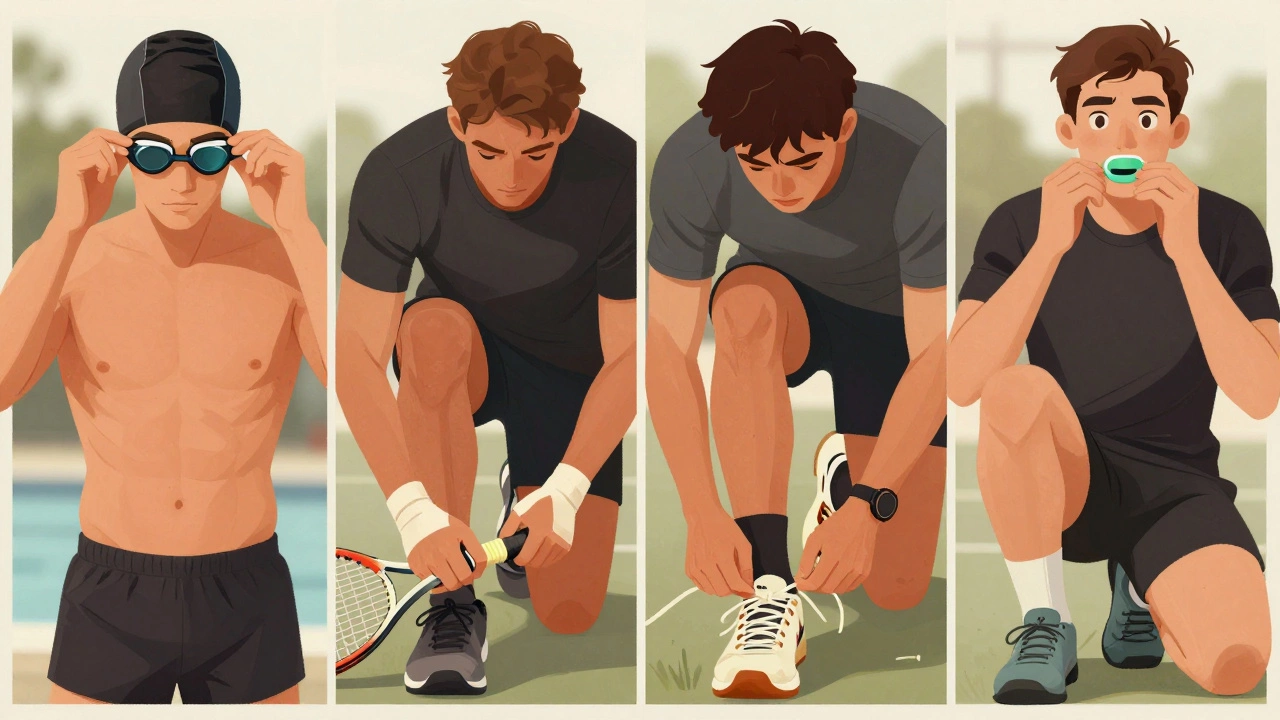
Stop copying random lists from the internet. Here’s how to make one that actually works for you.- Start with the official rules. Check your league’s website or ask your coach. What’s required? What’s banned?
- List every item you’ve ever forgotten. That’s your starting point.
- Group items into core, support, and extras.
- Test your list. Use it for three sessions. Did anything break? Did you wish you had something?
- Update it. Gear wears out. Rules change. Your needs evolve.
Keep your list simple. A piece of paper taped to your bag works. Or use a notes app on your phone. Just make sure it’s always accessible. I know someone who printed theirs and laminated it. She still uses it five years later.
When to Replace Gear
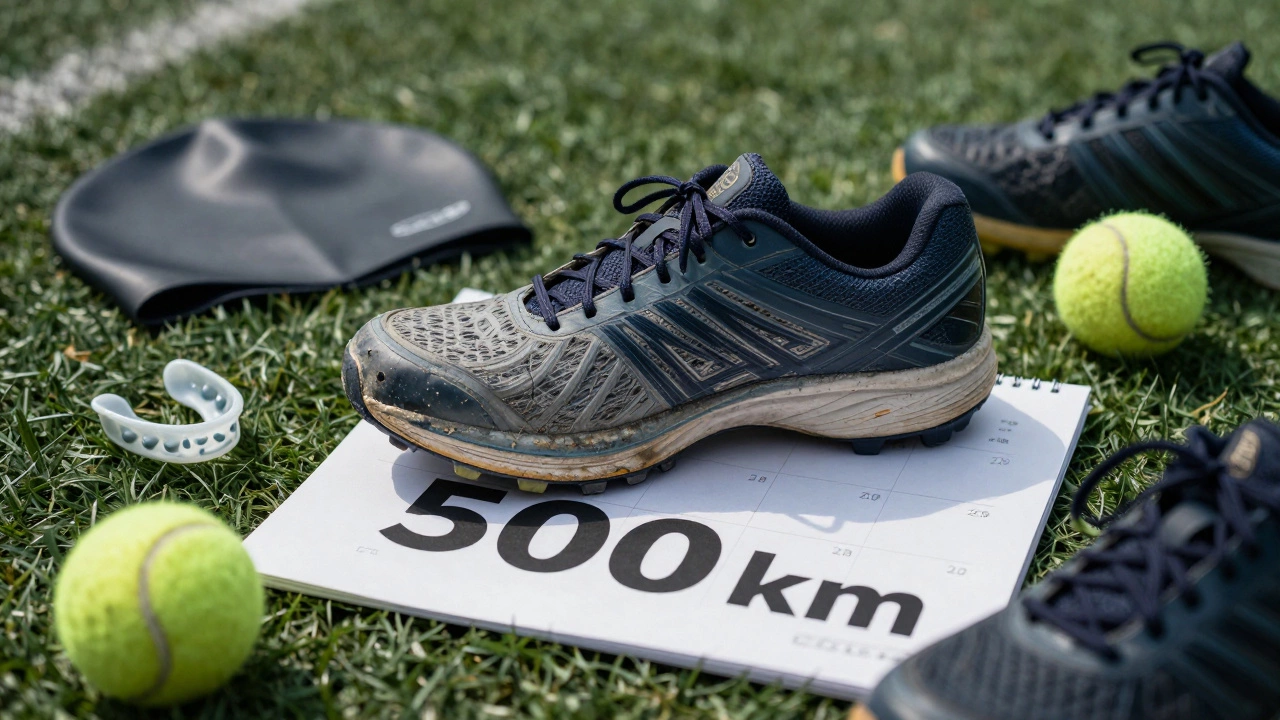
Gear doesn’t last forever. And holding onto worn-out equipment is dangerous.- Running shoes: Replace after 500-800 km. If the heel is flattened or the sole is cracking, toss them.
- Racket strings: Re-string every 20-30 hours of play. If you play once a week, that’s every 5-8 months.
- Swimwear: Chlorine kills fabric. If it’s see-through or stretched out, replace it. A $50 suit lasts longer than a $20 one if it’s quality.
- Mouthguards: Replace every season-or sooner if they crack or no longer fit.
- Shin guards: If the padding is compressed or the shell is cracked, they won’t protect you.
Don’t wait for pain to tell you it’s time. Check your gear before each season. It’s cheaper than a physio bill.
Common Mistakes to Avoid
Here’s what most people get wrong:- Buying gear based on looks, not function. That bright neon jersey? Doesn’t matter if it chafes.
- Sharing gear. Mouthguards, socks, and shoes are personal. Don’t risk infection or poor fit.
- Forgetting to check equipment before leaving home. Always do a quick visual scan.
- Assuming ‘one size fits all.’ A junior rugby helmet won’t protect an adult. A women’s running shoe isn’t just a smaller version-it’s built differently.
- Ignoring weather. Rain? Bring a towel and dry clothes. Cold? Layer up. Don’t assume the venue will have extras.
One of my friends showed up to a 5-a-side football match in flip-flops. He thought it was ‘casual.’ He twisted his ankle on the third pass. Don’t be that guy.
Final Checklist: 5-Minute Gear Audit
Before every session, spend five minutes on this:- Do I have my core gear? (Shoes, ball, helmet, etc.)
- Is it clean and dry?
- Is anything broken or worn out?
- Do I have water and a towel?
- Did I pack my extras? (Grip tape, spare laces, energy bar?)
If you answer yes to all five, you’re ready. No stress. No panic. Just show up and play.
What’s the most important item on any sports equipment list?
It depends on the sport, but footwear is almost always top of the list. Whether it’s cleats, running shoes, or tennis sneakers, your feet are your foundation. Bad shoes lead to bad form, which leads to injury. Never skip checking your soles or fit.
Do I need to buy expensive gear to be safe?
No. You don’t need the priciest racket or the most branded jersey. But you do need gear that fits well and meets safety standards. A $30 mouthguard that fits properly is better than a $100 one that’s loose. Look for certifications-like NOCSAE for helmets or ASTM for shin guards.
Can I use the same gear for multiple sports?
Sometimes, but rarely. Running shoes won’t give you the lateral support you need for tennis. Football cleats are too long for rugby and can be dangerous in scrums. Always check the rules. Gear is designed for specific movements-don’t try to make one item do five jobs.
How often should I update my equipment list?
At least once a year, or whenever your sport changes. If you switch from indoor to outdoor tennis, your gear needs change. If you move from recreational to competitive play, you’ll need better protection. Revisit your list before every new season.
What if I forget something at the last minute?
Have a backup plan. Keep a small bag with spare laces, a mouthguard, a towel, and a water bottle in your car or locker. Many clubs have loaner gear for emergencies-but don’t rely on it. Always prepare ahead. The best players aren’t the ones with the best gear-they’re the ones who never show up unprepared.