
What Sports Use Protective Equipment? A Complete Guide to Safety Gear
Sports Safety Gear Estimator
Select a sport below to see the mandatory safety gear required and an estimated cost for a basic starter kit.
Football
Cycling
Boxing
Hockey
Baseball
Rugby
Click a sport above to generate your safety checklist.
Imagine stepping onto a pitch or into a ring without any armor. For some athletes, that’s just Tuesday. For others, it’s a recipe for disaster. The difference lies in the **protective equipment** strapped to their bodies. But which sports actually demand this gear, and why do some athletes wear more padding than others?
We often assume that only violent contact sports require helmets and pads. That’s a myth. From the high-speed crashes of cycling to the sharp impacts of baseball, injury prevention spans every corner of athletics. Understanding what gear is essential-and why-can help you stay safe whether you’re playing professionally or just picking up a new hobby.
The Heavy Hitters: Full-Contact Sports
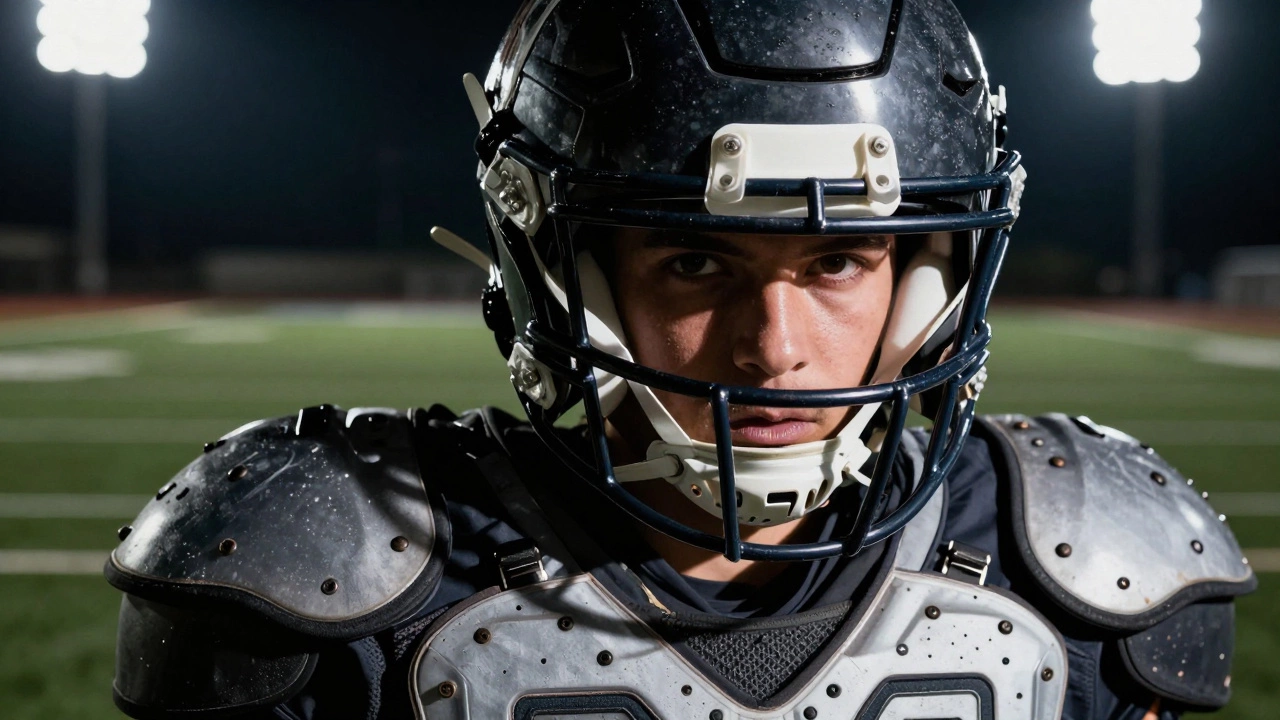
When people think of protective gear, they usually picture football players or boxers. These sports involve direct, forceful collisions, making equipment non-negotiable for survival on the field.
Rugby offers a stark contrast. While rugby union and league players don’t wear hard helmets or heavy shoulder pads, they rely on soft protection. Mouthguards are mandatory to protect teeth and reduce concussion risk by absorbing shock. Many players also wear scrum caps (headgear) to prevent scalp lacerations, though these offer minimal impact protection. Padded vests and gum shields are common, but the lack of hard armor means technique and body positioning are even more critical for safety.
In boxing and mixed martial arts (MMA), the face is the primary target. Boxers wear headgear during sparring and amateur bouts to cushion punches to the jaw and temples. Gloves, ranging from 8oz to 16oz, protect the knuckles of the striker and distribute force across the opponent’s face. In MMA, gloves are smaller, exposing fingers for grappling, but still padded to prevent hand injuries during striking. Shin guards are essential in kickboxing and Muay Thai to protect against broken bones from repeated kicks.
High-Speed Impact: Cycling and Motorsports
Speed changes everything. When you’re moving at 30 miles per hour or faster, gravity becomes your enemy. Protective equipment here isn’t about blocking another player; it’s about surviving a fall or crash.
Motorsports take this further. Formula 1 drivers wear fire-resistant Nomex suits, helmets with HANS (Head and Neck Support) devices, and six-point harnesses. The HANS device prevents basilar skull fractures by limiting head movement during sudden deceleration. Even in lower-tier motorsports like karting, full-face helmets and neck braces are standard because the risk of high-speed collision is constant.
Ball-and-Stick Sports: Precision and Projectile Protection
In sports involving fast-moving balls or sticks, protection focuses on specific body parts vulnerable to accidental strikes.
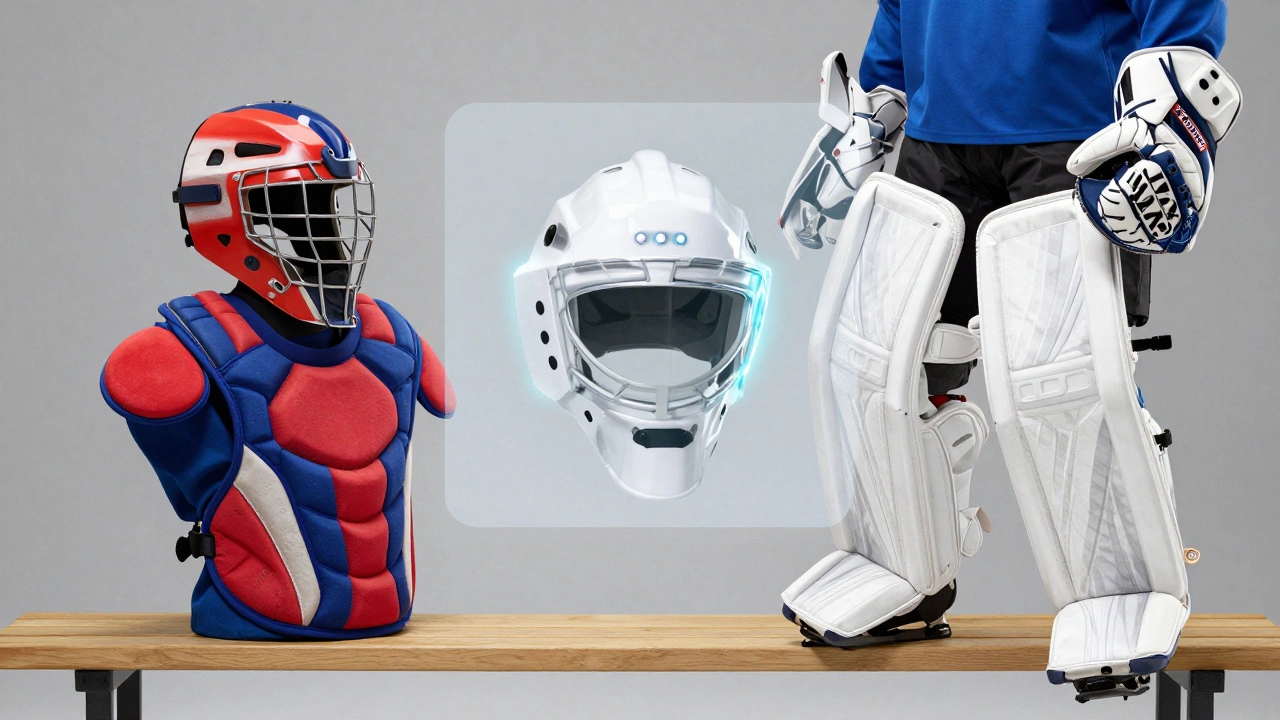
Baseball and softball players face 90+ mph pitches. Catchers wear the most comprehensive gear: a helmet with a face mask, chest protector, and shin guards. This trio protects against foul tips, wild pitches, and collisions at home plate. Batters wear batting helmets with ear flaps to guard against pitched balls, while infielders might wear sliding shorts to prevent abrasions. Fielders generally wear no padding, relying on reaction time instead.
Hockey is unique because it combines speed, sticks, and pucks traveling at over 100 mph. Players wear full-body armor: helmets with cages or visors, shoulder and elbow pads, gloves, thigh pads, shin guards, and jockstraps or cups. Goalies have even thicker padding, including leg pads, blocker gloves, and catchers, designed to stop shots that can break wooden boards. Ice hockey rules mandate helmet use, while roller derby-a hybrid contact sport-requires wrist guards, elbow pads, knee pads, and helmets due to the high frequency of falls on concrete or wood surfaces.

Net Sports and Racket Games
You might not expect tennis or squash players to need heavy gear, but eye injuries and joint stress are real concerns. Squash players often wear visors to protect eyes from stray balls, which travel at speeds exceeding 150 mph. Tennis players rarely wear padding, but compression sleeves for knees and elbows are common to manage tendonitis. Eye protection is becoming more popular among juniors to prevent retinal damage from ball impacts.
Water Sports: Buoyancy and Impact
In water, protection serves dual purposes: flotation and impact absorption. White-water rafters and kayakers wear helmets to protect against rocks and currents. Life jackets (PFDs) are mandatory for safety. In surfing, wetsuits provide thermal insulation and minor abrasion protection, while impact vests are used in big-wave surfing to cushion falls. Water polo players wear soft earplugs to prevent swimmer’s ear and caps with ear guards, but no other padding due to the need for mobility.
Comparison of Protective Gear by Sport
| Sport | Primary Hazard | Key Equipment | Regulatory Status |
|---|---|---|---|
| American Football | Collisions, Tackles | Helmet, Shoulder Pads, Hip Pads | Mandatory |
| Rugby | Rucks, Scrums | Mouthguard, Scrum Cap (Optional) | Mouthguard Mandatory |
| Cycling | Falls, Road Debris | Helmet, Knee/Elbow Pads | Helmet Mandatory in many regions |
| Boxing | Punches to Head/Body | Gloves, Headgear, Mouthguard | Mandatory |
| Baseball | Fastballs, Sliding | Batting Helmet, Catcher’s Gear | Mandatory for Catchers/Batters |
| Hockey | Puck Strikes, Falls | Full Body Armor, Helmet | Mandatory |
Choosing the Right Gear
Not all protective equipment is created equal. Fit is crucial. A loose helmet won’t stop a concussion; a tight mouthguard can cause breathing issues. Look for certifications like NOCSAE (National Operating Committee on Standards for Athletic Equipment) for football and hockey gear, or CPSC (Consumer Product Safety Commission) standards for cycling helmets. Replace gear after significant impacts, as foam liners compress and lose effectiveness over time. Clean equipment regularly to prevent skin infections, especially with shared mouthguards or helmets.
Future Trends in Sports Safety
Technology is advancing rapidly. Smart helmets with embedded sensors now track impact forces in real-time, alerting trainers to potential concussions. Materials like graphene are being tested for lighter, stronger padding. Airbag systems, once exclusive to cars, are now appearing in motocross and skiing gear, deploying milliseconds before a crash to cushion the rider. These innovations aim to make sports safer without sacrificing performance.
Do I need protective equipment for recreational sports?
Yes. Even casual play carries risks. A bicycle helmet protects your brain regardless of skill level. Mouthguards prevent dental injuries in pickup basketball or soccer games. Investing in basic gear reduces long-term health costs and allows you to enjoy sports longer.
Can protective equipment cause overheating?
Some gear, like full football uniforms, can trap heat. Modern materials use moisture-wicking fabrics and ventilation channels to improve airflow. Stay hydrated, take breaks, and choose breathable options when possible to avoid heat exhaustion.
How often should I replace my sports helmet?
Replace helmets after any significant impact, even if no damage is visible. Foam liners compress and lose shock-absorbing ability. Generally, manufacturers recommend replacing helmets every 3-5 years due to material degradation from UV exposure and sweat.
Are mouthguards really necessary for non-contact sports?
In sports like running or swimming, no. But in activities with accidental collisions-such as tennis, racquetball, or even skateboarding-a mouthguard can prevent chipped teeth and jaw injuries. Custom-fitted guards from dentists offer better protection than boil-and-bite options.
What is the most important piece of protective equipment?
The helmet. Brain injuries are irreversible and life-altering. Whether cycling, skiing, or playing football, a properly fitted helmet is the single most effective tool for preventing catastrophic head trauma. Prioritize head protection above all else.