
Why Do Rugby Players Lift Each Other Up? Lineout Mechanics Explained
Lineout Role Explorer
Click on a role below to explore the physical requirements and tactical responsibilities of each position in the lineout lift.
Lifter
Jumper
Base
Thrower
Select a role above to view detailed information about their responsibilities and required attributes.
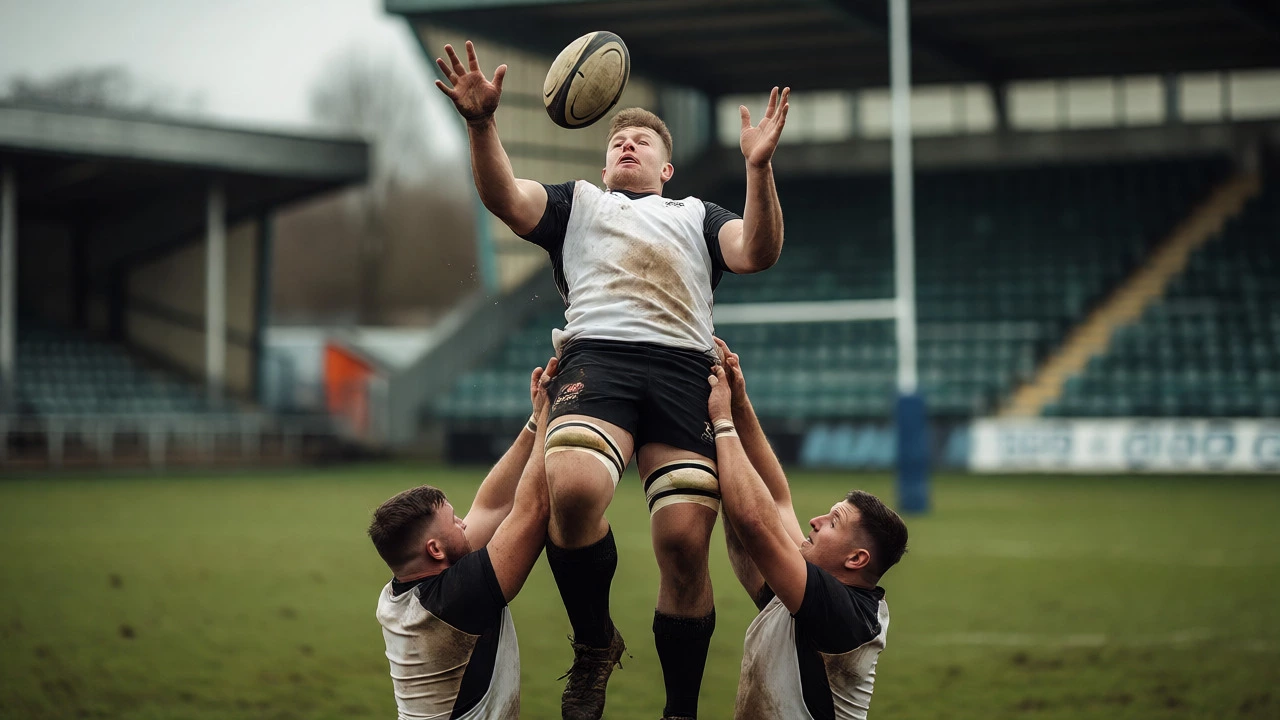
You’re watching a match, the ball goes into touch, and suddenly two big men hoist another giant into the air. It looks like a circus act, doesn’t it? But in rugby, this isn’t just for show-it’s a highly choreographed tactical weapon. If you’ve ever wondered why players lift each other up, the answer lies in one specific set-piece: the lineout. This maneuver allows teams to regain possession of the ball after it has gone out of bounds, turning a potential loss into an attacking opportunity.
The Core Purpose: Winning Air Possession
When the ball crosses the touchline, play stops. The referee awards a lineout to the team that didn’t put the ball out (or sometimes the defending team, depending on infractions). Here’s the problem: the ball is thrown in from the side, usually high and straight. A player standing on the ground simply can’t reach it before an opponent does. Enter the lift.
By lifting a teammate-typically a tall lock forward-the team creates a human ladder. This elevates the jumper well above the height of standard opponents, allowing them to catch the ball at its peak or knock it down to a waiting support player. Without these lifts, the lineout would devolve into a chaotic jump contest where the tallest player on the pitch might win by inches. With lifts, the outcome becomes predictable and controllable.
Who Gets Lifted and Why?
Not everyone gets lifted. You’ll rarely see a speedy winger doing the jumping unless it’s a desperate last-ditch effort. The job almost always falls to the locks-players number four and five. These are typically the tallest players on the team, often over six feet six inches tall. Their primary role in the lineout is aerial dominance.
But here’s a twist: sometimes the person catching the ball isn’t the one being lifted directly. Teams use complex calls to confuse the opposition. A common tactic involves lifting a decoy player who jumps but doesn’t catch, while the actual target jumps from a different position or receives the ball via a quick pass mid-air. This unpredictability makes it harder for the opposing defense to mark their man.
| Role | Primary Responsibility | Physical Attributes Needed |
|---|---|---|
| Lifter | Generate upward force; stabilize the jumper | Core strength, leg power, grip strength |
| Jumper/Catcher | Aerial control; secure possession | Height, vertical leap, hand-eye coordination |
| Base/Support | Prevent falls; provide stability at ground level | Balance, wide stance, lower body strength |
| Thrower | Deliver accurate, straight ball to target | Precision, consistency, understanding of calls |
The Mechanics of the Lift
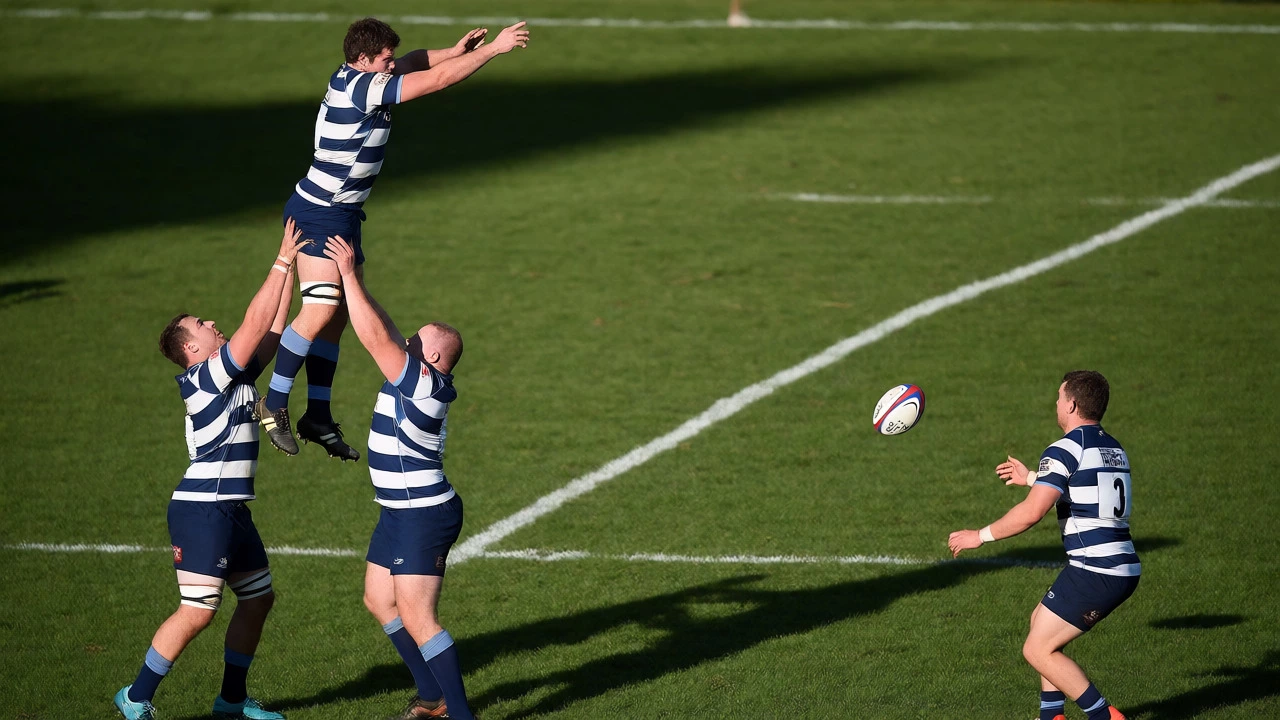
So, how do they actually do it? It’s not just brute strength. A successful lift relies on physics and teamwork. The lifters-usually two props or flankers-position themselves behind the jumper. They place their hands under the jumper’s thighs or buttocks. On the thrower’s signal, they drive upward with their legs, extending their arms fully.
The key is timing. If the lifters push too early, the jumper will be hanging in the air before the ball arrives, wasting energy and exposing them to tackles. Too late, and the jumper misses the catch window entirely. The jumper must also stay rigid. If they go limp or arch their back incorrectly, the center of gravity shifts, making them easier to topple. This is why you see players gripping each other tightly; it’s about creating a single, stable unit rather than three separate bodies.
Tactical Advantages Beyond Just Catching
Winning the ball is step one. What happens next is where the real value lies. Modern rugby uses lineouts as launchpads for attacks. Because the lineout sets up a structured platform, teams can execute pre-planned moves. For example, once the ball is caught, it’s quickly passed to the scrum-half, who distributes it to backs. This quick delivery prevents the defense from reorganizing.
Moreover, the threat of a long throw keeps defenders honest. If a team knows you can throw the ball ten meters down the line, they have to spread their defensive line thin. This opens gaps closer to the touchline for shorter, quicker plays. Conversely, if your lineout is weak, opponents can crowd the front, daring you to take risks that might result in penalties or turnovers.
Risks and Common Pitfalls
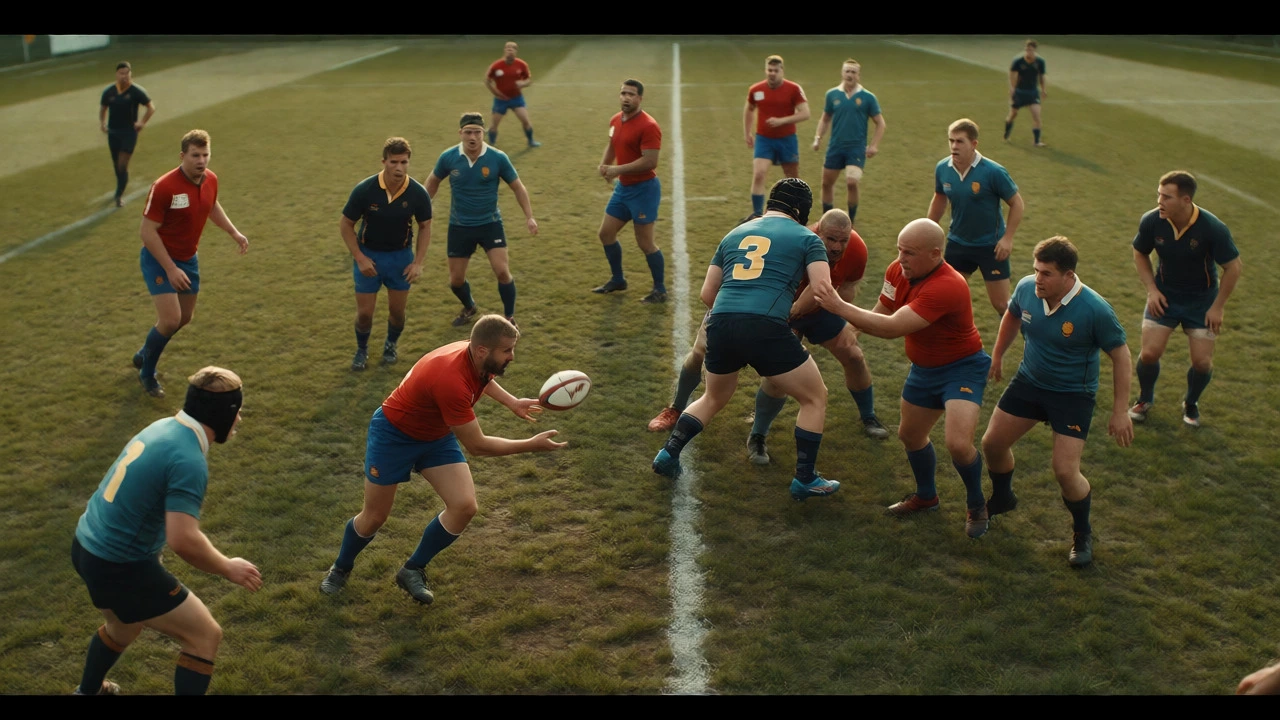
While effective, lifting carries significant risk. The most obvious danger is injury. If a lifter slips or loses balance, the jumper comes crashing down. Landing awkwardly can lead to ankle sprains, knee injuries, or worse. That’s why you’ll see strict rules against dangerous play, such as collapsing a maul intentionally without binding properly.
Another major pitfall is the penalty. Referees watch lineouts closely for illegal interference. If a defender pushes a lifter off balance or interferes with the jumper’s path, it’s a penalty. Worse yet, if the throwing team commits an infringement-like stepping on the touchline during the throw-they lose possession. This is why discipline is crucial. One moment of indiscipline can turn a guaranteed ball into a gift for the opposition.
Evolution of the Lineout Lift
This wasn’t always so standardized. In the amateur era, lineouts were messier affairs. Lifting was less regulated, and players used more rudimentary techniques. As professionalism took hold in the 1990s, sports science entered the chat. Teams began analyzing video footage frame-by-frame to optimize lift angles and throw trajectories. Coaches started recruiting specifically for lineout prowess, leading to specialized "lineout coaches" in professional setups.
Today, the lift is a precise art form. Some teams even use digital signals-hand gestures known as "calls"-to communicate which option they’re running. These codes change every few minutes to keep the defense guessing. It’s chess played with brawn.
Can any player be lifted in a rugby lineout?
Technically, yes, but practically, no. While laws don't restrict who can be lifted, teams almost exclusively lift forwards (locks and occasionally back-rowers) due to their size and strength. Lifting a small, fast back is risky because they lack the mass to withstand contact and the height advantage needed to compete in the air.
Is it legal to drop the jumper?
Dropping a player deliberately to stop play or prevent a try is generally penalized. If a team collapses a maul or lineout illegally, the referee awards a penalty. However, accidental drops due to slippery conditions or poor grip are usually played on, provided there was no foul play involved.
How high do rugby players get lifted?
A skilled pair of lifters can raise a jumper several feet off the ground. Combined with the jumper's own leap, the highest point of the catch can exceed eight feet. This height ensures that only elite athletes can contest the ball effectively, reducing the chance of random turnovers.
What happens if the ball is not thrown straight?
If the thrower fails to deliver the ball straight down the middle of the lineout, it results in a free kick or turnover, depending on the severity and whether the non-throwing team benefited from the error. Consistency in throwing is vital to avoid giving away easy possession.
Do women's rugby teams use lifts too?
Yes, absolutely. Women's rugby follows the same laws regarding lineouts. Lifts are used extensively in international women's competitions. The mechanics are identical, though the absolute heights reached may differ slightly due to physiological differences, but the tactical intent remains exactly the same.