
Why is Brazil so good in sports? A deep dive into Brazilian athletic dominance
Brazilian Sports Potential Calculator
Based on the article "Why is Brazil so good in sports?", this tool estimates an athlete's potential for success by weighing key factors like early unstructured play, economic motivation, and access to resources.
Estimated Success Profile
Score: 0%Key Strengths
Potential Challenges
You might think it’s just luck or genetics. But when you look at the sheer volume of medals Brazil has collected over the last few decades, something else is happening. From the beach volleyball courts of Copacabana to the futsal pitches in São Paulo, there is a distinct engine driving performance. It isn’t just about having talented individuals; it’s about a system that turns raw energy into world-class results.
So, why does this South American giant consistently punch above its weight on the global stage? Is it the climate? The culture? Or something more structural? Let’s break down the real reasons behind Brazilian sports excellence, moving beyond the clichés to find what actually works.
The Playground Effect: Unstructured Play as Training
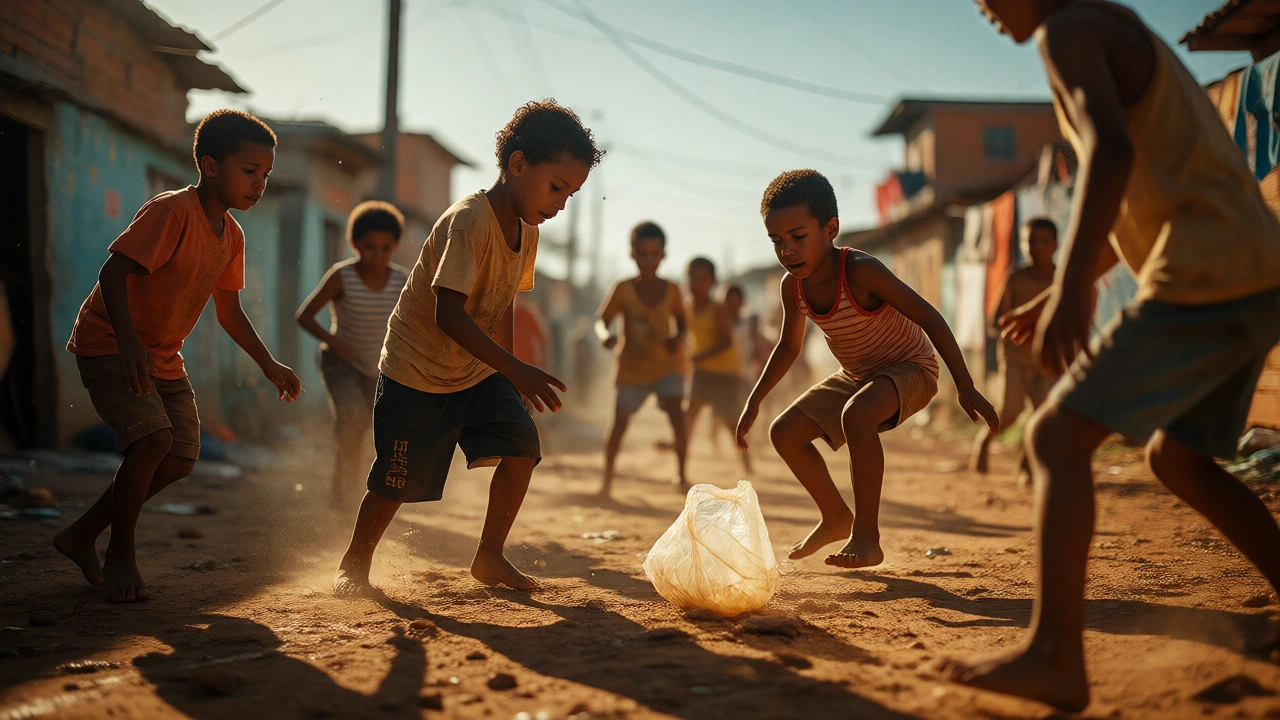
In many countries, childhood sports are highly organized. Kids join clubs, pay fees, and follow strict schedules. In Brazil, especially for lower-income families, sport often starts with zero structure. Think of the kid playing barefoot on uneven dirt, using a crumpled plastic bag as a ball, or balancing on rocks while surfing small waves. This lack of formal coaching early on forces athletes to develop incredible proprioception-their sense of body position and movement-long before they ever touch a professional gym.
This "playground effect" creates adaptability. When you play on sand, your muscles engage differently than on grass. When you navigate rocky terrain, your balance becomes instinctual. By the time these athletes enter formal training, their bodies already understand how to move efficiently in unpredictable environments. This is why Brazilian footballers have such low centers of gravity and exceptional agility, or why their surfers seem to read ocean currents better than anyone else.
Futsal is a prime example of this principle. It is a variant of association football played on a hard court, smaller than football, but similar to indoor soccer. Because the ball is heavier and bounces less, players must rely on quick footwork and tight control rather than long passes. Studies from the Brazilian Football Confederation suggest that nearly every major Brazilian football star, including Pelé and Ronaldinho, started with Futsal. The game demands rapid decision-making under pressure, skills that translate directly to the larger 11-a-side pitch.
Cultural Identity and Social Mobility
Sport in Brazil isn’t just a hobby; it’s a potential ticket out of poverty. For millions of young Brazilians, becoming an athlete represents one of the few realistic paths to financial stability. This high stakes environment creates a level of motivation and hunger that is hard to replicate in wealthier nations where sport is often seen as leisure.
The cultural narrative reinforces this. Football (soccer) is treated almost like a religion. The national team, known as A Seleção, carries the hopes of 200 million people. This pressure cooker environment builds mental resilience. Athletes learn to perform under scrutiny from a very young age. If you can handle the expectations of a neighborhood crowd watching a street match, the roar of a stadium feels manageable by comparison.
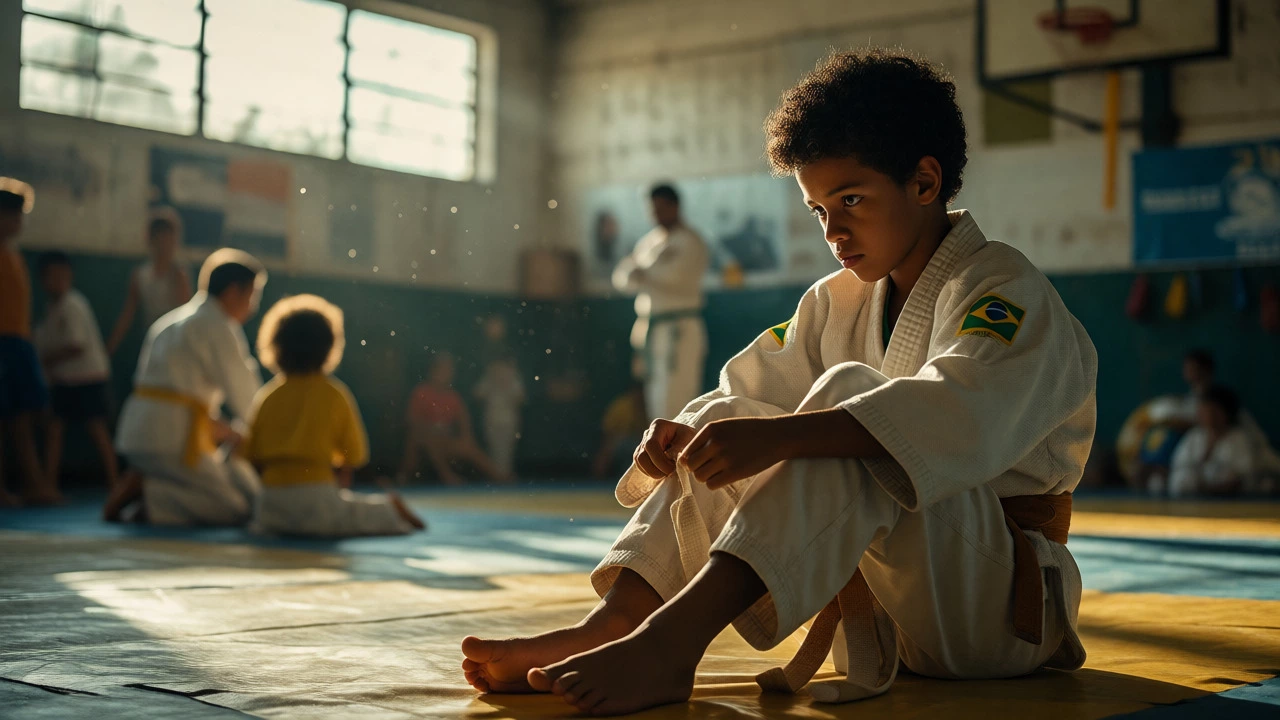
But it’s not just football. Look at judo or boxing. These sports offer clear metrics of success and social respect. Community dojos and gyms often serve as safe havens in areas plagued by violence. Coaches act as mentors, providing discipline and structure. This dual role of coach-as-teacher means athletes receive holistic development, learning life skills alongside technical techniques.
Government Investment and the Bolsa Atleta Program
While culture drives participation, money keeps elite athletes competing. Before the 2016 Rio Olympics, Brazil struggled to fund its top-tier competitors. Many had to work day jobs while training, limiting their recovery and focus. That changed with the expansion of the Bolsa Atleta (Athlete Scholarship) program.
This federal initiative provides direct financial support to athletes who meet specific performance criteria. It’s not charity; it’s an investment in return on investment. Athletes receive monthly stipends based on their ranking in national and international competitions. This allows them to train full-time, hire specialized coaches, and access medical care without worrying about rent or food.
| Country | Primary Funding Source | Focus Area | Impact on Grassroots |
|---|---|---|---|
| Brazil | Government Stipends (Bolsa Atleta) | Elite Performance & Medal Count | Moderate (focus on identified talent) |
| United States | University Scholarships & Private Clubs | Development Pipeline | High (school-based systems) |
| Kenya | Private Sponsors & Shoe Companies | Long-distance Running | Low (regional concentration) |
| China | State-run Sports Academies | Olympic Gold Medals | High (mandatory selection) |
The result? Since the program’s expansion, Brazil’s medal count has risen steadily. In the 2016 Rio Games, they won seven golds, their best-ever haul. While some critics argue this model neglects broad participation, it undeniably produces podium finishers. The strategy is targeted: identify potential winners early and remove financial barriers so they can win.
Geography and Climate Advantages
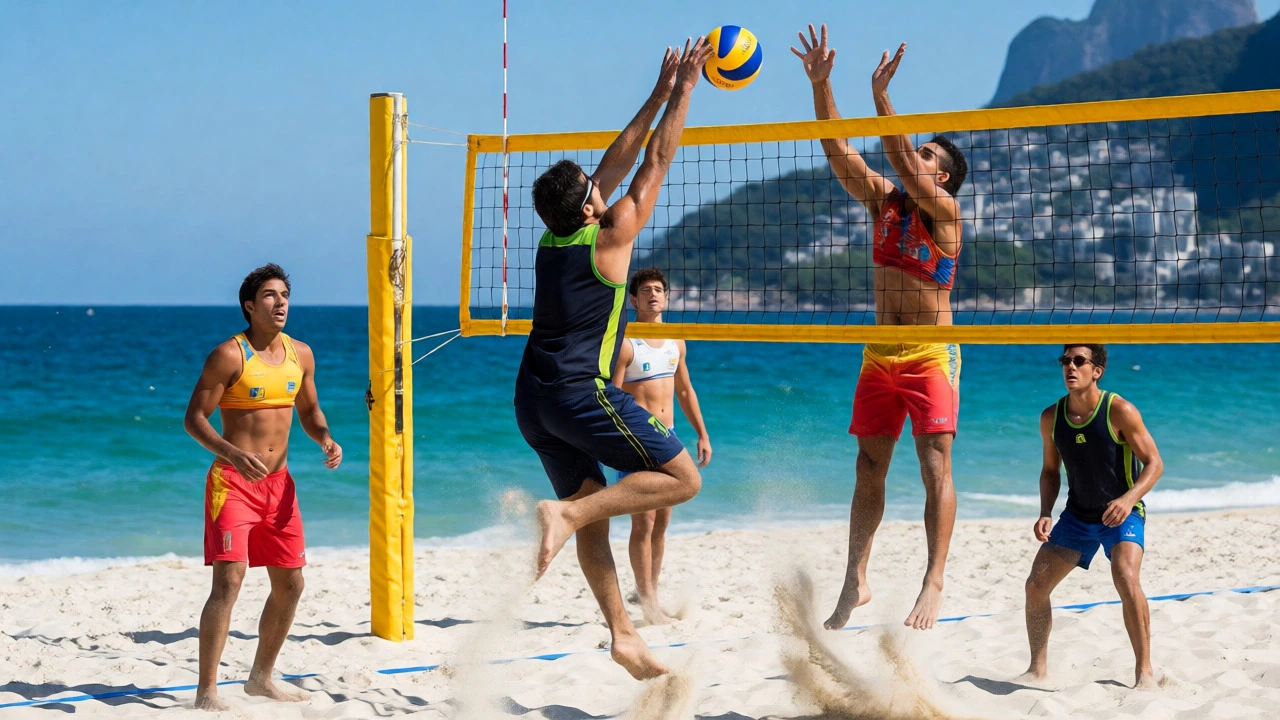
You cannot ignore the physical environment. Brazil is huge, with diverse climates ranging from tropical heat to temperate south. This variety allows for year-round training in various disciplines. Beaches provide natural arenas for volleyball, surfing, and fitness. The Amazon region offers unique conditions for endurance and navigation skills.
Warm weather also reduces injury rates related to cold muscles and icy surfaces. Athletes can train outdoors most of the year, building cardiovascular endurance naturally. Consider the success of Brazilian runners in shorter distances or their dominance in combat sports where flexibility is key. The warm climate supports joint health and mobility, crucial for sports like gymnastics and martial arts.
Moreover, the abundance of public spaces-beaches, parks, and community fields-means access to exercise is often free. You don’t need a gym membership to stay fit in Rio de Janeiro. This accessibility fosters a generally active population, increasing the pool of potential elite athletes.
Specialization and Technical Innovation
Brazil doesn’t try to be good at everything equally. They excel where their strengths align with global trends. Combat sports are a perfect case study. Brazilian Jiu-Jitsu (BJJ), developed by the Gracie family, revolutionized grappling worldwide. It wasn’t just a new style; it was a scientific approach to leverage and technique over brute strength.
This innovation mindset extends to other areas. In swimming, Brazilian swimmers often employ unique stroke variations optimized for their body types. In track and field, they’ve found niches in events like the triple jump and long jump, where explosive power and rhythm matter more than pure speed. By analyzing biomechanics and adapting techniques to local physiology, Brazilian coaches create competitive edges.
Coaching education in Brazil is also evolving. Former athletes often become coaches, passing down tacit knowledge that textbooks miss. This mentorship chain ensures that successful strategies are preserved and refined across generations. It’s a living library of tactical wisdom.
Challenges and Future Outlook
Despite these successes, the system isn’t flawless. Infrastructure outside major cities remains poor. Rural areas lack facilities, meaning talent there goes unnoticed. Economic instability affects funding consistency. And while elite programs thrive, youth participation rates in non-football sports lag behind European standards.
However, the foundation is strong. The combination of cultural passion, strategic government support, and environmental advantages creates a resilient ecosystem. As Brazil continues to host international events and invest in sports science, we can expect their dominance to persist, particularly in disciplines requiring creativity, agility, and mental toughness.
If you’re looking to understand why a nation of 200 million people consistently produces world champions, look no further than the intersection of necessity, culture, and opportunity. It’s not magic-it’s method.
What is the main reason Brazil dominates football?
The primary reason is the widespread practice of unstructured play, particularly Futsal, which develops superior ball control, agility, and decision-making skills from a young age. Combined with a cultural emphasis on football as a path to social mobility, this creates a massive talent pool with high motivation levels.
How does the Bolsa Atleta program help Brazilian athletes?
The Bolsa Atleta program provides monthly financial stipends to elite athletes based on their competitive results. This allows them to train full-time, cover equipment costs, and access medical support without needing external employment, significantly improving their performance and career longevity.
Is climate a factor in Brazilian sports success?
Yes, the predominantly warm climate allows for year-round outdoor training, reducing injuries associated with cold weather and facilitating natural cardiovascular development. Additionally, geographic features like beaches provide accessible venues for sports like volleyball and surfing.
Which sports does Brazil excel in besides football?
Brazil is globally dominant in volleyball (both indoor and beach), judo, mixed martial arts (MMA), and swimming. They also perform strongly in basketball and motorsports, leveraging technical skill and adaptability.
Does poverty drive sports achievement in Brazil?
For many, yes. Sport is viewed as a viable route out of economic hardship, fostering intense dedication and resilience. However, middle-class families also participate heavily, ensuring a diverse range of backgrounds among elite athletes.