
Why is sports gear important? Performance, Safety & Value
Sports Gear Value Calculator
Compare the long-term financial impact of buying cheap generic gear versus high-quality specialized equipment based on durability and usage.
You might think that buying a pair of running shoes from the supermarket shelf or grabbing a generic tennis racket is just about saving a few quid. But here’s the thing: using the wrong kit isn’t just annoying; it’s dangerous. I’ve seen too many friends sidelined with preventable injuries because they ignored the basics of sports gear and its role in their health. When you step onto a court, pitch, or track, your equipment acts as an extension of your body. It dictates how you move, how fast you go, and whether you walk away sore or injured.
| Feature | Generic Gear | Specialized Sports Gear |
|---|---|---|
| Injury Risk | High (lack of support/protection) | Low (designed for specific biomechanics) |
| Performance | Average (standard materials) | Optimized (lightweight, aerodynamic, responsive) |
| Durability | Low (breaks under stress) | High (tested for high-impact use) |
| Comfort | Poor (chafing, poor fit) | Excellent (moisture-wicking, ergonomic) |
The Shield Against Injury
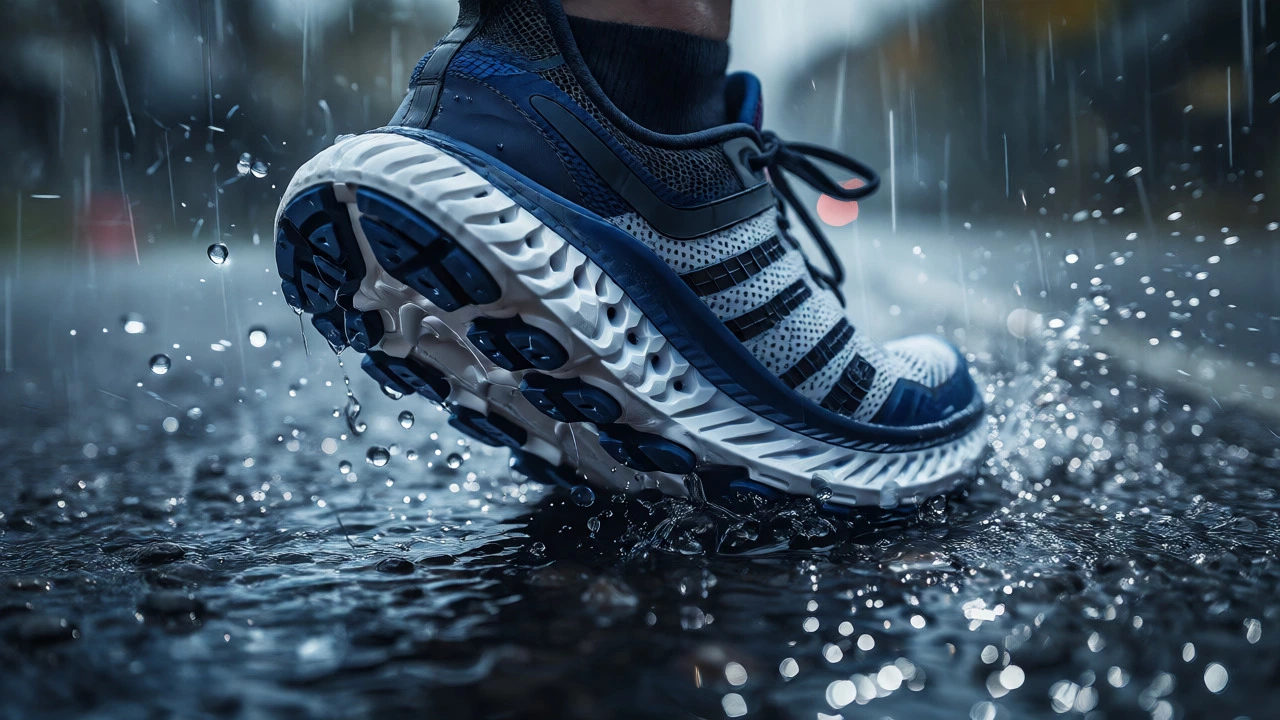
Let’s be real: no one wants to spend six weeks on crutches because they skipped the proper helmet or wore flat-soled trainers for a marathon. Injury prevention is arguably the single most critical function of quality sports gear. Think about rugby players. They don’t wear scrum caps just to look tough; those pads absorb impact forces that would otherwise rattle your brain inside your skull. The same logic applies to runners wearing shoes with adequate cushioning. Without that shock absorption, every foot strike sends a jolt up through your knees and hips. Over time, that repetitive stress turns into shin splints or plantar fasciitis.
It’s not just about padding, though. Support structures matter immensely. A basketball player jumping for a rebound needs ankle support to prevent rolls. A weightlifter needs a belt to stabilize their core during heavy squats. These aren’t marketing gimmicks; they are engineering solutions to physical problems. When you ignore them, you’re gambling with your longevity in the sport. You might get away with it when you’re twenty, but at thirty-five, your joints will demand payment.
Unlocking Peak Performance
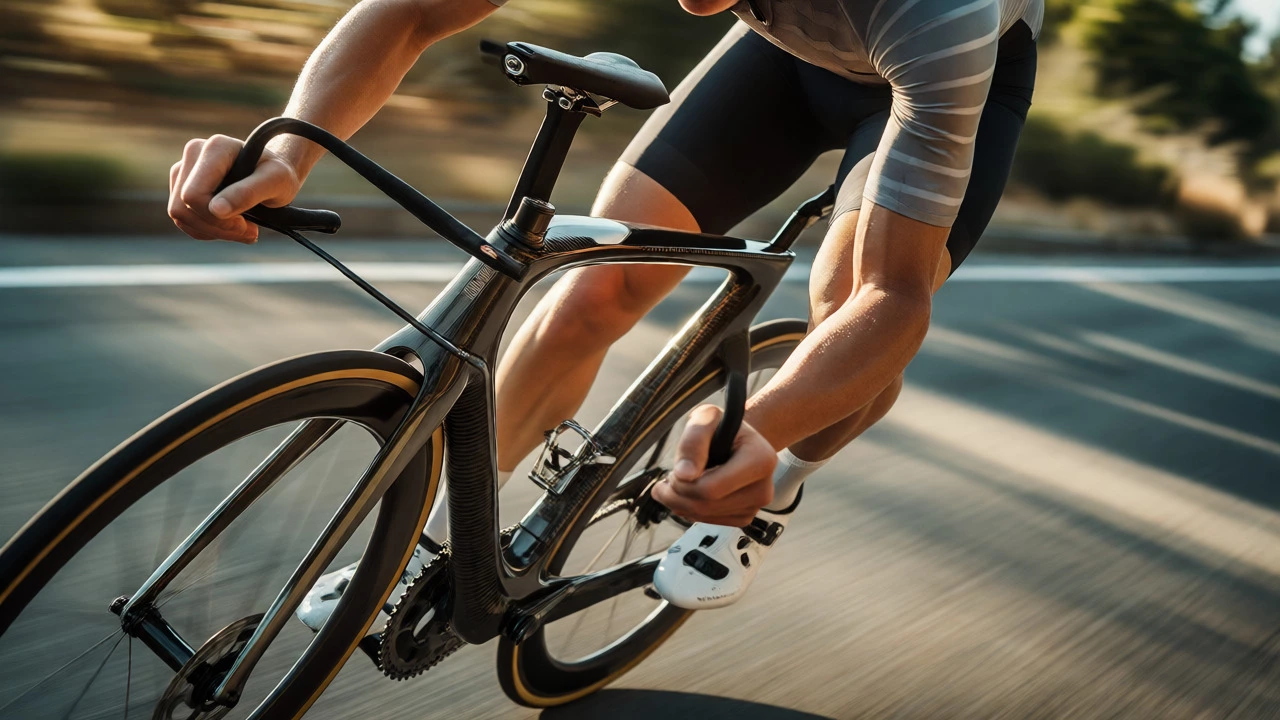
If safety is the shield, then performance is the sword. Good gear removes friction-both literal and metaphorical. Consider a cyclist. Riding a heavy steel bike with poor gearing means you’re working harder than necessary to maintain speed. Switch to a carbon fiber frame with precise electronic shifting, and suddenly, you’re faster with less effort. This isn’t magic; it’s physics. Lighter materials mean less energy expenditure per kilometer. Aerodynamic designs cut through wind resistance more efficiently.
For team sports, the right equipment enhances control and precision. A footballer playing with boots that have the wrong stud configuration for wet grass will slip when trying to turn quickly. That loss of traction costs seconds, and in football, seconds cost goals. Similarly, a tennis player using a racket with the wrong string tension loses power and accuracy. The ball doesn’t sit on the strings long enough to generate spin, or it flies off uncontrollably. Specialized gear allows athletes to execute techniques exactly as intended, bridging the gap between skill and outcome.
Psychological Confidence
You’d be surprised how much what you wear affects how you play. There’s a reason why professional athletes obsess over their kit. It’s called "enclothed cognition." When you feel protected and equipped, you play bolder. A boxer wearing well-fitted gloves feels safer throwing combinations. A goalkeeper with grippy gloves trusts themselves to catch high balls rather than parrying them away.
This confidence translates directly into decision-making speed. If you’re worried about your shoe slipping or your glasses fogging up, your brain is processing two streams of information: the game and your discomfort. Quality gear eliminates the second stream, freeing up mental bandwidth for strategy and reaction. It’s subtle, but in competitive environments, that split-second advantage is often the difference between winning and losing.
Long-Term Cost Efficiency
Cheap gear often ends up costing more in the long run. I know, it sounds counterintuitive. Why pay £150 for running shoes when you can get them for £40? Because the £40 pair might lose its structural integrity after 300 miles, while the £150 pair lasts 800. More importantly, if that cheap pair causes a knee injury, you’re paying for physiotherapy, missed work, and potentially months of lost training.
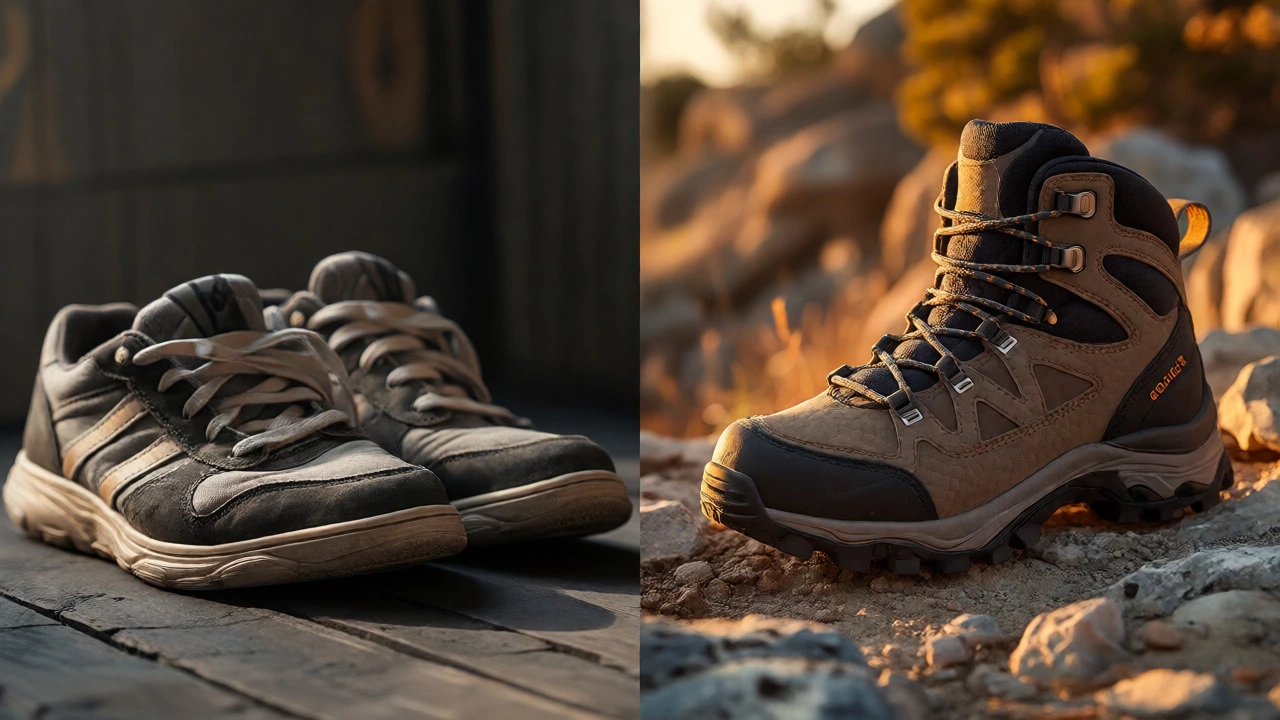
Consider the durability of materials. High-end hiking boots use waterproof membranes like Gore-Tex that withstand thousands of steps without delaminating. Cheaper alternatives often peel after a few wet weekends. By investing in gear designed for specific stresses, you reduce replacement frequency. Plus, resale value exists. A well-maintained set of golf clubs or a premium bicycle holds significant value compared to generic brands that depreciate instantly.
Choosing the Right Gear for Your Needs
So, how do you navigate the overwhelming market? Start by identifying your primary activity and intensity level. Are you a casual jogger three times a week, or are you training for a sub-three-hour marathon? The former might get by with mid-range stability shoes. The latter needs specialized racing flats with aggressive propulsion plates.
- Fit is King: No amount of technology saves bad fit. Try things on later in the day when feet are swollen, mimicking exercise conditions.
- Activity Specificity: Don’t use cross-trainers for long-distance running. Cross-trainers lack the heel-to-toe drop needed for efficient running mechanics.
- Climate Considerations: In the UK, we deal with rain and cold. Moisture-wicking base layers are non-negotiable to prevent hypothermia and chafing.
Don’t fall for the trap of buying the most expensive item thinking it’s automatically the best. The "best" gear is the one that matches your biomechanics and goals. A stiff board is great for an advanced snowboarder but a nightmare for a beginner who needs forgiveness and flexibility.
Maintenance Matters
Owning good gear is only half the battle; maintaining it is the other half. Tennis strings lose tension within weeks, even if unused. Running foam compresses permanently over time. If you never replace your gear, you’re effectively playing with degraded protection. Set reminders. Check tread depth on shoes. Inspect helmets for cracks after impacts. Treat your equipment with respect, and it will return the favor by keeping you safe and performing well.
Do expensive sports shoes really make a difference?
Yes, particularly regarding durability and specialized support features. While basic fitness can be done in cheaper shoes, high-impact activities benefit significantly from the advanced cushioning technologies and durable outsoles found in premium models, which can prevent long-term joint issues.
How often should I replace my sports gear?
It depends on usage. Running shoes typically last 300-500 miles. Helmets should be replaced after any significant impact or every five years due to material degradation. Clothing should be replaced when it loses elasticity or moisture-wicking properties.
Is protective gear mandatory for all sports?
Not always legally, but strongly recommended. Contact sports like rugby and American football mandate headgear and padding. Non-contact sports like cycling and skiing highly recommend helmets and wrist guards to mitigate accident risks.
Can wrong gear cause chronic pain?
Absolutely. Poorly fitted shoes can lead to plantar fasciitis, shin splints, and knee pain. Incorrect racket size can cause tennis elbow. Chronic misuse of ill-fitting equipment alters natural movement patterns, leading to persistent musculoskeletal issues.
Does brand name matter in sports gear?
Brand reputation often correlates with research and development budgets, meaning better testing and innovation. However, fit and specific feature relevance to your sport matter more than the logo. Always prioritize technical specifications over branding.