
Can I Go From Fat to Ripped in 2 Months? The Realistic Truth
2-Month Transformation Calculator
Note: These calculations assume a sustainable caloric deficit and resistance training. Results vary based on genetics, adherence, and starting point.
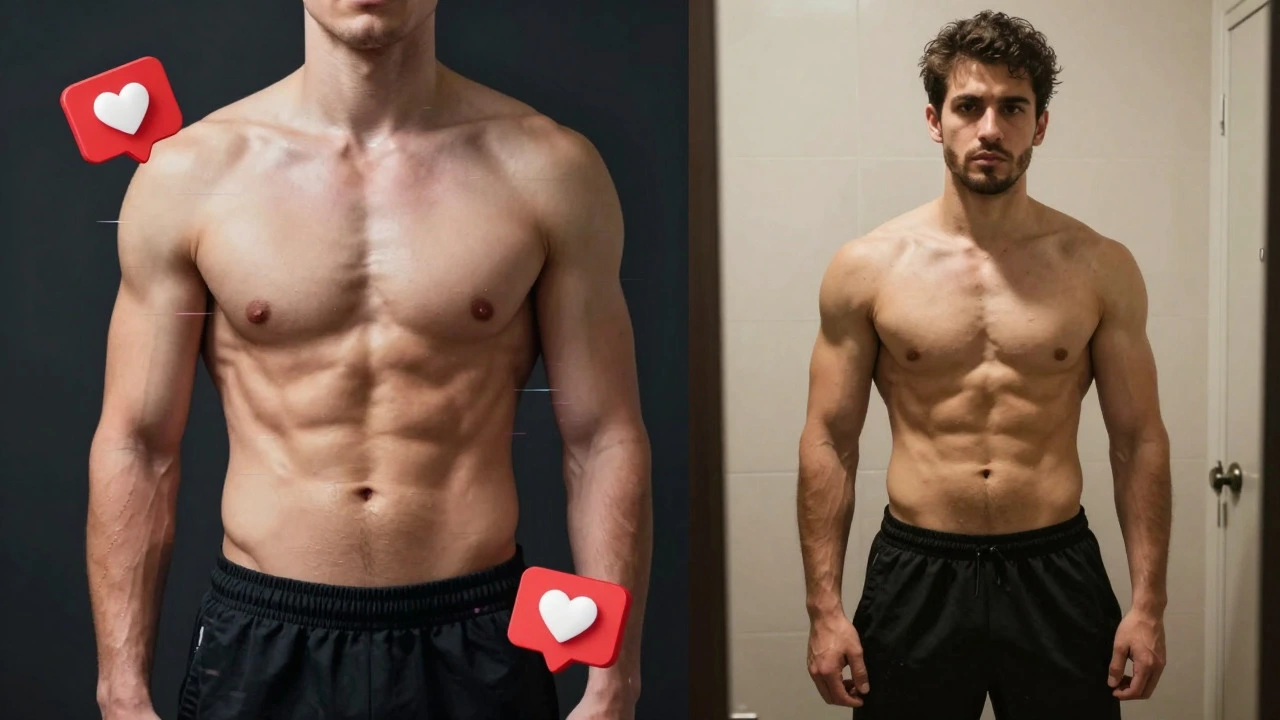
Let’s cut through the noise. You’ve seen the before-and-after photos on social media. Two months ago, they were carrying extra weight; now, their abs are visible, and their arms look like they belong in a comic book. It looks incredible. But when you look at your own reflection, wondering if you can achieve that same drastic change in just eight weeks, the reality hits hard. Is it possible? Can you truly go from "fat" to "ripped" in two months?
The short answer is: mostly no, but with a significant caveat. If you define "ripped" as having six-pack abs and low body fat percentage (under 10-12% for men, 16-19% for women), going from a higher body fat percentage to that level in 60 days is biologically improbable for most people without extreme, unhealthy measures. However, you *can* make dramatic, visible changes. You can lose a substantial amount of fat, build some muscle, and feel significantly stronger and healthier. Let’s break down what is actually achievable, how to maximize those 60 days, and why chasing perfection might ruin your progress.
Understanding Body Composition Changes
To set realistic expectations, we need to understand how bodies change. Fat Loss is the process of reducing adipose tissue stores in the body. This happens when you consume fewer calories than you burn, creating a caloric deficit. Simultaneously, Muscle Hypertrophy is the growth of muscle fibers in response to resistance training. Building noticeable new muscle takes time-often months or years of consistent effort.
In a two-month window, your primary driver of visual change will be fat loss, not muscle gain. When you strip away layers of subcutaneous fat, the muscles you already have become more defined. This creates the illusion of becoming "ripped" faster than you actually are. For beginners, there is a phenomenon called "newbie gains," where the body responds rapidly to new stimuli. You might see strength improvements and slight muscle fullness, but the real magic in 8 weeks comes from revealing what’s underneath by shedding fat.
| Goal | Feasibility in 2 Months | Expected Outcome |
|---|---|---|
| Significant Fat Loss | High | 4-12 lbs of pure fat loss depending on starting point |
| Visible Abs | Low to Moderate | Possible only if starting body fat is relatively low (e.g., 15-18% for men) |
| Muscle Growth | Low | Minimal size increase; better tone and definition due to fat loss |
| Strength Gains | Very High | Noticeable improvement in lifting capacity and endurance |
| Clothing Fit | High | Pants may fit looser; shirts may hang differently |
The Caloric Deficit: Your Primary Tool
If you want to change your body composition quickly, diet is 70-80% of the battle. You cannot out-train a bad diet. To lose fat effectively in two months, you need a sustainable caloric deficit. This means eating slightly less energy than your body expends daily.
First, calculate your Total Daily Energy Expenditure (TDEE). This is the number of calories you burn in a day through basic bodily functions plus activity. There are many online calculators for this. Once you have that number, subtract 300-500 calories. This moderate deficit allows for steady fat loss without crashing your metabolism or leaving you starving and unmotivated. A larger deficit might seem appealing for speed, but it often leads to muscle loss, fatigue, and binge eating later.
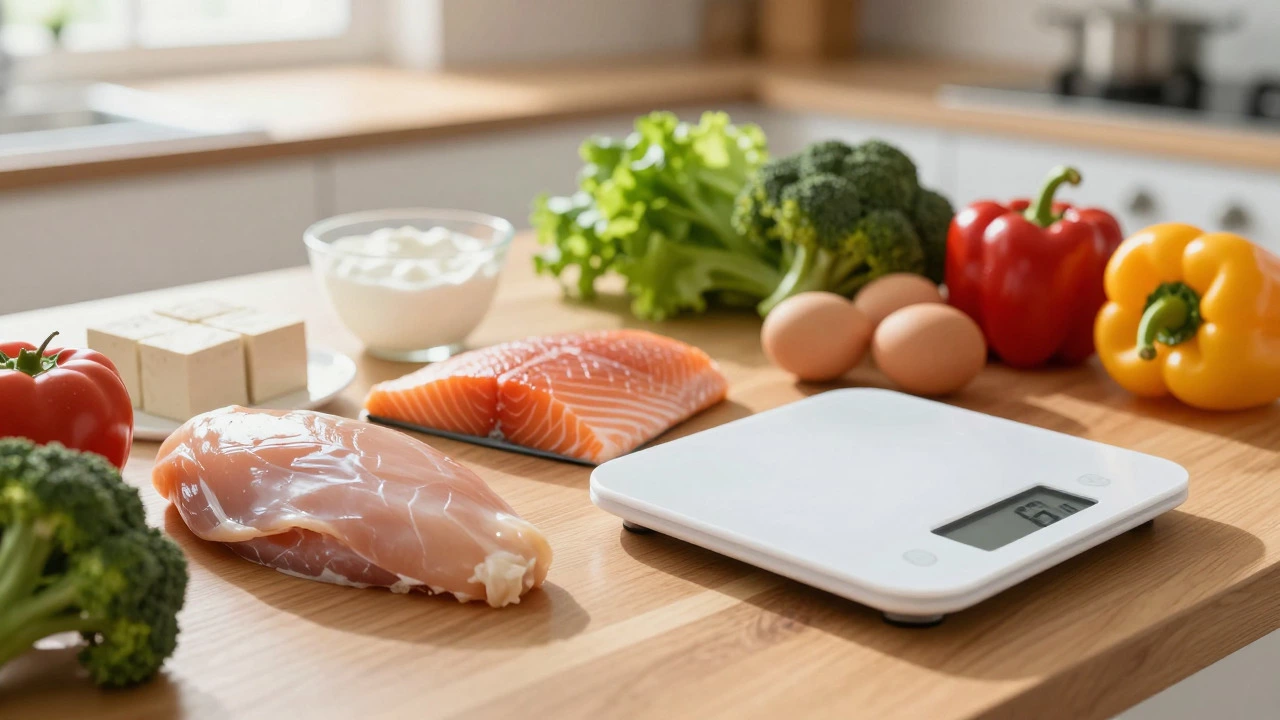
Protein intake becomes critical here. Aim for 0.7 to 1 gram of protein per pound of body weight. Protein helps preserve lean muscle mass while you’re in a calorie deficit. It also keeps you feeling full longer. Include sources like chicken breast, fish, eggs, Greek yogurt, tofu, and legumes in every meal. Without adequate protein, much of the weight you lose could come from muscle, which lowers your metabolic rate and makes you look "skinny-fat" rather than toned.
Training Strategy: Strength Over Cardio
While cardio burns calories during the session, strength training builds the engine that burns calories all day long. In an 8-week sprint, prioritize compound movements. These are exercises that work multiple muscle groups simultaneously, such as squats, deadlifts, bench presses, overhead presses, and pull-ups. They trigger a greater hormonal response and engage more muscle fibers than isolation exercises like bicep curls.
Aim for three to four strength sessions per week. Keep rest periods between sets to 60-90 seconds to maintain intensity. You don’t need to lift extremely heavy weights to start, but you should aim for progressive overload-gradually increasing the weight, reps, or sets over time. This signals to your body that it needs to adapt and retain muscle.
Don’t ignore cardiovascular exercise entirely. Incorporate 2-3 sessions of moderate-intensity cardio, such as brisk walking, cycling, or swimming, for 20-30 minutes. This aids in recovery and adds to your daily calorie expenditure without adding excessive stress to your central nervous system. High-Intensity Interval Training (HIIT) can be effective but should be used sparingly (once a week max) to avoid burnout or injury during this intense period.
Lifestyle Factors: Sleep and Stress Management
You might eat perfectly and train hard, but if you sleep five hours a night, your results will stall. Sleep is when your body repairs muscle tissue and regulates hormones like cortisol and ghrelin. High cortisol levels from poor sleep or chronic stress can promote fat storage, particularly around the abdomen. Ghrelin is the hunger hormone; when you’re sleep-deprived, ghrelin spikes, making you crave high-calorie, sugary foods.
Aim for 7-9 hours of quality sleep per night. Create a bedtime routine: dim the lights, avoid screens an hour before bed, and keep your room cool. Hydration is another overlooked factor. Sometimes thirst mimics hunger. Drink at least 2-3 liters of water daily. It supports metabolic processes and helps reduce bloating, making your midsection appear flatter sooner.
Nutrition Pitfalls to Avoid
In the rush to transform, people often fall into common traps. One major mistake is cutting out entire food groups unnecessarily. Unless you have a medical reason, you don’t need to eliminate carbs or fats completely. Carbohydrates fuel your workouts, and healthy fats support hormone production. Focus on whole, unprocessed foods: vegetables, fruits, lean meats, whole grains, nuts, and seeds. These foods are nutrient-dense and naturally lower in calories compared to processed alternatives.
Another pitfall is relying on liquid calories. Sodas, juices, fancy coffee drinks, and alcohol can add hundreds of empty calories without making you feel full. Swap these for water, black coffee, or unsweetened tea. Alcohol, in particular, pauses fat burning because the body prioritizes metabolizing the ethanol. Limiting alcohol consumption will accelerate your progress significantly.

Tracking Progress Beyond the Scale
The scale can be misleading. Muscle is denser than fat, so you might weigh the same but look completely different. Don’t obsess over daily weight fluctuations. Instead, use multiple metrics:
- Progress Photos: Take front, side, and back photos in the same lighting and clothing every two weeks. Visual changes are often more apparent in photos than in the mirror.
- Body Measurements: Use a tape measure to track your waist, hips, chest, arms, and thighs. A shrinking waistline is a strong indicator of fat loss.
- Strength Metrics: Are you lifting heavier weights or doing more reps than you did two weeks ago? Improved performance suggests muscle retention or growth.
- Clothing Fit: How do your jeans feel? If they’re looser around the waist, you’re losing fat.
Sustainability After the 60 Days
The biggest risk with a 2-month crash plan is reverting to old habits once the goal date passes. To ensure lasting change, view these 60 days as a trial run for a new lifestyle. Experiment with meal prep strategies, find workouts you enjoy, and identify stress management techniques that work for you. If you treat this as a temporary punishment, you’ll likely regain the weight. If you treat it as learning how to live better, the changes stick.
Remember, everyone’s starting point is different. Someone who is overweight will see faster initial changes than someone who is already lean. Genetics play a role in where you store and lose fat first. Be patient with yourself. Celebrate non-scale victories like having more energy, sleeping better, and feeling stronger. These are signs that your health is improving, regardless of whether you’ve achieved magazine-cover abs in 60 days.
How much weight can I realistically lose in 2 months?
A safe and sustainable rate of weight loss is 1-2 pounds per week. Over 8 weeks, this translates to 8-16 pounds. However, not all of this will be fat. Some will be water weight, especially in the first week. For most people, losing 4-12 pounds of actual body fat is a realistic and impressive goal for a two-month period.
Do I need to count calories to get ripped?
Counting calories is the most accurate way to ensure you’re in a deficit, but it’s not strictly necessary if you’re mindful of portion sizes and food quality. Tracking apps can help beginners understand serving sizes. Alternatively, using hand portions (a palm of protein, a fist of veggies, a cupped hand of carbs, a thumb of fat) per meal can be an effective non-tracking method.
Can I build muscle and lose fat at the same time?
Yes, this is known as body recomposition. It is most common in beginners, those returning to fitness after a break, or individuals with higher body fat percentages. By eating at a slight caloric deficit with high protein and engaging in progressive strength training, you can shed fat while building small amounts of new muscle tissue.
Is cardio more important than weights for getting ripped?
No. Weights are more important for shaping your body. Cardio burns calories during the activity, but strength training increases your resting metabolic rate by building muscle. Muscle tissue burns more calories at rest than fat tissue. Prioritize strength training 3-4 times a week and use cardio as a supplementary tool for health and additional calorie burn.
What if I plateau after the first month?
Plateaus are normal. Your body adapts to your routine. If progress stalls, reassess your calorie intake-you may need to reduce it slightly or increase activity levels. Change up your workout routine by altering exercises, rep ranges, or intensity. Ensure you’re getting enough sleep and managing stress, as these factors heavily influence hormonal balance and fat loss.