
How Big Is the Sports Equipment Industry? Market Size, Growth, and Trends in 2026

Sports Industry Market Breakdown Tool
Market Parameters
Segment Distribution
Brand Market Share
Future Projection
You’ve probably noticed that gyms are packed, marathon sign-ups are hitting record highs, and even your casual weekend walk seems to require a specific pair of shoes. But have you ever stopped to wonder just how much money is actually moving behind this movement? The answer is staggering. The sports equipment industry is a massive global sector encompassing the manufacturing and sale of athletic gear, apparel, and accessories. As of 2026, it’s not just a niche hobby market anymore; it’s a multi-hundred-billion-dollar economic engine.
If you’re trying to understand where the money goes, who makes it, and why your running shoes cost what they do, you need to look beyond the price tag. This article breaks down the real numbers, the shifting consumer habits, and the tech driving the boom.
The Global Market Snapshot: How Much Money Are We Talking About?
Let’s get straight to the numbers. In 2025, the global sports equipment and apparel market was valued at approximately $180 billion USD. By 2026, analysts project this figure to climb closer to $195 billion, with a steady compound annual growth rate (CAGR) of around 4-5% expected through 2030. That means every single day, roughly half a billion dollars changes hands for things like yoga mats, golf clubs, basketballs, and performance fabrics.
But "sports equipment" is a broad bucket. To make sense of it, we have to split it into three main pillars:
- Sportswear/Apparel: This is the heavyweight champion, accounting for nearly 60% of total revenue. Think jerseys, leggings, running shoes, and compression gear.
- Equipment & Accessories: This includes balls, rackets, weights, helmets, and specialized tools. It holds about 30% of the market.
- Fitness Equipment: Home gyms, treadmills, and smart mirrors make up the remaining 10%, though this segment has seen volatile spikes due to lifestyle shifts.
The dominance of apparel isn’t surprising. People wear their workout clothes all day now. The line between "gym gear" and "streetwear" has blurred completely, turning Nike Air Jordans or Lululemon leggings into daily essentials rather than just sports-specific items.
Who Controls the Court? The Major Players
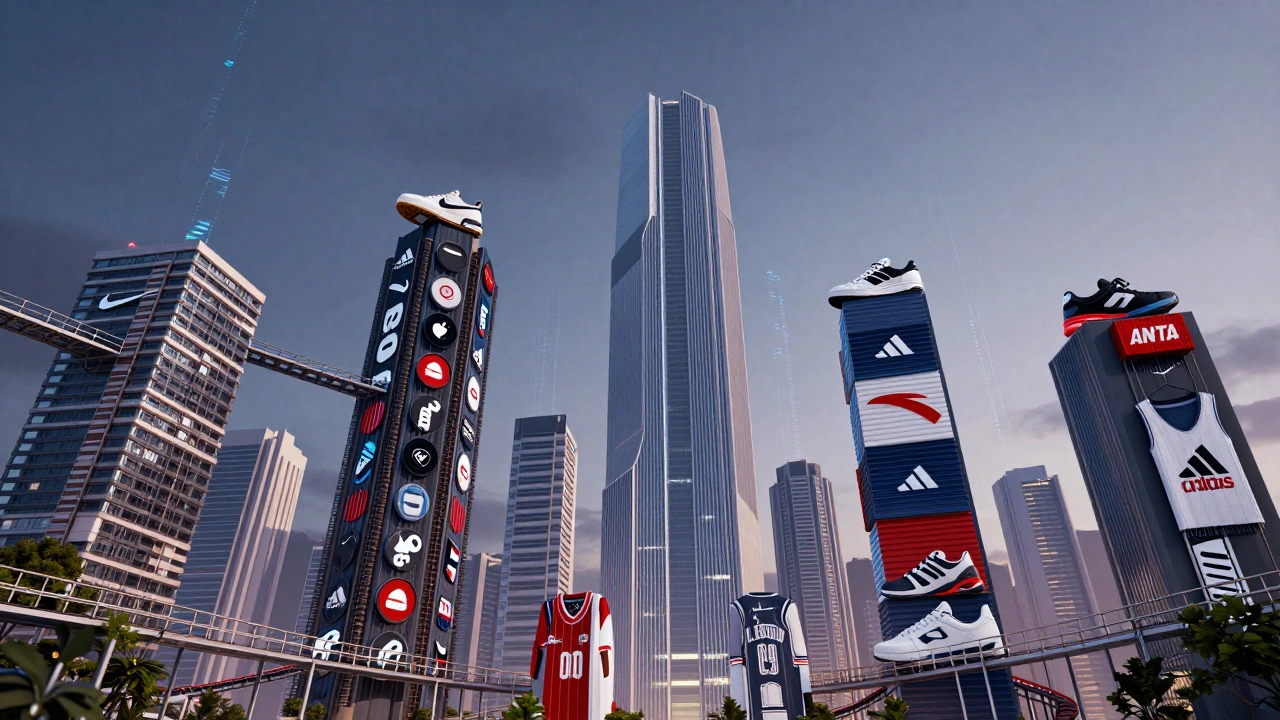
The industry is an oligopoly, meaning a few giant companies control most of the action. If you want to know who really runs the show, look at the top five:
- Nike Inc.: Still the undisputed king with a market share hovering around 25%. Their dominance in footwear and marketing keeps them ahead.
- Adidas AG: The perennial runner-up, holding about 15% of the global market, strong in soccer and lifestyle sneakers.
- Anta Sports: A Chinese powerhouse that has surged past many Western brands, owning Fila and Amer Sports (which includes Arc’teryx and Salomon).
- Puma SE: Holding roughly 5-6%, focusing heavily on motorsports and basketball partnerships.
- Under Armour / Lululemon: These two fight for the premium performance and wellness niches, each capturing around 3-4% but with much higher profit margins per unit.
What’s interesting here is the shift toward consolidation. Anta’s acquisition of Amer Sports is a prime example. Instead of building new factories, big players are buying established heritage brands to capture different customer segments. This vertical integration allows them to control everything from the raw cotton farm to the final retail app.
| Brand | Primary Focus | Est. Market Share | Key Strength |
|---|---|---|---|
| Nike | Footwear & Apparel | ~25% | Brand loyalty & Innovation |
| Adidas | Footwear & Soccer | ~15% | Global partnerships & Sustainability |
| Anta Group | Multi-brand Portfolio | ~12% | Asian market dominance |
| Puma | Lifestyle & Motorsport | ~5% | Designer collaborations |
| Lululemon | Yoga & Wellness | ~3% | High-margin direct-to-consumer |
Regional Breakdown: Where Is the Growth Coming From?
It’s easy to assume the US leads everything, but the map is changing. North America remains the largest single market, consuming about 35% of global sports goods. However, the fastest growth is happening in Asia-Pacific.
China and India are driving this surge. With rising middle classes, increased government investment in public health initiatives, and a cultural shift toward fitness, these regions are seeing double-digit growth rates. In China alone, the domestic sports brand market is expanding faster than international ones because local companies understand the digital shopping habits of younger consumers better.
Europe sits in the middle, stable but slower-growing. Here, sustainability regulations and circular economy laws are forcing manufacturers to rethink materials. You’ll see more recycled polyester and less virgin plastic in European stores compared to other regions.
The Tech Revolution: Smart Gear and Data
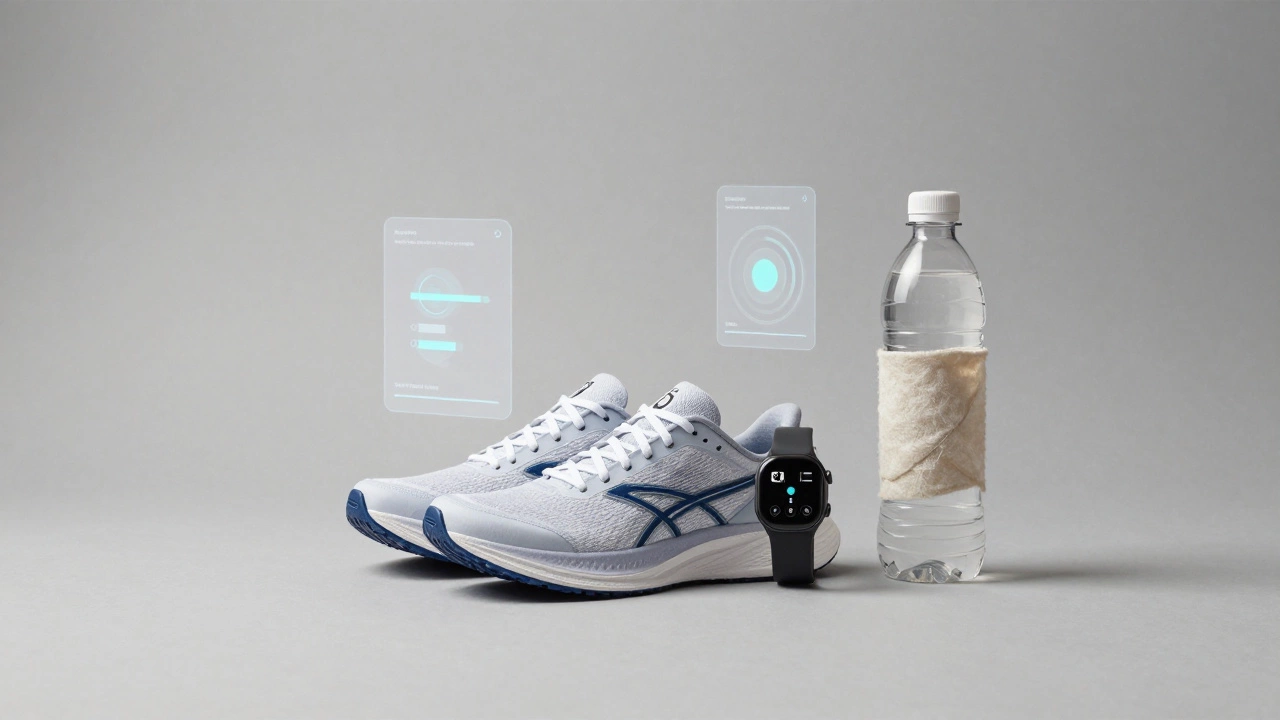
Remember when a tennis racket was just wood and string? Today, the biggest trend in the equipment side of the industry is digitization. "Smart" sports equipment is no longer a gimmick; it’s a major revenue stream.
We’re talking about:
- Wearable Sensors: Shoes with pressure sensors that analyze your gait.
- Connected Balls: Golf balls and baseballs with embedded chips that track spin rate and trajectory via smartphone apps.
- AI Coaching Mirrors: Home fitness equipment that uses computer vision to correct your form in real-time.
This shift transforms sports equipment from a one-time purchase into a subscription-based service. When you buy a smart scale or a connected bike, you’re often signing up for monthly data analytics. This recurring revenue model is highly attractive to investors and explains why traditional hardware makers are partnering with software companies.
Sustainability: The New Performance Metric
In 2026, you can’t talk about the size of the industry without talking about its footprint. Consumers, especially Gen Z and Millennials, are voting with their wallets. They demand transparency.
Major brands are under immense pressure to reduce carbon emissions. Adidas, for instance, aims to use only recycled polyester by 2025 (a goal largely met, now pushing for next-gen bio-materials). Nike is investing heavily in reverse logistics-programs where you return old shoes to be broken down and remade into new ones.
This isn’t just PR. It’s becoming a regulatory requirement in the EU and parts of the US. The cost of sustainable materials is currently 10-20% higher than conventional ones, which squeezes margins. However, brands that ignore this risk being left out of major retail contracts and facing hefty fines.
Challenges Facing the Industry in 2026
Despite the growth, the road isn’t smooth. The industry faces three critical headwinds:
- Supply Chain Volatility: Geopolitical tensions and shipping costs continue to disrupt production. Many brands are moving manufacturing from Southeast Asia to Mexico or Eastern Europe to shorten delivery times, but this increases labor costs.
- Economic Inflation: As living costs rise, discretionary spending on $200 running shoes takes a hit. We’re seeing a "trade-down" effect where consumers buy fewer premium items and more budget-friendly alternatives.
- Oversaturation: The market is crowded. With thousands of DTC (Direct-to-Consumer) startups launching every month, standing out requires massive marketing spend, eating into profits.
Future Outlook: What’s Next?
So, where does this leave us? The sports equipment industry is far from peaking. As aging populations in developed countries seek active lifestyles, and younger generations in developing nations gain disposable income, the demand will persist.
Expect to see more hyper-personalization. 3D-printed insoles tailored to your exact foot shape will become standard. Expect more rental models for expensive gear like skis or golf sets, promoting a sharing economy. And expect the boundary between gaming and sports to blur further, with VR headsets becoming legitimate "sports equipment" for training and competition.
The industry is big, yes. But it’s also becoming smarter, greener, and more personal. Whether you’re a casual jogger or a pro athlete, the gear you use is part of a complex, dynamic global ecosystem that’s worth keeping an eye on.
What is the projected size of the sports equipment market by 2030?
Most analysts project the global sports equipment and apparel market to reach between $250 billion and $270 billion by 2030, driven by a consistent CAGR of 4-5%. This growth is fueled by increasing health awareness, technological integration in gear, and expansion in emerging markets like India and Southeast Asia.
Which segment of the sports industry generates the most revenue?
Sportswear and apparel generate the most revenue, accounting for approximately 60% of the total market value. Footwear alone makes up a significant portion of this. Actual sports equipment (like balls, bats, and machines) accounts for about 30%, while home fitness equipment makes up the remaining 10%.
Is the sports equipment industry growing or shrinking?
The industry is steadily growing. While there are short-term fluctuations due to economic inflation or supply chain issues, the long-term trend is upward. The post-pandemic focus on health and wellness has permanently shifted consumer behavior, leading to sustained demand for athletic gear.
Who are the biggest competitors in the sports equipment market?
Nike and Adidas are the two dominant global players, controlling nearly 40% of the market combined. However, Chinese conglomerate Anta Sports has risen rapidly, challenging Western dominance through acquisitions and strong local market presence. Other key players include Puma, Under Armour, and Lululemon.
How is technology changing the sports equipment industry?
Technology is transforming static equipment into connected devices. Smart sensors in shoes, AI-driven fitness mirrors, and data-tracking balls allow users to monitor performance metrics. This shift creates new revenue streams through software subscriptions and enhances product value through personalized data insights.
What role does sustainability play in modern sports manufacturing?
Sustainability is a critical factor in 2026. Brands are increasingly using recycled materials, reducing water usage, and implementing take-back programs. Regulatory pressures in Europe and changing consumer preferences force companies to adopt eco-friendly practices, although this often comes with higher production costs.