
Is It Okay to Wear Running Shoes Every Day? A Practical Guide
Running Shoe Daily Wear Calculator
Enter your details to see if your current shoe rotation is costing you more than it saves.
Your Usage Profile
Fill in your data to calculate shoe longevity and cost efficiency.
You bought a pair of high-end running shoes with max cushioning and breathable mesh. They feel like clouds under your feet. So, why not wear them to the office, the pub, and while walking the dog? You might think you are getting more bang for your buck by wearing them exclusively. But here is the catch: running shoes are engineered specifically for forward motion and impact absorption during exercise, not necessarily for static standing or lateral movement. Wearing them every single day can actually shorten their lifespan and, in some cases, change how your feet function over time.
Let’s break down what happens when you turn athletic gear into daily casual wear. Is it harmful? Is it wasteful? Or is it totally fine if you know the rules?
The Engineering Behind Daily Wear vs. Athletic Use
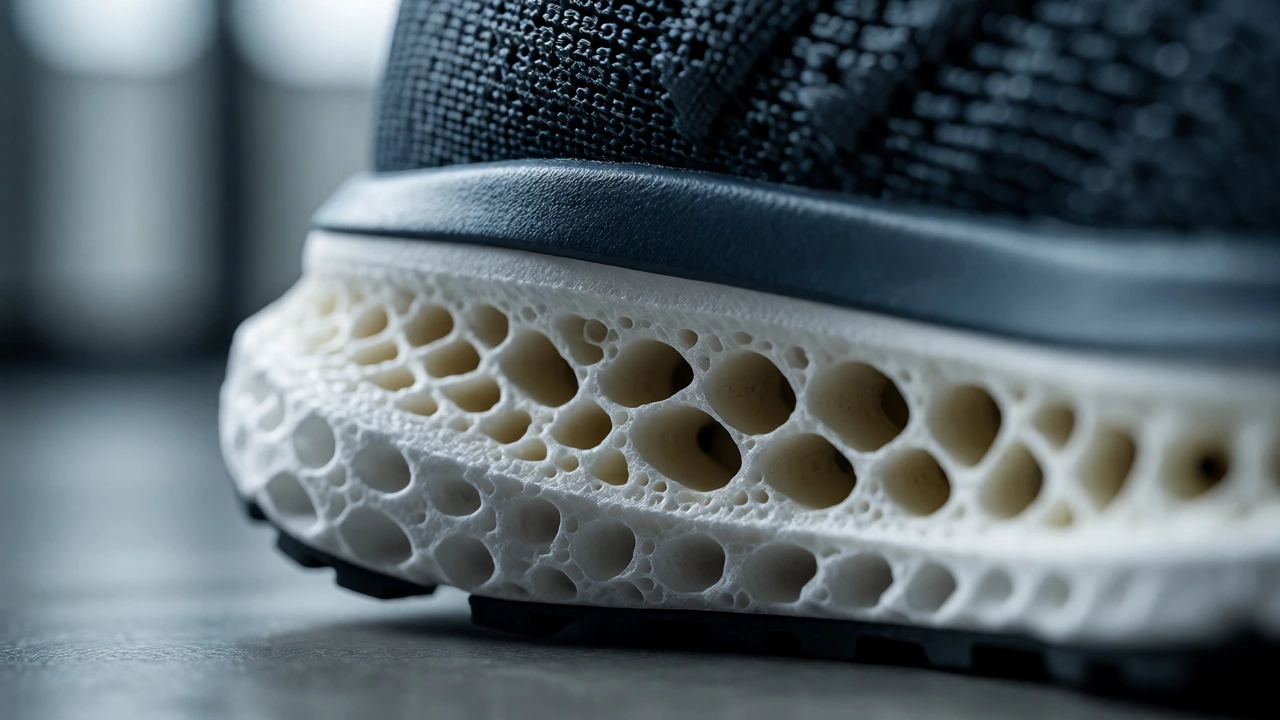
To understand if daily wear is okay, you have to look at what the shoe is built to do. Nike Air Zoom Pegasus, Brooks Ghost, or Hoka Clifton are designed with specific geometries. The midsole foam (often EVA or polyurethane) is tuned to compress and rebound at running cadences. When you run, you strike the ground with forces up to three times your body weight. The shoe manages this dynamic load.
When you walk or stand all day, the forces are different. Standing puts constant, low-level pressure on specific points of the foot. Walking is slower, but it involves a heel-strike that rolls through the foot differently than a runner’s gait. Many modern running shoes have a "rocker" geometry-a curved sole meant to roll you forward. If you stand still for eight hours in these, your calves might stay slightly engaged because the heel isn’t flat against the ground. This isn’t dangerous, but it can lead to fatigue that feels like tightness in the Achilles tendon or lower leg.
Furthermore, the upper material matters. Running shoes prioritize breathability. Thin mesh keeps your feet cool during a 5k. In a cold Bristol November, that same mesh offers almost no insulation. Your feet will get cold faster than they would in leather boots or canvas sneakers. Conversely, in summer, the lack of structure means your foot slides around more if you aren’t lacing them tightly, which can cause blisters from friction rather than impact.
Does Daily Wear Ruin Your Running Shoes?
Yes, usually. But it depends on how you define "ruin." If you mean "will they fall apart immediately," no. If you mean "will they lose their performance benefits," absolutely.
EVA foam, the most common midsole material, has a memory limit. It compresses under load and rebounds. Over time, it loses elasticity. This process is accelerated by two things: heat and continuous compression. If you wear your running shoes 16 hours a day, seven days a week, the foam never gets a chance to recover. It stays compressed. Within three months, a pair that should last 400 miles of running might feel dead after just 100 miles of mixed use.
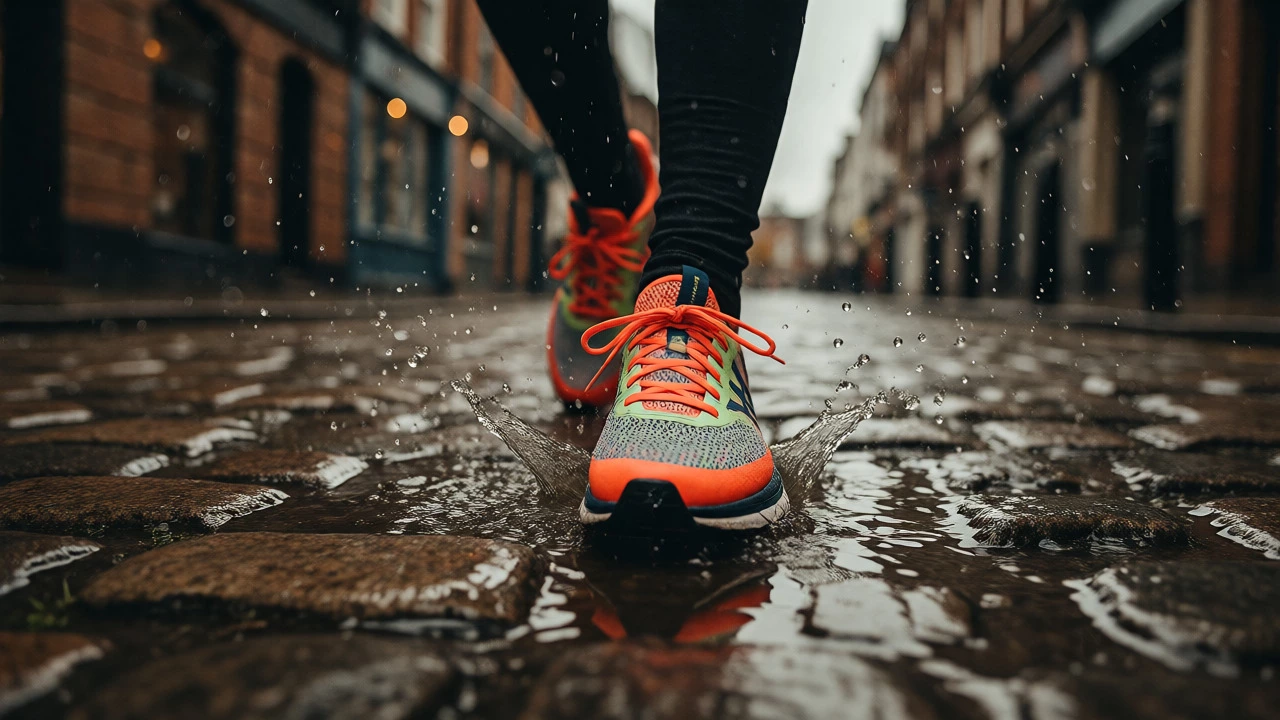
Consider the outsole rubber. Running shoes often use carbon rubber or blown rubber in high-wear areas. Blown rubber is soft and grippy but wears down quickly on abrasive surfaces like concrete sidewalks. City walking is hard on soft rubber. You will see bald spots on the heels much faster than you would if you only wore them for runs. Once the tread pattern disappears, the shoe loses its grip on wet pavement, creating a safety hazard beyond just aesthetics.
The Cost-Benefit Analysis
Here is a simple way to think about it:
- Premium Running Shoe (£120-£160): Designed for 300-500 miles of high-impact activity. Using it for 8,000 steps of daily walking uses up its "life" without giving you the benefit of high-performance running support.
- Casual Sneaker (£40-£70): Designed for durability and style. Less cushioning, but better resistance to abrasion and weather.
If you buy one pair of £140 shoes and wear them everywhere, you are effectively paying premium prices for a commuter shoe that degrades faster than a cheaper alternative. You end up replacing them sooner, costing you more money in the long run.
Health Implications: Are They Good for Your Feet?
This is where opinions split. Podiatrists generally agree that some running shoe features are great for everyday life, while others are unnecessary or even counterproductive.
The Good: If you work on your feet (like a nurse or retail worker), the cushioning in running shoes can reduce plantar fasciitis pain. The arch support helps maintain proper alignment. For people with diabetes or neuropathy, the seamless interiors of many running shoes prevent sores and blisters. The shock absorption protects joints from the hard concrete floors common in urban environments.
The Bad: Over-reliance on highly structured, supportive shoes can weaken intrinsic foot muscles. This is sometimes called "shoe dependency." If your shoe does all the stabilizing work, your foot stops trying to stabilize itself. Over years, this can lead to weaker ankles and a higher risk of injury when you eventually go barefoot or switch to minimalist footwear. Additionally, wide toe boxes in some running shoes allow toes to splay naturally, which is good. But if the shoe is too loose, your toes grip to keep the shoe on, causing cramping.
A critical point often missed: Rotation. Orthopedic experts recommend rotating shoes. Why? Because moisture. Sweat accumulates inside the shoe. If you wear the same pair every day, the interior never fully dries. This creates a breeding ground for bacteria and fungi, leading to athlete’s foot or bad odors. Rotating between two pairs allows each to dry out completely for 24 hours.
When It Is Actually Fine to Wear Them Daily
There are scenarios where wearing running shoes as daily trainers makes perfect sense. You don’t need to banish them from your wardrobe.
- You Have Multiple Pairs: If you own three pairs of running shoes and rotate them, the wear per pair decreases significantly. Each shoe gets rest days, preserving the foam integrity.
- Your Job Requires Comfort: If you are on your feet for 10+ hours, the superior cushioning outweighs the cost of faster degradation. Buy cheaper models or wait for sales. Treat them as disposable comfort tools.
- You Are Recovering from Injury: Post-surgery or post-injury, doctors often prescribe supportive footwear. Running shoes provide excellent stability and shock absorption during recovery phases when you aren’t running yet.
- You Live in a Warm Climate: Breathable mesh is a luxury in hot, humid cities. The lack of warmth isn’t an issue, and the ventilation keeps feet healthy.
How to Extend the Life of Daily-Worn Running Shoes
If you decide to make running shoes your daily drivers, you can mitigate the damage. Here is how to keep them functional longer.
Use Shoe Trees: Wooden cedar shoe trees absorb moisture and help the shoe retain its shape. This prevents the toe box from collapsing and reduces odor. It’s a small investment (£10-£15) that saves expensive shoes.
Don’t Wash Them Too Often: Machine washing breaks down glue and foam. Spot clean with a brush and mild soap instead. Frequent soaking accelerates the breakdown of the midsole bond.
Lace Them Properly: Loose shoes cause friction. Tighten the laces using the top eyelet to lock your heel in place. This prevents the internal lining from tearing due to sliding.
Know When to Quit: Check the midsole. Press your thumb into the foam near the heel. If it doesn’t spring back instantly, the cushioning is gone. Also, look at the outsole. If the tread is smooth, stop using them for wet conditions. Don’t try to squeeze extra life out of dead foam; it won’t protect your knees anymore.
Comparison: Running Shoes vs. Everyday Alternatives
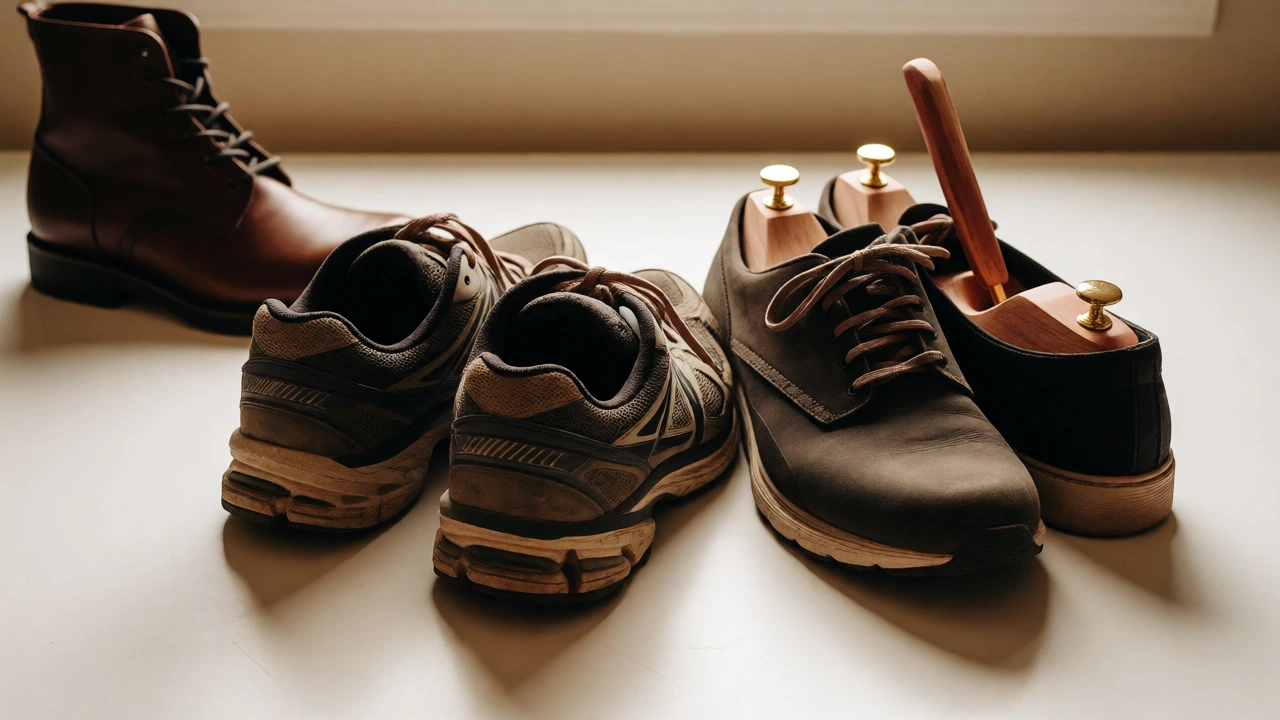
Not sure if you should stick with running shoes? Compare them to common alternatives below.
| Feature | Running Shoes | Walking Shoes | Leather Boots | Minimalist Sneakers |
|---|---|---|---|---|
| Cushioning | High (optimized for impact) | Moderate (optimized for rolling) | Low (rigid sole) | Very Low |
| Durability | Medium (foam degrades) | High (harder rubber) | Very High (resoleable) | Medium (thin sole wears) |
| Weather Resistance | Low (mesh absorbs water) | Medium (often treated) | High (leather/waterproof) | Low |
| Style Versatility | Low (athletic look) | Medium | High (formal/casual) | High |
| Cost Efficiency | Low for daily wear | Medium | High (long term) | Medium |
Final Verdict: Should You Do It?
Is it okay to wear running shoes every day? Yes, physically, it is safe for most healthy adults. It won’t ruin your feet overnight. However, it is rarely the most economical or practical choice unless you are willing to replace them frequently.
Treat your running shoes as specialized equipment. If you want to wear them daily, accept that they are consumables. Buy them on sale, rotate them with other pairs, and retire them once the cushioning dies. If you want longevity and style, invest in a dedicated pair of casual shoes and save your runners for the track or trail. Your feet-and your wallet-will thank you.
Can wearing running shoes every day cause plantar fasciitis?
Generally, no. In fact, the cushioning and arch support in quality running shoes can help alleviate plantar fasciitis symptoms. However, if the shoe lacks adequate arch support or is worn out, it could contribute to strain. Ensure the shoe fits well and provides appropriate support for your foot type.
Do running shoes smell worse if worn every day?
Yes, potentially. Running shoes are designed to breathe, but if you wear them continuously without allowing them to dry out, sweat accumulates. This creates a damp environment ideal for bacterial growth, leading to odor. Using shoe trees and rotating pairs helps mitigate this issue.
How long do running shoes last if worn daily?
If worn every day for general activities, expect them to last 3 to 6 months depending on quality and usage intensity. The midsole foam compresses over time regardless of mileage. Once the foam no longer springs back, the shoe has lost its protective properties, even if the outer looks fine.
Are running shoes suitable for standing all day at work?
They can be very comfortable due to cushioning, but check the sole rigidity. Some running shoes are too flexible, which can tire feet during prolonged standing. Look for models with a firmer heel counter and stable base. Alternatively, dedicated walking shoes or nursing clogs may offer better structural support for static positions.
Should I buy cheap running shoes for daily wear?
Yes, this is a smart strategy. Since daily wear degrades foam faster than running does, buying budget-friendly models (like older generations of popular brands) saves money. You get the comfort benefits without paying for cutting-edge technology that will degrade before you use it for running.