
What Destroys Stamina? 7 Hidden Factors Draining Your Energy
Stamina Drain Calculator
Answer these questions based on your average daily habits to see what is draining your energy.
Your Stamina Potential
Action Plan
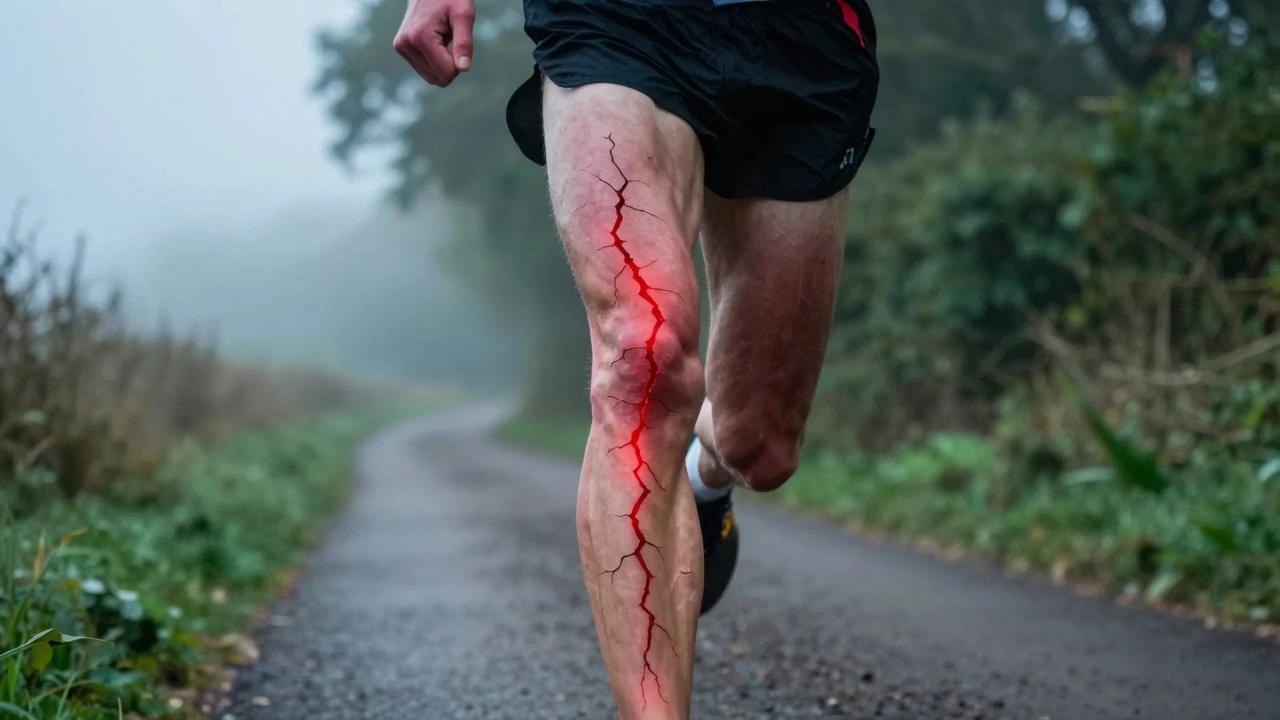
You’re halfway through your morning run. Your breathing is steady, your legs feel light, and you’re just getting into the groove. Then, suddenly, it hits. Your chest feels tight, your legs turn to lead, and that familiar wall of exhaustion slams into you. You didn’t push yourself harder than usual. You slept fine last night. So why did your body just quit on you?
We often blame a lack of willpower or poor training when our energy tanks. But stamina isn’t just about how much you exercise; it’s about how well your body manages resources. Think of stamina like a bank account. If you’re constantly withdrawing without depositing-or if there are hidden fees draining your balance-you’ll go broke no matter how hard you try to save.
Most people focus entirely on what they can do to build endurance: running more miles, lifting heavier weights, or doing high-intensity interval training (HIIT). While those things help, they only tell half the story. To truly understand why your energy crashes, you have to look at what’s actively destroying your stamina from the inside out. Let’s break down the silent killers of your endurance.
The Sleep Debt Trap
If you’ve ever pulled an all-nighter or spent a week sleeping five hours a night, you know the feeling. But sleep deprivation does more than make you groggy; it fundamentally alters how your body processes fuel. During deep sleep, your body repairs muscle tissue and regulates hormones like cortisol and ghrelin. When you cut sleep short, cortisol spikes, putting your body in a state of chronic stress.
High cortisol levels signal your body to hold onto fat and break down muscle for quick energy. This is counterproductive for anyone trying to build stamina. Without adequate rest, your glycogen stores-the primary fuel source for high-intensity activity-don’t replenish fully. You might wake up feeling "fine," but your cellular battery is already at 60%. By the time you hit the gym or the trail, you’re running on empty reserves.
- Deep sleep restores glycogen levels in muscles.
- Chronic sleep loss increases cortisol, breaking down muscle tissue.
- Even one night of poor sleep can reduce performance by up to 15%.
Dehydration: The Silent Performance Killer
You don’t need to be sweating buckets to be dehydrated. Mild dehydration-losing just 2% of your body weight in water-can significantly impair physical and cognitive performance. Water is essential for transporting nutrients to cells and removing waste products like lactic acid. When you’re low on fluid, your blood volume decreases, forcing your heart to pump faster to deliver oxygen to your muscles.
This extra cardiac workload makes even moderate exercise feel exhausting. Many people wait until they’re thirsty to drink, but thirst is a late-stage symptom of dehydration. By then, your stamina has already taken a hit. Electrolytes play a crucial role here too. Sweating doesn’t just remove water; it flushes out sodium, potassium, and magnesium. These minerals regulate nerve impulses and muscle contractions. Without them, you’ll experience cramps, weakness, and premature fatigue.
| Hydration Status | Physical Impact | Cognitive Impact |
|---|---|---|
| Optimal (0-1% loss) | Peak performance, efficient cooling | Sharp focus, quick reaction times |
| Mild Dehydration (1-2% loss) | Increased heart rate, reduced endurance | Mild headache, difficulty concentrating |
| Moderate Dehydration (3-5% loss) | Significant drop in strength, muscle cramps | Irritability, mood changes, confusion |
Poor Nutrition: Fueling the Fire with Wet Wood
Eating junk food doesn’t just make you gain weight; it sabotages your energy stability. Diets high in refined sugars and processed carbohydrates cause rapid spikes in blood glucose followed by sharp crashes. This rollercoaster leaves you feeling sluggish and unmotivated within an hour of eating. For sustained stamina, your body needs complex carbohydrates, healthy fats, and adequate protein.
Iron deficiency is another major culprit, especially among women and vegetarians. Iron is critical for producing hemoglobin, which carries oxygen in your blood. Low iron means less oxygen reaches your muscles, leading to early onset of fatigue. Similarly, Vitamin D deficiency affects muscle function and recovery. Many people spend hours training but neglect the foundational nutrients their bodies need to convert effort into endurance.

Overtraining: When More Becomes Less
It’s easy to fall into the trap of thinking that more training equals better results. However, overtraining syndrome occurs when you consistently push your body beyond its ability to recover. Symptoms include persistent soreness, declining performance, insomnia, and mood swings. Your central nervous system becomes fatigued, making every movement feel heavier than it should.
Rest days aren’t laziness; they’re when the actual adaptation happens. Muscles grow stronger and cardiovascular efficiency improves during recovery, not during the workout itself. Ignoring signs of overtraining leads to burnout and injury, which ultimately destroy your long-term stamina goals. Listen to your body. If your resting heart rate is elevated in the morning or you feel dread toward your workouts, it’s time to step back.
Stress and Mental Fatigue
Your mind and body are connected. Chronic stress triggers the release of adrenaline and cortisol, preparing your body for "fight or flight." While useful in emergencies, constant activation of this response drains your energy reserves. Mental fatigue from work, relationships, or financial worries can manifest physically as lethargy and lack of motivation.
Studies show that perceived exertion-the effort you feel you’re putting in-is heavily influenced by mental state. If you’re stressed, a 6-mile run feels harder than it would if you were relaxed. Mindfulness practices, meditation, and simply taking breaks can lower stress hormones and preserve your physical energy for when you need it most.

Environmental Factors: Heat and Humidity
Where you train matters. Exercising in hot and humid conditions forces your body to work overtime to cool itself down. Blood flow shifts from muscles to the skin to dissipate heat, reducing the oxygen available for physical activity. This thermoregulatory stress accelerates fatigue and increases the risk of heat exhaustion.
Altitude also plays a role. At higher elevations, there’s less oxygen in the air, meaning each breath delivers fewer molecules to your bloodstream. This forces your heart to beat faster and your lungs to work harder, draining stamina quickly. If you live at sea level and travel to the mountains, expect a temporary drop in performance as your body adapts by producing more red blood cells.
Sedentary Lifestyle: The Vicious Cycle
Paradoxically, being too sedentary destroys your stamina. When you sit all day, your mitochondria-the powerhouses of your cells-become less efficient. Muscle mass decreases, and your cardiovascular system deconditions. Breaking this cycle requires consistent, gradual movement. Even small amounts of daily activity can improve mitochondrial density and boost overall energy levels.
Think of stamina like a muscle. If you don’t use it, it atrophies. Regular movement keeps your body primed and ready for exertion. Start with short walks or light stretching if you’ve been inactive for a while. Gradually increase intensity to rebuild your base level of fitness.
How to Rebuild Your Stamina
Now that we’ve identified what destroys stamina, let’s talk about fixing it. First, prioritize sleep hygiene. Aim for 7-9 hours of quality sleep per night. Create a dark, cool environment and avoid screens before bed. Second, hydrate strategically. Drink water throughout the day, not just during workouts. Include electrolytes if you sweat heavily.
Fuel your body with whole foods. Focus on complex carbs like oats, quinoa, and sweet potatoes. Add lean proteins and healthy fats for sustained energy. Monitor your iron and Vitamin D levels, especially if you’re vegan or spend little time outdoors. Finally, balance your training. Incorporate rest days and active recovery sessions like yoga or swimming. Listen to your body and adjust accordingly.
Why do I get tired so quickly during workouts?
Rapid fatigue during workouts is often caused by poor nutrition, dehydration, or inadequate sleep. Your body may not have enough glycogen stored, or your muscles aren’t receiving sufficient oxygen due to low iron levels. Additionally, if you’re new to exercise, your cardiovascular system may not be conditioned yet, causing early exhaustion.
Does caffeine affect stamina?
Caffeine can temporarily boost stamina by blocking adenosine receptors, which reduces the perception of effort. However, relying on it too much can lead to dependency and disrupt sleep patterns, ultimately harming long-term endurance. Use it sparingly and avoid consuming it late in the day.
How long does it take to improve stamina?
Noticeable improvements in stamina typically occur within 4-6 weeks of consistent training. Initial gains come from neural adaptations, where your body learns to recruit muscle fibers more efficiently. Later improvements involve physiological changes like increased capillary density and mitochondrial growth.
Can stress really kill my energy levels?
Yes, chronic stress elevates cortisol levels, which breaks down muscle tissue and disrupts sleep. This hormonal imbalance drains your energy reserves and makes physical activity feel more difficult. Managing stress through mindfulness or relaxation techniques can significantly restore your stamina.
What foods are best for building stamina?
Focus on complex carbohydrates like brown rice, oats, and whole grains for sustained energy. Include lean proteins such as chicken, fish, and legumes for muscle repair. Healthy fats from avocados, nuts, and olive oil provide dense caloric support. Don’t forget iron-rich foods like spinach and red meat to optimize oxygen transport.